Directing
Bernd Upnmoor is a German avant-garde filmmaker and actor. He lives and works in Hamburg.
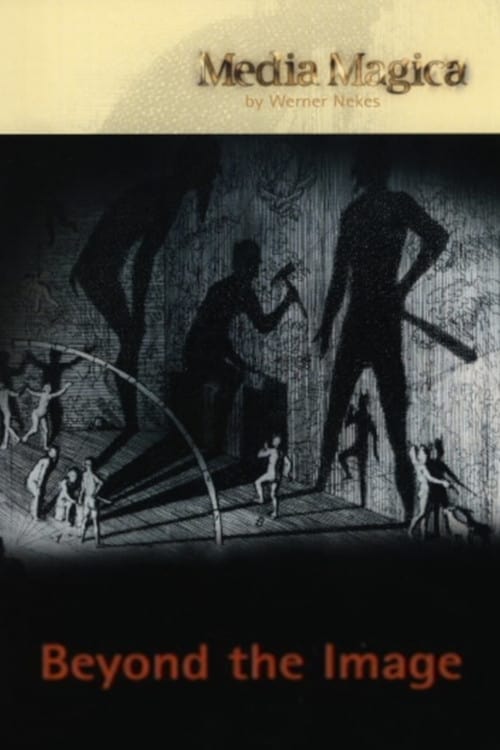
The film traces the history of the camera obscura, the understanding of perspective and anamorphosis, peepshows and it shows the beauty of historical shadowtheaters and shadow toys.
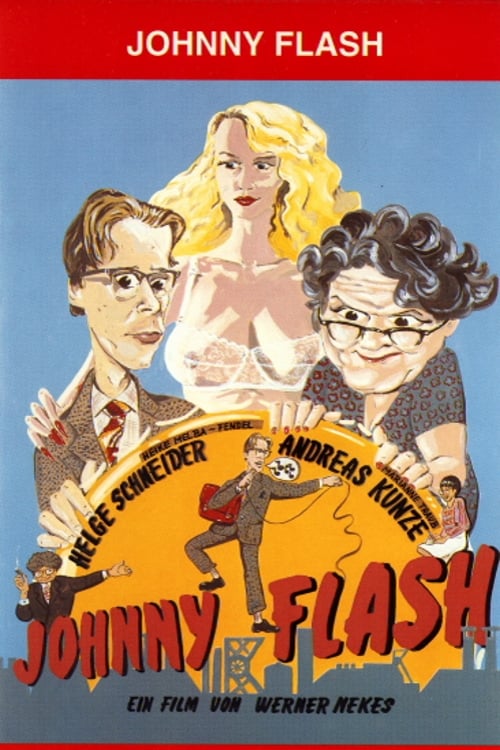
Jurgen is an unknown electrician with a dream of pop stardom. His mother browbeats him into fame, while two managers compete for his contract. All Johnny really wants to do is get some sleep.
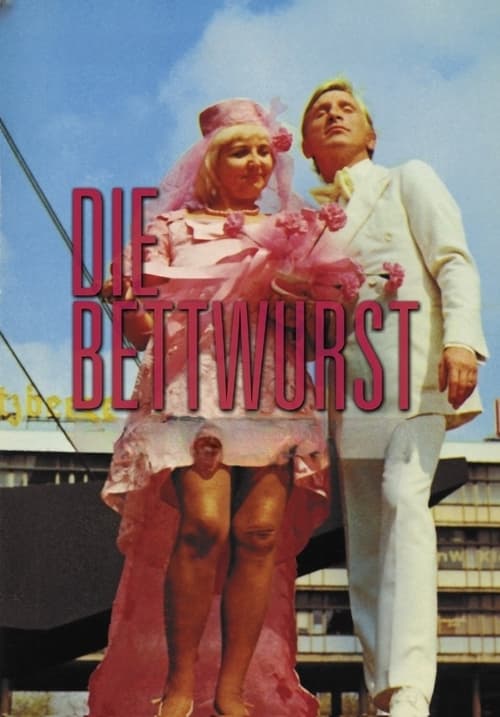
It is love at first sight: elderly secretary Luzi and young, unemployed Dietmar find each other by accident in Rosa von Praunheim’s outrageous genre, social satire.
Short film that might or might not be about murder.
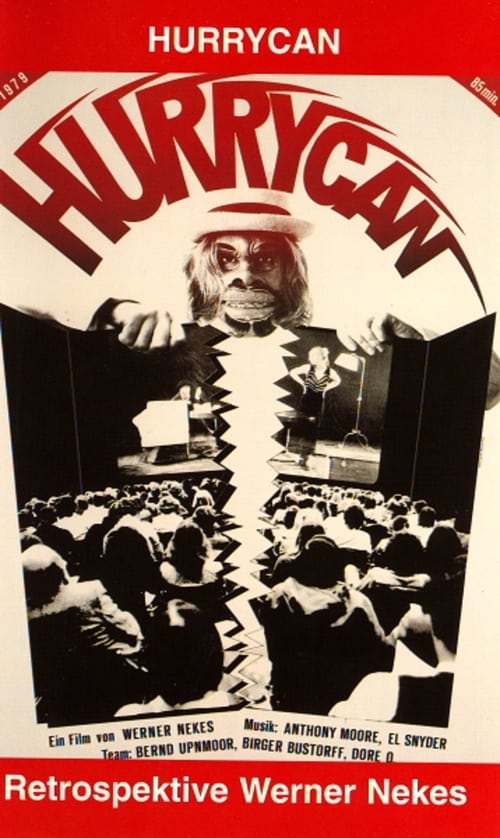
Hurrycan has nothing to do with whirlwinds, although in this Nekes film the pictures journey across the screen, excitedly, spasmodically and flickering. The title weds the element of haste with the notion of a film can, which in this case turns out to be something of a Pandora's Box and contains expectations for a new way of seeing. A computerized shutter system that Nekes had built.
No description available.
The film looks at ways of creating spezial illusions through amiguous images, perspective theatres, folding peepshows and from the 19th century, the stereoscope, which look forward to today’s holography.
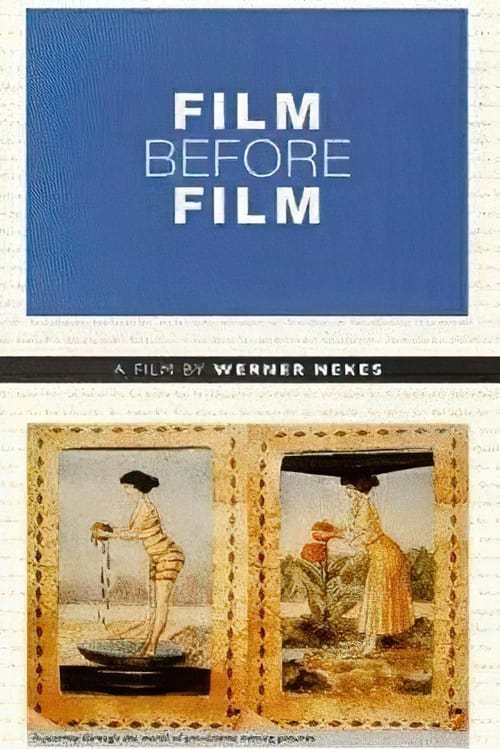
An exhilarating and amusing encyclopedic look at the "prehistory" of cinema. Werner Nekes charts the fascination with moving pictures which led to the birth of film, covering shadow plays, peep shows, flip books, flicks, magic lanterns, lithopanes, panoramic, scrolls, colorful forms of early animation, and numerous other historical artiffices. Working with these formats, early "producers" created melodramas, comedies, -- as well as lots of pornography -- anticipating most of the forms known today. Nekes probes these colorful toys and inventions in a rich and rewarding optical experience. Film Before Film is a bewildering assault of exotic (and sometimes erotic) images and illusions.
An experimental film about the interpenetration of various levels of communication, dealing with the relationship of the pictorial functions to those of sound (direct sound).
A film director's personal ad, seeking a woman who is also a filmmaker.
A documentary about the 'critical mass', the Film Coop, a group of young filmmakers in Hamburg during the 1960s - a small group far from the Mainstream or the New German Cinema.
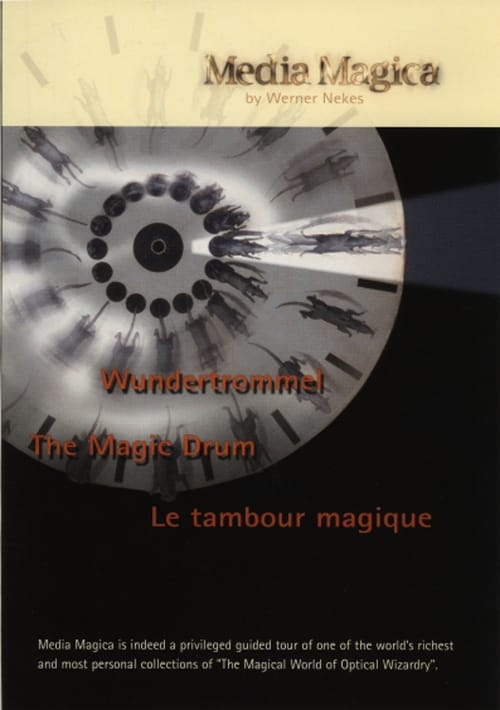
Other essential predecessors of film were those devices that created the illusion of motion by taking advantage of the persistence of vision and the stroboscopic effect, such as the thaumatrope, phenakistoscope or wheel of life, zoetrope or magic drum and praxinoscope and later on, the more sophisticated flip-books such as the kinora and mutoscope.
Bernd Upnmoor's Dom the title refers to the famous funfair at Hamburg - varies an increasingly meaningless shot of a few minutes on a carousel by exploring all the possibilities of colour film techniques and succeeds (in Upnmoor's words) in "making the viewers' senses tremble and flutter."
This film subtly contrasts banal reality with parody, using technical film techniques like time lapse and color filtering to parallel a home theater screening with a seduction scene. The director skillfully stimulates the viewer’s erotic imagination in a delicate and ironic manner, while also incorporating amateur film flaws dramaturgically and adding a socially critical, satirical element.
A group of indispensable works in the Ruhr area on the development of a solar power plant. At first she only finds attention through a former KGB agent who believes that the struggle of the political systems is further fought in the hidden. His views are initially smiled at, but when a young spy causes confusion, there is a feeling of happiness: the apparent paranoia of the Russian friend has tangible causes, and the work of the group is more than just evident.
The great, increasing intensity of the film results from an interaction of the actress and camera not yet attempted in this way. The phases of emotions of a life lived through in a few minutes - the theme that the film has posed - are completely expressed. Time-lapse and delay immediately express the external process, the performer adequately succeeds in demonstrating the internal processes. Interesting are the nuances with which the color scheme follows the development of the idea. This applies here in a special way also from the acoustic processing.
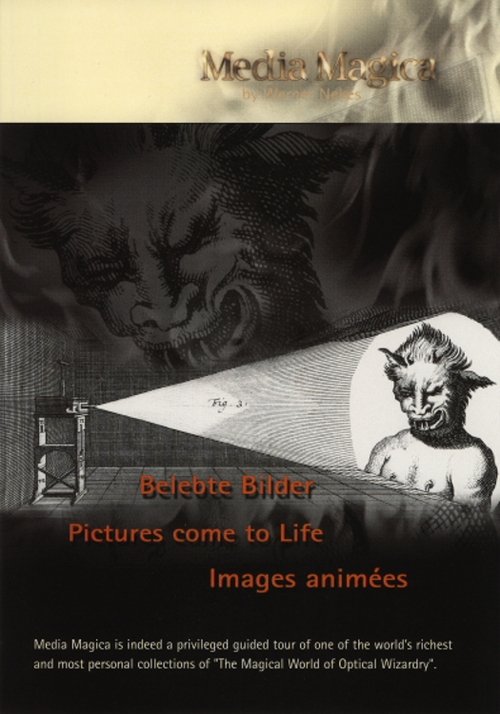
The history of the magic lantern with demonstrations of moving slides, watertank or polarisation slides, followed by images on paper, which are brought to life with mechanical manipulations, with light shining through them or as panorama.
A landscape is filmed with a single-frame camera 48 hours from a point of view.
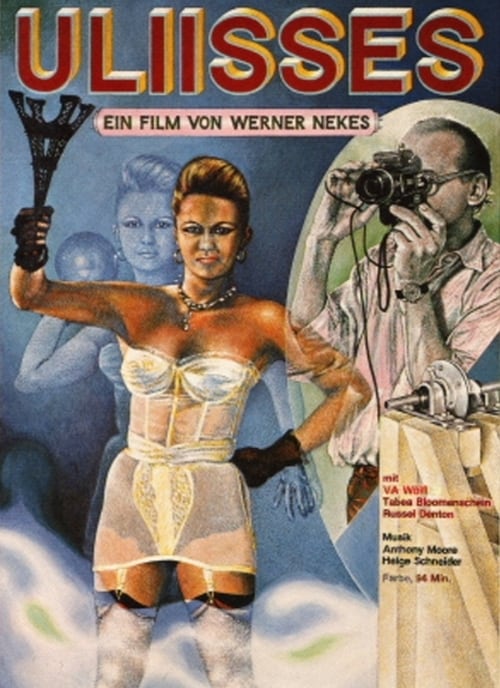
Director Werner Nekes has created this experimental film in the mode of James Joyce's Ulysses to the extent that human interactions are represented by poetic, symbolic images and language, with a certain amount of nudity added in.