Ron Fricke
Camera
Biography
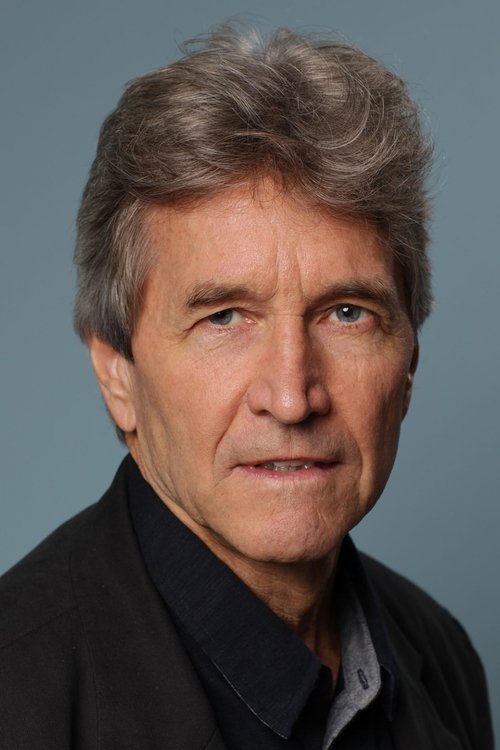
From Wikipedia, the free encyclopedia. Ron Fricke is an American film director and cinematographer, considered to be a master of time-lapse photography and large format cinematography. He was the director of photography for Koyaanisqatsi (1982) and directed the purely cinematic non-verbal non-narrative feature Baraka (1992). He designed and used his own 65 mm camera equipment for Baraka and his later projects. He also directed the IMAX films Chronos (1985) and Sacred Site (1986). His most recent work was as cinematographer for parts of the film Star Wars Episode III: Revenge of the Sith (he was hired to shoot the eruption of Mt Etna in Sicily for use in scenes of the volcanic planet Mustafar). Fricke writes about his work: "I feel that my work has evolved through Koyaanisqatsi, Chronos and Baraka. Both technically and philosophically I am ready to delve even deeper into my favorite theme: humanity's relationship to the eternal". Description above from the Wikipedia article Ron Fricke, licensed under CC-BY-SA,full list of contributors on Wikipedia.

Known For

When the sinister Sith unveil a thousand-year-old plot to rule the galaxy, the Republic crumbles and from its ashes rises the evil Galactic Empire. Jedi hero Anakin Skywalker must choose a side.
Star Wars: Episode III - Revenge of the Sith

In a futuristic New York known as New Rome, visionary architect Cesar Catilina dreams of building "Megalopolis," a utopian city that redefines society’s limits. Opposing him is the corrupt Mayor Franklyn Cicero, who clings to power and profit. Between them stands Julia, the mayor’s daughter, whose love for Cesar forces her to choose between loyalty, ambition, and the fate of humanity.
Megalopolis

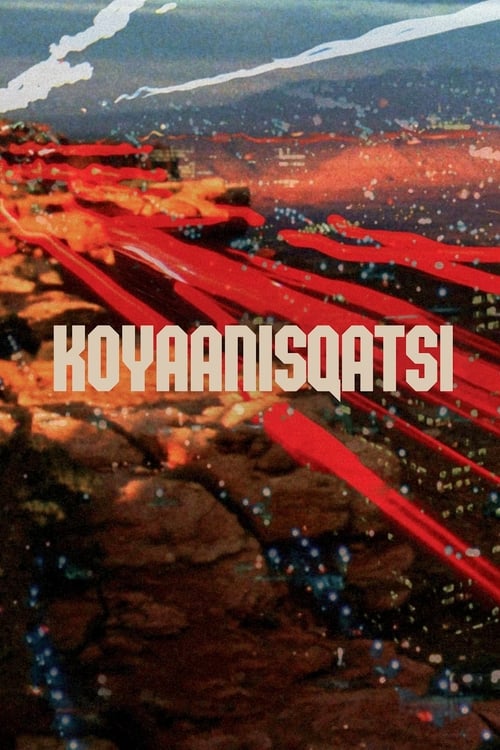
Takes us to locations all around the US and shows us the heavy toll that modern technology is having on humans and the earth. The visual tone poem contains neither dialogue nor a vocalized narration: its tone is set by the juxtaposition of images and the exceptional music by Philip Glass.
Koyaanisqatsi

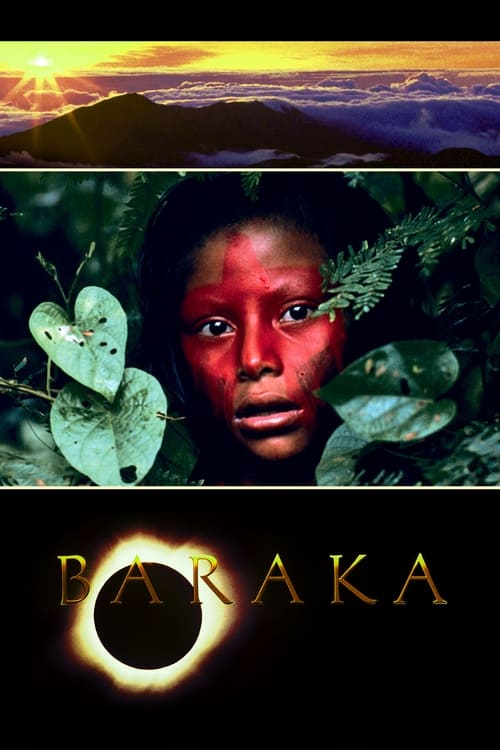
A paralysingly beautiful documentary with a global vision—an odyssey through landscape and time—that attempts to capture the essence of life.
Baraka

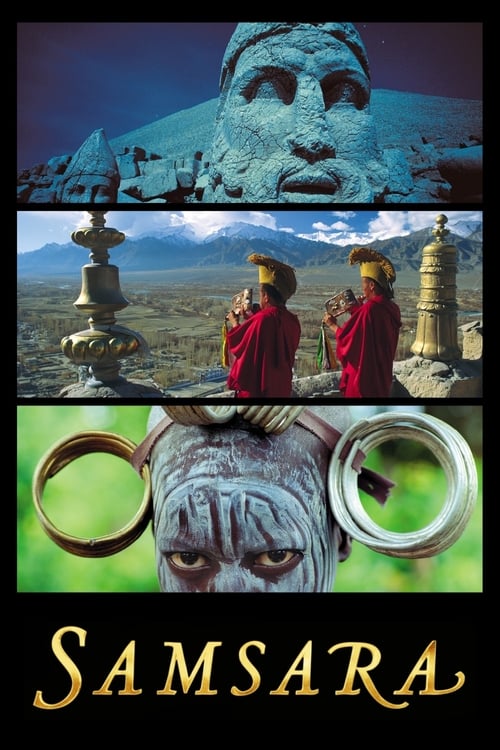
Filmed over nearly five years in twenty-five countries on five continents, and shot on seventy-millimetre film, Samsara transports us to the varied worlds of sacred grounds, disaster zones, industrial complexes, and natural wonders.
Samsara

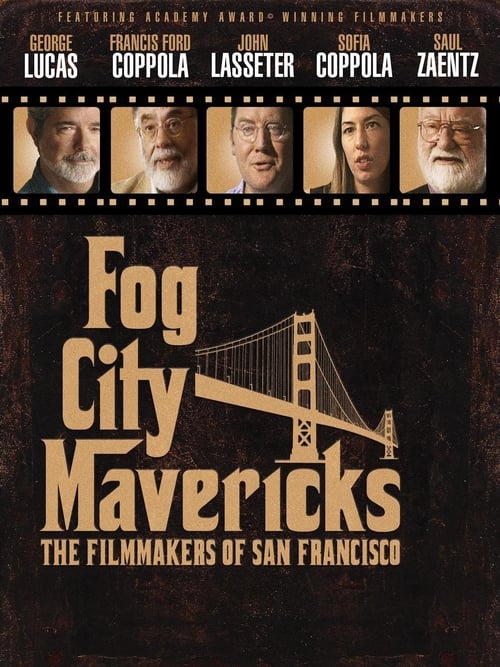
Fog City Mavericks: The Filmmakers of San Francisco is a compelling exploration of the legendary filmmakers who call the San Francisco Bay Area home including George Lucas, Francis Ford Coppola, Clint Eastwood, Chris Columbus and producer Saul Zaentz. The special weaves interviews, commentaries and unforgettable moments from some of the most visionary movies ever created such as American Graffiti, the Star Wars film series, the Indiana Jones film series, The Godfather trilogy, Apocalypse Now, One Flew Over the Cuckoo's Nest, Amadeus, Toy Story, The Incredibles, Lost in Translation, Flags of Our Fathers and many others. It also features interviews with those who have worked with Bay Area mavericks: Steven Spielberg, Michael Douglas, Anthony Minghella, Milos Forman and Frank Darabont.
Fog City Mavericks

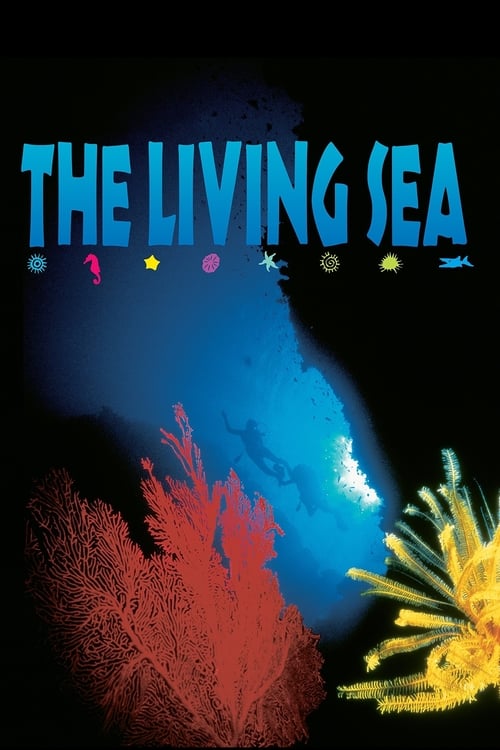
The Living Sea celebrates the beauty and power of the ocean as it explores our relationship with this complex and fragile environment. Using beautiful images of unspoiled healthy waters, The Living Sea offers hope for recovery engendered by productive scientific efforts. Oceanographers studying humpback whales, jellyfish, and deep-sea life show us that the more we understand the ocean and its inhabitants, the more we will know how to protect them. The film also highlights the Central Pacific islands of Palau, one of the most spectacular underwater habitats in the world, to show the beauty and potential of a healthy ocean.
The Living Sea

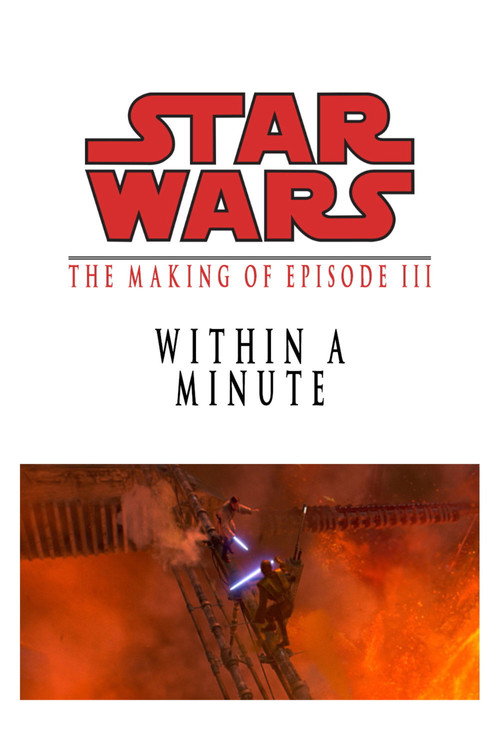
This documentary offers a glimpse into all the people, departments, and work that went into creating the film, specifically, the fight between Anakin Skywalker and Obi-Wan Kenobi. Featured on the 2-Disc DVD for Star Wars: Episode III - Revenge of the Sith.
Star Wars: Within a Minute - The Making of Episode III

No description available.
Atomic Artist

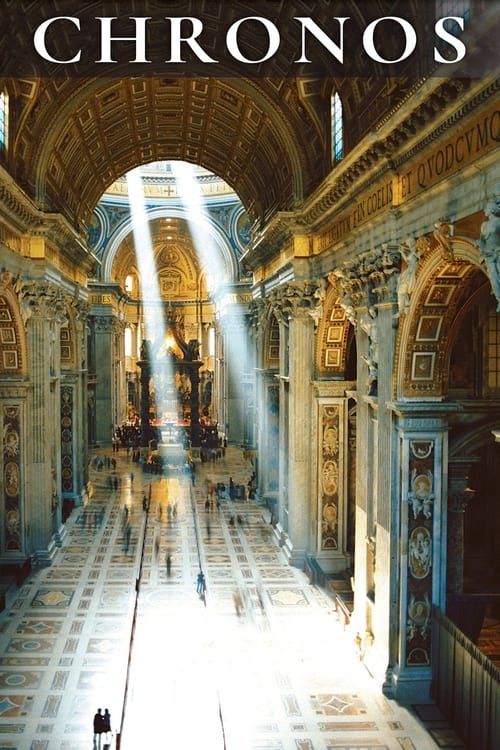
Carefully picked scenes of nature and civilization are viewed at high speed using time-lapse cinematography in an effort to demonstrate the history of various regions.
Chronos

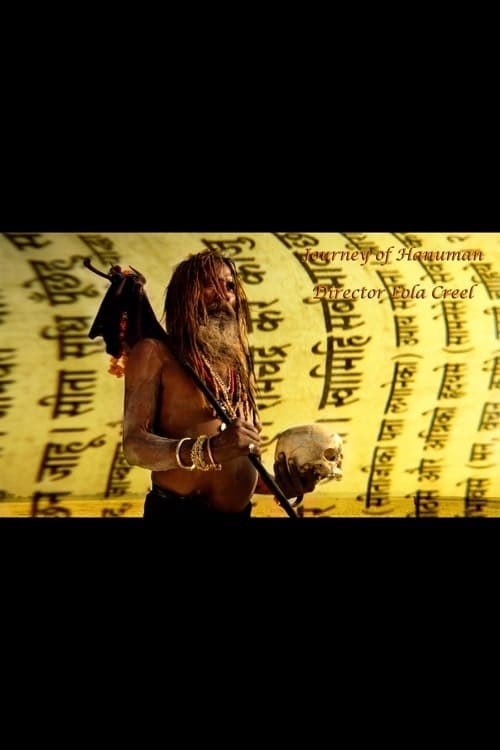
'Journey of Hanuman' preserves moments still existing in India that have not been disturbed by globalization and are connected with the antique spiritual knowledge of India.
Journey of Hanuman

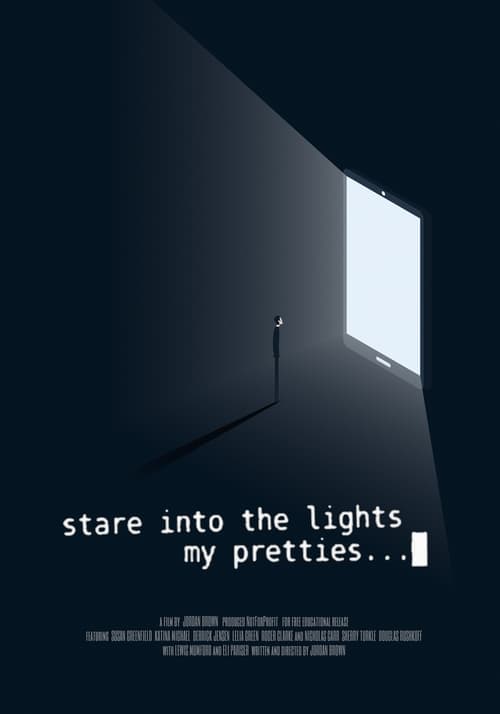
We live in a world of screens. The average adult spends the majority of their waking hours in front of some sort of screen or device. We're enthralled, we're addicted to these machines. How did we get here? Who benefits? What are the cumulative impacts on people, society and the environment? What may come next if this culture is left unchecked, to its end trajectory, and is that what we want? Stare Into The Lights My Pretties investigates these questions with an urge to return to the real physical world, to form a critical view of technological escalation driven by rapacious and pervasive corporate interest. Covering themes of addiction, privacy, surveillance, information manipulation, behavior modification and social control, the film lays the foundations as to why we may feel like we're sleeprunning into some dystopian nightmare with the machines at the helm. Because we are, if we don't seriously avert our eyes to stop this culture from destroying what is left of the real world.
Stare Into the Lights My Pretties

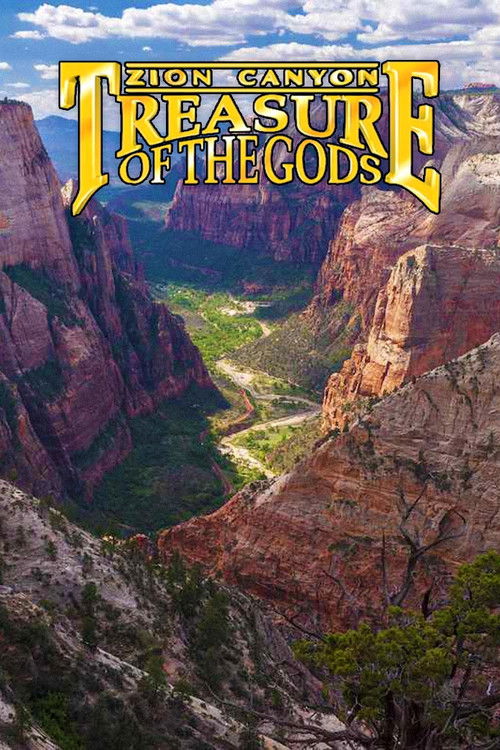
A breathtaking view of Zion National Park filmed originally in the IMAX format.
Zion Canyon: Treasure of the Gods
High-speed film and time-lapse photography combined to create breathtaking images of the night sky and Halley's Comet in this astronomical short subject.