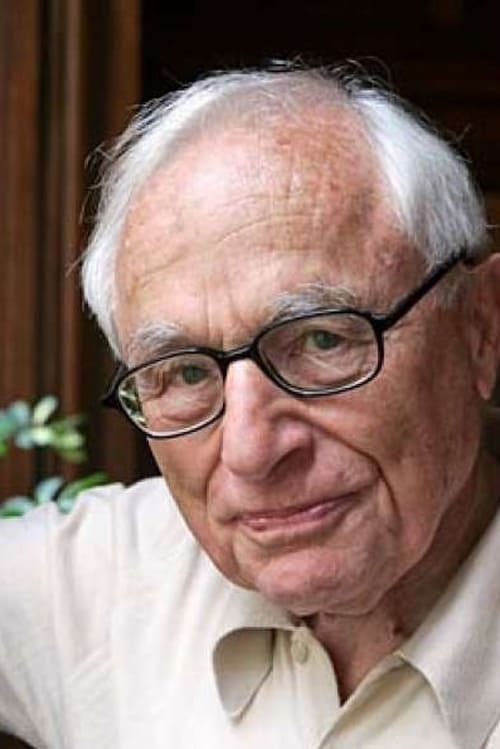
Walter Bernstein
Writing
Biography
In February 1941, Bernstein was drafted into the U.S. Army. Eventually attaining the rank of Sergeant, he spent most of World War II as a correspondent on the staff of the Army newspaper Yank, filing dispatches from Iran, Palestine, Egypt, North Africa, Sicily and Yugoslavia. He wrote of his experiences in Palestine in an article entitled "War and Palestine". Bernstein wrote a number of articles and stories based on his experiences in the Army, many of which originally appeared in The New Yorker. These were collected in Keep Your Head Down, his first book, published in 1945. Bernstein first came to Hollywood in 1947, under a ten-week contract with writer-producer-director Robert Rossen at Columbia Pictures. Following that stint, he worked for a while for producer Harold Hecht, which resulted in his first screen credit, shared with Ben Maddow, for their adaptation of the Gerald Butler novel Kiss the Blood Off My Hands for the 1948 Universal film. He subsequently returned to New York, where he continued writing for The New Yorker and other magazines, and eventually found work as a scriptwriter in the early days of live television. In 1950, because of his numerous left-wing political affiliations and related activities, his name appeared in the notorious publication Red Channels, and as a result he found himself blacklisted. Throughout the 1950s, however, he managed to continue writing for television, both under pseudonyms and through the use of "fronts" (non-blacklisted individuals who would permit their names to appear on his work). In this manner, he contributed to several notable TV programs of the era, including Danger, the CBS News docudrama series You Are There and the mystery series Colonel March of Scotland Yard. (It has been incorrectly stated in some sources that Bernstein's blacklisting resulted from "unfriendly" testimony given to HUAC in 1951, but in fact he was not subpoenaed by the Committee until the late 1950s, and never actually testified.) His screenwriting career began to rebound from the blacklist when director Sidney Lumet hired him to write the screenplay for the 1959 Sophia Loren movie That Kind of Woman. From then on Bernstein was able to work openly on films such as Paris Blues (1961) and Fail-Safe (1964). He also contributed, without receiving credit, to the screenplays of The Magnificent Seven (1960) and The Train (1964), and was one of several writers who worked on the script for the ill-fated Something's Got to Give, which was left uncompleted at the time of the death of its star, Marilyn Monroe, in 1962.
Known For
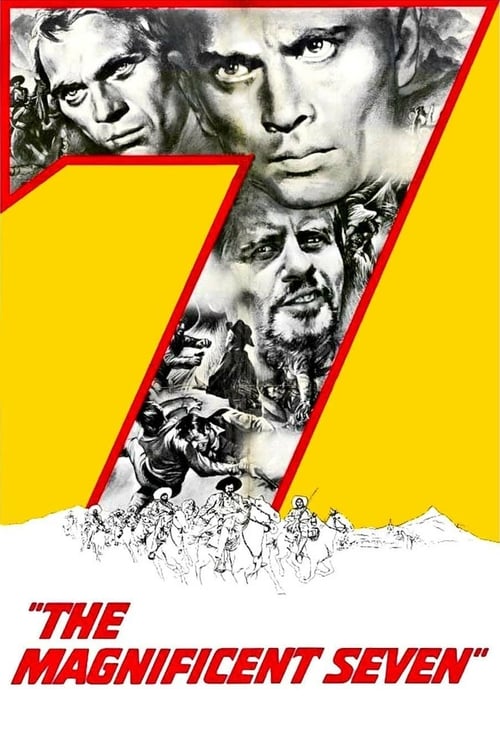
An oppressed Mexican peasant village hires seven gunfighters to help defend their homes.
The Magnificent Seven
DuPont Show of the Month is an acclaimed 90-minute television anthology series that aired monthly on CBS from 1957 to 1961. The DuPont Company also sponsored a weekly half-hour anthology drama series hosted by June Allyson, The DuPont Show with June Allyson. During the Golden Age of Television, DuPont Show of the Month was one of numerous anthology series telecast between 1949 and 1962. Superficially, it resembled Playhouse 90 and other anthologies, but DuPont Show of the Month focused less on contemporary dramas and more on adaptations of literary classics, including Oliver Twist, The Prince and the Pauper, Billy Budd, The Prisoner of Zenda, A Tale of Two Cities and The Count of Monte Cristo.
DuPont Show of the Month
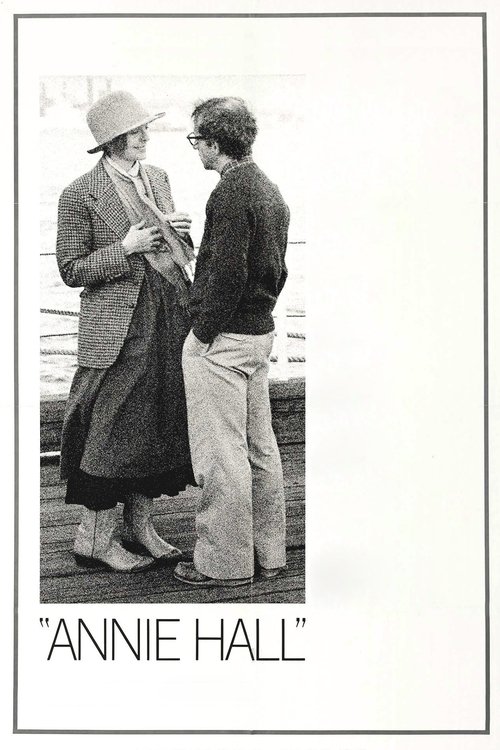
New York comedian Alvy Singer falls in love with the ditsy Annie Hall.
Annie Hall
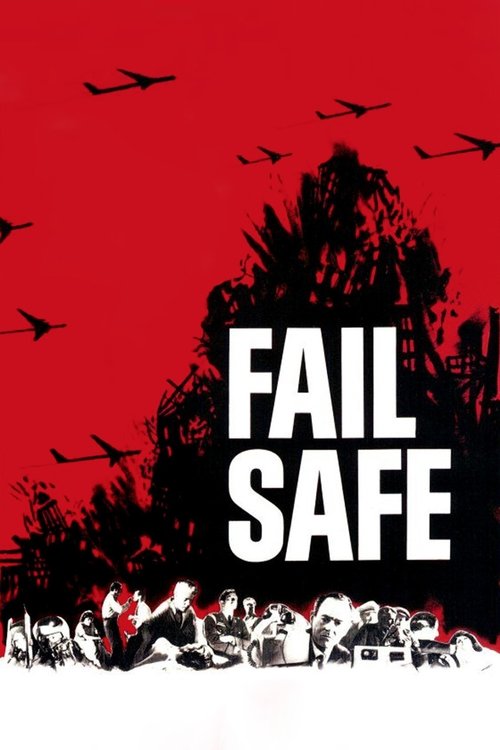
Because of a technical defect an American bomber team mistakenly orders the destruction of Moscow. The President of the United States has but little time to prevent an atomic catastrophe from occurring.
Fail Safe
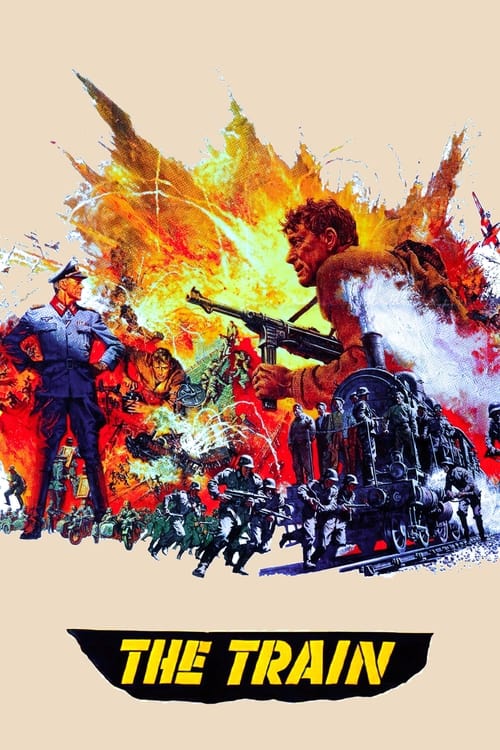
As the Allied forces approach Paris in August 1944, German Colonel Von Waldheim is desperate to take all of France's greatest paintings to Germany. He manages to secure a train to transport the valuable art works even as the chaos of retreat descends upon them. The French resistance however wants to stop them from stealing their national treasures but have received orders from London that they are not to be destroyed. The station master, Labiche, is tasked with scheduling the train and making it all happen smoothly but he is also part of a dwindling group of resistance fighters tasked with preventing the theft. He and others stage an elaborate ruse to keep the train from ever leaving French territory.
The Train

A cashier poses as a writer for blacklisted talents to submit their work through, but the injustice around him pushes him to take a stand.
The Front

When lawyer Gina Hawkes hires Harry to find a witness, he unexpectedly revisits his brother's decades-old death, embroiling him in a political conspiracy at the highest levels of British government.
Hidden
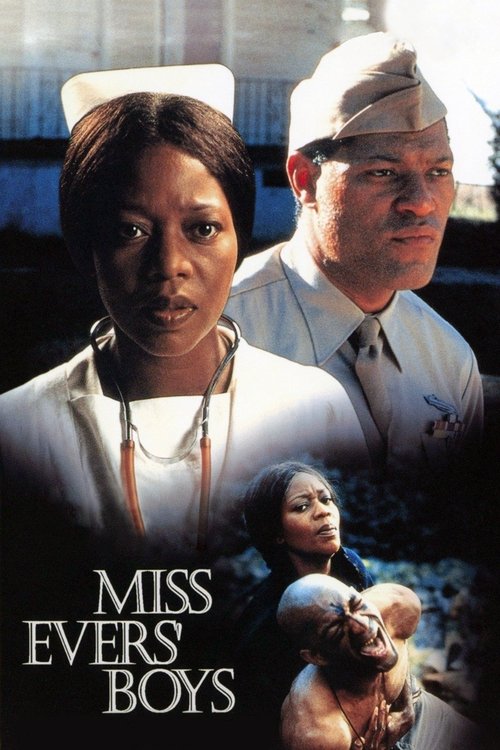
The true story of the US Government's 1932 Tuskeegee Syphilis Experiments, in which a group of black test subjects were allowed to die, despite a cure having been developed.
Miss Evers' Boys

A three-way friendship between two free-spirited professional football players and the owner's daughter becomes compromised when two of them become romantically involved.
Semi-Tough
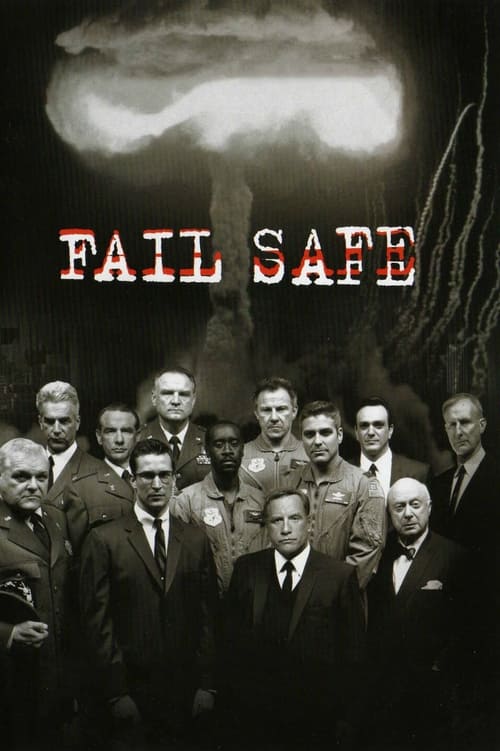
Cold War tensions climb to a fever pitch when a U.S. bomber is accidentally ordered to drop a nuclear warhead on Moscow.
Fail Safe
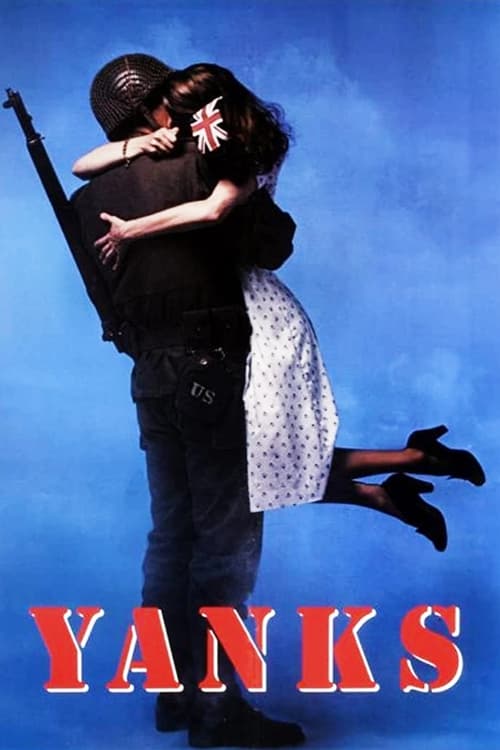
During WWII, the United States set up army bases in Great Britain as part of the war effort. Against their proper sensibilities, many of the Brits don't much like the brash Yanks, especially when it comes to the G.I.s making advances on the lonely British girls. One relationship that develops is between married John, an Army Captain, and the aristocratic Helen, whose naval husband is away at war. Helen loves her husband, but Helen and John are looking for some comfort during the difficult times.
Yanks

During the 1960s, two American jazz musicians living in Paris meet and fall in love with two American tourist girls and must decide between music and love.
Paris Blues
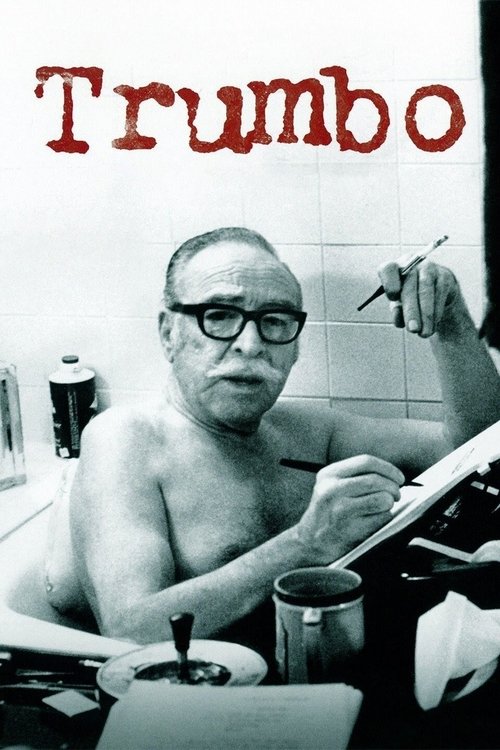
Through a focus on the life of Dalton Trumbo (1905-1976), this film examines the effects on individuals and families of a congressional pursuit of Hollywood Communists after World War II. Trumbo was one of several writers, directors, and actors who invoked the First Amendment in refusing to answer questions under oath. They were blacklisted and imprisoned. We follow Trumbo to prison, to exile in Mexico with his family, to poverty, to the public shunning of his children, to his writing under others' names, and to an eventual but incomplete vindication. Actors read his letters; his children and friends remember and comment. Archive photos, newsreels and interviews add texture. Written by
Trumbo
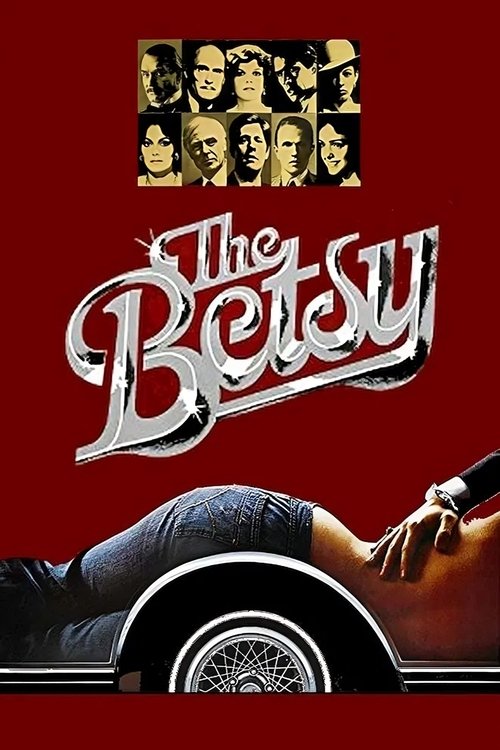
Ruthless patriarch Loren hires racecar driver Angelo to build a more efficient vehicle against the wishes of his grandson. But things get even messier when Angelo romances two women in Loren's life -- his great-granddaughter and his grandson's mistress.
The Betsy
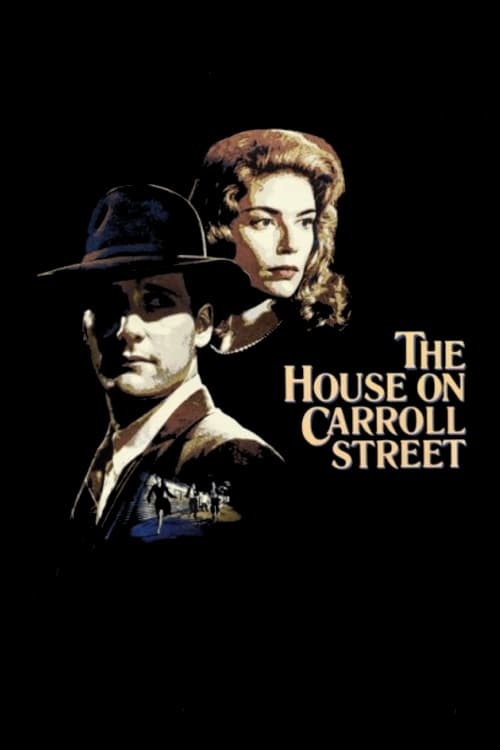
A reporter, fired after refusing to give names to a 1951 House Un-American Activities Committee, takes a part-time job as companion to an old lady. While working she overhears a noisy argument in the neighboring house, being conducted largely in German and involving her HUAC prosecutor. She begins to investigate, enlisting the help of the FBI Agent initially detailed to surveil her.
The House on Carroll Street

Schuylkill County, Pennsylvania, 1876. A secret society of Irish coal miners, bond by a sacred oath, put pressure on the greedy and ruthless company they work for by sabotaging mining facilities in the hope of improving their working conditions and the lives of their families.
The Molly Maguires
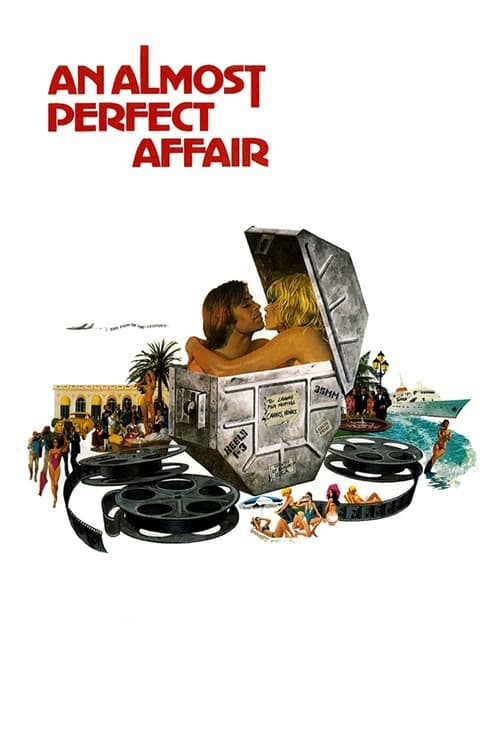
An idealistic first-time director lives for his art — until he meets a wife of an Italian producer at the Cannes Film Festival. A passionate affair begins, but the couple's romance is tested as they face the temptations of fame and fortune.
An Almost Perfect Affair
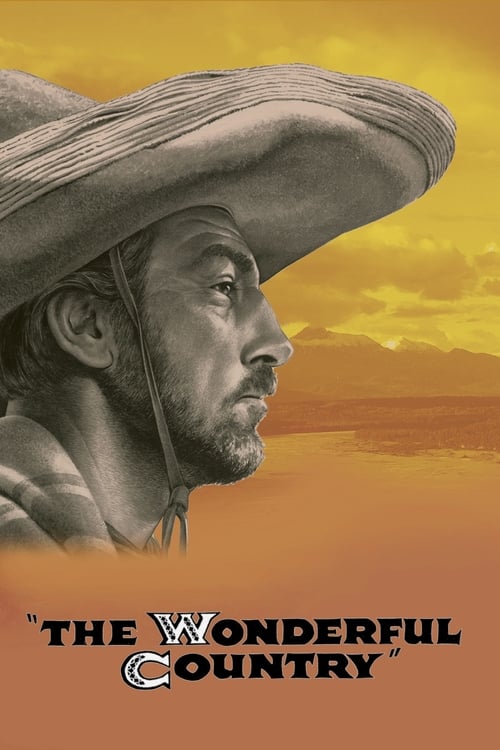
Having fled to Mexico from the U.S. many years ago for killing his father's murderer, Martin Brady travels to Texas to broker an arms deal for his Mexican boss, strongman Governor Cipriano Castro. Brady breaks a leg and while recuperating in Texas the gun shipment is stolen. Complicating matters further the wife of local army major Colton has designs on him, and the local Texas Ranger captain makes him a generous offer to come back to the states and join his outfit. After killing a man in self-defense, Brady slips back over the border and confronts Castro who is not only unhappy that Brady has lost his gun shipment but is about to join forces with Colton to battle the local raiding Apache Indians.
The Wonderful Country
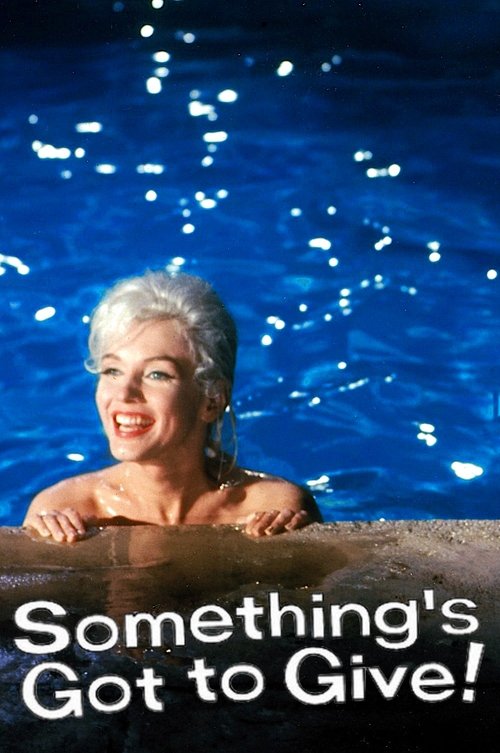
Something's Got to Give (1962) was an unfinished film starring Marilyn Monroe, Dean Martin, and Cyd Charisse, intended as a remake of My Favorite Wife. Production was plagued by Monroe's frequent absences due to illness, leading to her firing and rehiring, and the project was abandoned after her sudden death in August 1962, making it her final work.
Something's Got to Give
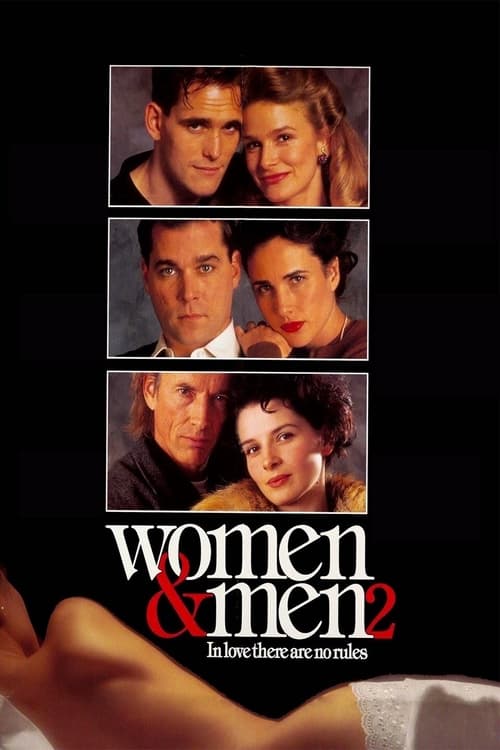
Three short stories about women & men relationship.