Acting
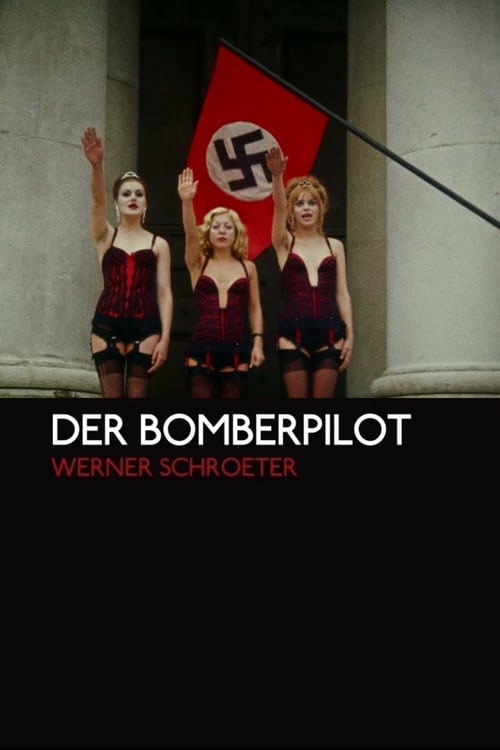
Schroeter’s film is a chronicle of Germany from the Nazi era until the economic boom of the 1950s and 1960s, centering on three women who search for a career as singers and dancers.
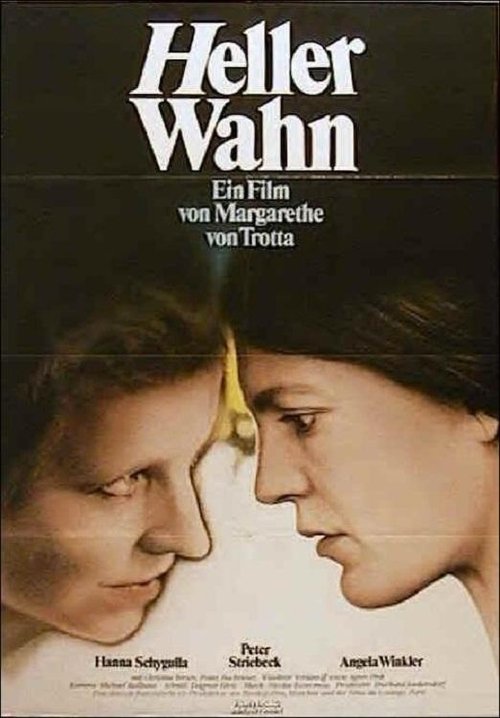
Two women–a literature professor and a painter–start to rely upon their friendship as an alternative to their unhappy relationships with the men in their lives.
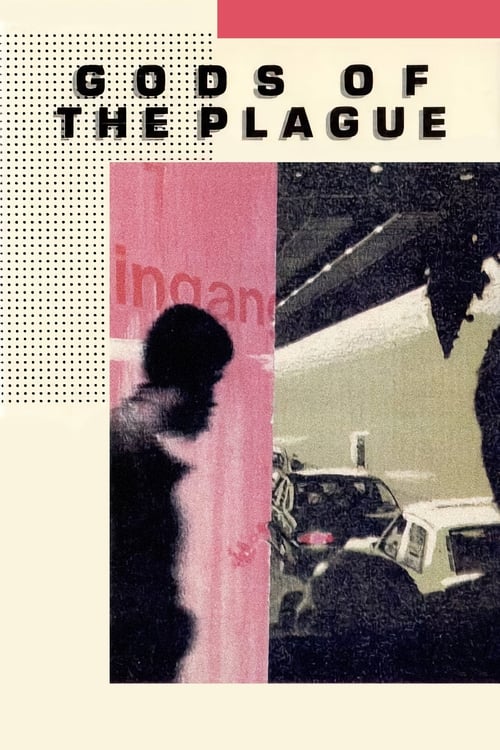
After his release from prison, ex-convict Franz Walsch finds his way back into the Munich criminal underworld. His attentions focus upon two women, Joanna and Margarethe, as well as upon Günther, his friend who earlier shot his brother.
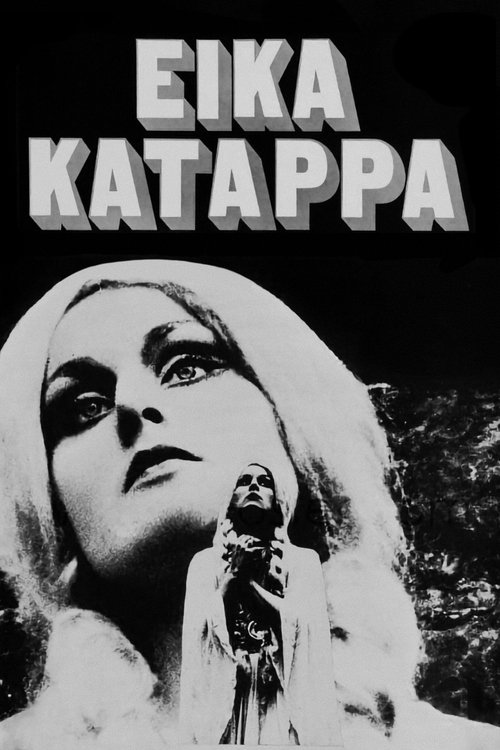
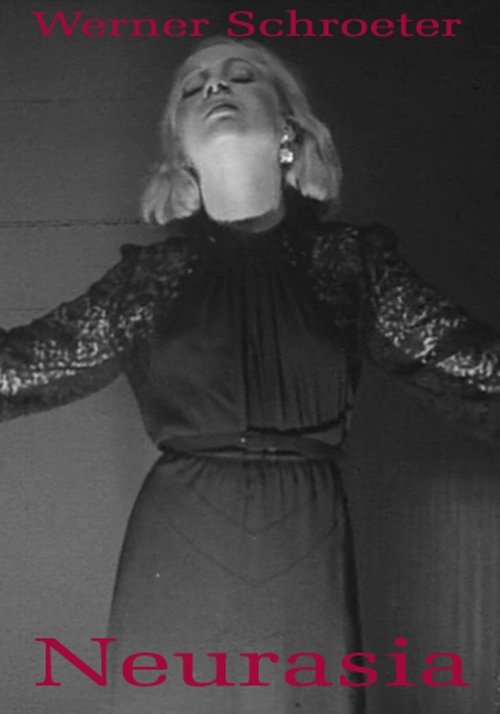
Collage of dramatic scenes, some exaggerated to comic effect, with asynchronous sound from well known classic, operatic, and rock and roll music – with different approaches to love, suffering, and death.
In a dark and spare theatrical space, four characters use gesture, language, and movement to explore themes of desire and mortality.
In this movie, director Volker Koch wants to reveal "petty-bourgeois fixations of consciousness and late capitalist myths of happiness". The protagonists: an American hustler, a drama student, a Munich waitress and her boyfriend who hope for money, a career and luck from a trip to Rome together.
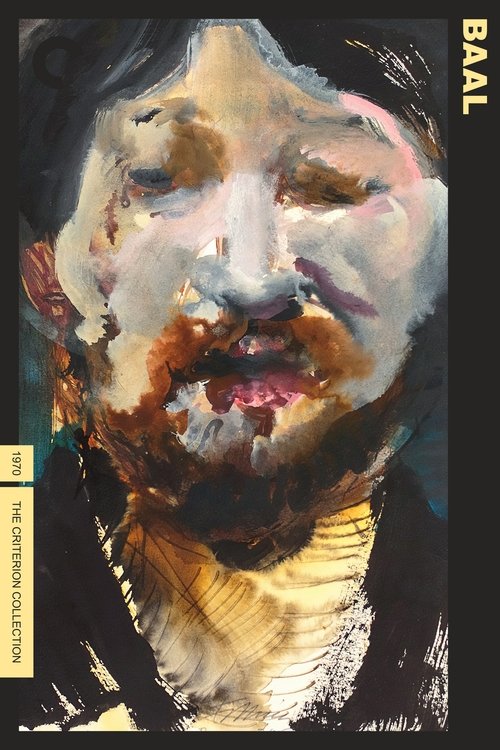
An exploration of the cult of the genius, an anti-heroic figure who chooses to be a social outcast and live on the fringe of bourgeois morality.
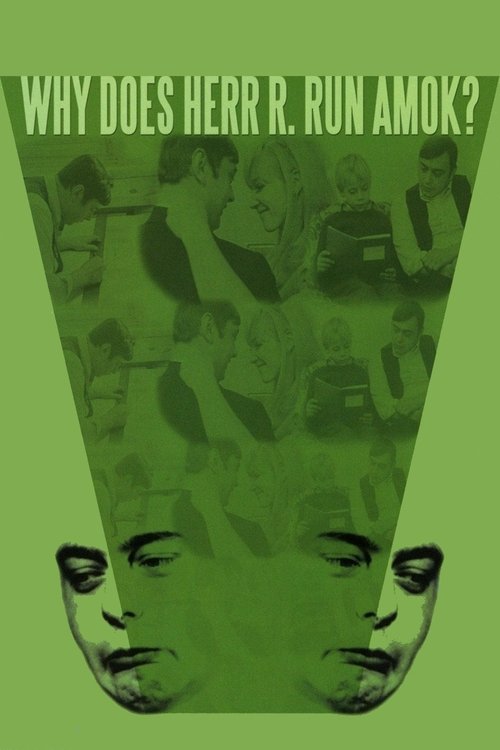
Technical draftsman Herr R. is a dependable guy. He gets along with his colleagues although his boss wants him to go beyond technical cleanliness to problem solving. He's a dutiful husband; his wife's a social climber and pressures him to seek a promotion, but they also share sweet moments. He's a caring father, helping his son with homework. His parents visit; his mother criticizes his wife. Old schoolmates drop by, as do neighbours. Some comment on his wife's expensive tastes. His promotion may be a long shot, especially after he gives a dull and tipsy toast at an office dinner. But why would Herr R. run amok?
No description available.
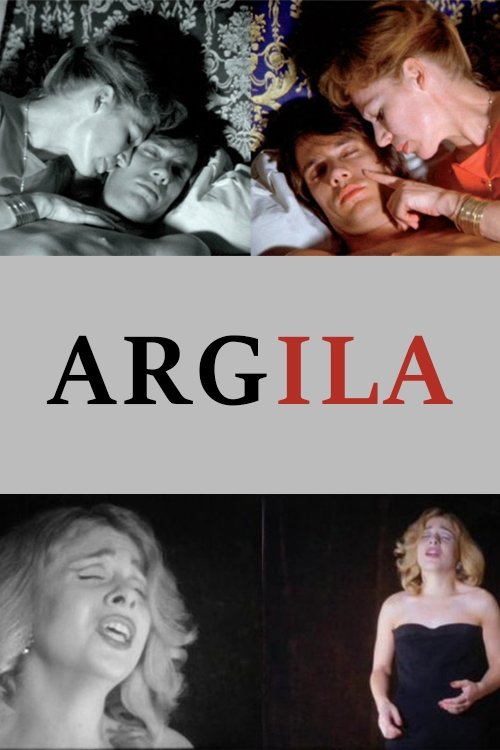
Werner Schroeter's stunning split-screen short deals with what the director called "archaic, fundamental themes" of love and mourning.
Carla is a different form of homage, in which Carla Aulaulu sings a song by Gitta Linds.
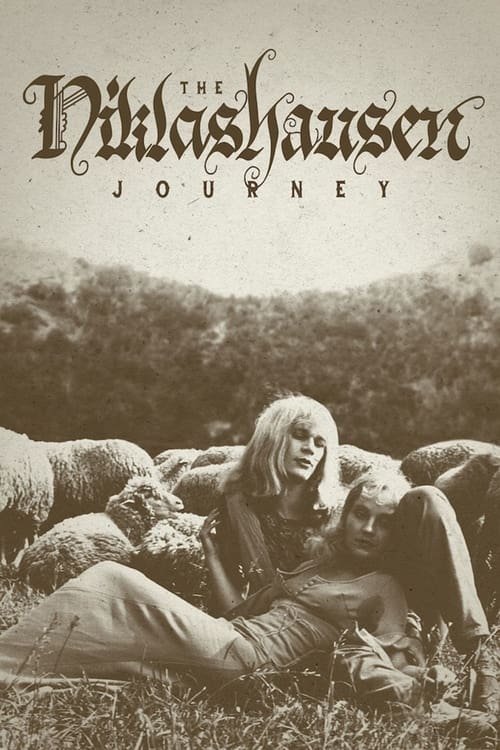
Can a small group of people start a proletarian revolution, asks the "Black Monk" in a leather jacket? The medieval shepherd, Hans Boehm, claims to have been called by the Virgin Mary to create a revolt against the church and the landowners. The "Black Monk" suggests that he would have more success if he dressed up Johanna and had her appear as the Virgin Mary.
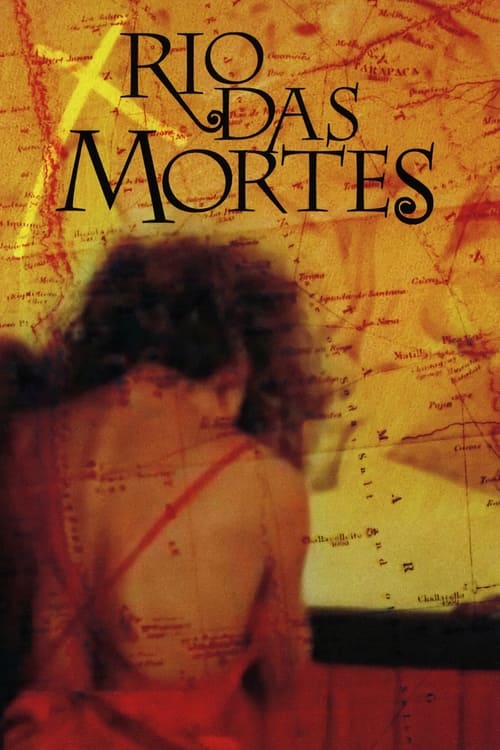
Michel and Guenther, working in dead-end jobs, are obsessed with going to Peru to find buried treasure, using a map of the Rio das Mortes. Michel's girlfriend, Hanna, humors their plan, but really just wants to get married.
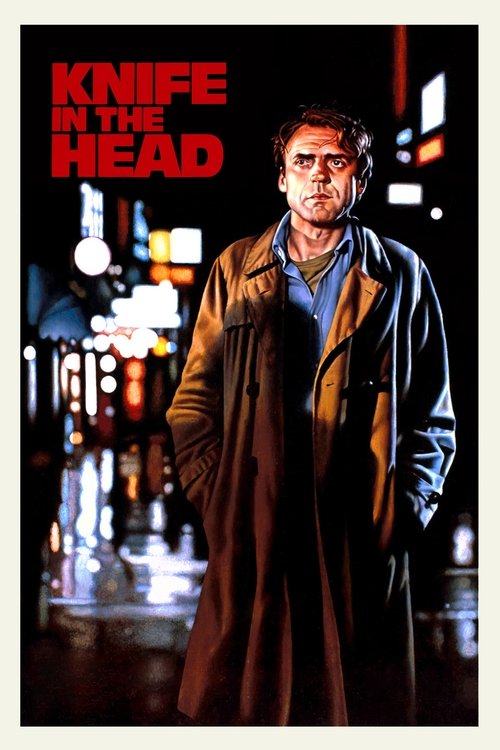
One night when seeking his estranged wife, Hoffmann goes to the youth center where she works. The police are there rounding up radicals who frequent the center - Hoffmann runs into the building and ends up being shot in the head. He awakens with brain trauma, partially paralyzed and unable to speak. The police accuse him of stabbing an officer; the radicals herald him as an innocent victim of police brutality. During his slow recovery at the hospital, Hoffmann must piece together his life and struggle to remember the events of that night.
Early Rosa von Praunheim short film. Originally intended to be the ending of "Die Bettwurst".
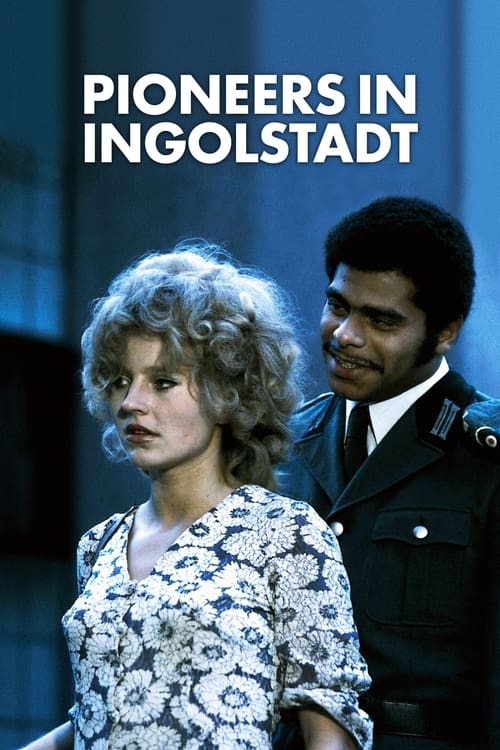
Berta, a naive young maid, searches for love when the army engineers come to town to build a bridge.
Feminist short film set in West Berlin. A militant group of homosexuals who campaign for women's liberation. Dietmar, who reenacts the oppression and helplessness of women, can only express his protest in one sentence: I don't want to be the Easter Bunny, even though I am sensitive and need affection.
Documentary drama about the Swiss journalist Otto Pünter, who maintained an anti-fascist information office in the 1930s and 1940s.