Production
No description available.
Annual awarding of the Grimme Awards.
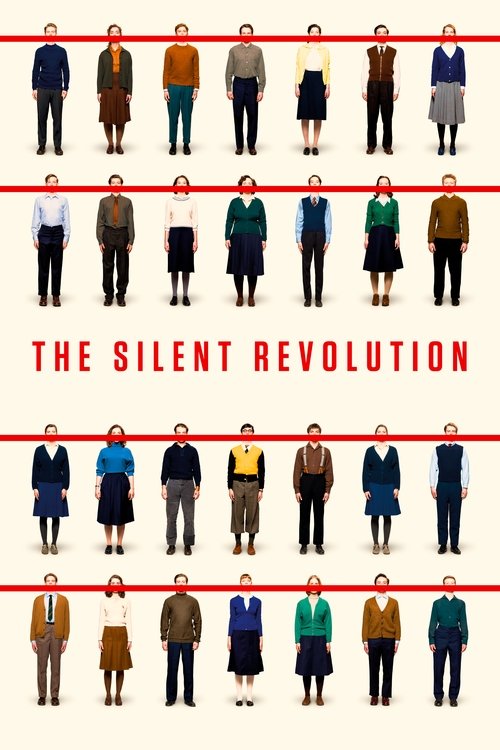
In 1956 Stalinstadt, East Germany, during the Hungarian uprising against Soviets is taking place, local teenagers perform a seemingly harmless act that causes unexpected consequences.
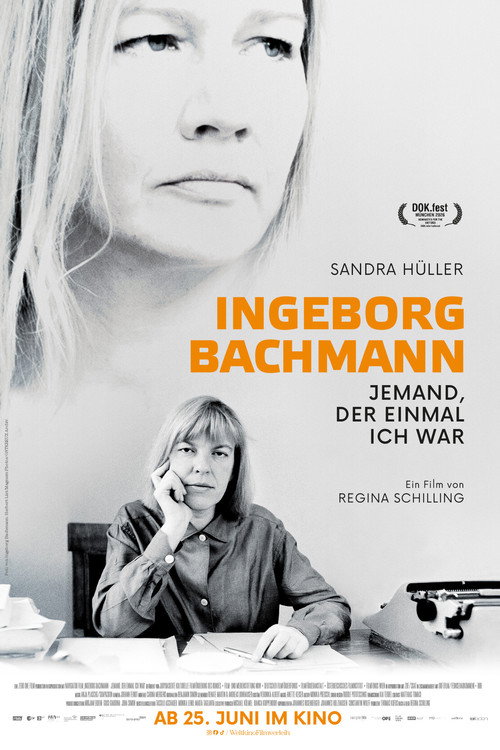
Sandra Hüller portrays Ingeborg Bachmann on an imaginary day in Rome. Regina Schilling’s hybrid film weaves together reenactments, archival footage, and Bachmann’s own writings into a portrait that offers a refreshing new perspective on the author and positions her writings as a reference point in current debates on gender relations and power.
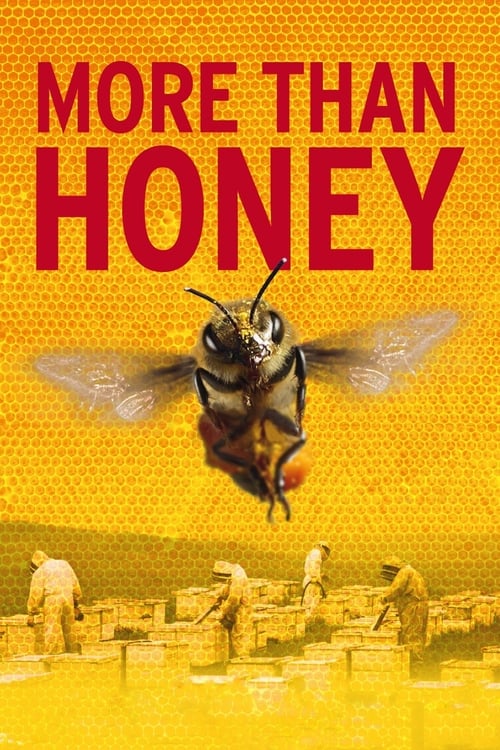
With dazzling nature photography, Academy Award®–nominated director Markus Imhoof (The Boat Is Full) takes a global examination of endangered honeybees — spanning California, Switzerland, China and Australia — more ambitious than any previous work on the topic.
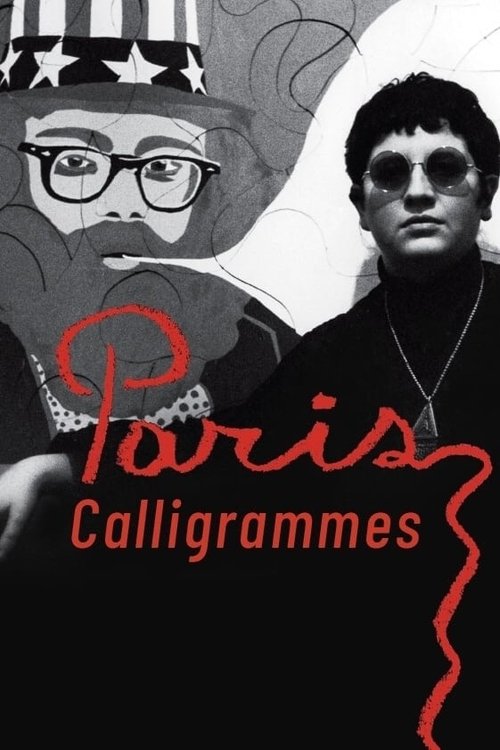
Ulrike Ottinger weaves her personal memories of Parisian bohemianism and the serious social, political and cultural upheavals of the time into a cinematic “figure poem.”
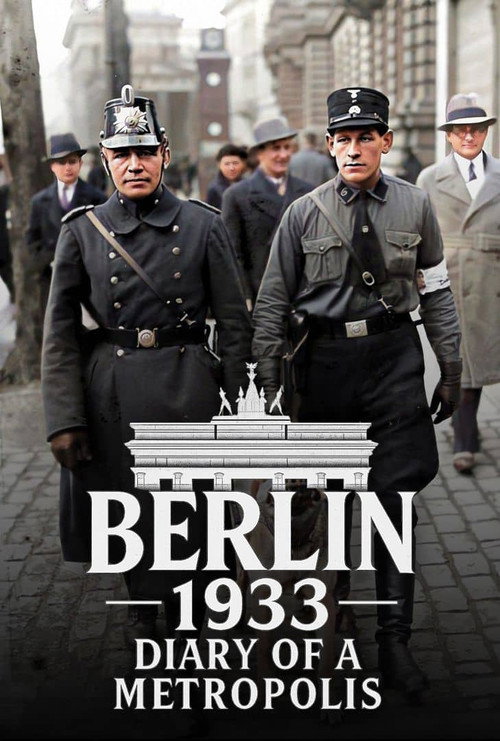
Berlin 1933 – Diary Of A Metropolis tells the story of how Berlin, the vibrant hub of modernity, became Germany's staunch capital city in step with the Third Reich. Contemporary journals, letters and documents, photographs and film material, form a dense collage of the dynamics of this collectively organised disaster.
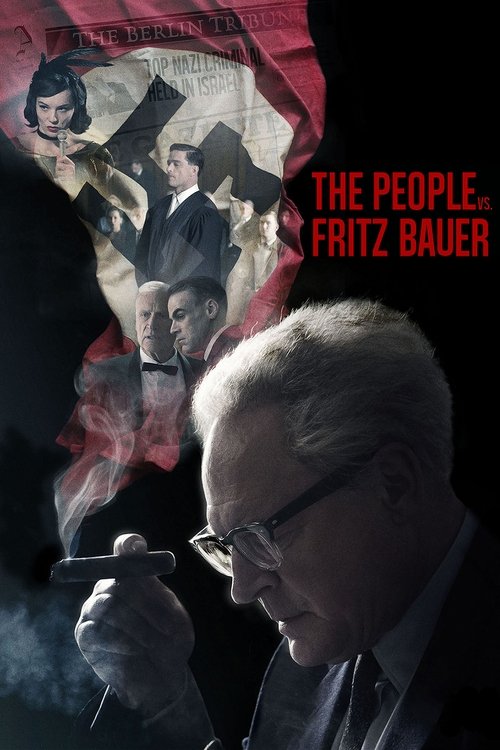
It is the late 1950s. Flourishing under the economic miracle, Germany grows increasingly apathetic about confronting the horrors of its recent past. Nevertheless, Fritz Bauer doggedly devotes his energies to bringing the Third Reich to justice. One day Bauer receives a letter from Argentina, written by a man who is certain that his daughter is dating the son of Adolph Eichmann. Excited by the promising lead, and mistrustful of a corrupt judiciary system where Nazis still lurk, Bauer journeys to Jerusalem to seek alliance with Mossad, the Israeli secret service. To do so is treason — yet committing treason is the only way Bauer can serve his country.
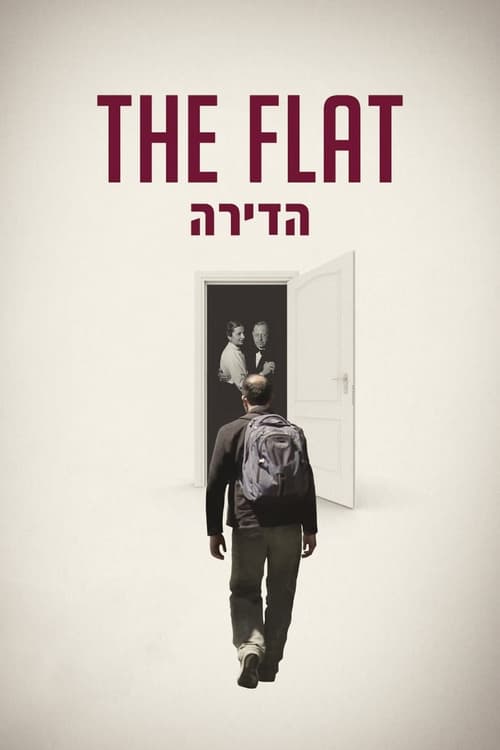
The flat on the third floor of a Bauhaus building in Tel Aviv was where my grandparents lived since they immigrated to Palestine in the 1930s. Were it not for the view from the windows, one might have thought that the flat was in Berlin. When my grandmother passed away at the age of 98 we were called to the flat to clear out what was left. Objects, pictures, letters and documents awaited us, revealing traces of a troubled and unknown past. The film begins with the emptying out of a flat and develops into a riveting adventure, involving unexpected national interests, a friendship that crosses enemy lines, and deeply repressed family emotions. And even reveals some secrets that should have probably remained untold...
1919. World War I has just ended. Dörte Helm, a young art student in Weimar, follows Walter Gropius’ call and joins the newly-founded Bauhaus school. A love story grows between Gropius and Dörte, adding fuel to the fire of the ensuing scandal threatening the very existence of the Bauhaus; the school of art that would go on to shape the 20th century like no other…
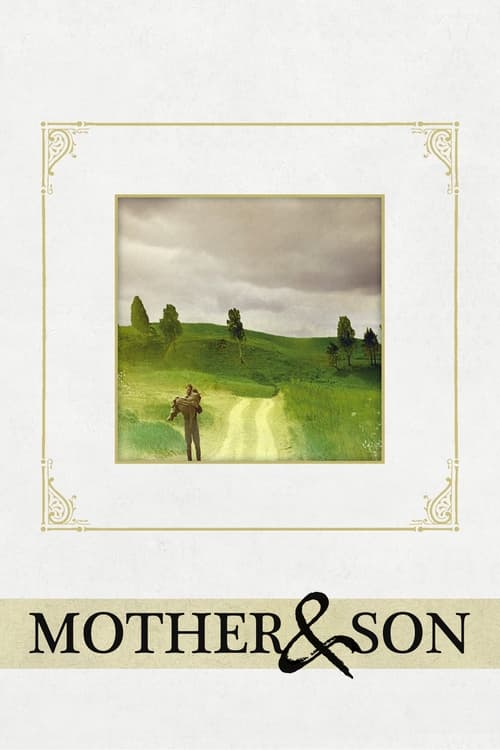
A man goes for a walk through the countryside with his dying mother.
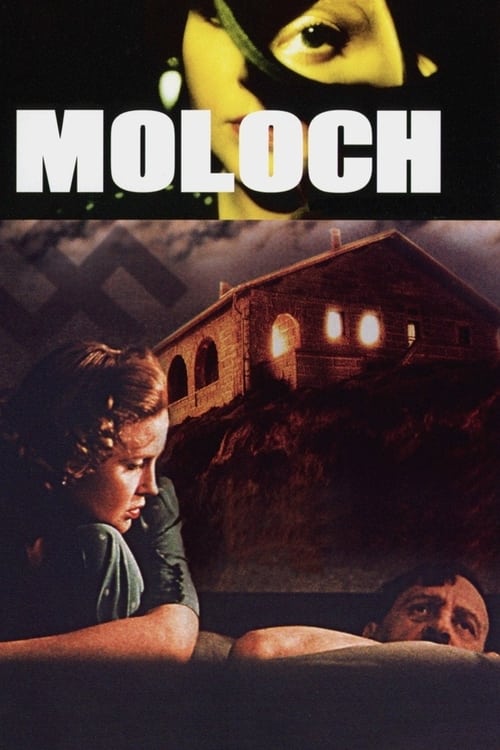
In 1942 Bavaria, Eva is alone, when Adolf arrives with Josef, his wife Magda, and Martin to spend a couple of days without politics.
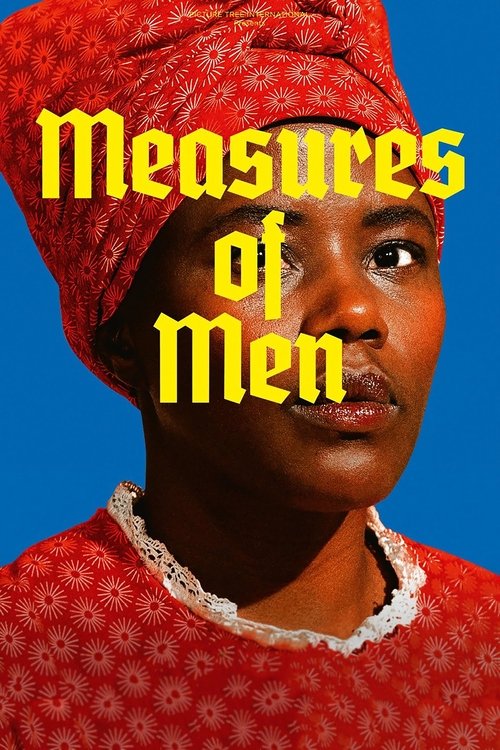
Berlin at the end of the 19th Century. Alexander Hoffmann is an ambitious PhD student of Ethnology. When a delegation of the Herero and Nama tribes travels to Berlin during a ‘Colonial Exhibition’, he takes a special interest in their young female translator Kezia Kambazembi as subject for his studies.
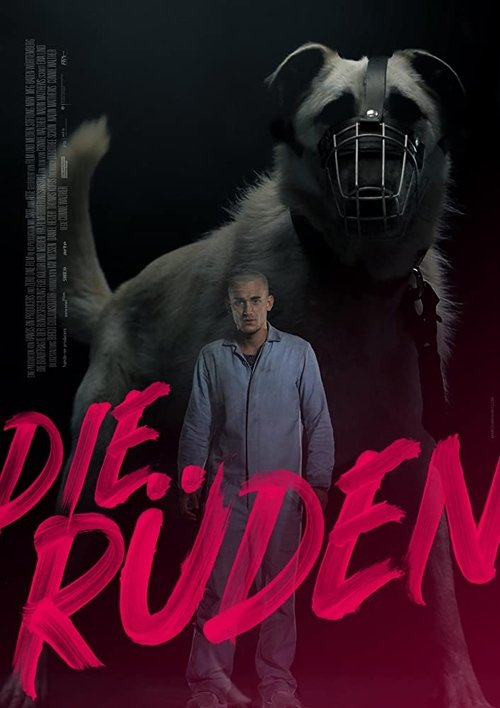
Four convicted violent criminals, three highly aggressive dogs and a woman who is ready to fight against the cycle of violence and rigid institutions. But above all against her own doubts about redemption from evil.
Together with African small farmholders Tony Rinaudo, an Australian agronomist, has been fighting against the spread of the desert for 30 years and challenges ideas of conventional reforestation with his simple yet effective method.
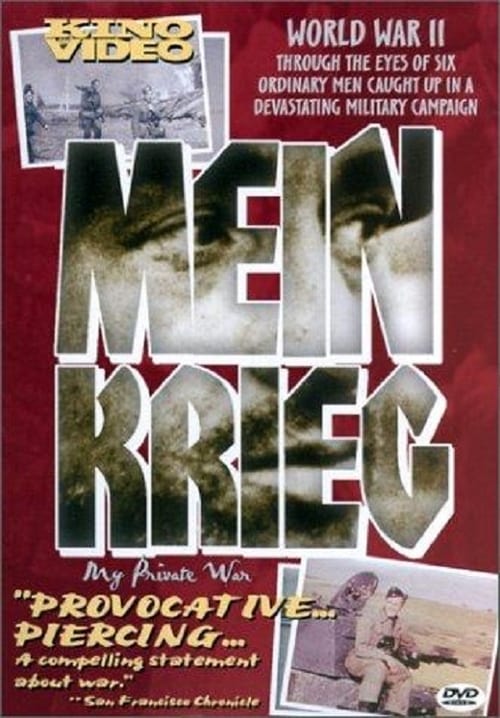
Late in the 1980s, two documentary film makers found six German men, all in their 60s and 70s, who had been soldiers in the German invasion of the USSR in 1942. Each carried an 8mm camera into battle and they still had their film. "Mein Kreig" alternates between interviews with these older men, now apologetic, philosophical, or defiant about their participation, and the footage they shot. It's chronological: basic training, the train trip East, roof-top vistas of war-torn Warsaw, peasants in Belarus, the downing with carbine volleys of a Russian plane, winter, a holiday at the Black Sea, mud, impassable roads, death, destruction and retreat. "Home, that was the front," one says.
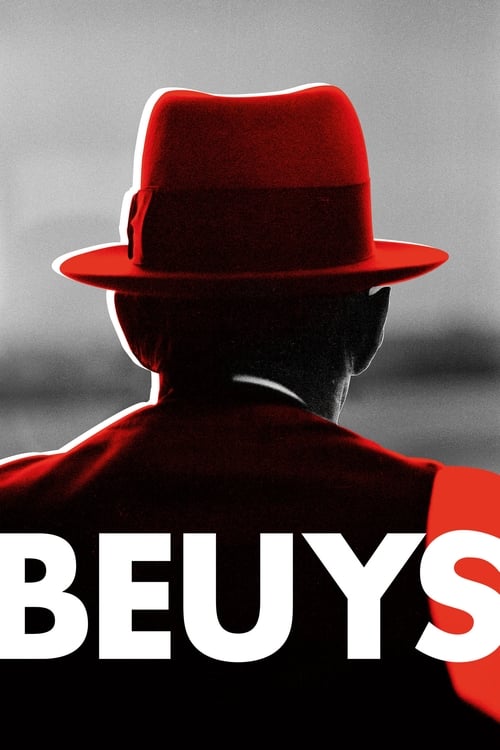
A documentary about the 20th century German sculptor and performance artist Joseph Beuys.