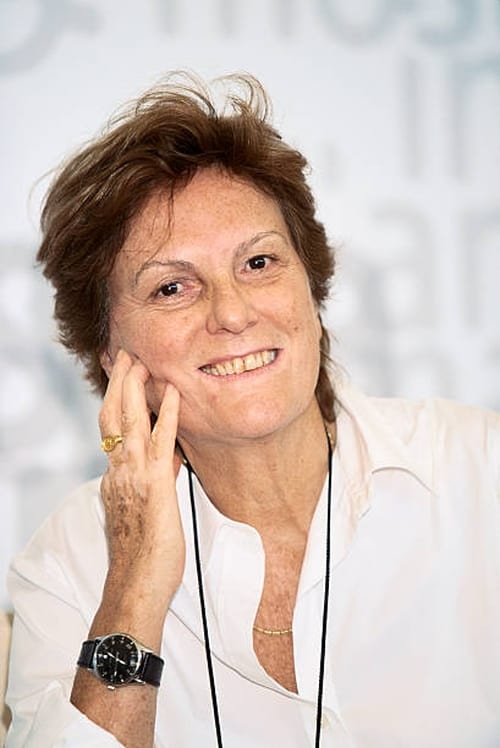
Liliana Cavani
Directing
Biography
Liliana Cavani (born 12 January 1933) is an Italian film director and screenwriter. Cavani became internationally known after the success of her 1974 feature film Il portiere di notte (The Night Porter). Her films have historical concerns. In addition to feature films and documentaries, she has also directed opera. Description above from the Wikipedia article Liliana Cavani, licensed under CC-BY-SA, full list of contributors on Wikipedia.
Known For
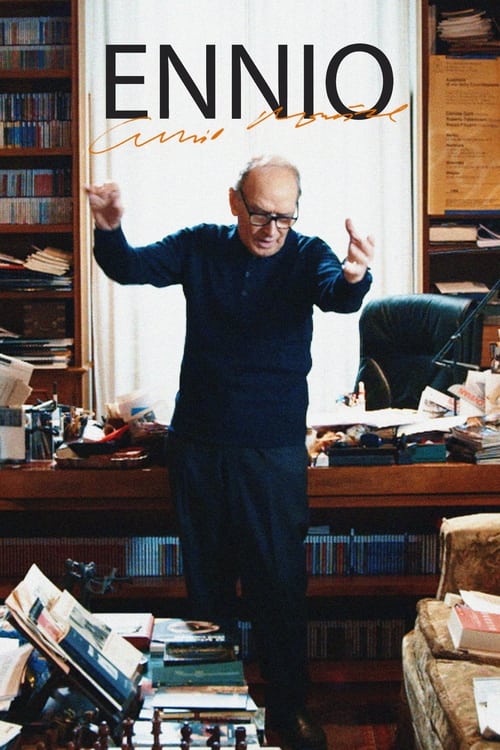
A portrait of Ennio Morricone, the most popular and prolific film composer of the 20th century, the one most loved by the international public, a two-time Oscar winner and the author of over five hundred unforgettable scores.
Ennio
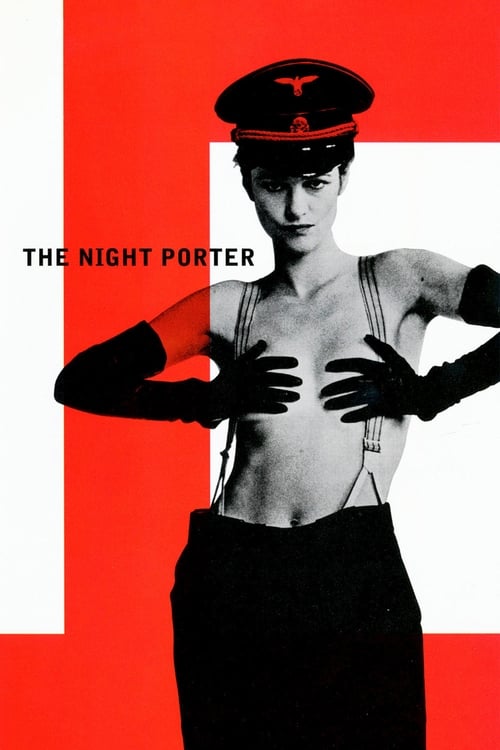
A concentration camp survivor discovers her former torturer and lover working as a porter at a hotel in postwar Vienna. When the couple attempt to re-create their sadomasochistic relationship, his former SS comrades begin to stalk them.
The Night Porter
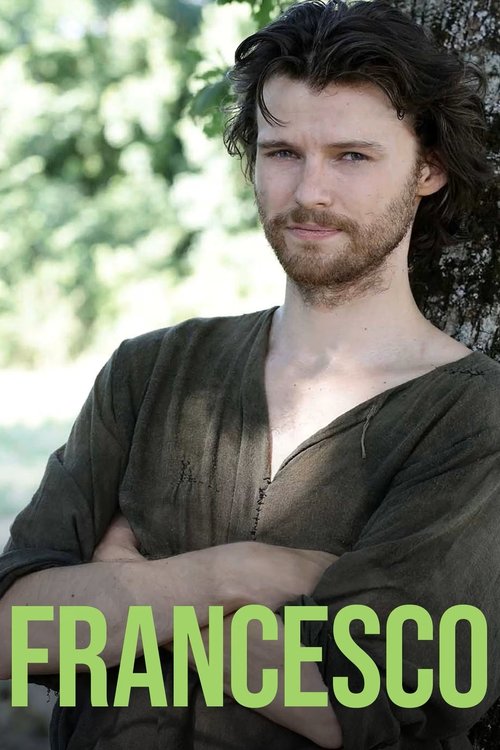
No description available.
Francesco

Tom Ripley - cool, urbane, wealthy, and murderous - lives in a villa in the Veneto with Luisa, his harpsichord-playing girlfriend. A former business associate from Berlin's underworld pays a call asking Ripley's help in killing a rival. Ripley - ever a student of human nature - initiates a game to turn a mild and innocent local picture framer into a hit man. The artisan, Jonathan Trevanny, who's dying of cancer, has a wife, young son, and little to leave them. If Ripley draws Jonathan into the game, can Ripley maintain control? Does it stop at one killing? What if Ripley develops a conscience?
Ripley's Game
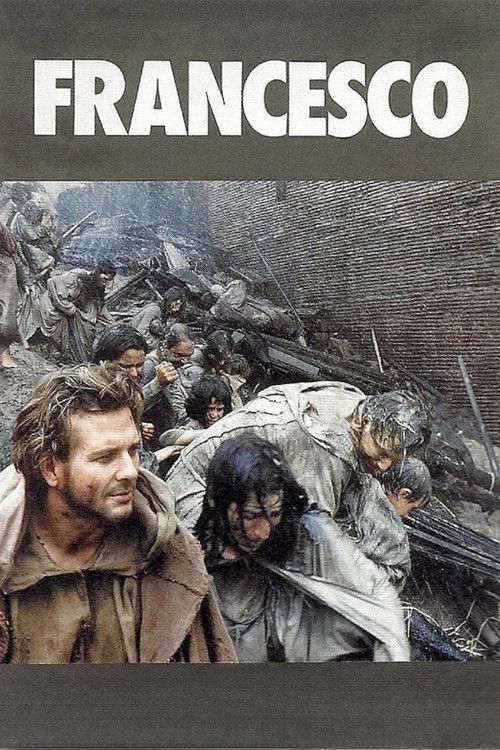
The life of St. Francis of Assisi (1181-1226) as related by followers who gather after his death to tell stories so that Leone can record them: a privileged and virile youth, a prisoner of war, an heir who turns away from his father and gives all to the poor, a beggar for others, and an inspiration to friends who accept the Gospels' life of poverty.
Francesco
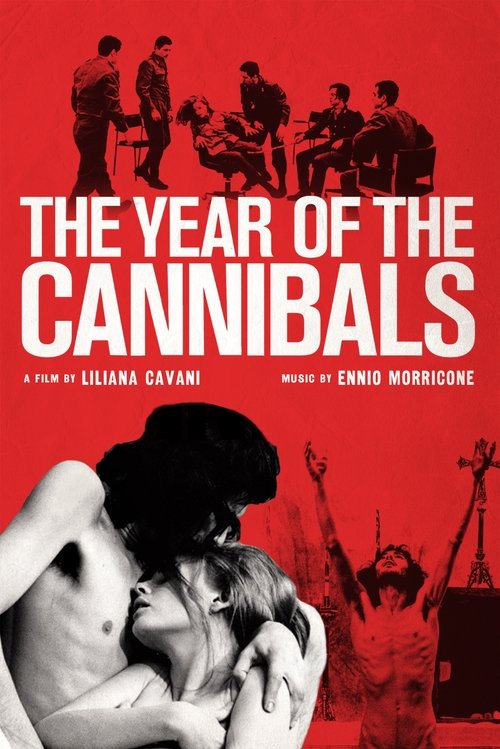
On the streets of a damp metropolis lie the corpses of hundreds and hundreds of boys and girls. No one can give them a resting place because of a law enacted by a repressive State. But the young Antigone, with the help of a foreigner, Tiresias, violates this rule in the name of pietas, undermining the established order.
The Year of the Cannibals

What begins as an innocent art class becomes a steamy triangle of erotic passions and forbidden love. A beautiful Japanese girl becomes the object of obsession in a devious relationship between the wife of a German diplomat and her husband.
The Berlin Affair
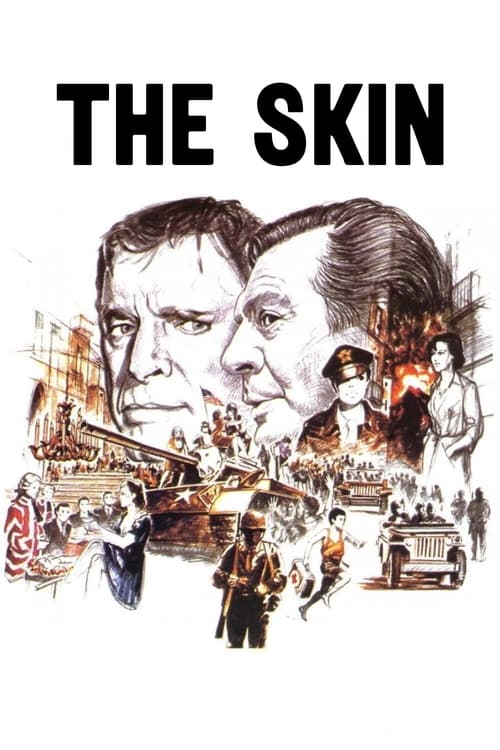
Based on the memoirs of author Curzio Malaparte, diplomatic liaison between the Allied and Italian forces after the defeat of the Nazis in Italy, The Skin follows the collapse of Italian society under the US occupation and the desperate measures required for survival.
The Skin
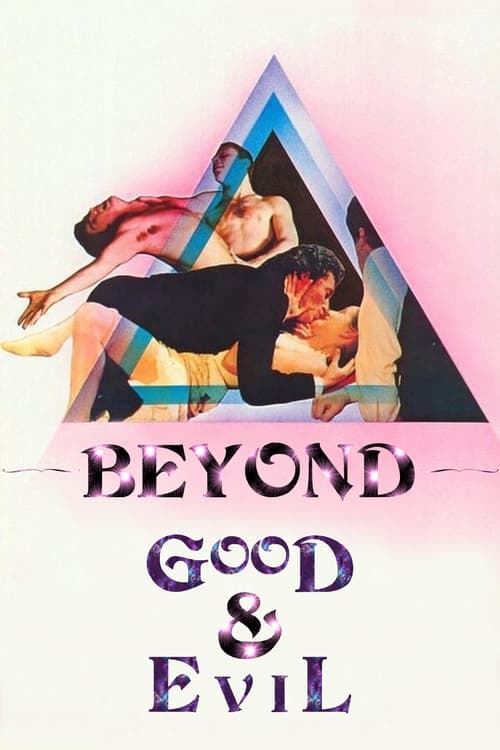
The German philosopher Friedrich Nietzsche and his Jewish companion Paul Ree meet a beautiful young Russian intellectual and draw her into a ménage-à-trois.
Beyond Good and Evil
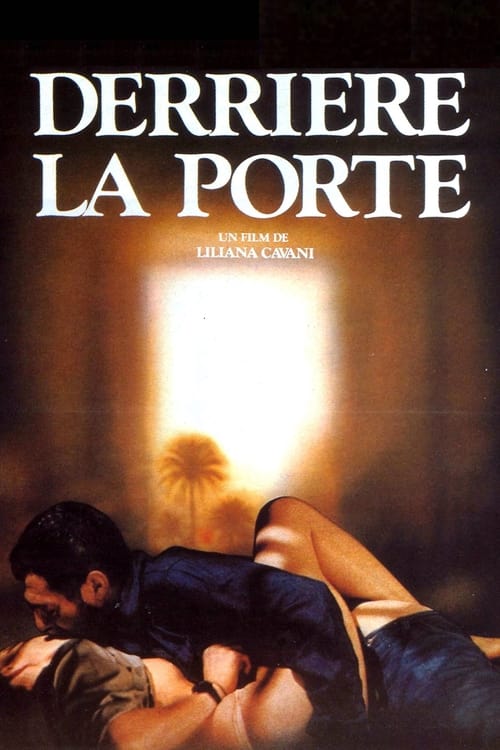
A young woman trapped in a web of dark family secrets finds herself in a dangerous triangle of love, jealousy, and deception, where the truth hides in her past.
Beyond the Door
Liliana Cavani, before becoming an established filmmaker in Italy and in the world, was a young and brilliant documentary filmmaker in Ettore Bernabei's Rai. Just graduated from the Centro sperimentale di cinematografia, in just five years, from 1961 to 1966, Cavani produced over ten memorable programs, ranging from the editing documentary on the great history of the twentieth century to the investigation into the social, economic and cultural transformations of our country. A little-known image journey with a very high documentary and artistic value that reaches up to the TV film on Francesco d'Assisi, the first of his trilogy on the saint is the trait d'union between her documentary career and the debut of her cinematographic career.
La TV di Liliana Cavani

Features conversations with ten of the world's greatest living directors: Bernardo Bertolucci, David Lynch, Liliana Cavani, Stephen Frears, Agnes Varda, Ken Loach, Todd Haynes, Catherine Breillat, Richard Linklater and John Sayles. The film documents Ismailos' voyage of discovering the creative personalities behind the camera.
Great Directors
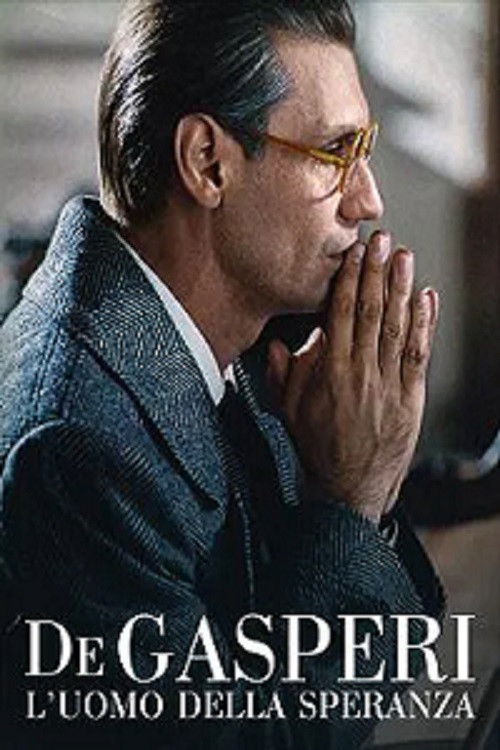
In August 1954, Alcide De Gasperi, now at the end of his personal and political career, left the Christian Democrats' headquarters in Rome and visited his daughter, Lucia, a nun. He revealed to her that he had definitively retired from active politics and was leaving for Sella for a period of rest, necessary for his precarious health. Upon arriving in Sella, where he was reunited with his family, the statesman and his grandson Giorgio went for a walk in the mountains, and there, prompted by the boy's questions, he began to recount his life story, an often painful journey down memory lane.
De Gasperi: The Man of Hope
No description available.
Never for Love
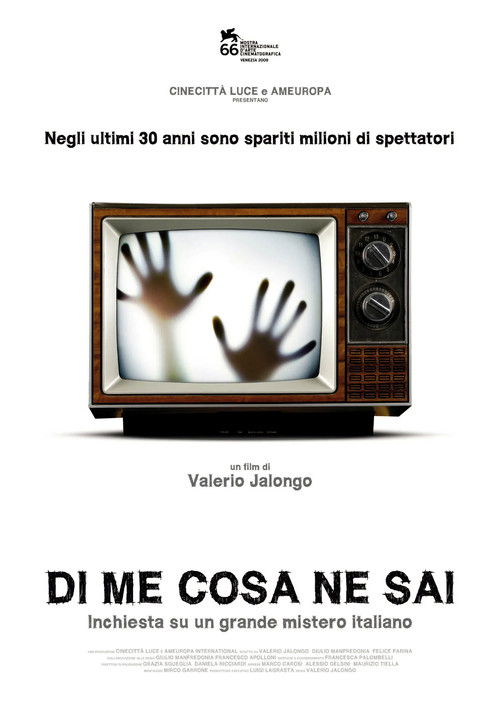
Until the 1970s, Italian cinema dominated the international scene, even competing with Hollywood. Then, in just a few years, came its rapid decline, the flight of our greatest producers, a crisis among the best writer-directors, the collapse of production. But what are the true causes and circumstances of this decline? In an attempt to provide an answer to this question, Di Me Cosa Ne Sai strives to depict this great cultural change. Begun as a loving examination of Italian cinema, the film transformed into a docu-drama that alternates between interviews with the great names of the past and fragments of cultural and political life of the last 30 years. It is a travel diary that shows Italy from north to south, through movie theatres; television-addicted kids; Berlusconi and Fellini; shopping centers; TV news editors; stories of impassioned film exhibitors and directors who fight for their films; and interviews with itinerant projectionists and great European directors.
What Do You Know About Me
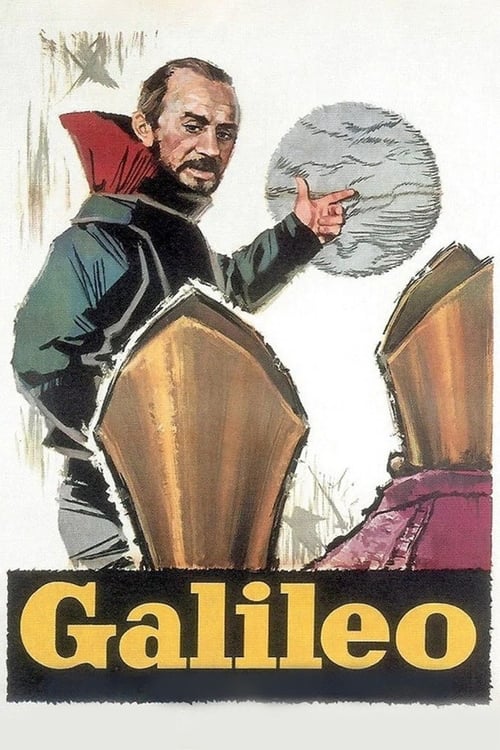
A humble scientist from Padua proves that the Earth revolves and that it is not the center of the universe.
Galileo
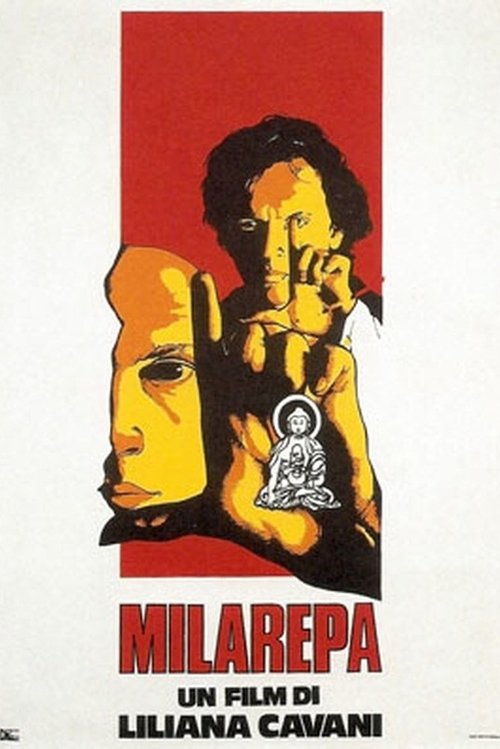
After a car accident, a professor, trapped and awaiting help, hears a student recount the life of Milarepa. The tale unfolds in three parts: dark vengeance, spiritual discipline, and ultimate transcendence, reflecting a journey of inner transformation.
Milarepa
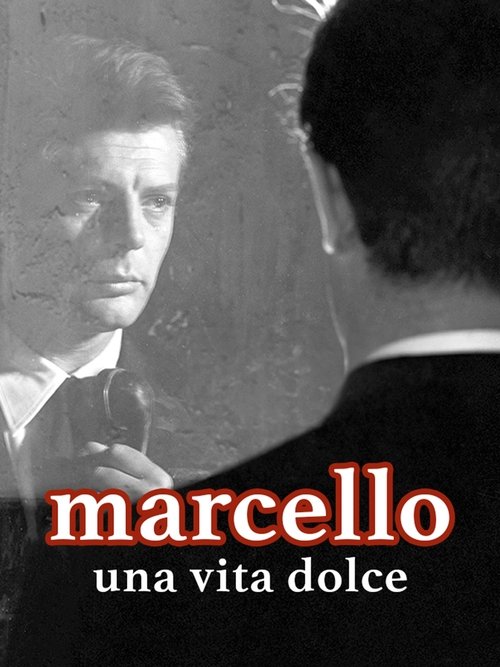
After shooting to fame with Federico Fellini’s “La Dolce Vita” (1960), actor Marcello Mastroianni (1924-1996) starred in more than 160 films in his nearly half-a-century career. Directors Mario Canale and Annarosa Morri look into the melancholic charm of one of the most famous Italian actors through interviews with his two daughters, Barbara and Chiara; directors Fellini and Luchino Visconti; actresses Claudia Cardinale and Anouk Aimee; and in archival footage of Mastroianni himself. The subject matter ranges from Mastroianni’s passion for kidney-bean pasta and his addiction to the telephone to his famous laziness, humility and talent. Shown in black-and-white, Mastroianni — elegantly holding a cigarette in between his fingers — is undeniably the dandy.
Marcello, una vita dolce
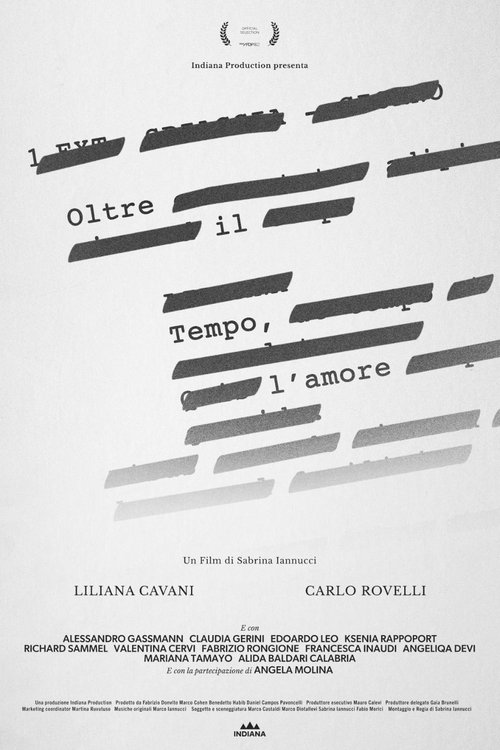
The encounter between physics and cinema and the terribly topical subject of the end of the world turned the set of Liliana Cavani's The order of time into a kind of Noah's Ark, where cast and crew isolated themselves for five weeks. Flooded by the climate emergency, wars, and the dystopian future, while Cavani holds the helm of the ship and Carlo Rovelli explains the end of time, the film's meteorite becomes in the documentary a metaphor for what happens in the protagonists' real lives.
Oltre il tempo, l'amore
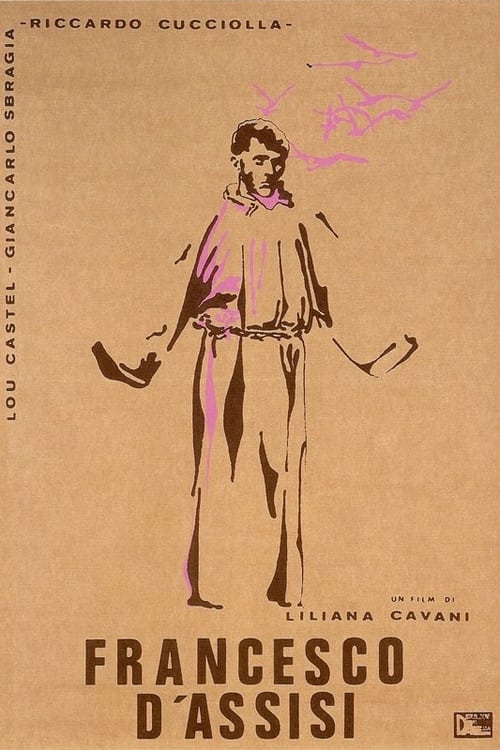
A 1966 biopic of Francis of Assisi presents him as a troubled rebel and champion of radical brotherhood, reflecting the spirit of 1968 student protests. Praised and condemned, the film sparked controversy for its bold, dissenting portrayal of faith.