FEEL IT.STREAM
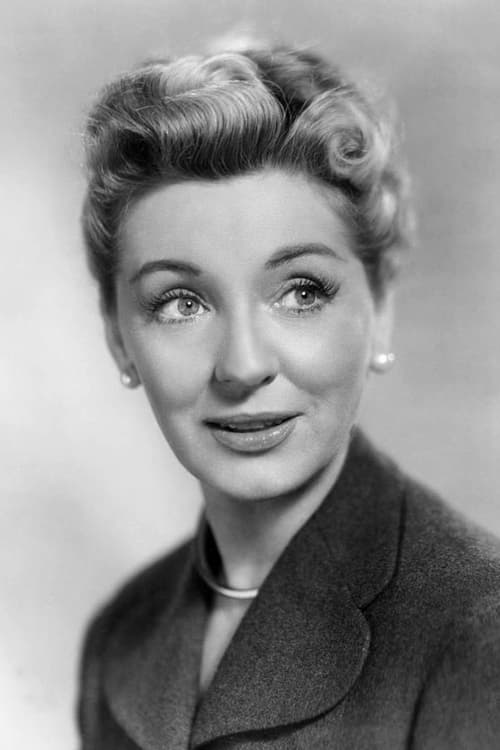
Kay Walsh

Kay Walsh

Acting

Biography

​From Wikipedia, the free encyclopedia. Kay Walsh  (born Kathleen Walsh, 15 November 1911,Chelsea, London, England; died 16 April 2005, Chelsea, London) was an English actress and dancer. She grew up in Pimlico, brought up by her grandmother. She began her career as a dancer in West End music halls. Walsh made her film debut in How's Chances? (1934) in a small part, and had a larger role in another 1934 film, Get Your Man. She continued to act in "quota quickies" films for several years. Walsh first met David Lean, then a film editor, in 1936, during the filming of Secret Of Stamboul. They began a relationship and Walsh broke off her engagement to Pownell Pellew. Walsh and Lean married on 23 November 1940. She moved on to higher-prestige films with appearances in two Noel Coward-scripted films, In Which We Serve (1942) and This Happy Breed (1944), both directed by Lean. Walsh had campaigned for Lean to receive co-director credit on In Which We Serve. Walsh contributed dialogue to the 1938 film of Pygmalion, and also devised the scenario for the closing sequence of Lean's film adaptation of Great Expectations (1946), for which she received a writing credit on the latter film. She also devised the opening sequence of Lean's adaptation of Oliver Twist (1948), as well as performing the role of Nancy. Walsh and Lean divorced in 1949, on grounds of infidelity based on Lean's relationship with Ann Todd. Walsh continued to work as a character actress in films through the 1950s, including films with Alfred Hitchcock and Ronald Neame. Her own favourite film role was that of the barmaid Miss D. Coker in Neame's 1958 film of The Horse's Mouth, with Alec Guinness. Between films, she appeared regularly in plays and farces at the Strand and Aldwych Theatres, directed by Basil Dean. She was a semi-regular on the 1979 Anglo-Polish TV series Sherlock Holmes and Dr. Watson. She remained active in films until her retirement in 1981, after the film Night Crossing. Walsh later lived in retirement in London. She died at the Chelsea and Westminster Hospital from multiple burns, following an accident, aged 93. Her second marriage was to the Canadian psychologist Elliott Jaques, and they adopted a daughter, Gemma, in 1956. This marriage also ended in divorce. Description above from the Wikipedia article Kay Walsh, licensed under CC-BY-SA, full list of contributors on Wikipedia
Known For

Alfred Hitchcock Presents
7.8

A television anthology series hosted by Alfred Hitchcock featuring dramas, thrillers, and mysteries.

Alfred Hitchcock Presents

1955
Gideon's Way
7.0

Gideon's Way is a British television crime series made by ITC Entertainment in 1964/65, based on the novels by John Creasey. The series was made at Elstree in twin production with The Saint TV series. It starred Liverpudlian John Gregson in the title role as Commander George Gideon of Scotland Yard, with Alexander Davion as his assistant, Detective Chief Inspector David Keen, Reginald Jessup as Det. Superintendent LeMaitre, Ian Rossiter as Detective Chief Superintendent Joe Bell and Basil Dignam as Commissioner Scott-Marle. The show did not acknowledge any help from Scotland Yard, any other police force or advisor. Daphne Anderson starred as his wife, Kate with Giles Watling as young son, Malcolm, Richard James as older son, Matthew who seemed to have a lot of new girlfriends and Andrea Allan as daughter, Pru. Unusually for police stories, Gideon was shown as a family man at home though urgent phone calls from his bosses tend to disrupt family plans too often. However, he did admit in "State Visit" that his wife had walked out on him for a while years ago when he put the job first and her second. They live in an expensive detached house in Chelsea.

Gideon's Way

1965
ABC Stage 67
6.8

ABC Stage 67 is the umbrella title for a series of 26 weekly shows that included dramas, variety shows, documentaries, and original musicals. It premiered on American Broadcasting Company on September 14, 1966 with Murray Schisgal's The Love Song of Barney Kempinksi, directed by Stanley Prager and starring Alan Arkin as a man enjoying the sights and sounds of New York City in his last remaining hours of bachelorhood. Arkin was nominated for an Emmy Award for Outstanding Single Performance By An Actor in a Leading Role in a Drama and the program was nominated as Outstanding Dramatic Program. Future programs included appearances by Petula Clark, Bobby Darin, Sir Laurence Olivier, Albert Finney, Peter Sellers, David Frost, and Jack Paar. ABC's effort to bring culture to the masses was a noble but unsuccessful experiment. Scheduled first against I Spy on Wednesdays and then The Dean Martin Show on Thursdays, the show consistently received low ratings. Its last production, an adaptation of Jean Cocteau's one-woman play The Human Voice starring Ingrid Bergman, aired on May 4, 1967. "Stage 67" was not actually a part of the primary ABC facilities in Los Angeles. It was produced at the old Monogram Studios backlot that was later sold to KCET.

ABC Stage 67

1966
The Wonderful World of Disney
7.9

Walt Disney Productions has produced an anthology television series under several different titles since 1954. The original version of the series premiered on ABC, Wednesday night, October 27, 1954. The show, which was hosted by Walt Disney until his death and then from 1996 to 2002 by then-CEO Michael Eisner (with one-off hosts or no hosts during other periods) has since aired continually as either a weekly program or an irregular series of specials on several networks and streaming services, most recently on ABC and Disney+. The show is the second longest showing prime-time program on American television, behind its rival, Hallmark Hall of Fame. However, Hallmark Hall of Fame was a weekly program only during its first five seasons, while Disney remained a weekly program for more than forty years.

The Wonderful World of Disney

1954
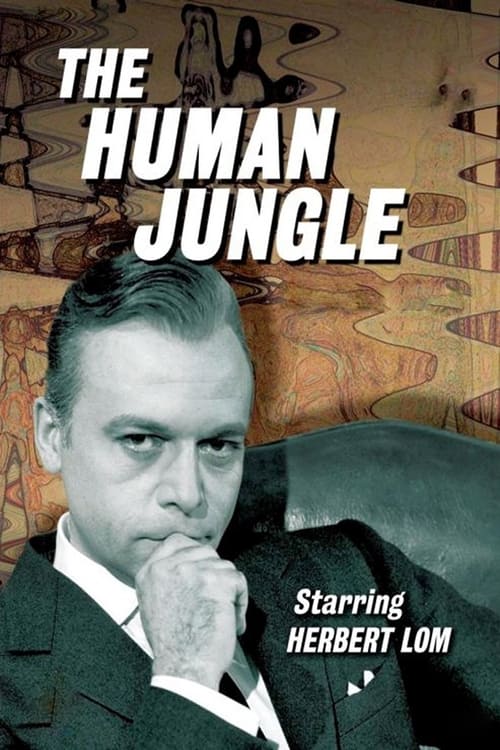
The Human Jungle
8.2

The Human Jungle is a British TV series about a psychiatrist, made for ABC Television by the small production company Independent Artists for transmission on ITV. Starring Herbert Lom, it ran for two series which were first transmitted during 1963 and 1965.

The Human Jungle

1963
The World of Hammer
6.7

The World of Hammer is a thirteen-part British documentary series created and written by Robert and Ashley Sidaway for Channel 4. Initially broadcast from 12 August to 4 November 1994, the series is narrated by English actor and frequent Hammer collaborator Oliver Reed.

The World of Hammer

1994
Journey to the Unknown
7.0

A British television anthology series with a fantasy, science fiction and supernatural theme, similar to the American television series The Twilight Zone, and deals with normal people whose everyday situations somehow become extraordinary.

Journey to the Unknown

1968
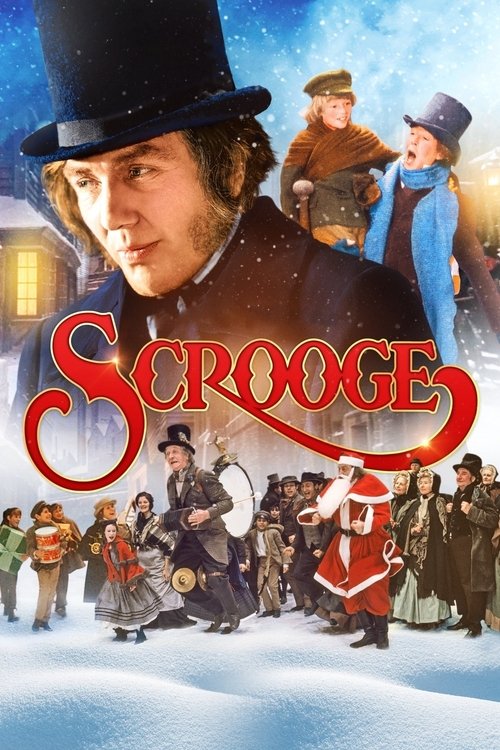
Scrooge
6.8

A musical adaptation of Charles Dickens' classic ghost tale starring Albert Finney.

Scrooge

1970
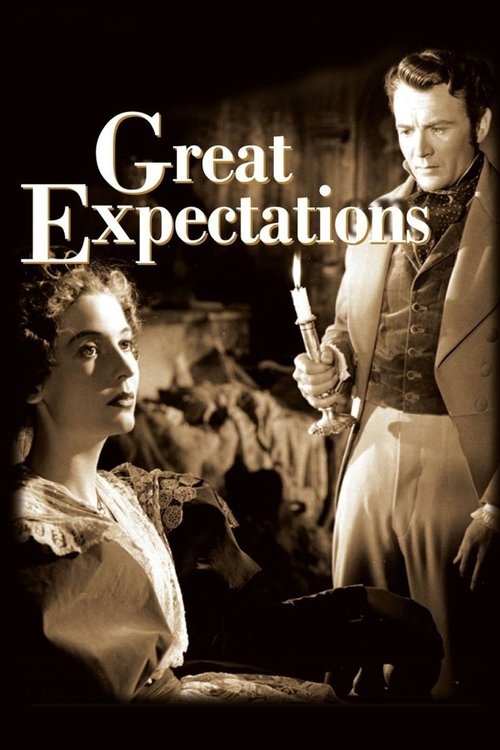
Great Expectations
7.3

In this Dickens adaptation, orphan Pip discovers through lawyer Mr. Jaggers that a mysterious benefactor wishes to ensure that he becomes a gentleman. Reunited with his childhood patron, Miss Havisham, and his first love, the beautiful but emotionally cold Estella, he discovers that the elderly spinster has gone mad from having been left at the altar as a young woman, and has made her charge into a warped, unfeeling heartbreaker.

Great Expectations

1946
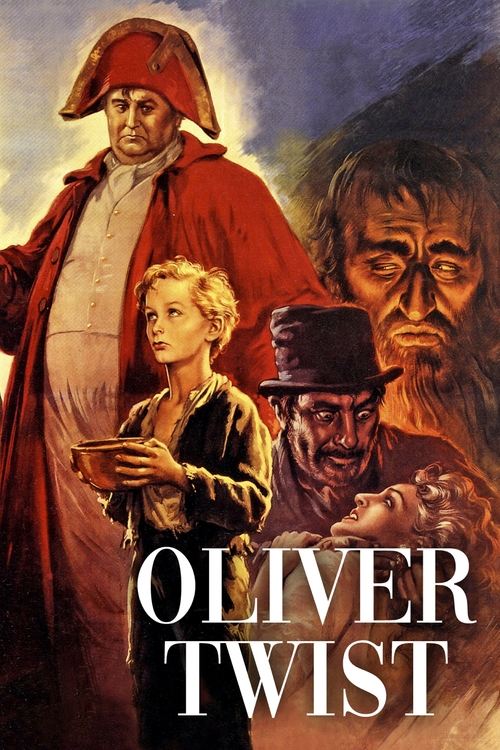
Oliver Twist
7.6

When 9-year-old orphan Oliver Twist dares to ask his cruel taskmaster, Mr. Bumble, for a second serving of gruel, he's hired out as an apprentice. Escaping that dismal fate, young Oliver falls in with the street urchin known as the Artful Dodger and his criminal mentor, Fagin. When kindly Mr. Brownlow takes Oliver in, Fagin's evil henchman Bill Sikes plots to kidnap the boy.

Oliver Twist

1948
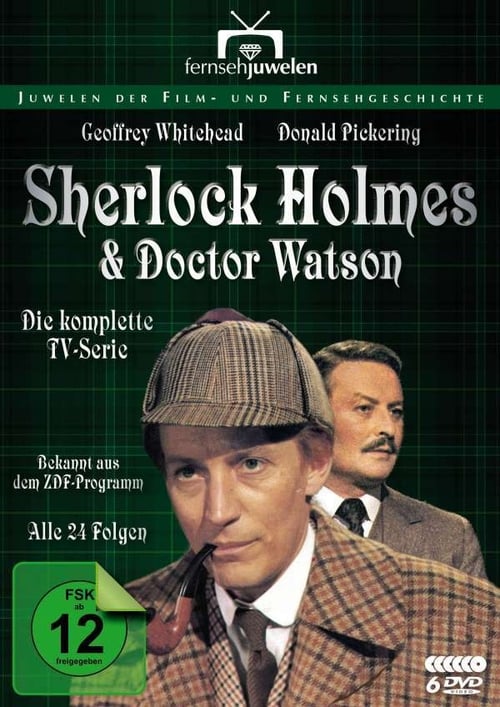
Sherlock Holmes and Dr. Watson
6.7

Shot in Polish-British co-production series of short stories based on themes of Sir Arthur Conan Doyle - "father" of the world's most famous detective: Sherlock Holmes.

Sherlock Holmes and Dr. Watson

1979
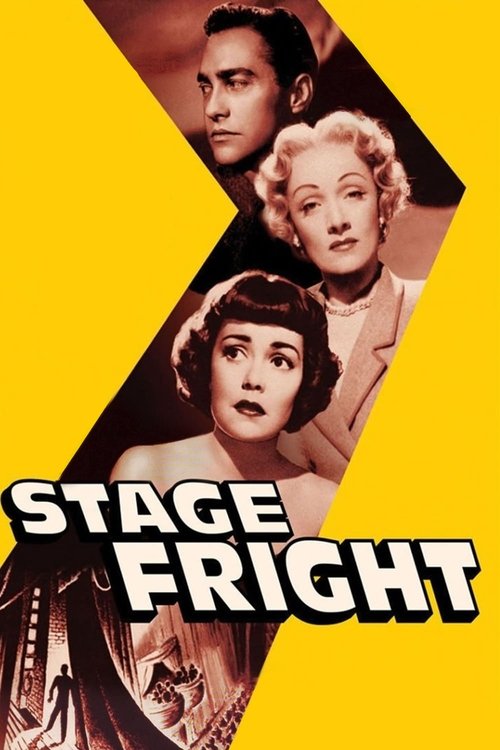
Stage Fright
6.8

A struggling actress tries to help a friend prove his innocence when he's accused of murdering the husband of a high-society entertainer.

Stage Fright

1950
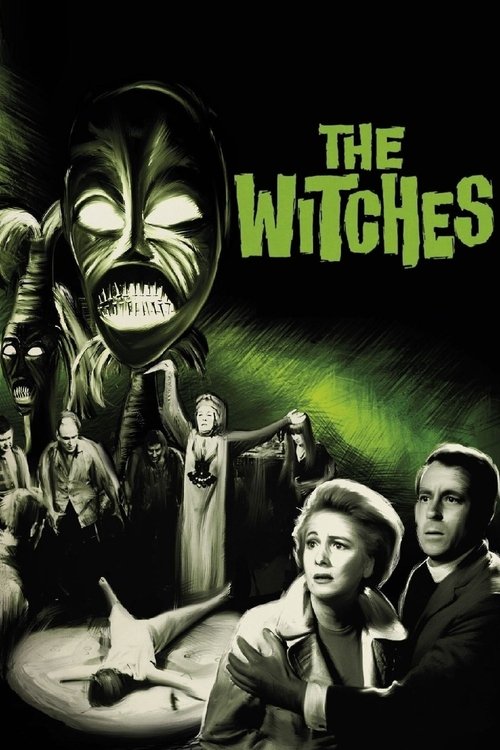
The Witches
6.0

Following a nervous breakdown, Gwen takes up the job of head teacher in the small village of Haddaby. There she can benefit from the tranquillity and peace, enabling her to recover fully. But under the facade of idyllic country life she slowly unearths the frightening reality of village life in which the inhabitants are followers of a menacing satanic cult with the power to inflict indiscriminate evil and death if crossed.

The Witches

1966
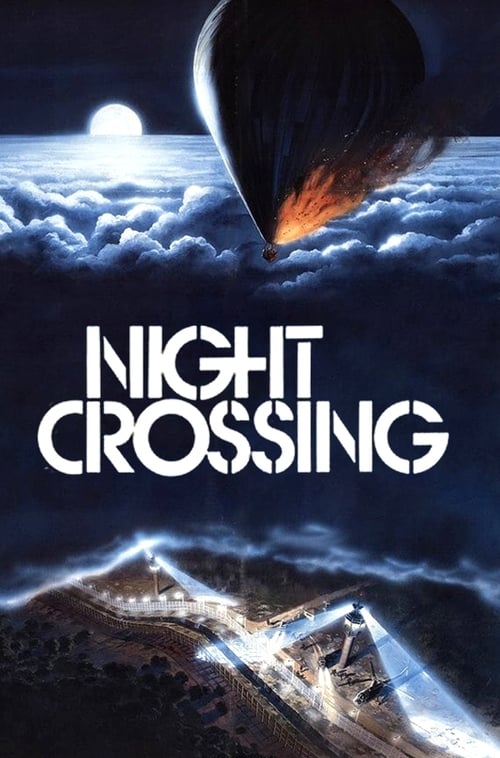
Night Crossing
6.2

Two men want to escape from East Germany (under Communist rule) but they will only go if they can take their families with them. Based on a true story.

Night Crossing

1982
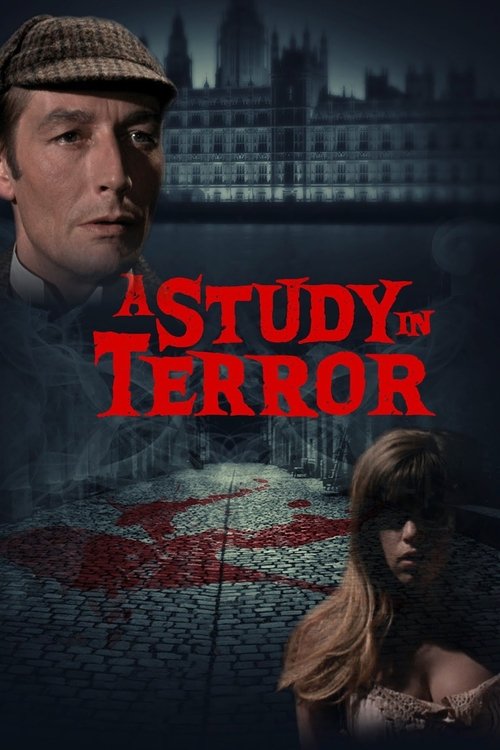
A Study in Terror
6.2

When Watson reads from the newspaper there have been two similar murders near Whitechapel in a few days, Sherlock Holmes' sharp deductive is immediately stimulated to start its merciless method of elimination after observation of every apparently meaningless detail. He guesses right the victims must be street whores, and doesn't need long to work his way trough a pawn shop, an aristocratic family's stately home, a hospital and of course the potential suspects and (even unknowing) witnesses who are the cast of the gradually unraveled story of the murderer and his motive.

A Study in Terror

1965
Last Holiday
7.2

George Bird is a salesman of agricultural machinery who finds out that he hasn't long to live. On his doctor's advice, he goes to an exclusive seaside resort to spend his savings on one last holiday.

Last Holiday

1950
In Which We Serve
6.8

The story of the HMS Torrin, from its construction to its sinking in the Mediterranean during action in World War II. The ship’s first and only commanding officer is Captain E.V. Kinross, who trains his men not only to be loyal to him and the country, but—most importantly—to themselves.

In Which We Serve

1942
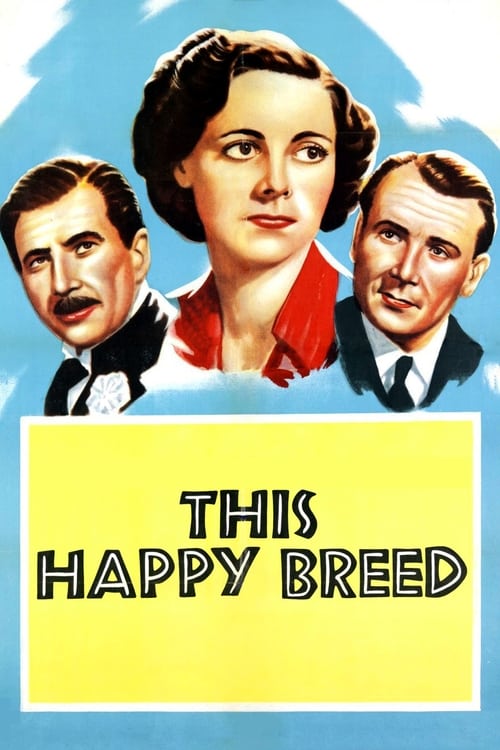
This Happy Breed
7.1

A chronicle of the lives of the Gibbons family, from shortly after the end of the First World War to the beginning of the Second.

This Happy Breed

1944
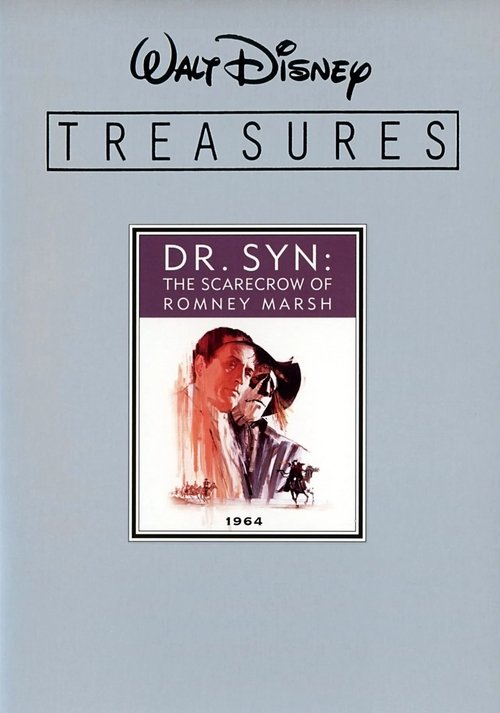
The Scarecrow of Romney Marsh
N/A

"Scarecrow! Scarecrow! The soldiers of the King feared his name!" And so begins the hard-to-forget theme song to The Scarecrow of Romney Marsh. Walt Disney's thrilling 3-part adventure was produced for his Wonderful World of Color weekly TV show and aired February 1964. Filled with action, drama and suspense, it follows the adventures of Dr. Christopher Syn - brave priest by day, righter of wrongs by night.

The Scarecrow of Romney Marsh

1964
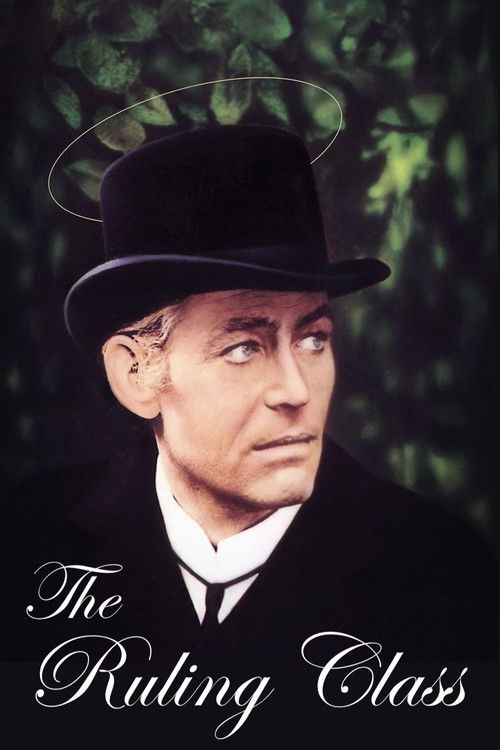
The Ruling Class
6.5

When the Earl of Gurney dies in a cross-dressing accident, his schizophrenic son, Jack, inherits the Gurney estate. Jack is not the average nobleman; he sings and dances across the estate and thinks he is Jesus reincarnated. Believing that Jack is mentally unfit to own the estate, the Gurney family plots to steal Jack's inheritance. As their outrageous schemes fail, the family strives to cure Jack of his bizarre behavior, with disastrous results.

The Ruling Class

1972