Editing
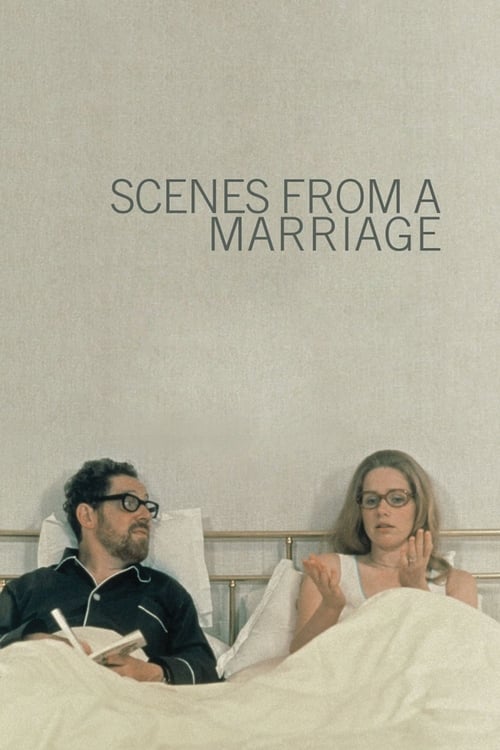
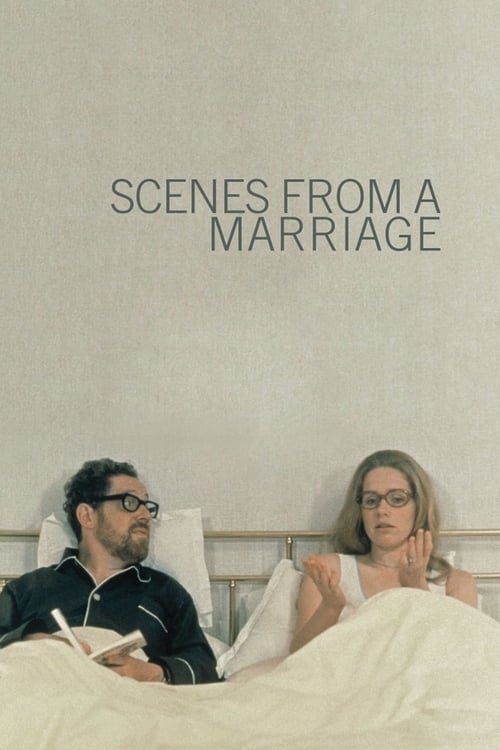
Johan and Marianne's marriage appears stable, but their relationship begins to unravel when Johan reveals an affair. Over several years, we follow their separation, divorce, and continued interactions as they form new relationships while remaining emotionally bound to one another.
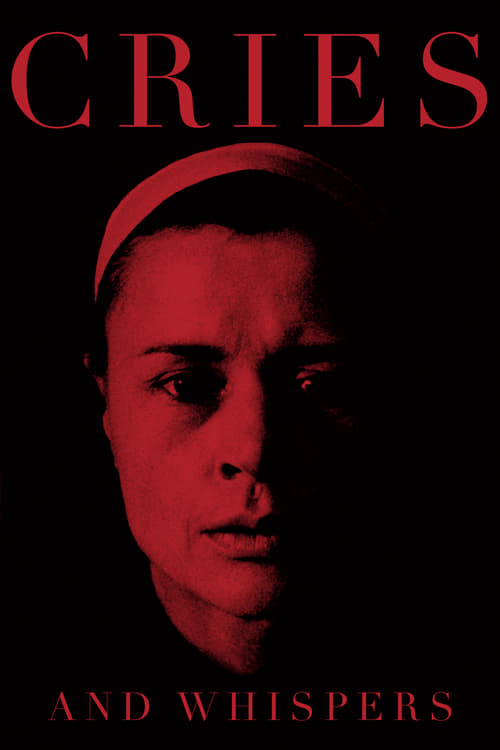
As Agnes slowly dies of cancer, her sisters are so immersed in their own psychic pains that they are unable to offer her the support she needs.
A recently divorced man and an emotionally devastated widow begin a love affair.
Johan and Marianne are married and seem to have it all. Their happiness, however, is a façade for a troubled relationship, which becomes even rockier when Johan admits that he's having an affair. Before long, the spouses separate and move towards finalizing their divorce, but they make attempts at reconciling. Even as they pursue other relationships, Johan and Marianne realize that they have a significant bond, but also many issues that hinder that connection.
For his final film, Jacques Tati takes his camera to the circus, where the director himself serves as master of ceremonies. Though it features many spectacles, including clowns, jugglers, acrobats, contortionists, and more, Parade also focuses on the spectators, making this stripped-down work a testament to the communion between audience and entertainment.
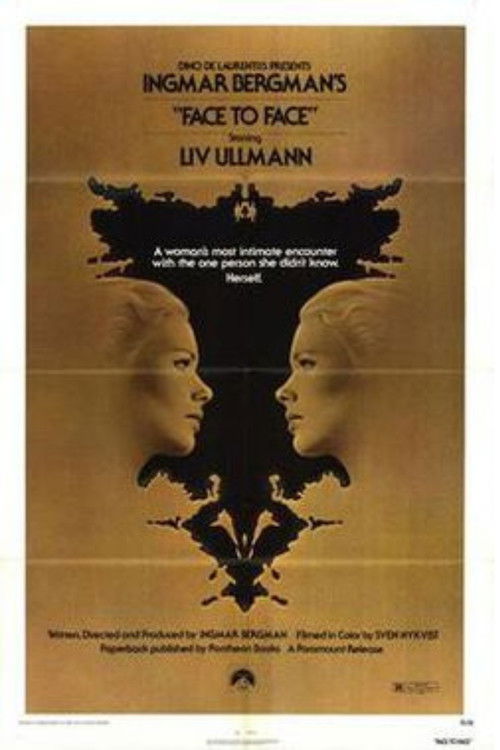
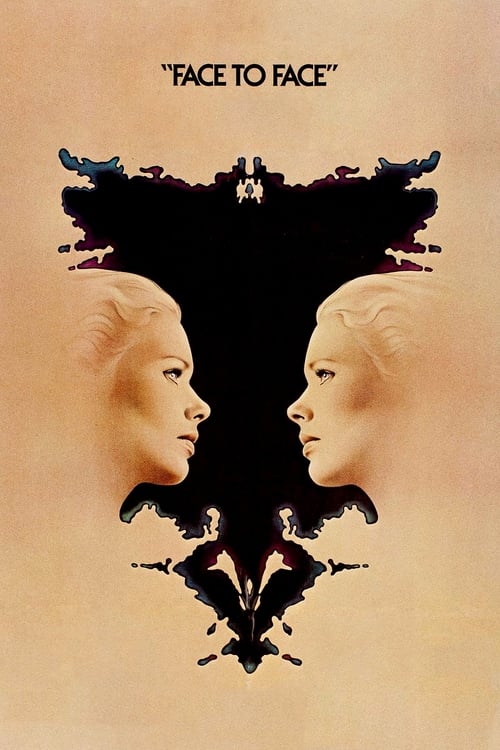
A psychiatrist temporarily separated from her family begins to experience severe psychological distress while working at a mental hospital and returning to her childhood home. As her professional responsibilities and personal relationships intersect, she undergoes a breakdown that forces her to confront long-suppressed memories and fears. (Note: This entry refers to the 1976 four-part Swedish television miniseries. A condensed theatrical feature edited from the same material was released separately in 1976.)
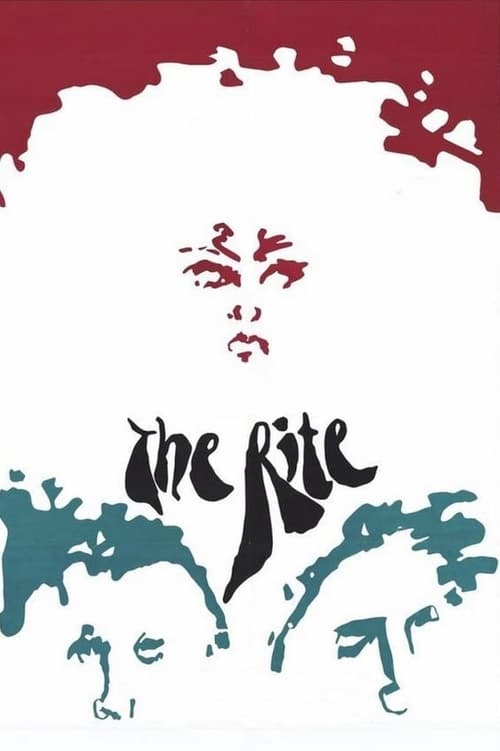
Called to court on obscenity charges, a theatre troupe are forced to expose their neuroses and inner psychological torments.
A psychiatrist temporarily separated from her family begins to experience severe psychological distress while working at a mental hospital and returning to her childhood home. As her professional responsibilities and personal relationships intersect, she undergoes a breakdown that forces her to confront long-suppressed memories and fears. (Note: This entry refers to the 1976 theatrical feature film (approximately 135 minutes), created by condensing and re-editing the four-part Swedish television miniseries originally produced the same year.)
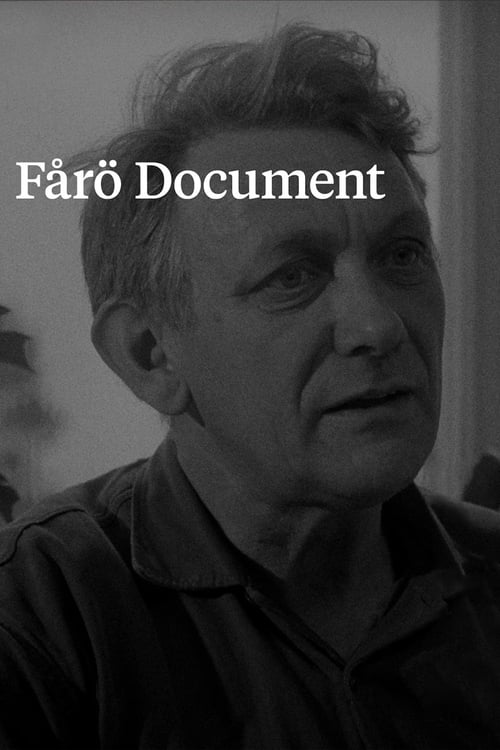
Shot on the island of Fårö, this documentary presents interviews with local inhabitants as they discuss work, family life, and the conditions of living in a sparsely populated rural community. Bergman documents generational differences and practical concerns surrounding farming, fishing, education, and migration as the island confronts social and economic change.
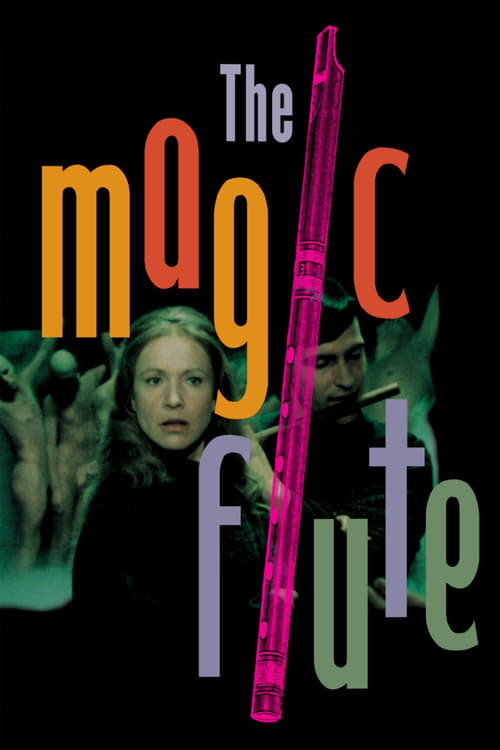
The Queen of the Night enlists a handsome prince named Tamino to rescue her beautiful kidnapped daughter, Princess Pamina, in this screen adaptation of the beloved Mozart opera. Aided by the lovelorn bird hunter Papageno and a magical flute that holds the power to change the hearts of men, young Tamino embarks on a quest for true love, leading to the evil Sarastro's temple where Pamina is held captive.
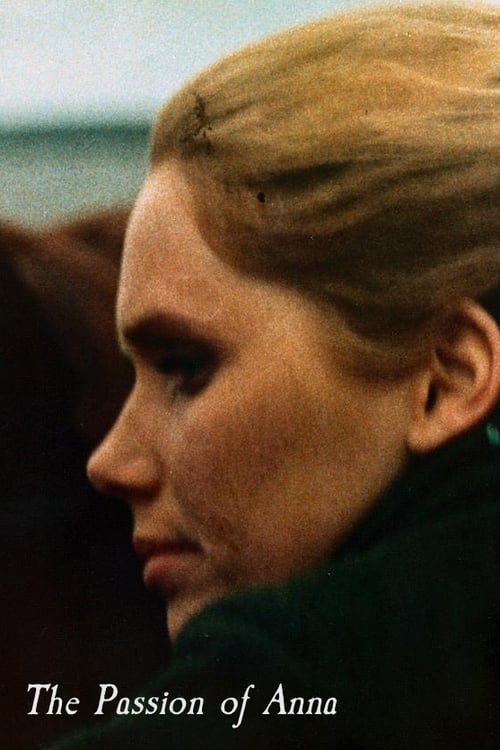
A Swedish housewife begins an adulterous affair with an American archaeologist, unaware of his emotional scars as a Holocaust survivor; consequently, their relationship will be painfully difficult.
Somewhere in the archipelago outside Sandhamn lives the barber Assar Gustafsson and his 17-year old daughter Anna-Bella. Out of the blue his wife comes back after five years of absence. She starts up a brothel in their bath house with Anna-Bella as the main attraction, a brothel that attracts various men from all over. The browbeaten Assar starts to make arrangements for his wife's permanent absence.
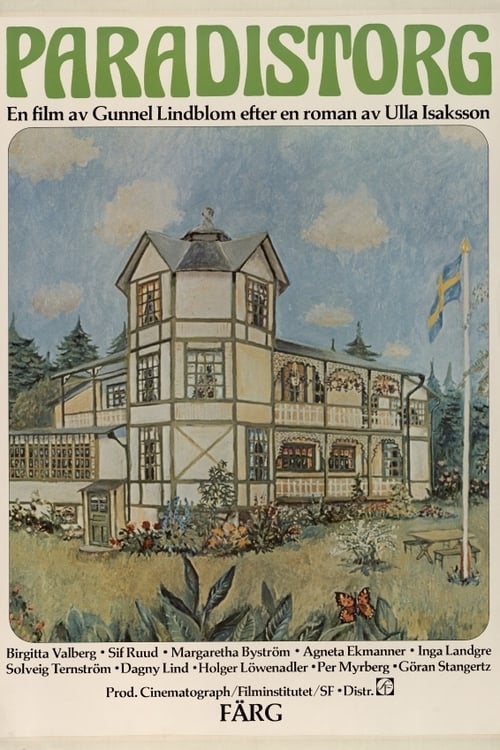
Conventions of civility among family members are severely strained by the very real breakup of the bonds between them. During a few days at a vacation home, Katha, a woman in late middle age, tries to cope with an influx of discontented, disconnected relatives. Her divorced daughter brings all sorts of people to the house, including a woman-friend accompanied by her psychotic son; the grandfather of the house is convinced he is dying and is satisfied by nothing; and some friends drop off their angry teenage son to stay with her, while they go on a long trip abroad. Her friend Emma doesn't help much with keeping a lid on things, as she is a social worker who is fascinated by the awfulness of these situations.
The behind-the-scenes documentary for Ingmar Bergman's 1972 masterpiece Cries and Whispersdirected by Bergman’s long-time collaborator, script girl Katinka Farago, it was shot on the set at Taxinge-Näsby Castle in Sweden. The documentary features a narration by Bergman scholar Peter Cowie
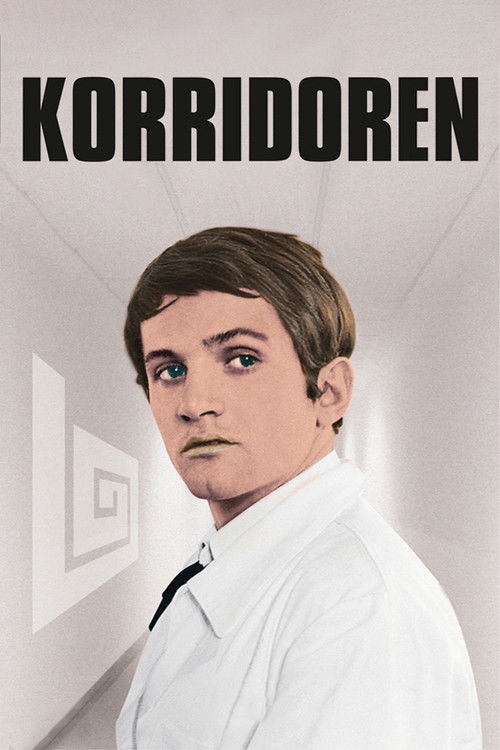
A newly graduated doctor finds trauma too heavy in everyday work of the hospital. He is constantly facing new demands which ultimately threatens to overpower him. He is about to give up his career.idoren
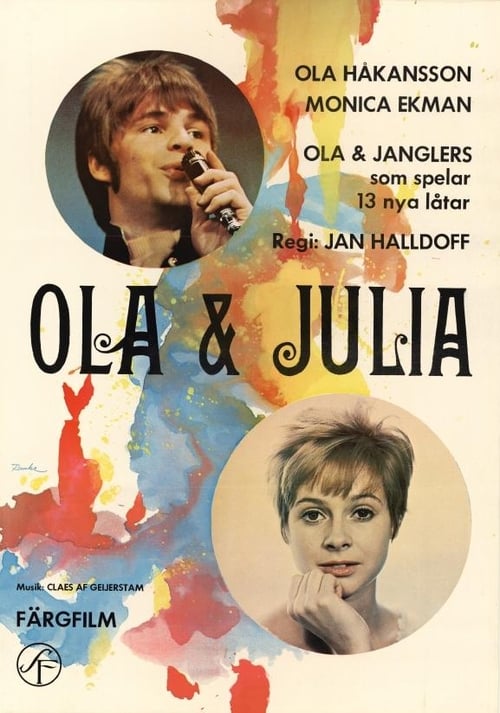
Ola is a pop idol, touring with his band in Sweden in the mid-60's. Julia is a young actress in a traveling theatre company. They meet and fall in love.
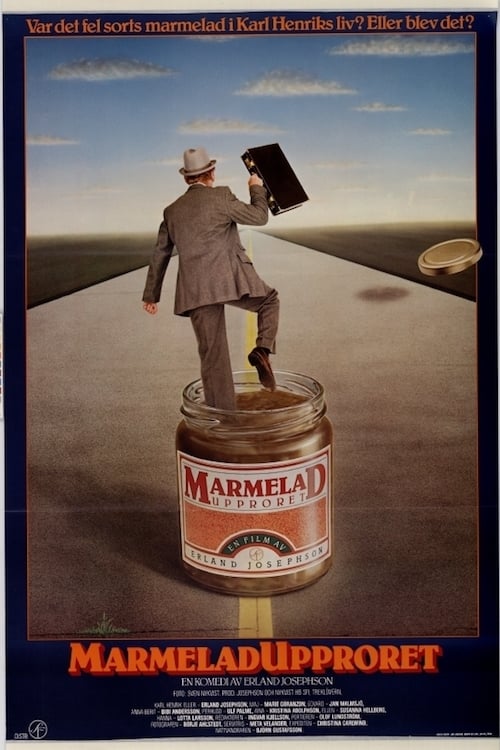
A Professor comes home carrying a paper bag with food. Among the goods in the bag is apricot jam. His wife reacts strongly, since they always have eaten orange marmalade. The Professor leaves his house and checks into a hotel.
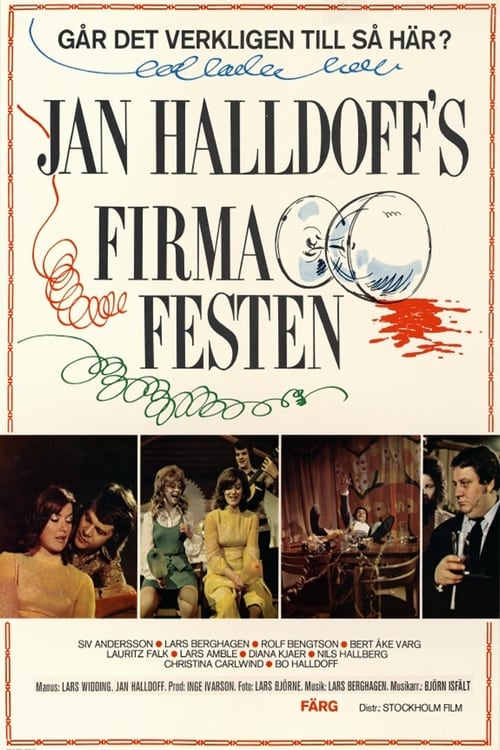
Office executive Knut Levin decides to arrange a party at work. Things don't go exactly according to plan with hilarious results.
The author Per Anders Fogelström walks around in Vita Bergen, the south part of Stockholm and tells us about Anna Charlotta's life at the turn of the century. She is taken care of at the Shelter in the old ore farm outside of Vita Bergen.
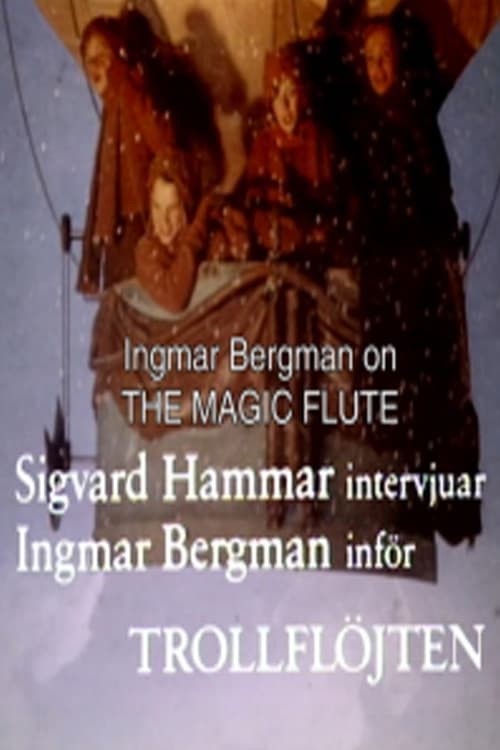
An interview with film director Ingmar Bergman, conducted by journalist Sigvard Hammar, originally broadcast on Swedish television.