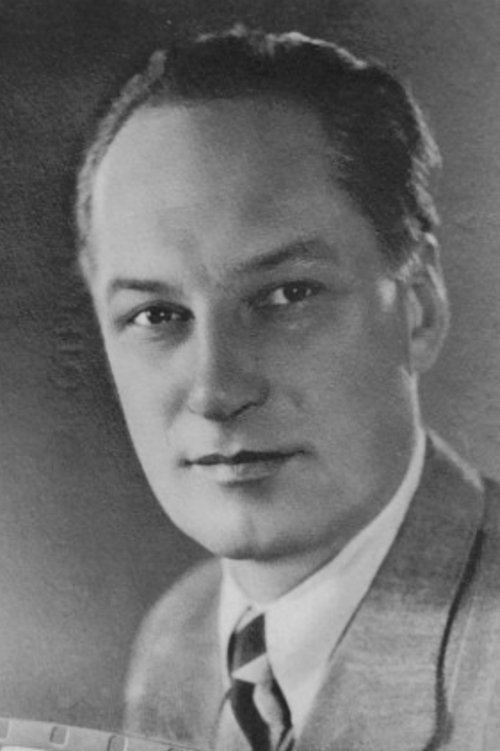
Andrei Abrikosov
Acting
Biography
From Wikipedia, the free encyclopedia Andrei Lvovich Abrikosov (14 November 1906 – 21 October 1973) was a Soviet stage and film actor. In 1941, he was awarded the Stalin Prize. He appeared in 39 films between 1931 and 1972. His son, Grigori Abrikosov, also was a film actor. Description above from the Wikipedia article Andrei Abrikosov, licensed under CC-BY-SA, full list of contributors on Wikipedia.
Known For
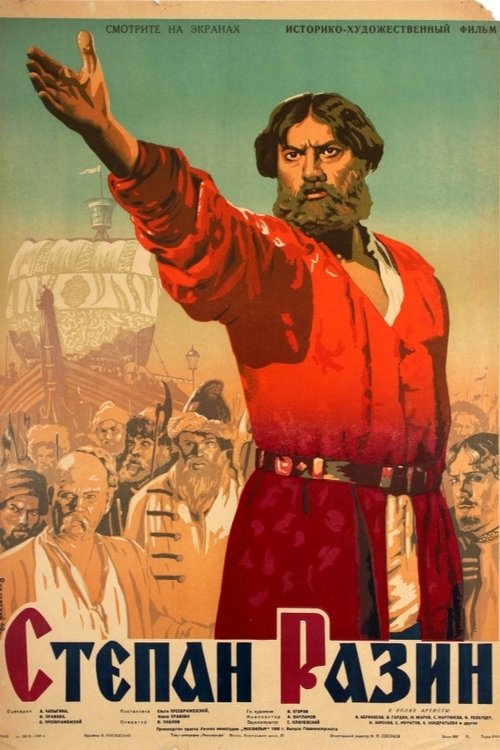
Don Cossack Stepan Razin boyars vowed revenge for his friends tortured torture. As head of the rebellious peasants, he becomes the leader of the whole army. With all the Russian land flock to him humiliated and oskorblennye.Tsar Alexey concerned the growing power Ataman. Church anathematizes Stepan collected in the march on Moscow. Regular king's troops manage to stop rebel forces near the walls Simbirska.Spodvizhniki perish, and the chieftain captured. Severe torture did not break the will of Razin.
Stepan Razin

Set during the early part of his reign, Ivan faces betrayal from the aristocracy and even his closest friends as he seeks to unite the Russian people. Sergei Eisenstein's final film, this is the first part of a three-part biopic of Tsar Ivan IV of Russia, which was never completed due to the producer's dissatisfaction with Eisenstein's attempts to use forbidden experimental filming techniques and excessive cost overruns. The second part was completed but not released for a decade after Eisenstein's death and a change of heart in the USSR government toward his work; the third part was only in its earliest stage of filming when shooting was stopped altogether.
Ivan the Terrible, Part I

This is the second part of a projected three-part epic biopic of Russian Czar Ivan Grozny, undertaken by Soviet film-maker Sergei Eisenstein at the behest of Josef Stalin. Production of the epic was stopped before the third part could be filmed, due to producer dissatisfaction with Eisenstein's introducing forbidden experimental filming techniques into the material, more evident in this part than the first part. As it was, this second part was banned from showings until after the deaths of both Eisenstein and Stalin, and a change of attitude by the subsequent heads of the Soviet government. In this part, as Ivan the Terrible attempts to consolidate his power by establishing a personal army, his political rivals, the Russian boyars, plot to assassinate him.
Ivan the Terrible, Part II: The Boyars' Plot
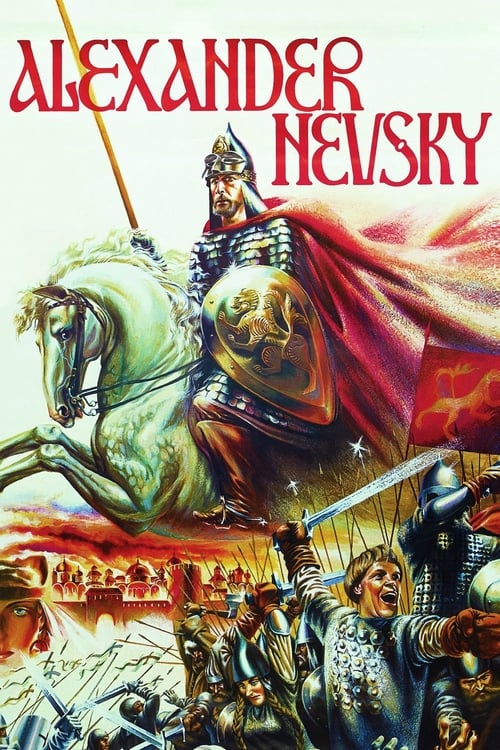
When German knights invade Russia, Prince Alexander Nevsky must rally his people to resist the formidable force. After the Teutonic soldiers take over an eastern Russian city, Alexander stages his stand at Novgorod, where a major battle is fought on the ice of frozen Lake Chudskoe. While Alexander leads his outnumbered troops, two of their number, Vasili and Gavrilo, begin a contest of bravery to win the hand of a local maiden.
Alexander Nevsky

In the midst of the wedding party of Prince Ruslan and Ludmila, daughter of Prince Vladimir, the girl is kidnapped by the evil sorcerer Chernomor and the witch Naina. Three of her past suitors set out, as does Ruslan, to rescue Ludmila.
Ruslan and Ludmila
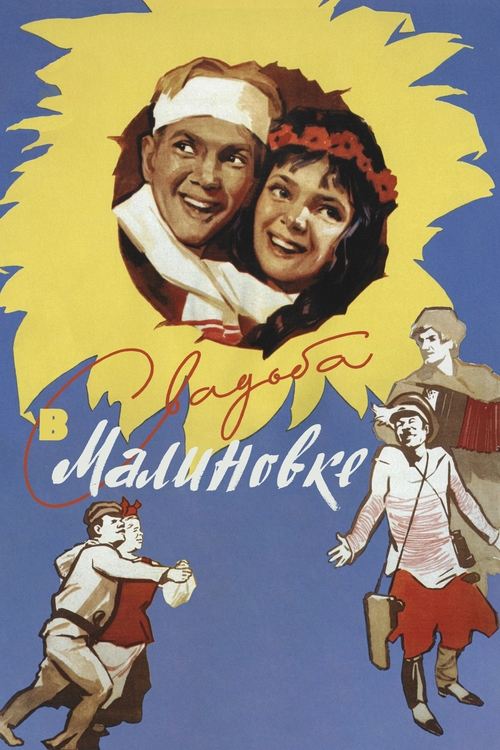
The movie takes place during Russia's civil war between the Reds (Bolsheviks) and the Whites (Mensheviks). Andrejka and Yarinka are a young betrothed couple in the village of Malinovka, caught between the battle lines. Gritsian is the leader of a Menshevik band who are planning to attack the village. Yarinka appeals to the local Bolshevik commander for his faction's help. The Bolsheviks quickly come up with a plan to save the village... but the plan requires Yarinka to enter into a pretend marriage with Gritsian.
Wedding in Malinovka
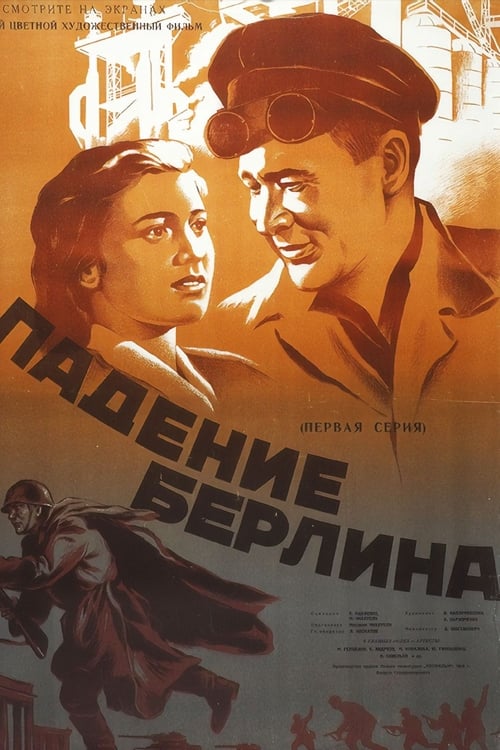
Surrounded by a few party officials, Alexei Ivanov, a stakhanovist smelter, is decorated by Stalin. The "Little Father of the Peoples" takes this opportunity to invoke threats of war.... One day, war indeed breaks out. Bombs fall on the field where Alexei finds himself in the company of the schoolmistress Natacha, his fiancée. Alexei joins the Red Army and soon becomes a sergeant. Fighting rages and German troops advance. Natacha is arrested and deported. But the tide turns decisively with the German defeat at Stalingrad. Now the major offensive against Hitler can begin.
The Fall of Berlin
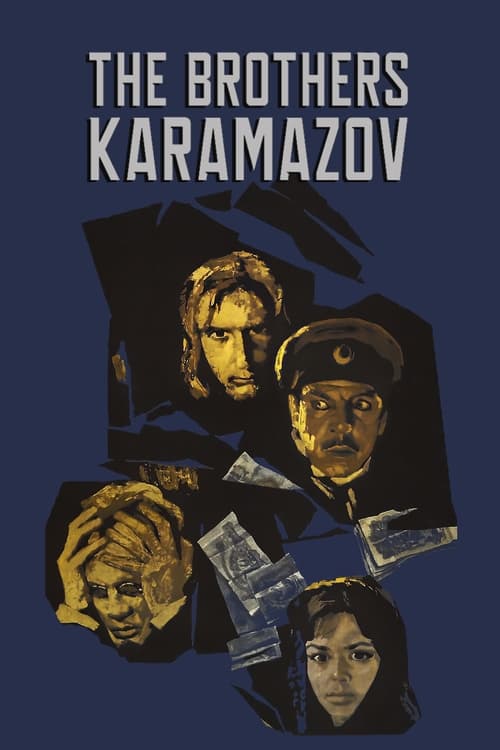
Based on the novel of the same name by Fyodor Dostoevsky. The tragic story of the Karamazov family takes place in a Russian province in the late 19th century. The relations of their father and three brothers are very complicated and contradictory. One of the brothers is accused of killing his father, whom he did not commit. The brothers are unable to help him, and only a loving girl follows him to hard labour.
The Brothers Karamazov
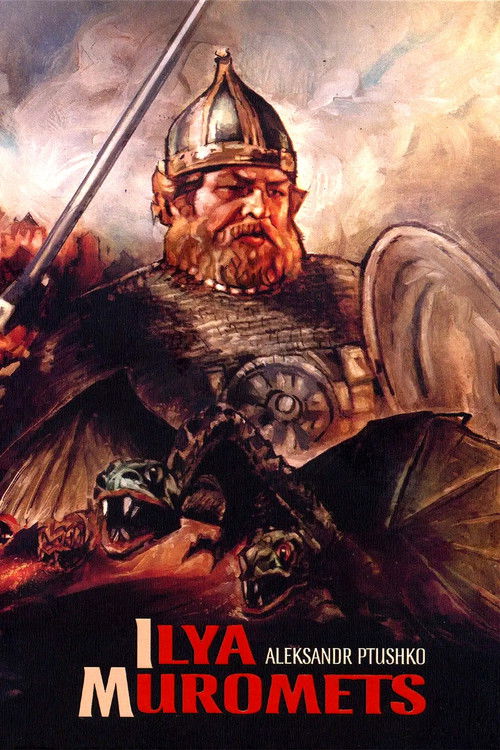
Paralyzed since birth, Ilya can only watch helplessly as his village is plundered by barbarians. But when a mysterious traveler arrives with a magic elixir that restores him to full health, Ilya begins an adventure to protect the village and the royal family from harm.
Ilya Muromets
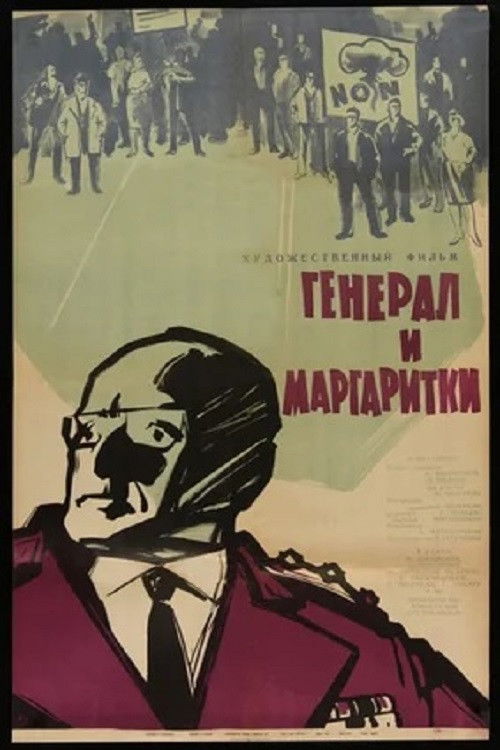
A simple Polish man, Władek Lekowski, a former pilot, finds himself in exile after World War II due to a ridiculous accident. Poor and without a job or shelter, he sleeps on the beach. There, he meets and falls in love with Zosia, another Polish emigrant. Determined to get Zosia out of the bar where she works, performing “a little acrobatics and a little undressing,” Władek embarks on a mysterious mission as part of an airplane crew. During the flight, it becomes clear that he has fallen into the hands of militarists and the plane is supposed to drop a bomb on the Soviet Union. Realising that the fate of World War III now rests in his hands, Władek is forced to confront his own actions and the consequences of his choices.
General and Daisies
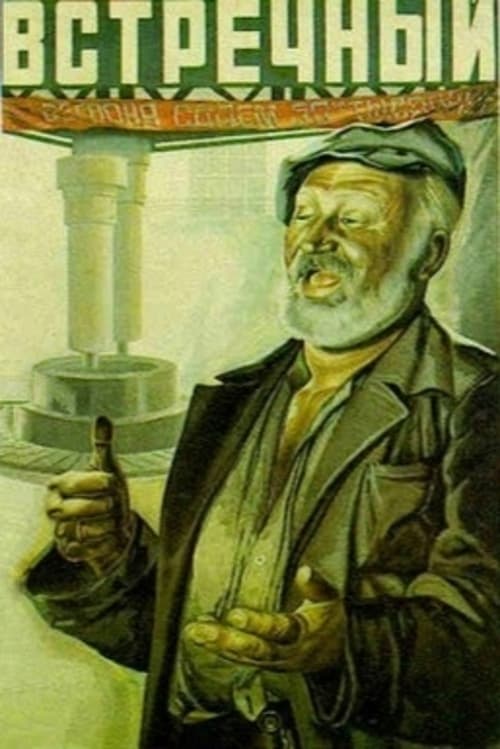
Shame or Counterplan is a 1932 Soviet drama film directed by Sergei Yutkevich and Fridrikh Ermler. The film’s title-song called "The Song of the Counterplan", composed by Dmitri Shostakovich, became world famous and was adapted into "Au-devant de la vie", a notable song of the French socialist movement of the 1930s. This film could be considered as a Stalin propaganda film. The plot involves an effort to catch "wreckers" at work in a Soviet factory. From Wikipedia, the free encyclopedia
Shame
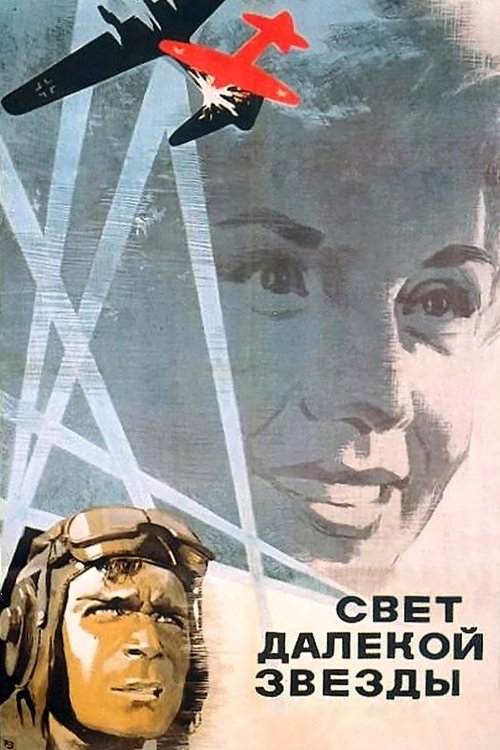
The war separated the young heroes, but could not destroy their memory of happy times of love. A few years after the victory, the hero, having seen her picture in a magazine, goes in search of his beloved.
Light of a Distant Star
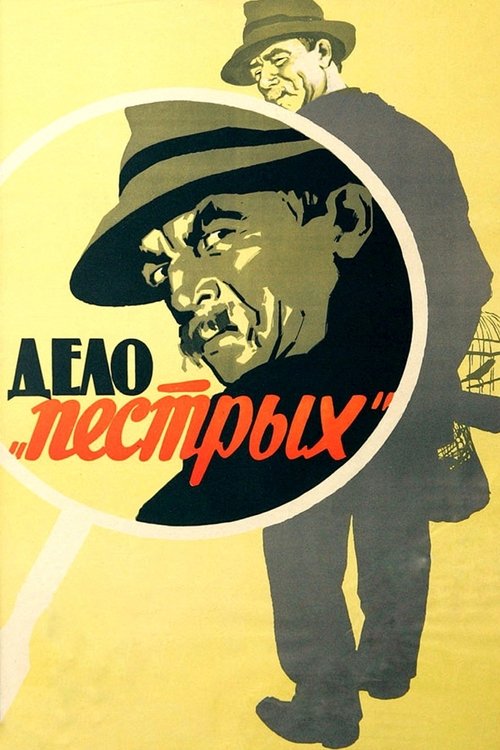
Sergey's girlfriend desperately wants him to quit dangerous police job. But Sergey doesn't want to abandon his new case which proves to be quite difficult.
The Variegateds Case
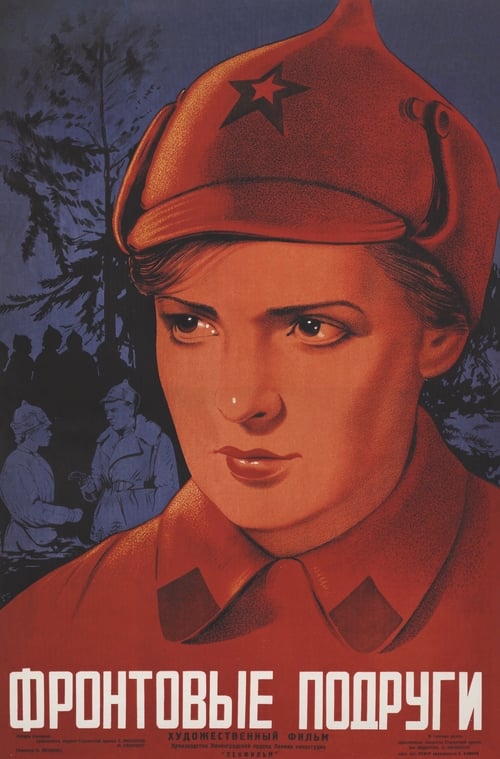
Set during the 1939–1940 Winter War, the film follows a group of young women from Leningrad who volunteer for service at the front. Working as nurses in hospitals and on the battlefield, they devote themselves to saving the lives of wounded soldiers, while also taking up arms alongside the men in combat. Through hardship and sacrifice, their courage forges bonds of friendship and love that endure amid the trials of war.
The Girl from Leningrad
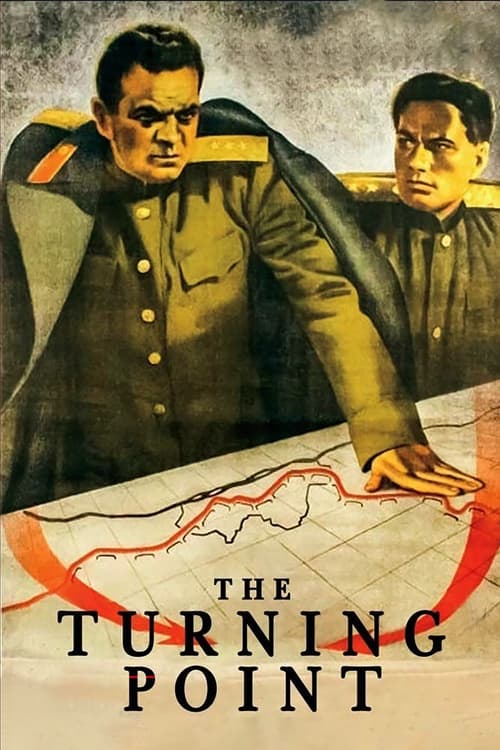
The film tells the story of those who took part in the Battle of Stalingrad in 1942, which became a turning point in the Great Patriotic War. For five months, the city resisted the Nazi offensive. Surrendering Stalingrad to the enemy would have meant losing the war, but holding on to the city seemed almost impossible.
The Turning Point
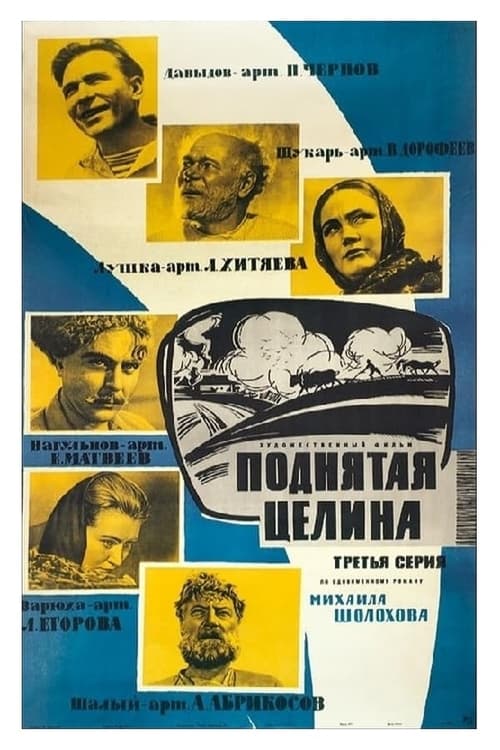
The movie is based on the the same name novel of the Nobel Prize In Literature Winner Mikhail Sholokhov. The action is taken place in 20-30-s years of the XX century in the Russian countryside going through an uneasy process of collectivization.
Virgin Soil Upturned
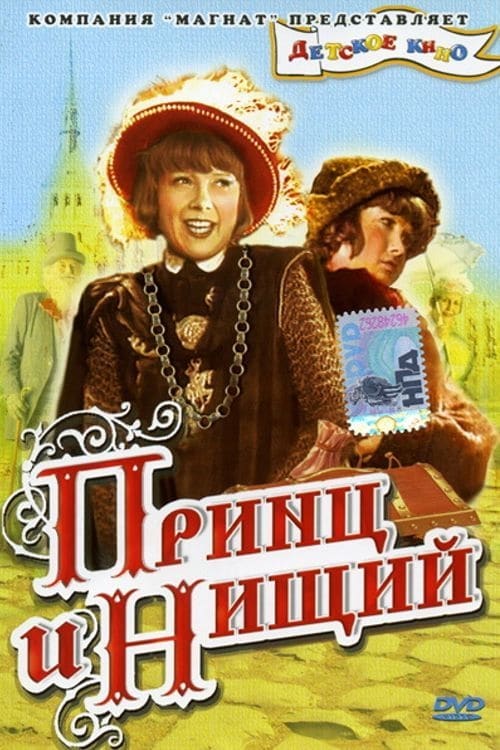
Two look-alike boys, one a poor street kid and the other a prince, exchange places to see what the other's life is like.
The Prince and the Pauper
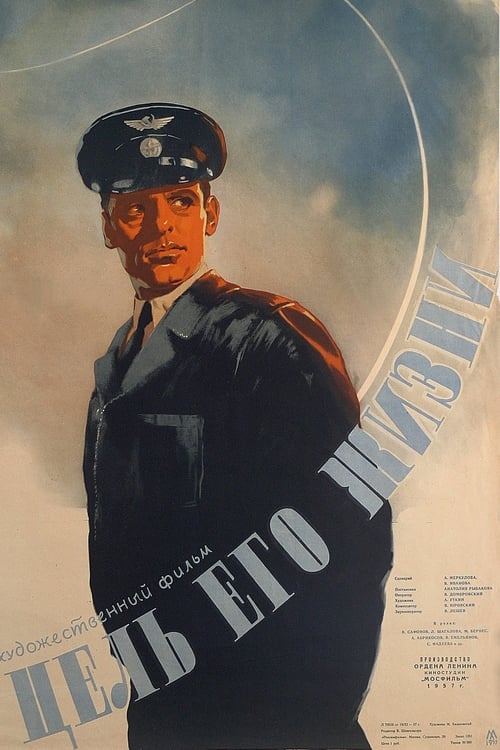
Alexei Kostrov goes a difficult way through luck and defeat to the cherished goal - to become a test pilot.
The Purpose of His Life
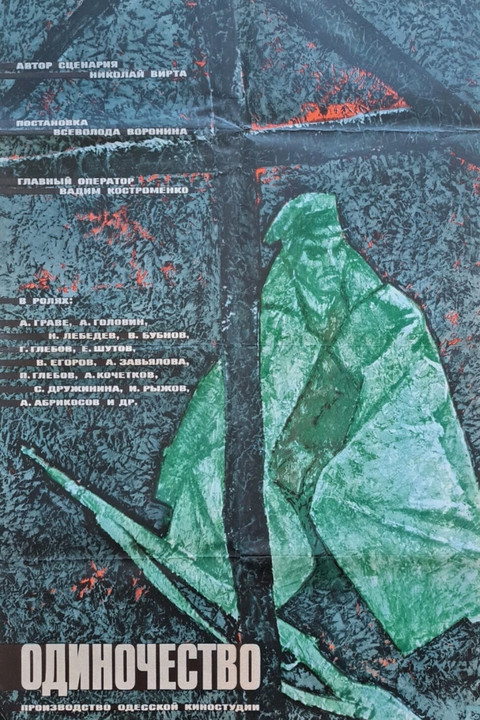
Soviet propaganda film on the struggle against counter-revolution in Tambov region in the first years of Soviet power.
Loneliness

Not being able to implement his invention in his home country, engineer Arrowsmith, the author of the patent for ore flotation, goes to the USSR to work at one of the flotation plants, where he soon learns that a group of Soviet engineers is conducting similar work.