FEEL IT.STREAM
Delbert Mann

Delbert Mann

Directing

Biography

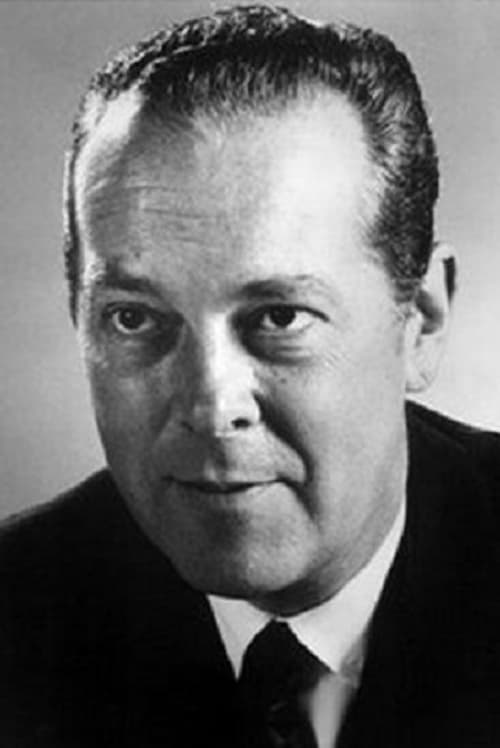
From Wikipedia, the free encyclopedia Delbert Martin Mann, Jr. (January 30, 1920 – November 11, 2007) was an American television and film director. He won the Palme d'Or (Golden Palm) at the Cannes Film Festival and the Academy Award for Best Director for the film Marty. It was the first Best Picture winner to be based on a television program, being adapted from a 1953 teleplay of the same name which he had also directed. Mann is also the only director other than Billy Wilder and Roman Polanski to win an Oscar for his direction and a Cannes Palme d'Or for the same film. From 1967 to 1971, he was president of the Directors Guild of America. Mann was born in Lawrence, Douglas County, Kansas, the son of Ora (née Patton), a civic worker and teacher, and Delbert Martin Mann, Sr., a college professor. Mann graduated from Vanderbilt University in Nashville, Tennessee. After school, he served with the U.S. Army Air Corps in WW II, then got discharged after service in the European theater. He then attended Yale Drama School, and graduated, followed by work in theater and eventually, TV and movies. He was married to Ann Caroline Mann from 1941 until his wife's death in 2001. Mann died from pneumonia on November 11, 2007 at a Los Angeles hospital.   Description above from the Wikipedia article Delbert Mann, licensed under CC-BY-SA, full list of contributors on Wikipedia.
Known For

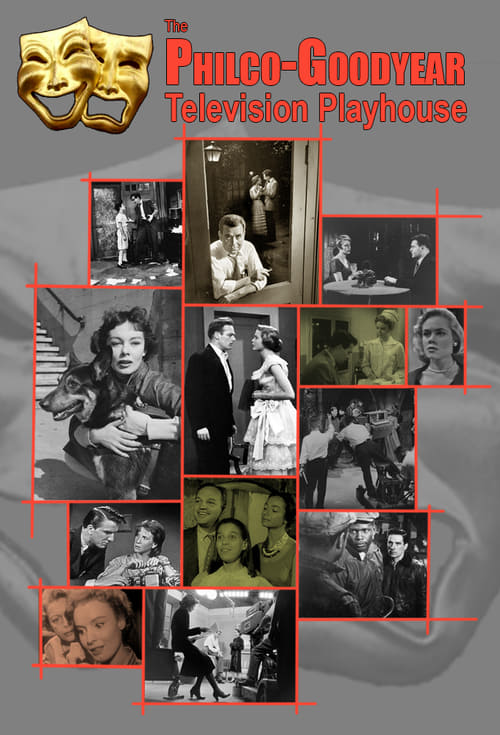
The Philco Television Playhouse
6.6

The Philco Television Playhouse is an American anthology series that was broadcast live on NBC from 1948 to 1955. Produced by Fred Coe, the series was sponsored by Philco. It was one of the most respected dramatic shows of the Golden Age of Television, winning a 1954 Peabody Award and receiving eight Emmy nominations between 1951 and 1956.

The Philco Television Playhouse

1948
The Oscars
7.0

An annual American awards ceremony honoring cinematic achievements in the film industry. The various category winners are awarded a copy of a statuette, officially the Academy Award of Merit, that is better known by its nickname Oscar.

The Oscars

1953
Omnibus
6.3

Omnibus is an American, commercially sponsored, educational television series.

Omnibus

1952
Lights Out
6.0

Lights Out was an extremely popular American old-time radio program, an early example of a network series devoted mostly to horror and the supernatural, predating Suspense and Inner Sanctum. Versions of Lights Out aired on different networks, at various times, from January 1934 to the summer of 1947 and the series eventually made the transition to television. In 1946, NBC Television brought Lights Out to TV in a series of four specials, broadcast live and produced by Fred Coe, who also contributed three of the scripts. NBC asked Cooper to write the script for the premiere, "First Person Singular", which is told entirely from the point of view of an unseen murderer who kills his obnoxious wife and winds up being executed. Variety gave this first episode a rave review ("undoubtedly one of the best dramatic shows yet seen on a television screen"), but Lights Out did not become a regular NBC-TV series until 1949.

Lights Out

1949
Startime
6.8

Startime, an anthology of drama, comedy and variety, was one of the first American television shows broadcast in color.

Startime

1959
Goodyear Television Playhouse
6.0

The Goodyear Television Playhouse is an American anthology series that was telecast live on NBC from 1951 to 1957 during the "Golden Age of Television". Sponsored by Goodyear, Goodyear alternated sponsorship with Philco, and the Philco Television Playhouse was seen on alternate weeks. In 1955, the title was shortened to The Goodyear Playhouse and it aired on alternate weeks with The Alcoa Hour. The three series were essentially the same, with the only real difference being the name of the sponsor. Producer Fred Coe nurtured and encouraged a group of young, mostly unknown writers that included Robert Alan Aurthur, George Baxt, Paddy Chayefsky, Horton Foote, Howard Richardson, Tad Mosel and Gore Vidal. Notable productions included Chayefsky's Marty starring Rod Steiger, Chayefsky's The Bachelor Party, Vidal's Visit to a Small Planet, Richardson's Ark of Safety and Foote's The Trip to Bountiful. From 1957 to 1960, it became a taped, half-hour series titled Goodyear Theater, seen on Mondays at 9:30pm.

Goodyear Television Playhouse

1951
No image
7.0

CBS Playhouse is an American anthology drama series that aired on CBS from 1967 to 1970. Airing twelve plays over the course of its run, the series was nominated for a number of awards and featured many noteworthy actors and playwrights.

CBS Playhouse

1966
DuPont Show of the Month
7.4

DuPont Show of the Month is an acclaimed 90-minute television anthology series that aired monthly on CBS from 1957 to 1961. The DuPont Company also sponsored a weekly half-hour anthology drama series hosted by June Allyson, The DuPont Show with June Allyson. During the Golden Age of Television, DuPont Show of the Month was one of numerous anthology series telecast between 1949 and 1962. Superficially, it resembled Playhouse 90 and other anthologies, but DuPont Show of the Month focused less on contemporary dramas and more on adaptations of literary classics, including Oliver Twist, The Prince and the Pauper, Billy Budd, The Prisoner of Zenda, A Tale of Two Cities and The Count of Monte Cristo.

DuPont Show of the Month

1957
No image
6.3

No description available.

Playwrights '56

1955
No image
6.8

Producers' Showcase is an American anthology television series that was telecast live during the 1950s in compatible color by NBC. With top talent, the 90-minute episodes, covering a wide variety of genres, aired under the title every fourth Monday at 8 p.m. ET for three seasons, beginning October 18, 1954. The final episode, the last of 37, was broadcast May 27, 1957. Showcase Productions, Inc., packaged and produced the series, which received seven Emmy Awards, including the 1956 award for Best Dramatic Series.

Producers' Showcase

1954
Hallmark Hall of Fame
8.8

Long-running anthology program sponsored by Hallmark Cards. Beginning in 1951 and continuing into 2019, the series received 80 Emmy Awards, 24 Christopher Awards, 11 Peabody Awards, 9 Golden Globes, and 4 Humanitas Prizes. Early seasons were a weekly live drama, eventually transitioning to videotaped and then filmed productions broadcast as occasional specials.

Hallmark Hall of Fame

1951
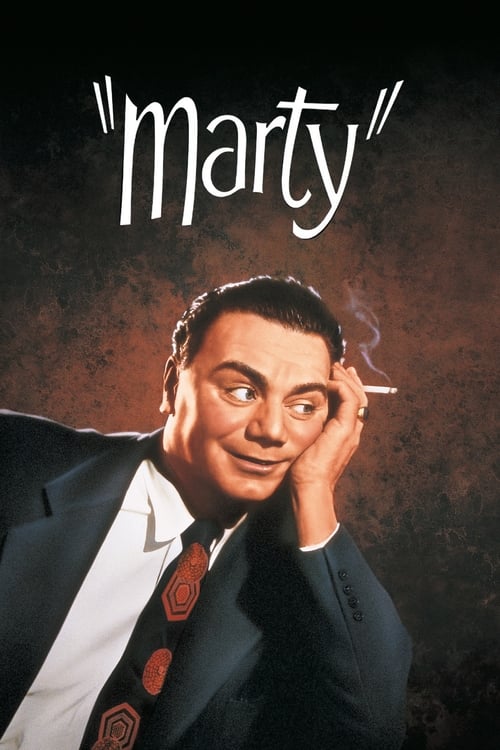
Marty
7.5

Marty, a butcher who lives in the Bronx with his mother is unmarried at 34. Good-natured but socially awkward he faces constant badgering from family and friends to get married but has reluctantly resigned himself to bachelorhood. Marty meets Clara, an unattractive school teacher, realising their emotional connection, he promises to call but family and friends try to convince him not to.

Marty

1955
All Quiet on the Western Front
6.7

At the start of World War I, Paul Baumer is a young German patriot, eager to fight. Indoctrinated with propaganda at school, he and his friends eagerly sign up for the army soon after graduation. But when the horrors of war soon become too much to bear, and as his friends die or become gravely wounded, Paul questions the sanity of fighting over a few hundreds yards of war-torn countryside.

All Quiet on the Western Front

1979
E! True Hollywood Story
8.2

E! True Hollywood Story is an American documentary series on E! that deals with famous Hollywood celebrities, movies, TV shows and also well-known public figures. Among the topics covered on the program include salacious re-tellings of Hollywood secrets, show-biz scandals, celebrity murders and mysteries, porn-star biographies, and "where-are-they-now?" investigations of former child stars. It frequently features in-depth interviews, actual courtroom footage, and dramatic reenactments. When aired on the E! network, episodes will be updated to reflect the current life or status of the subject.

E! True Hollywood Story

1996
No image
5.0

NBC Sunday Showcase was a series of hour-long specials telecast in color on NBC during the 1959-60 season. The flexible anthology format varied weekly from comedies and science fiction to musicals and historical dramas. The recent introduction of videotape made repeats possible, and two 1959 dramas had repeats in 1960. On the heels of his Broadway hits The Pajama Game and Damn Yankees, Richard Adler composed the opening Sunday Showcase theme music, titled "Sunday Drive".

NBC Sunday Showcase

1959
A Death in California
6.2

A Beverly Hills socialite embarks on a love/hate relationship with a psychotic businessman who murdered her fiance and then raped and terrorized her which leads to a bizarre trial.

A Death in California

1985
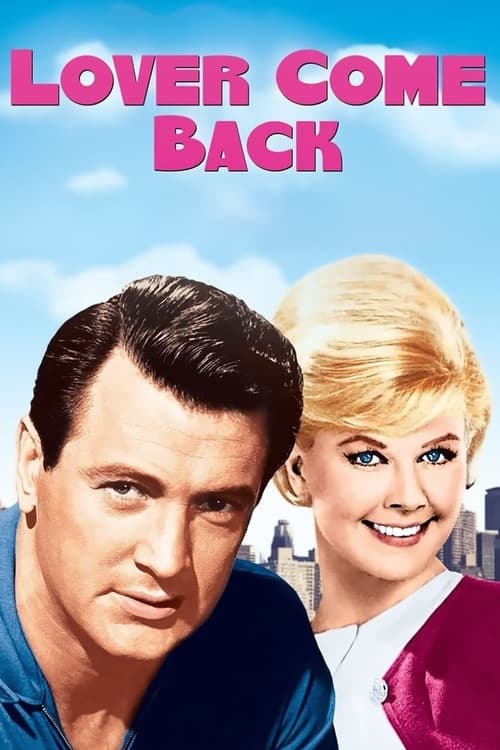
That Touch of Mink
6.5

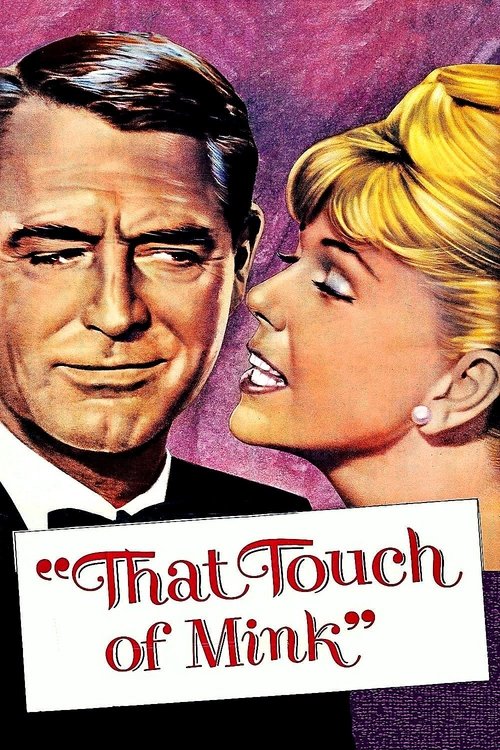
Cathy Timberlake is en route to a job interview when a car transporting businessman Philip Shayne covers her in mud. He sends his assistant, Roger, to apologize, but upon meeting Cathy, Roger knows that she would be a suitable match for his boss. Despite their mutual attraction, Cathy and Philip want different things. Philip wants a fling, while Cathy wants a marriage. As they travel to exotic locales, their differing motivations are put to the test.

That Touch of Mink

1962
No image
7.0

Ford Star Jubilee is an American anthology series that aired once a month on Saturday nights on CBS at 9:00 P.M., E.S.T. from the fall of 1955 to the fall of 1956. The series was approximately 90 minutes long, aired in black-and-white and color, and was typically broadcast live. Ford Star Jubilee was sponsored by the Ford Motor Company.

Ford Star Jubilee

1955
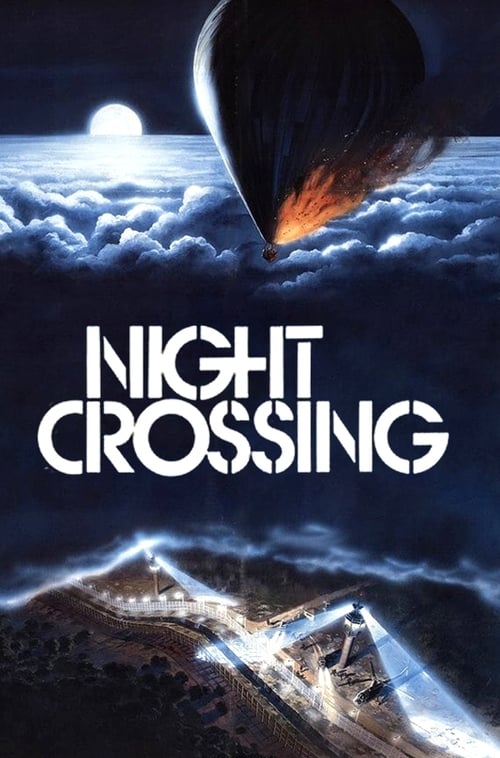
Night Crossing
6.2

Two men want to escape from East Germany (under Communist rule) but they will only go if they can take their families with them. Based on a true story.

Night Crossing

1982
The Outsider
6.5

Ira Hayes, a young Pima Indian, enlists in the Marine Corps. At boot camp, he is shunned and mocked by everyone, aside from a Marine named Sorenson, who he befriends. They happen to be two of the six marines captured in the famous photograph of Marines raising the U.S. flag on Suribachi during the battle of Iwo Jima, but Sorenson is killed soon after. Although he is hailed as a hero, Ira's life begins to spiral out of control after the war.

The Outsider

1961