FEEL IT.STREAM
Samuel E. Wright

Samuel E. Wright

Acting

Biography

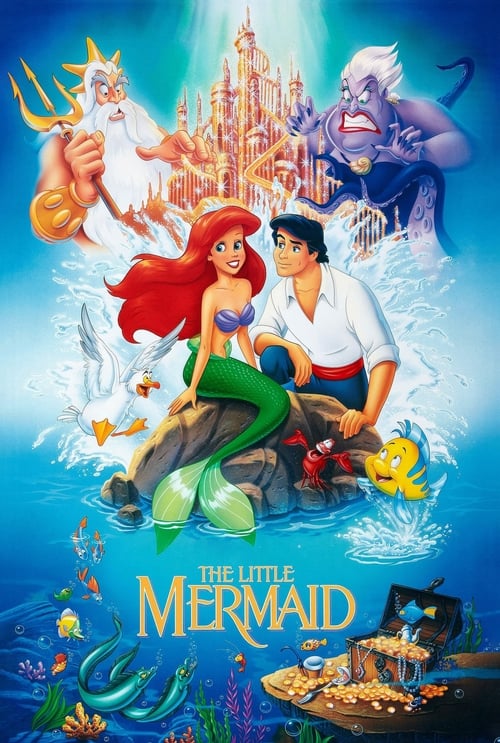
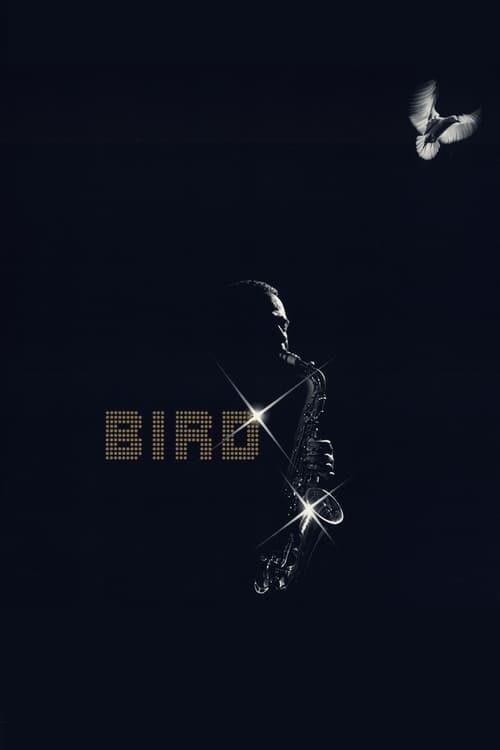
Samuel E. Wright (November 20, 1946 - May 24, 2021) was an American actor, vocal actor, and singer, best known as the voice of Sebastian in Disney's The Little Mermaid, Dizzy Gillespie in Bird, and the part of Mufasa in the original cast of The Lion King on Broadway.
Known For

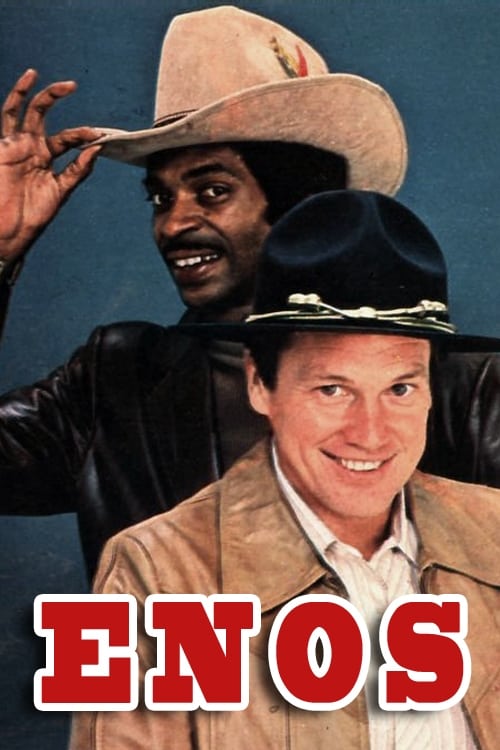
Enos
7.2

Enos is an American television series from the 1980–1981 season that aired on the CBS network. A spinoff of The Dukes of Hazzard, Enos focused on the adventures of Enos Strate, a former small-town deputy in Hazzard County, after having moved to Los Angeles to join the L.A.P.D. Each episode featured Enos, alongside his partner Turk, and usually began and ended with Enos writing a letter to Daisy Duke in which he told her of his adventures in Los Angeles. Enos Strate was portrayed by actor Sonny Shroyer in both series. In an attempt to boost ratings, a number of characters from The Dukes of Hazzard were brought in as guest stars but the show still failed to catch on. It was canceled after one eighteen episode season and the character consequently returned to The Dukes of Hazzard in the fall of 1982. In the CBS movie specials The Dukes of Hazzard: Reunion! and The Dukes of Hazzard: Hazzard in Hollywood!, it was explained that Enos had returned to the L.A.P.D. where he was now a detective after having served on the force for fifteen years.

Enos

1980Series
No image
7.0

Ball Four is a 1976 American situation comedy that aired on CBS in 1976. The series is inspired by the 1970 book of the same name by Jim Bouton. Bouton co-created the show with humorist and television critic Marvin Kitman and sportswriter Vic Ziegel. Bouton also starred in the series. Ball Four followed the Washington Americans, a fictitious minor league baseball team, dealing with the fallout from a series of Sports Illustrated articles written by Americans player Jim Barton. Like the book, the series covered controversial subjects including womanizing players, drug use, homosexuality in sports and religion. The series included a gay rookie ballplayer, one of the earliest regular gay characters on television. The trio began developing the series in 1975, looking to other series like M*A*S*H and All in the Family as models. CBS expressed interest and the creative team developed a script. CBS shot the pilot episode and ultimately bought the series. Ball Four aired at 8:30 PM Eastern time, which was during the Family Viewing Hour, an FCC-mandated hour of early evening "family-friendly" broadcasting. Consequently the writers had some trouble with the network's Standards and Practices in their attempt to portray realistic locker room scenes, especially the language used by the players. Pseudo-profanity such as "bullpimp" was disallowed, while "horse-crock" and "bullhorse" were approved.

Ball Four

1976Series