Directing
No description available.
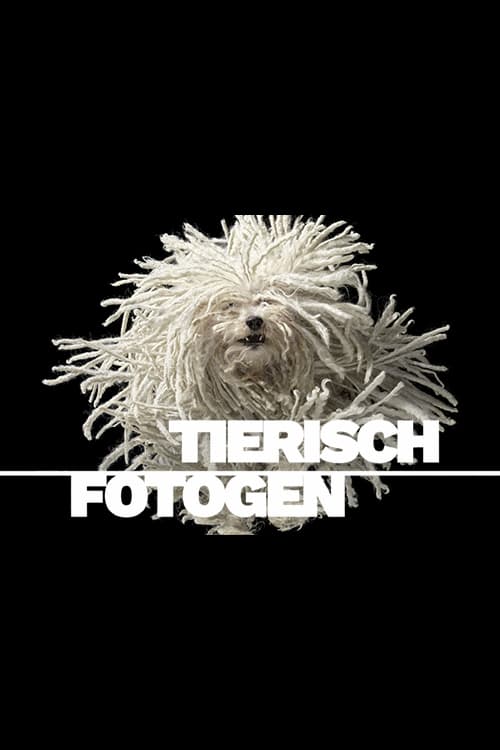
Long regarded as mere subjects for amateur or specialist nature photographers, animals are increasingly inspiring art photographers to produce surprising creations, sometimes with a social message. Five photographers present their work and their perspectives on the animal world.
Documentary about Leipzig artist Neo Rauch, who is considered to be one of the seminal painters of his generation. Born in 1960, Rauch lost his parents in an accident while he was still a baby. He studied at the Hochschule für Grafik und Buchkunst in Leipzig, and rose to international fame in the 1990s. Rauch, whose paintings often revolve around notions of home, is one of the most eminent figures of the Leipzig New School.
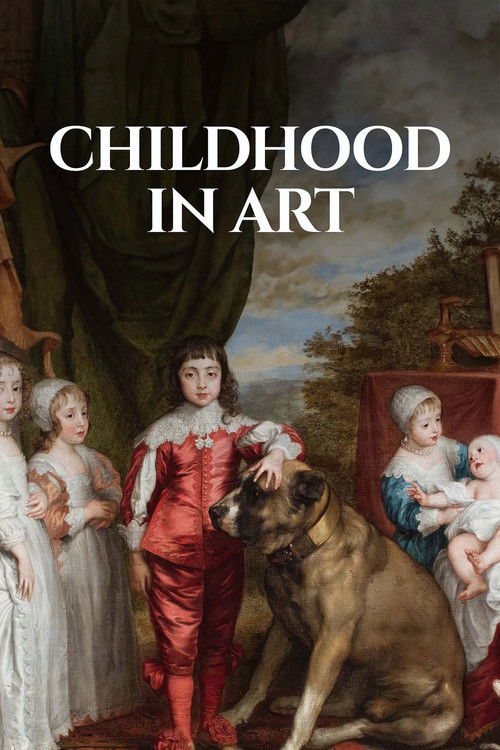
How have the changing views on children been reflected in their representation in art? From Baby Jesus to the first photographic portraits, an exploration of six centuries of art history through the prism of childhood.
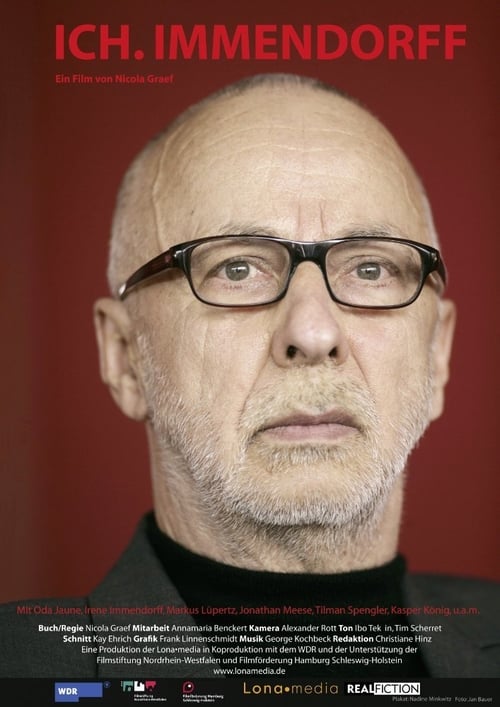
Documentary film about the painter and sculptor Jörg Immendorff who ranks among the most important German artists. The filmmakers accompanied Immendorff over a period of two years – until his death in May 2007. The artist had been living for nine years knowing that he was terminally ill with ALS. The film shows how Immendorff continued to work with unabated energy and how he tried not to let himself be restrained by his deteriorating health.
More than sixty years after her birth, the Barbie doll is still as seductive as ever. Between stereotypes and emancipatory discourse, we explore an iconic toy that has changed with the times.
In 2019, the Chippendales celebrated their 40th birthday. The documentary observes the troupe and takes a look behind the scenes of the successful show for the first time. And it asks what fascinates the female clientele about these well-trained dancers to this day.
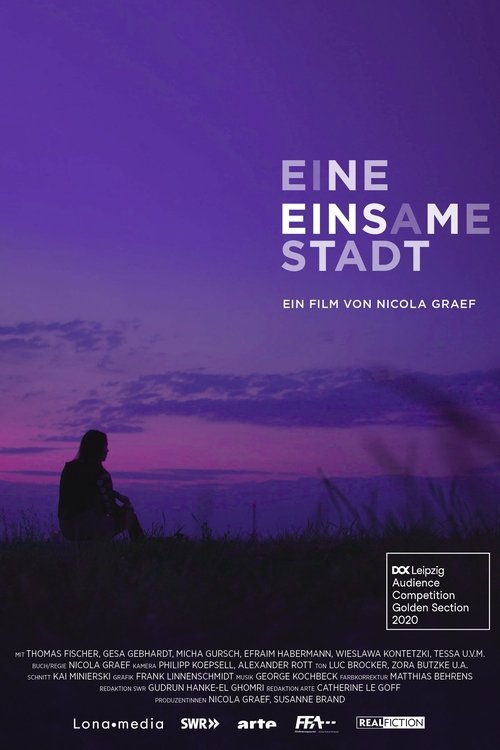
Loneliness has many faces in Berlin. Young and old are afflicted by it, men, women, single and married people. It’s normal. Nonetheless there’s a stigma attached to this mixture of emotions that makes sufferers stay silent. Director Nicola Graef tries a different approach in her film: She lets the lonely inhabitants of the capital city speak, listens. The result is varied and quite often surprising.
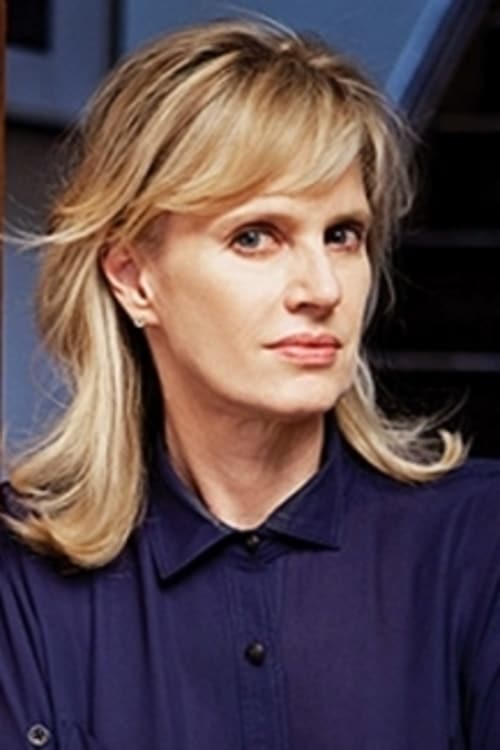
Siri Hustvedt reveals unusually intimate things in My Life. Openly and directly she talks about her childhood, her life with three sisters and the everyday life as a writer with Paul Auster and daughter Sophie Auster in Brooklyn. A life without writing would be unthinkable for Siri Hustvedt.
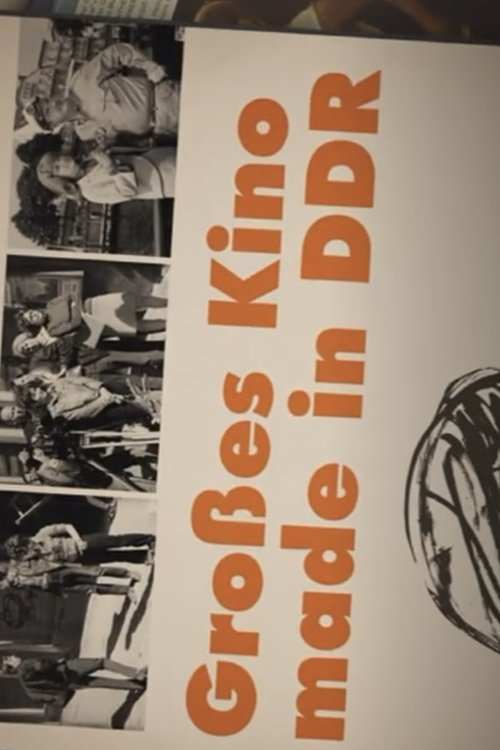
In 2016, DEFA celebrates its 70th anniversary: the film embarks on a journey into the exciting film history of the GDR. In a comprehensive kaleidoscope, the importance of DEFA productions is illuminated, the relevance of the films as propaganda productions for the GDR, which socio-political themes were in the foreground, but also which heroes DEFA brought to the screen and celebrated as people from the people.
The worldwide crises pose particular challenges for global diplomacy. The film accompanies German Foreign Minister Annalena Baerbock and asks how she wants to communicate her human rights-oriented foreign policy and where she reaches her limits. How can human rights be upheld when despots and autocratic systems dominate liberal democracies?
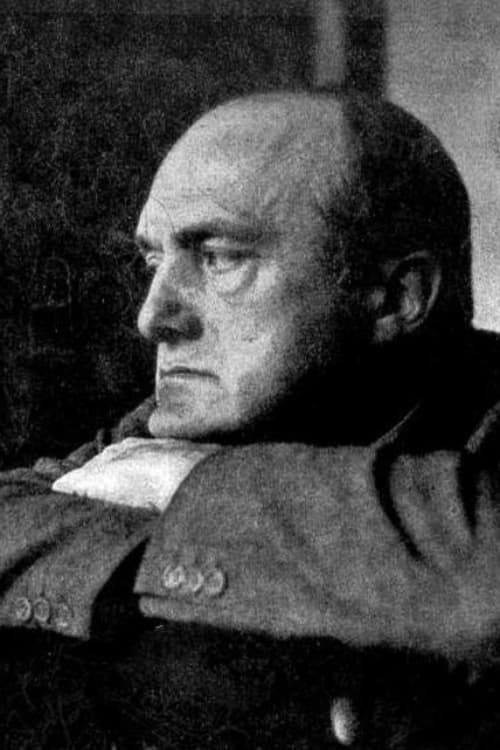
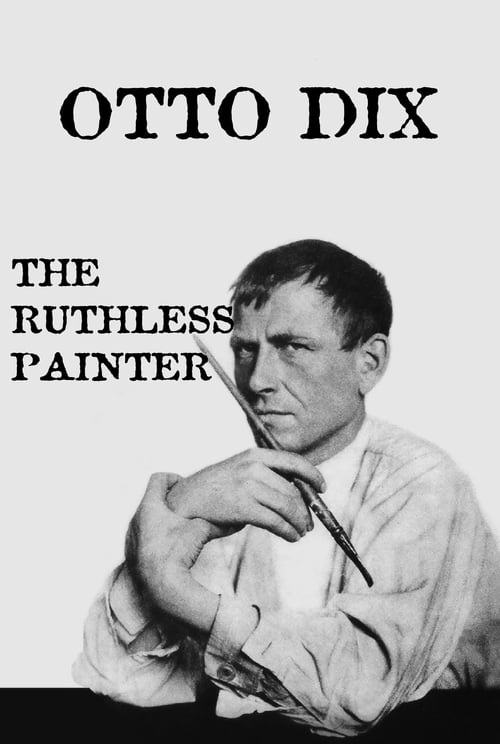
The painter Otto Dix (1891-1969) dissected and exposed his time like no other. The portraits from the world of the milieu of whores and suitors, of sexual violence, were a taboo break. His brutal depiction of war shook society - he was a ruthless chronicler of his day. In contrast, private life with his wife and children shows the gentle side of the provocative painter. Nicola Graef's film "Otto Dix - The Ruthless Painter" is dedicated to this interplay of life and work. Like few other artists, Dix used his personal experiences and experiences as the basis for his work.