FEEL IT.STREAM
Wesley Addy

Wesley Addy

Acting

Biography

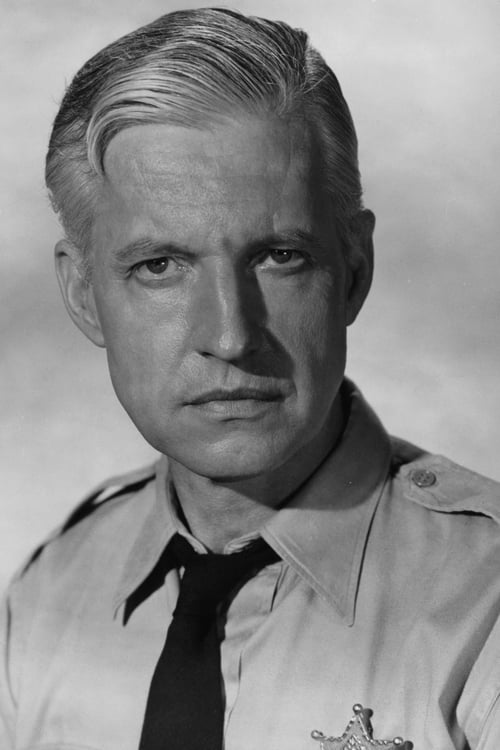
Wesley Addy (August 4, 1913 – December 31, 1996) was an American actor. He played many roles on the Broadway stage, including several Shakespearean ones, usually opposite actor Maurice Evans. After playing two roles in one of Evans's productions of Hamlet, he played Horatio opposite Evans's Hamlet in a 1953 Hallmark Hall of Fame television production of the work, the most prestigious American production of the play seen on TV up to that time. Also on television he played roles on The Edge of Night in the 1950s. Later, during the 1970s-1980s, he played publisher Bill Woodard on Ryan's Hope and patriarch Cabot Alden on the Agnes Nixon-Douglas Marland serial Loving. In motion pictures, Addy's career spanned four decades. Robert Aldrich used him as supporting actor in several pictures, such as Kiss Me Deadly, The Big Knife (both 1955), What Ever Happened to Baby Jane? (1962), Hush... Hush, Sweet Charlotte (1964) and The Grissom Gang (1971). In 1976, Addy appeared in Paddy Chayefsky's Network, directed by Sidney Lumet. They would work together again in The Verdict., in which Addy played a doctor who nearly derails Paul Newman's case against a hospital for malpractice. Another of Addy's best-remembered roles was that of Lt. Cdr. Alvin Kramer, who unsuccessfully tries to warn American officials of the impending attack on Pearl Harbor in Tora! Tora! Tora!. Addy was born as Robert Wesley Addy in Omaha, Nebraska and died in Danbury, Connecticut. He was married to actress Celeste Holm from 1961 until his death. Description above from the Wikipedia article Wesley Addy, licensed under CC-BY-SA, full list of contributors on Wikipedia.
Known For

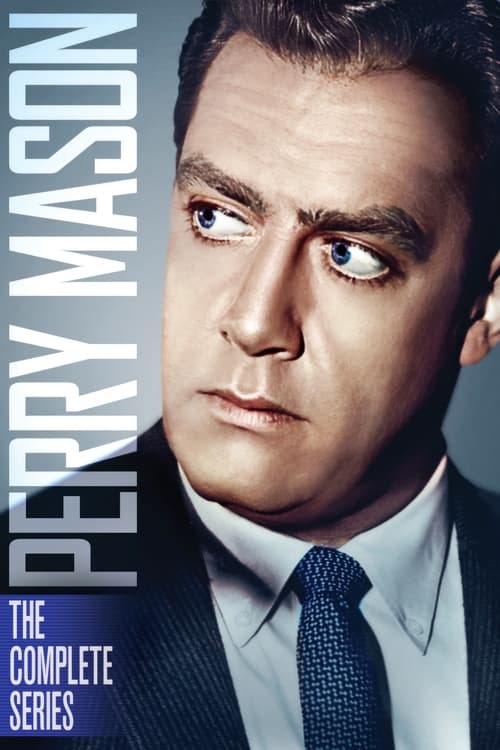
Perry Mason
7.7

The cases of master criminal defense attorney Perry Mason and his staff who handled the most difficult of cases in the aid of the innocent.

Perry Mason

1957
The Fugitive
7.3

Richard Kimble is falsely convicted of his wife's murder and given the death penalty. En route to death row, Kimble's train derails and crashes, allowing him to escape and begin a cross-country search for the real killer, a "one-armed man". At the same time, Dr. Kimble is hounded by the authorities, most notably dogged by Police Lieutenant Philip Gerard.

The Fugitive

1963
Ironside
6.9

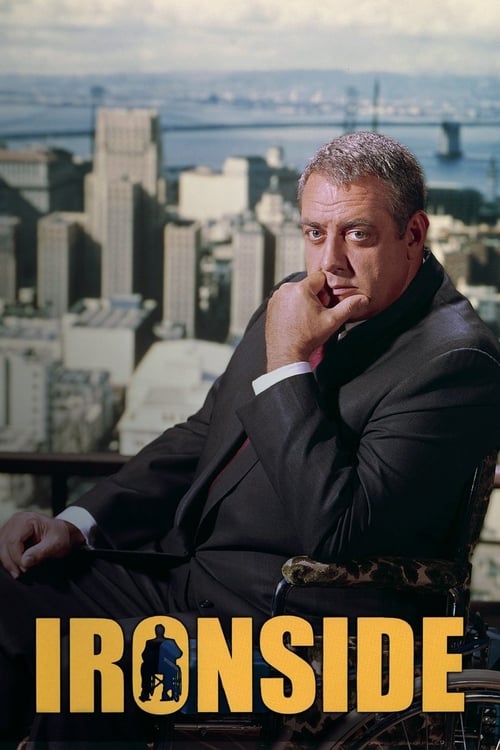
When an assassin's bullet confines him to a wheelchair for life ending his career as Chief of Detectives, Robert T. Ironside becomes a consultant to the police department. Detective Sergeant Ed Brown and policewoman Eve Whitfield join with him to crack varied and fascinating cases. Ex-con Mark Sanger is employed by the chief as home help but eventually becomes a fully fledged member of the team also. Officer Whitfield leaves after 4 years service, and is replaced by Officer Fran Belding.

Ironside

1967
The Philco Television Playhouse
6.6

The Philco Television Playhouse is an American anthology series that was broadcast live on NBC from 1948 to 1955. Produced by Fred Coe, the series was sponsored by Philco. It was one of the most respected dramatic shows of the Golden Age of Television, winning a 1954 Peabody Award and receiving eight Emmy nominations between 1951 and 1956.

The Philco Television Playhouse

1948
The Rockford Files
7.6

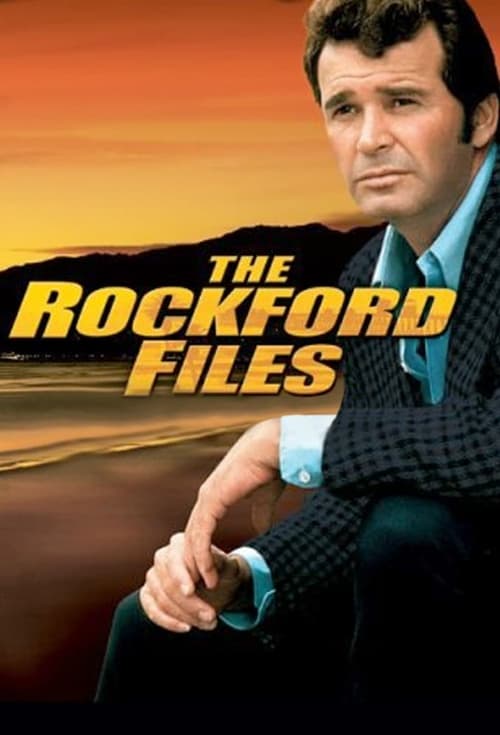
Cranky but likable L.A. PI Jim Rockford pulls no punches (but takes plenty of them). An ex-con sent to the slammer for a crime he didn't commit, Rockford takes on cases others don't want, aided by his tough old man, his lawyer girlfriend and some shady associates from his past.

The Rockford Files

1974
The F.B.I.
5.6

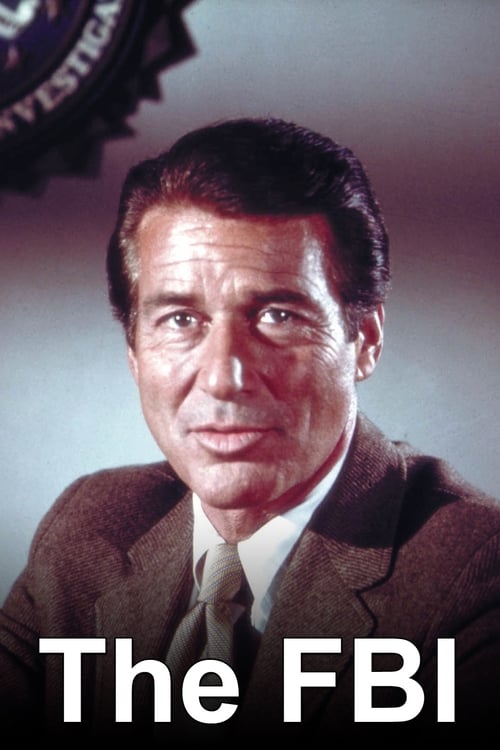
The F.B.I. is an American television series that was broadcast on ABC from 1965 to 1974. It was sponsored by the Ford Motor Company, and the characters almost always drove Ford vehicles in the series. Alcoa was co-sponsor of Season One only.

The F.B.I.

1965
Studio One
5.4

An American radio–television anthology series, created in 1947 by Canadian director Fletcher Markle, who came to CBS from the CBC. Studio One, presented by Westinghouse, was one of the first of the anthology TV programs. The episodes were often abridged remakes of movies from years gone by and many future well-known television and movie actors appeared in the productions.

Studio One

1948
Medical Center
6.4

Medical Center is a medical drama series which aired on CBS from 1969 to 1976. It was produced by MGM Television.

Medical Center

1969
The Outer Limits
7.8

The Outer Limits is an anthology tv series of self-contained sci-fi-horror stories, sometimes with a plot twist at the end.

The Outer Limits

1963
The Defenders
6.3

The Defenders is an American courtroom drama series . It starred E. G. Marshall and Robert Reed as father-and-son defense attorneys who specialized in legally complex cases, with defendants such as neo-Nazis, conscientious objectors, civil rights demonstrators, a schoolteacher fired for being an atheist, an author accused of pornography, and a physician charged in a mercy killing.

The Defenders

1961
The Invaders
6.8

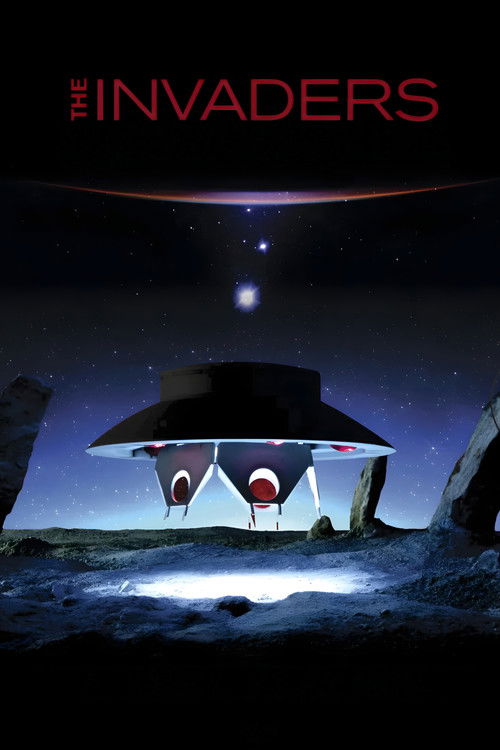
The Invaders, alien beings from a dying planet. Their destination: the Earth. Their purpose: to make it their world. David Vincent has seen them, for him it began one lost night on a lonely country road, looking for a shortcut that he never found. It began with a closed deserted diner, and a man too long without sleep to continue his journey. It began with the landing of a craft from another galaxy. Now, David Vincent knows that the Invaders are here, that they have taken human form. Somehow he must convince a disbelieving world that the nightmare has already begun.

The Invaders

1967
Omnibus
6.3

Omnibus is an American, commercially sponsored, educational television series.

Omnibus

1952
Suspense
5.1

An anthology series adapted from the radio program of the same name. Like the radio program, many scripts were adaptations of literary classics by well-known authors. Classic authors such as Edgar Allan Poe, Agatha Christie, and Charles Dickens all had stories adapted for the series, while contemporary authors such as Roald Dahl and Gore Vidal also contributed.

Suspense

1949
I Spy
6.5

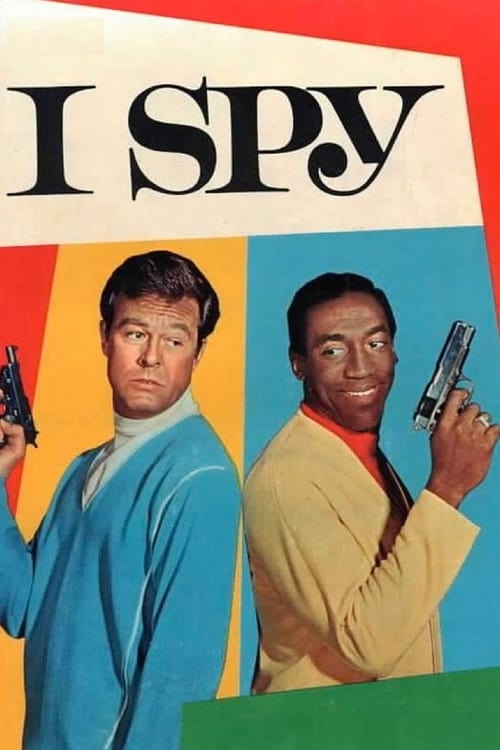
A pair of intelligence agents posing as a tennis pro and his coach go on secret missions around the world.

I Spy

1965
The Rat Patrol
7.2

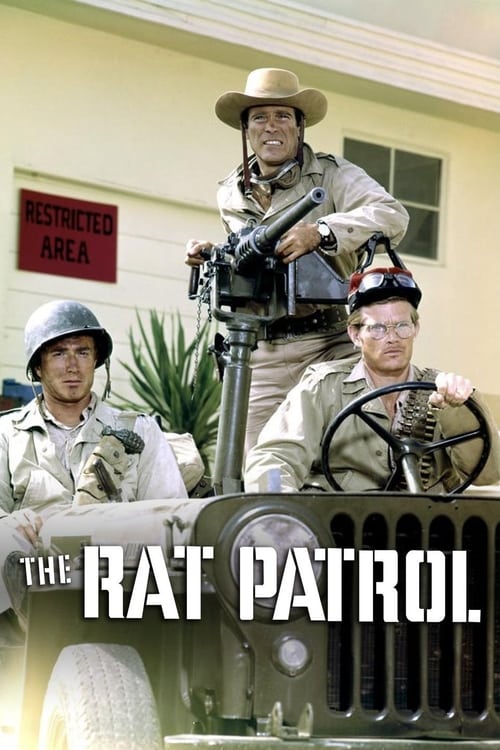
The exploits of four Allied soldiers — three Americans and one Englishman — who are part of a long-range desert patrol group in the North African campaign during World War II. Their mission: "to attack, harass and wreak havoc on Field Marshal Rommel's vaunted Afrika Korps".

The Rat Patrol

1966
The Grissom Gang
6.7

Violent crime caper set in 1930s Kansas in which a gang kidnap an heiress and attempt to recover a ransom. However, the scheme is jeopardised when the leader falls in love with their beautiful captive.

The Grissom Gang

1971
No image
8.0

Ford Theatre, spelled Ford Theater for the radio version and known as Ford Television Theatre for the TV version, was a radio and television anthology series broadcast in the United States in the 1940s and 1950s. At various times the television series appeared on all three major television networks, while the radio version was broadcast on two separate networks and on two separate coasts. Ford Theatre was named for its sponsor, the Ford Motor Company, which had an earlier success with its concert music series, The Ford Sunday Evening Hour.

Ford Theatre

1948
No image
7.5

Profiles in Courage is an American historical anthology series that was telecast weekly on NBC from November 8, 1964 to May 9, 1965. The series was based on the recently President John F. Kennedy's Pulitzer Prize winning book, Profiles in Courage.

Profiles in Courage

1964
Hallmark Hall of Fame
8.8

Long-running anthology program sponsored by Hallmark Cards. Beginning in 1951 and continuing into 2019, the series received 80 Emmy Awards, 24 Christopher Awards, 11 Peabody Awards, 9 Golden Globes, and 4 Humanitas Prizes. Early seasons were a weekly live drama, eventually transitioning to videotaped and then filmed productions broadcast as occasional specials.

Hallmark Hall of Fame

1951
Tora! Tora! Tora!
7.2

In the summer of 1941, the United States and Japan seem on the brink of war after constant embargos and failed diplomacy come to no end. "Tora! Tora! Tora!", named after the code words used by the lead Japanese pilot to indicate they had surprised the Americans, covers the days leading up to the attack on Pearl Harbor, which plunged America into the Second World War.

Tora! Tora! Tora!

1970