Acting
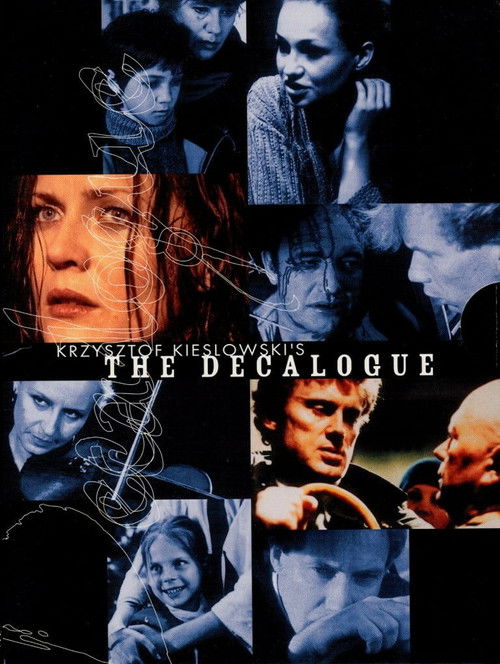
The Ten Commandments, exact and uncompromising, literally cast in stone, continues to provide a source of moral conflict in contemporary society. In the ten part collection of films, The Decalogue, Krzysztof Kieślowski examines the dilemma of fundamental sin in the lives of ordinary Warsaw citizens.
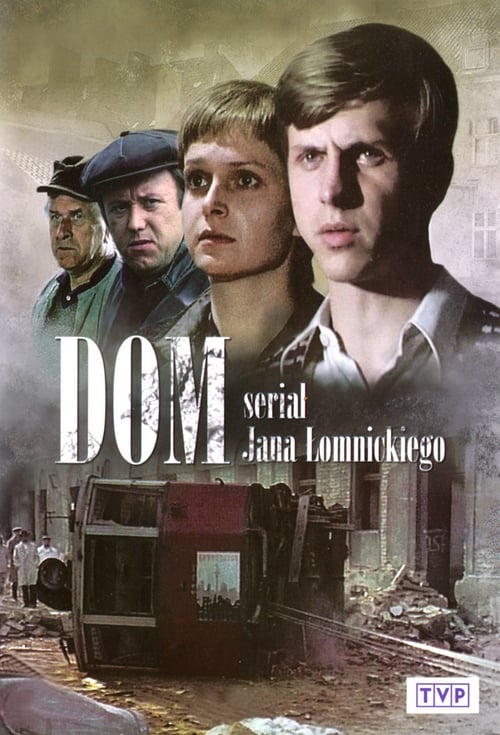
The story of the residents of a tenement house on Złota Street in Warsaw from 1945 to 1980.
A series about the adventures of a Polish secret agent, Hans Kloss, who acts as a double agent in the Abwehr during Second World War in occupied Poland.
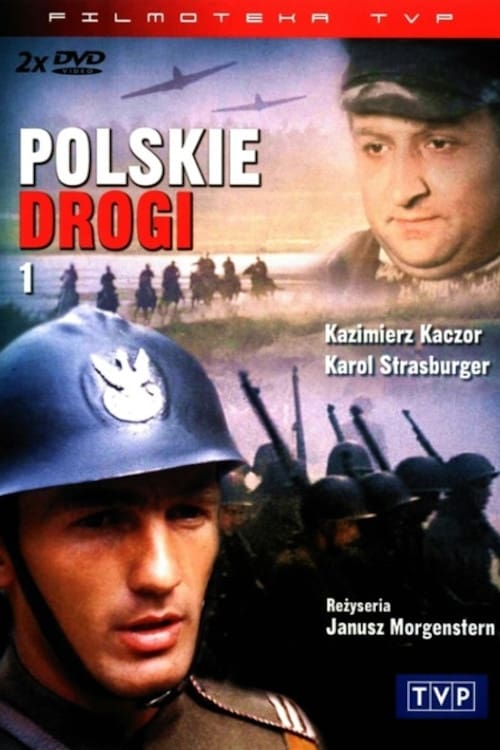
An epic, multi-threaded story about the fate of Poles during World War II. "Czas pogardy" was shown primarily from the perspective of two main characters - Lieutenant Władysław Niwiński and Leon Kuraś - a petty crook, but not without heroic traits. The authors of the series sought to show, in particular, everyday life under Nazi occupation in Poland.
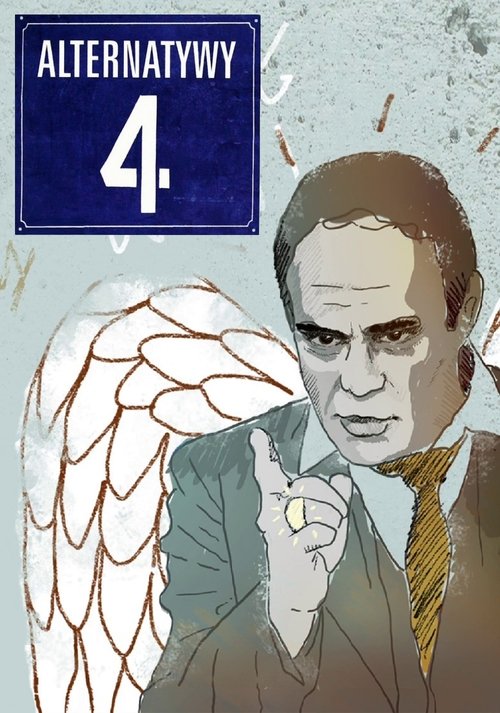
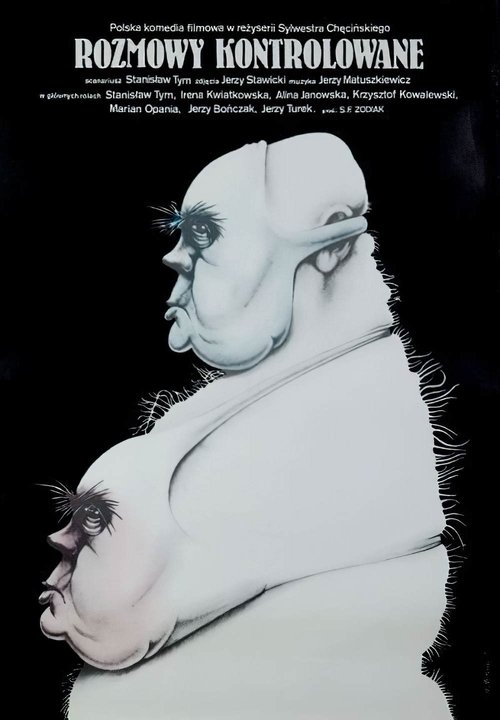
4 Alternative Street was a Polish comedy TV show that was finished in 1983 and aired in 1986 due to censorship. Many famous Polish actors appeared in the series. The filming location used in the mini series was a residential complex which is still in existence at 3 Grzegorzewska Street in Warsaw, Poland. The series was a satire to the communist rule in Poland, spoken in a way that it passed through communist censorship office.
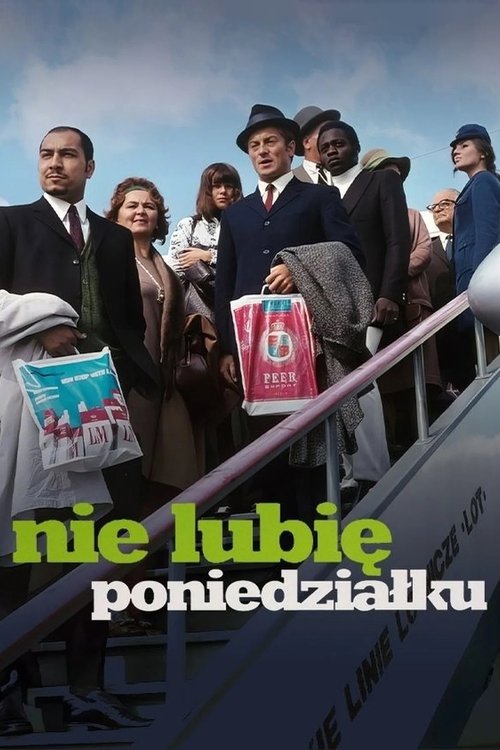
An acute case of Mondayitis in Warsaw. Interwoven stories of a few inhabitants of Warsaw, including one very unlucky Italian on a governmental mission and a charitable Polish American.
Marianek is an unlucky man and not successful in his affairs. At the same time, he is a dove-hearted man, sensitive to other people’s misfortunes and harm, willing to help, even at his own expense. He is always ready to solve the problems of others, although he is usually not very good at it. His favorite saying is “absolutely”.
No description available.
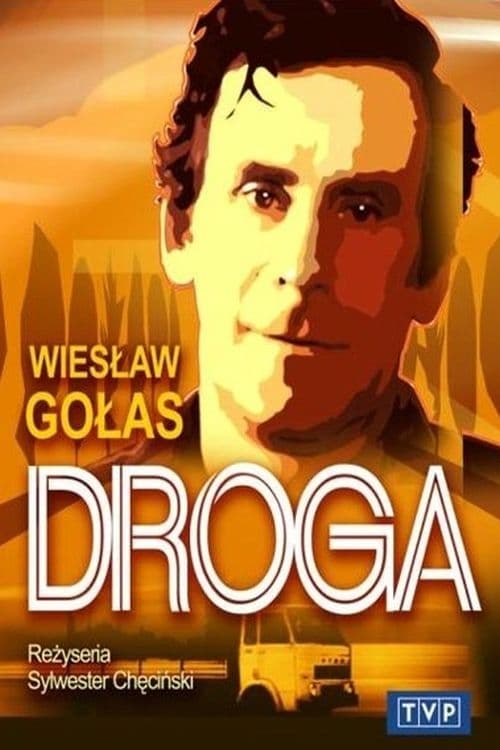
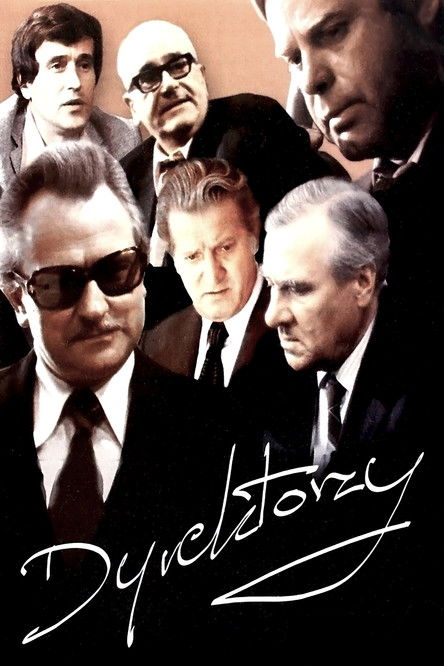
1957. Excessively high production standards imposed by the authorities result in the plan not being fulfilled, and the workers cannot imagine living normally without rewards and bonuses. A rebellion breaks out. Worker democracy wins – the working class elects a director from among its own ranks. He is an old locksmith with no managerial experience. Although he believes in the socialist spirit and has a communist past, he does not hold the position for long, as he makes promises too easily that he is unable to keep.
A young poet is hired to boost the morale of water pump workers.
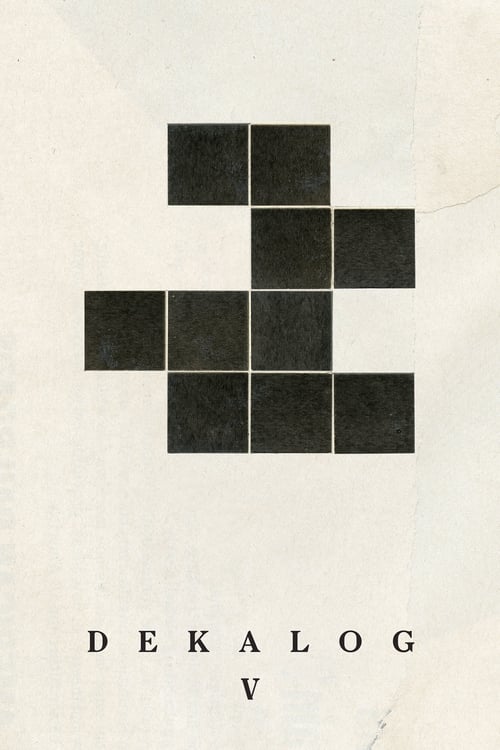
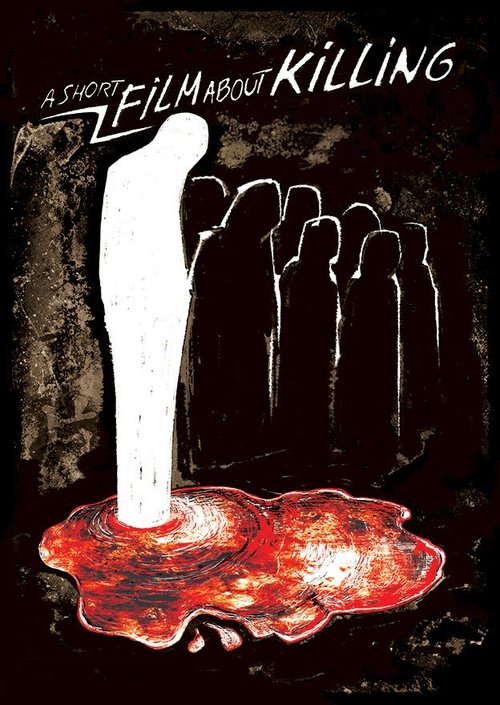
Jacek, an angry drifter, murders a taxi driver, brutally and without motive. His case is assigned to Piotr, an idealistic young lawyer who is morally opposed to the death penalty, and their interactions take on an emotional honesty that throws into stark relief for Piotr the injustice of killing of any kind.
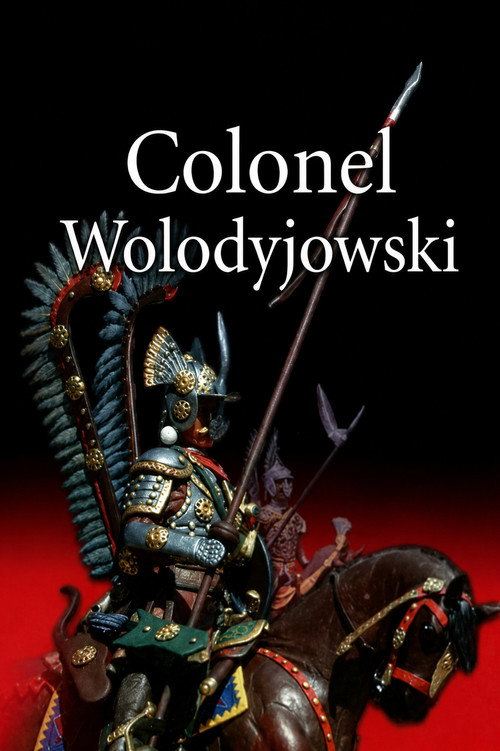
In 1668 Polish colonel Michał Wołodyjowski, who recently retired to a monastery, is recalled to active duty and takes charge of Poland's eastern frontier defenses against invading Tatar hordes and Ottoman armies.
Jacek climbs into the taxi driven by Waldemar, tells him to drive to a remote location, then brutally strangles him, seemingly without motive.
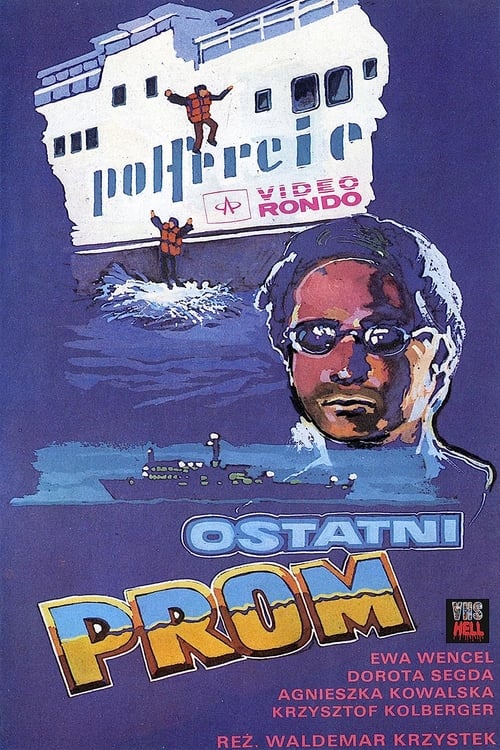
One of the passengers on a ship carrying Poles on a cruise in December 1981 is a dissident high school teacher sent abroad by Solidarity. He is under surveillance of the secret police, anxious to get their hands on the info that he is carrying. When the ship is in the middle of the Baltic sea, martial law is declared and the ship is militarized. The captain announces he will turn and return the home port. Many anguished passengers put the life vests on and jump into the sea, where they are picked up by two German ships. The teacher, however, decides to return to Poland and continue the struggle for freedom.
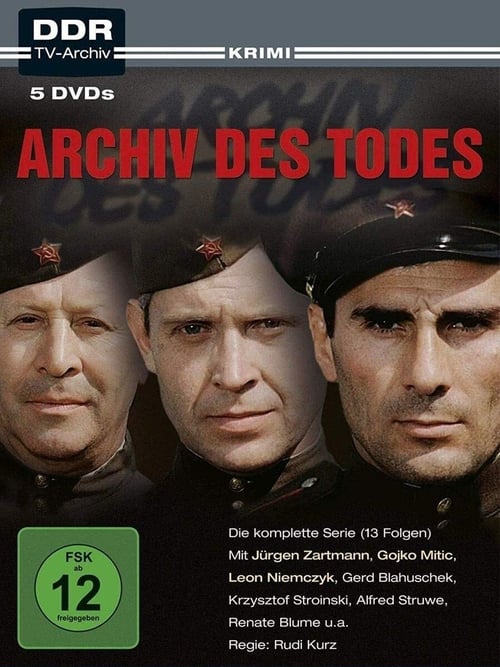
Archiv des Todes is a 1980 13-part television series German war television film series set during World War II.
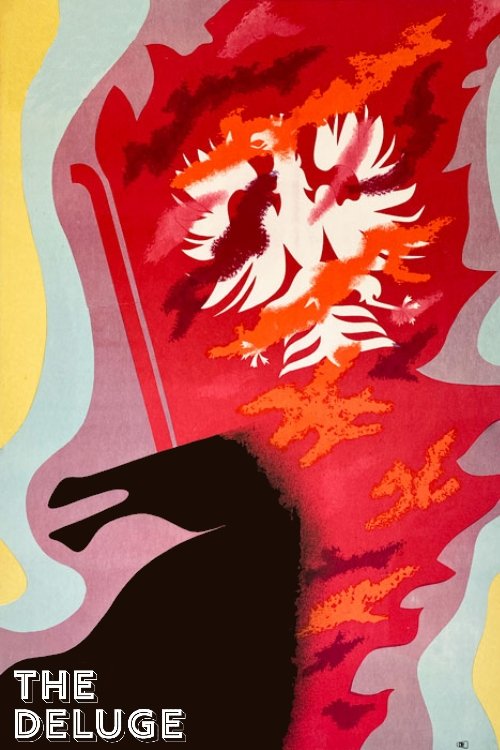
During the Swedish invasion of Poland, the brave warrior Andrzej Kmicic, considered a traitor to the nation, fights for a country, redemption and love across the 17th-century Polish territories.
Ryszard Ochódzki receives a special assignment for UB - infiltrating the "Solidarity" party branch in Suwałki. His arriving there coincides with the imposition of martial law on Poland.
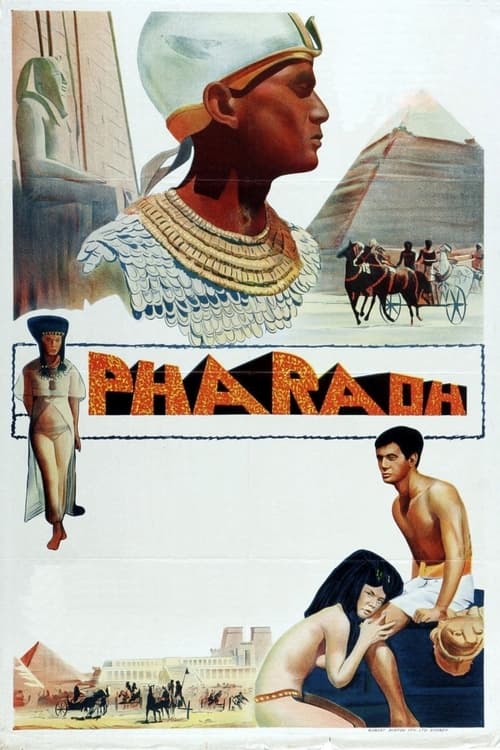
Young Pharaoh Ramses XIII clashes with Egypt's clergy over influence on the affairs of the state and its coffers. inexperienced, but quite ambitious pharaoh is putting up a fight against a powerful clan of priests usurping rule over the country.
The year is 1989, and the country's first free elections in a long time are approaching. A man in a cycling cap organizes a chain of clean hands, using it as a tool in his election campaign. In the queue outside the passport office, people chat, make plans, and ponder what's worth selling abroad. Writers observe the world around them. One of them is applying for a passport. In Dzierżyński Square, the monument to Feliks Edmundowicz is being dismantled. Two drunk men sleep on a bench, and behind them is a sign reading: "All is well." The two writers observe the ongoing transformation of the political system.