Acting
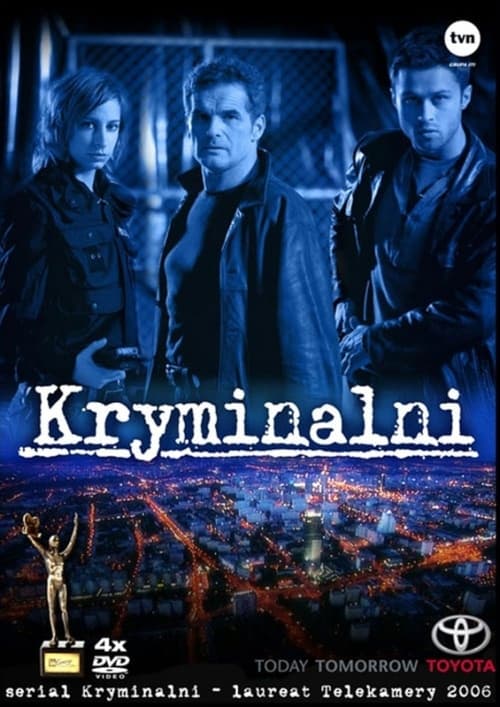
Kryminalni was a Polish crime drama television series that aired on TVN network from September 18, 2004 until May 24, 2008. It ran for 8 seasons and 101 episodes were broadcast in total. It was created by Polish director and screenwriter Piotr Wereśniak and produced by MTL Maxfilm studio. The series followed life and work of police officers from the elite Criminal Terror and Murders Division of the Warsaw Metropolitan Police; the title refers to police officers in the crime section. The three main characters were Adam Zawada, an experienced, tough cup, his younger colleague Marek Brodecki and Barbara Storosz, an ambitious female officer who in the first season joins the team just after graduating. Although none of the main actors had had star status before the series debuted, all three of them rose to prominence and popularity during the 5-year-long run. Many of Poland's best known actors guest starred, usually playing roles of people involved in just one particular investigation. The serial was one of the most popular in Poland: each week it had an audience of 4 million.
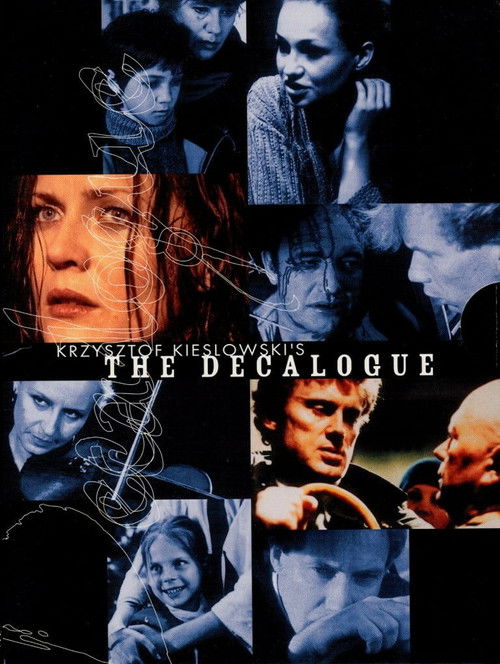
The Ten Commandments, exact and uncompromising, literally cast in stone, continues to provide a source of moral conflict in contemporary society. In the ten part collection of films, The Decalogue, Krzysztof Kieślowski examines the dilemma of fundamental sin in the lives of ordinary Warsaw citizens.
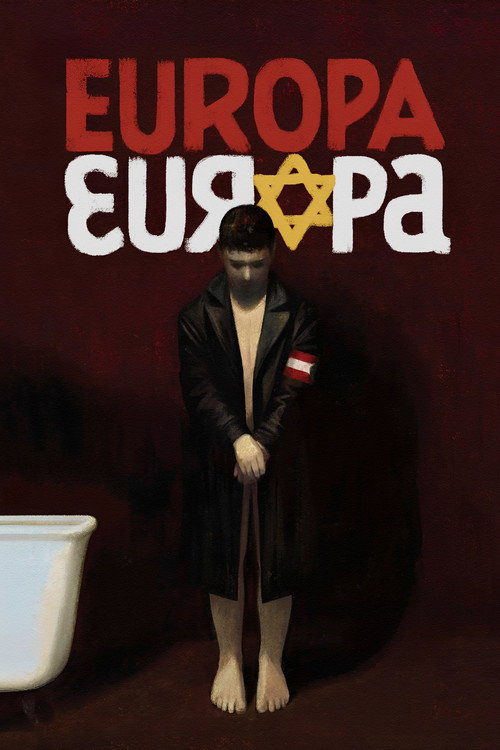
A Jewish boy separated from his family in the early days of WWII poses as a German orphan and is taken into the heart of the Nazi world as a 'war hero' and eventually becomes a Hitler Youth.
Pressured by his superiors to disgrace public intellectual Warczewski, a professor and respected writer whom they believe to be a "camouflaged Zionist," rough security-services colonel Rozek enlists his sexy but naive girlfriend, Kamila, to insinuate herself into the distinguished older man's life and report on his every move. Not particularly interested in serving communism but eager to please her domineering lover, Kamila accepts the mission, reporting under the code name "Little Rose." As quick scenes contrast Kamila's crude pleasures with Rozek and her more refined experiences with Warczewski, it becomes clear that the more time the unschooled young woman spends with the professor, the more she comes to have true feelings for him.
Jacek, an angry drifter, murders a taxi driver, brutally and without motive. His case is assigned to Piotr, an idealistic young lawyer who is morally opposed to the death penalty, and their interactions take on an emotional honesty that throws into stark relief for Piotr the injustice of killing of any kind.
On the eve of World War II, Polish families are getting ready to defend the city.
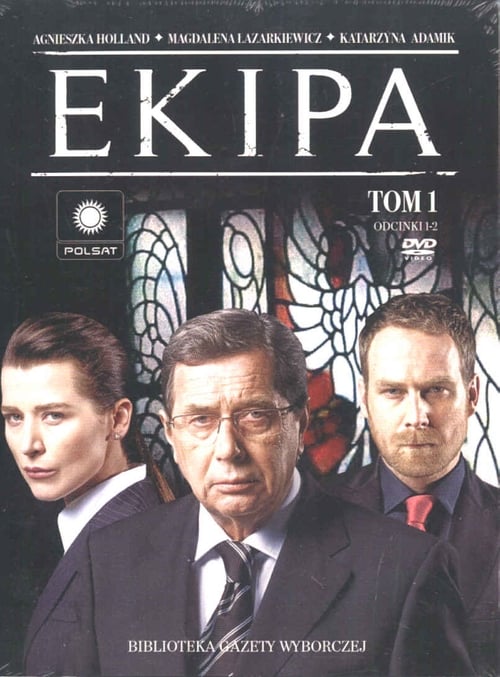
Ekipa is a Polish political drama TV series created and directed by Agnieszka Holland, aired from 13 September 2007 until 6 December 2007 on Polsat. Ekipa is the second Polish political fiction series after the 1980s miniseries The Career of Nicodemus Dyzma.
It is a bitter story about a middle-aged man, who hates his life and other people, including himself. Adam Miauczynski, the character known from director Marek Koterski's previous films, is a 49 year-old teacher, who reads poetry during school lessons and later goes home swearing and calling his neighbours' names. The worst pain for him is the next 5 minutes of living. He doesn't accept himself and even everyday contacts with others cause his aggression. Though constantly dreaming of a romantic love, he is not bold enough to make his dreams come true. The desperate Miauczynski personalizes our own fears and obsessions, which have become so visible recently.
Jacek climbs into the taxi driven by Waldemar, tells him to drive to a remote location, then brutally strangles him, seemingly without motive.
Nikos is a master of funeral ceremonies (that's undertaker to you and me) who doesn't expect much from life. After drunkenly insulting a diplomat at a party, weird things begin to happen for Nikos. The news that a mysterious stranger offended the hated Deputy Prime Minister galvanizes the political elite assembled at the banquet, and a rumor that Nikos can take care of anything spreads like wildfire, making him an idol of the masses.
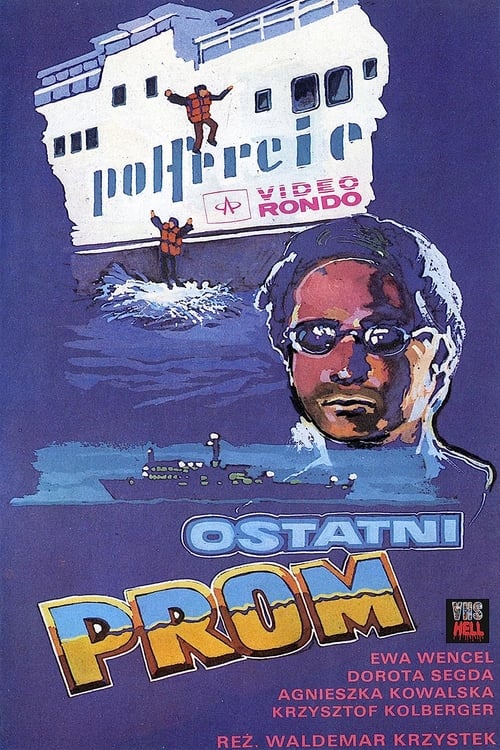
One of the passengers on a ship carrying Poles on a cruise in December 1981 is a dissident high school teacher sent abroad by Solidarity. He is under surveillance of the secret police, anxious to get their hands on the info that he is carrying. When the ship is in the middle of the Baltic sea, martial law is declared and the ship is militarized. The captain announces he will turn and return the home port. Many anguished passengers put the life vests on and jump into the sea, where they are picked up by two German ships. The teacher, however, decides to return to Poland and continue the struggle for freedom.
A young waiter meets a middle-aged couple during new years eve, in an old hotel, somewhere in Poland...
No description available.
In post-communist Poland, former secret police agent Franz Maurer works as a regular cop pursuing a major drug ring. As he and his old comrades lose their privileges and face public scorn in the new reality, Franz realizes that some of his former colleagues are now on the opposite side of the law.
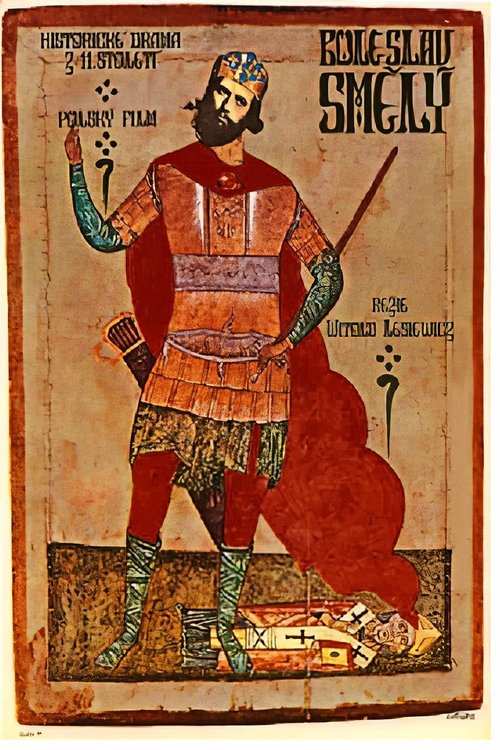
Portrays the power struggle between the king of Poland, Bolesław the Bold, and the Bishop of Kraków, Stanisław Szczepanowski.
A journalist from "Gazeta Wyborcza" recalls his investigative reports and the consequences he suffered while trying to reveal the truth.
Based on a true story dating back to 1985 when two Polish boys, a teenager and his little brother, escaped from communist Poland all the way to Sweden, hidden under a truck. In the movie, their destination has been changed to Denmark.
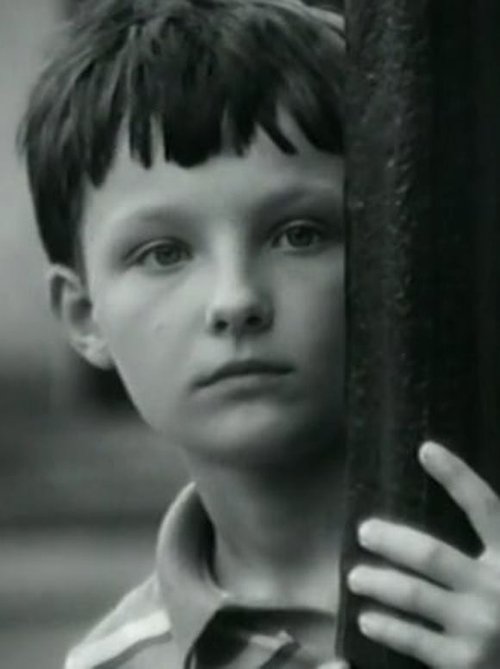
A short story about the absence of the father in the life of a 13-year-old boy.
A surreal collage of interrelated threads revolving around history of thirty-year-old Kuba who, with his parents' encouragement, decides to take his first job. Though none too convinced, he starts work as a delivery man. Having set out on his first delivery soon after he witnesses a traffic accident. He ends up giving a statement at the police station. And his plans begin to unravel. By a twist of fate Kuba has no idea about the significance of the part he will have to play on this particular day.
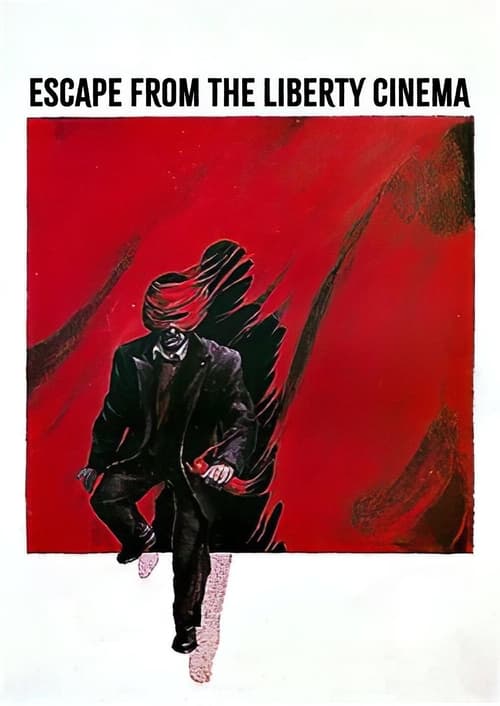
The screening of a movie "Daybreak" at the "Liberty" Cinema is interrupted by an unusual event - actors come to life on the screen, start conversations among themselves, draw the audience into them. Crowds gather around the cinema, the relevant authorities and services wonder what to do in this complicated situation. Also arriving is the censor, a man reaching his fifties, a one-time literary critic and journalist. The line between fiction and reality begins to blur.