Acting
No description available.
Londyńczycy is a Polish TV drama series about Polish immigrants in London, aired on TVP 1 since late 2008. It is currently aired on Community Channel. The title music for the series is the Robbie Williams song "Supreme".
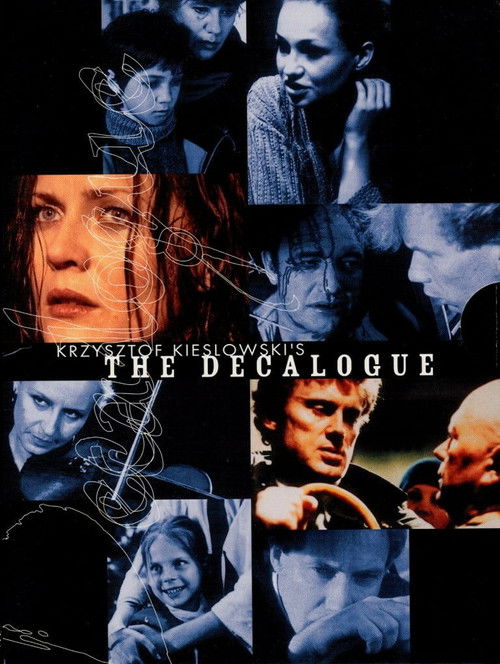
The Ten Commandments, exact and uncompromising, literally cast in stone, continues to provide a source of moral conflict in contemporary society. In the ten part collection of films, The Decalogue, Krzysztof Kieślowski examines the dilemma of fundamental sin in the lives of ordinary Warsaw citizens.
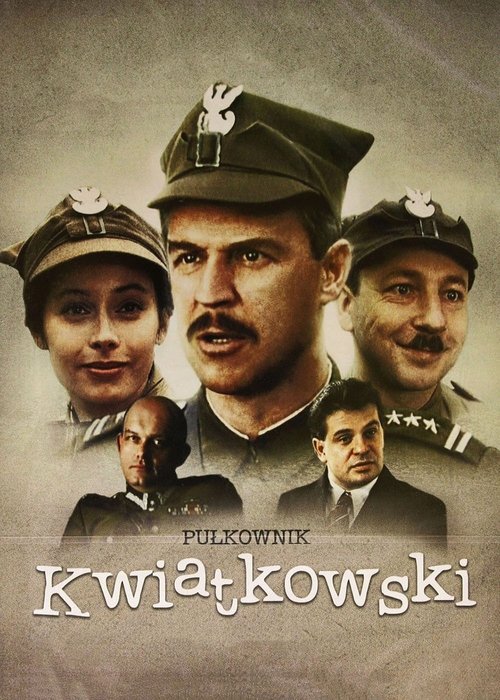
Military doctor Kwiatkowski, serving in a barracks hospital on the Western Territories, is rewarded with a week’s leave after successfully operating on Colonel Kiziora of the UB. He and his friend steal a truck bound for Warsaw, where among the ruins of his former home he meets his prewar neighbor Krysia, instantly falls in love, and, after a brawl with a Russian officer at a dance in the surviving “Polonia” hotel, pretends to be a high-ranking UB colonel to save face.
Danton and Robespierre were close friends and fought together in the French Revolution, but by 1793 Robespierre was France's ruler, determined to wipe out opposition with a series of mass executions that became known as the Reign of Terror. Danton, well known as a spokesman of the people, had been living in relative solitude in the French countryside, but he returned to Paris to challenge Robespierre's violent rule and call for the people to demand their rights. Robespierre, however, could not accept such a challenge, even from a friend and colleague, and he blocked out a plan for the capture and execution of Danton and his allies.
On September 1st, 1939, Nazi Germany invades Poland, unleashing World War II. On September 17th, the Soviet Red Army crosses the border. The Polish army, unable to fight on two fronts, is defeated. Thousands of Polish men, both military and government officials, are captured by the invaders. Their fate will only be known several years later.
"Emilia" is a parody of Jean-Pierre Jeunet's "Amelia". The title heroine was brought up in very specific conditions. Her parents could not transfer enough affection and knowledge to the growing child. Therefore, the girl created her own inner world in her mind, to live in complete isolation from the environment. One day, 19-year-old Emilia finds her life goal - she decides to do good around her. Unfortunately, bad luck means that people who meet on their way do not really need any help from her ...
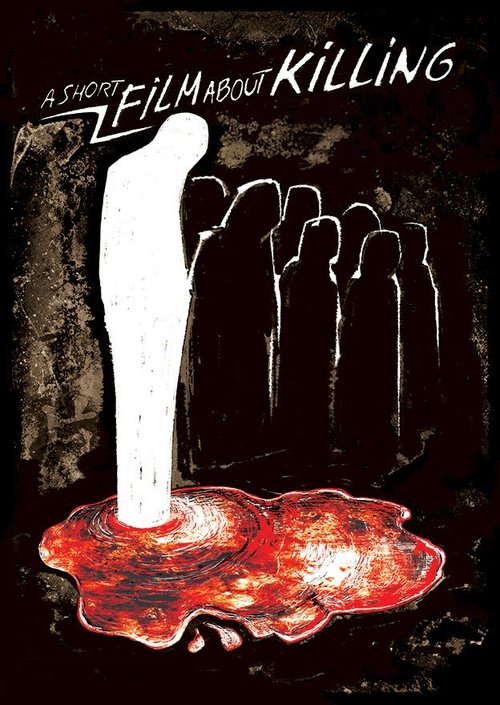
Jacek, an angry drifter, murders a taxi driver, brutally and without motive. His case is assigned to Piotr, an idealistic young lawyer who is morally opposed to the death penalty, and their interactions take on an emotional honesty that throws into stark relief for Piotr the injustice of killing of any kind.
Three soldiers who met while each was serving a different partition of Poland form a friendship that lasts after their homeland regains independence.
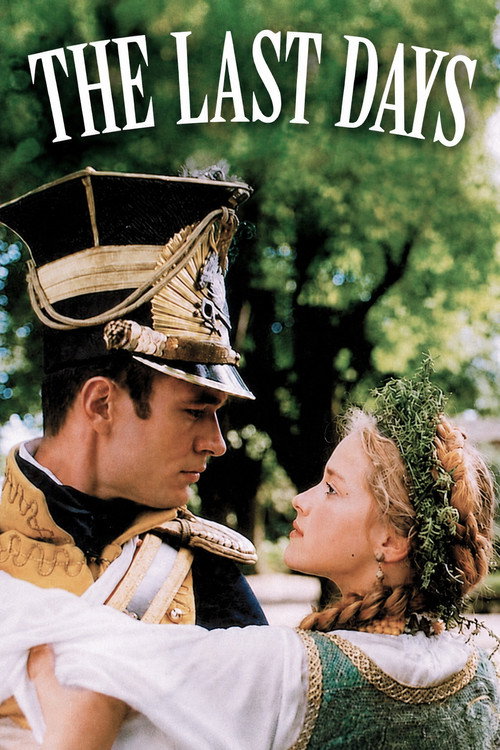
Romance brings two warring families together in this historical drama. As citizens fight for independence in 1810s Lithuania, Tadeusz, the son of a murderer, and Zosia, a young woman, come together for a wedding against a backdrop of changing politics, ancient traditions, and the uncertain future of a country.
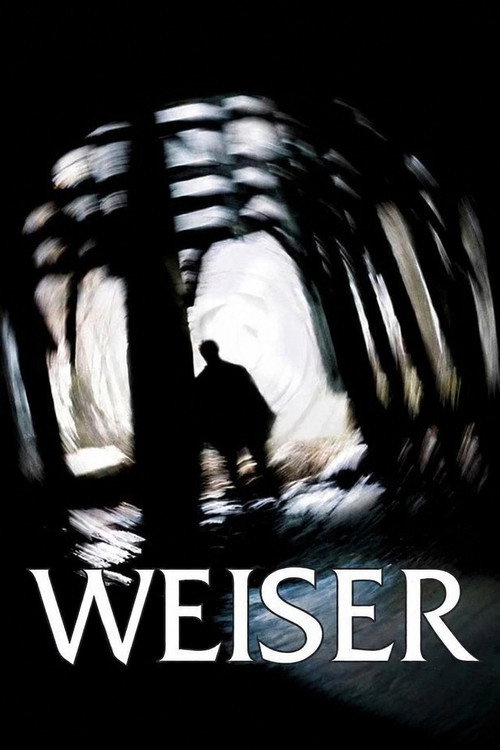
The film is based on the well-known, translated into many languages novel of writer Pawel Huelle. It is imbued with nostalgia and the atmosphere of mystery story of a group of children, fascinated by the figure of a man named David Weiser.
Jacek climbs into the taxi driven by Waldemar, tells him to drive to a remote location, then brutally strangles him, seemingly without motive.
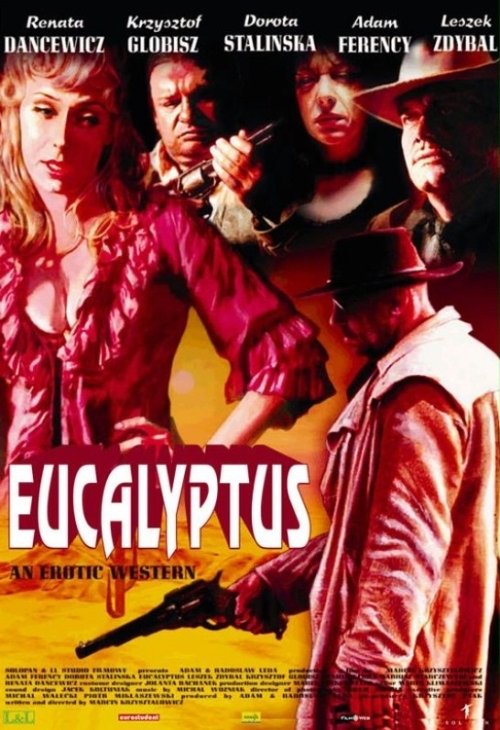
A story about the search for an ideal in a world devoid of values. It is a surreal parable about human nature, played out in the convention of a Western, in which the myth of the Wild West is put to the ultimate test of endurance. In the Wild West's most demoralized town, Rio Bravo, love is hotter, crime more cruel and poetry more poetic than Byron himself. The minds of the residents of Rio Bravo are consumed by venereal disease, leaving behind an uncontrollable longing for Eucalyptus. The film's protagonist, Sony Holiday, a mythical figure of the Wild West, is known not only for his fast revolver, but also for his possession of an unusual bird. This bird, an object of worship and envy, fuels a spiral of crime and gruesomeness in the town.
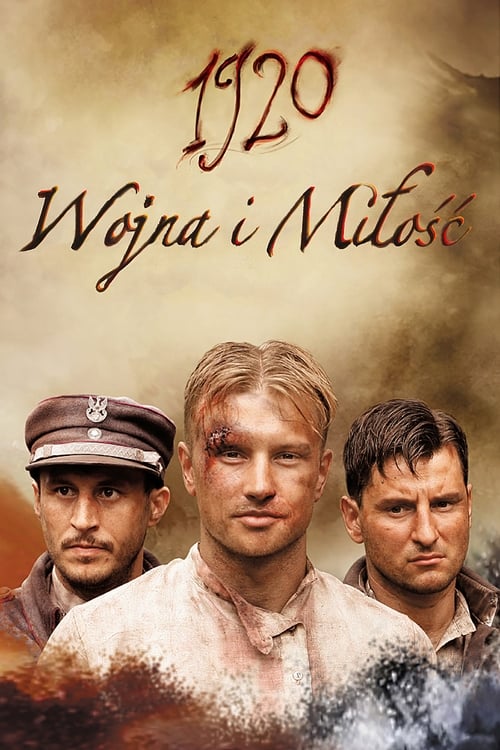
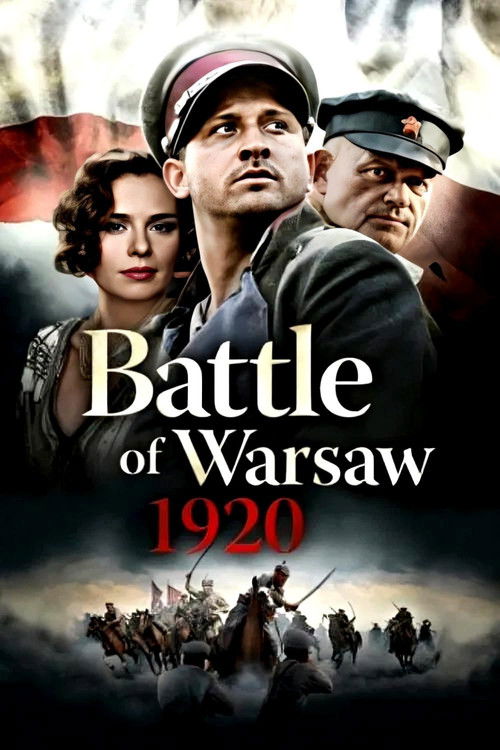
Poland's winning battle against Soviet Russia as seen through the eyes of two young protagonists, Ola and Jan. She is a Warsaw cabaret dancer, while he is a cavalry officer and poet who believes in socialist ideals
Pressured by his superiors to disgrace public intellectual Warczewski, a professor and respected writer whom they believe to be a "camouflaged Zionist," rough security-services colonel Rozek enlists his sexy but naive girlfriend, Kamila, to insinuate herself into the distinguished older man's life and report on his every move. Not particularly interested in serving communism but eager to please her domineering lover, Kamila accepts the mission, reporting under the code name "Little Rose." As quick scenes contrast Kamila's crude pleasures with Rozek and her more refined experiences with Warczewski, it becomes clear that the more time the unschooled young woman spends with the professor, the more she comes to have true feelings for him.
Poland, 1970. Firmly determined to fight against Soviet tyranny and prevent the destruction of the world, the high-ranking officer of the Polish army Ryszard Kukliński makes a serious decision that will put his life, his family and the fate of an entire nation at risk.
When Kuba finds out his girlfriend Ewa is pregnant, he reflects on life and wants to prepare to do everything he can to be a great father and provider. Kuba wants to be a responsible man but he isn't sure what is the ideal way to live. He visits his three uncles seeking their advice on what he should do. As they all have their own perspectives, each of his uncles guides him in new directions.
Two intellectuals, a writer and a director, begin to play a mysterious psychological game in a peaceful countryside manor house during the Nazi occupation.