Solveig Hoogesteijn
Directing
Biography
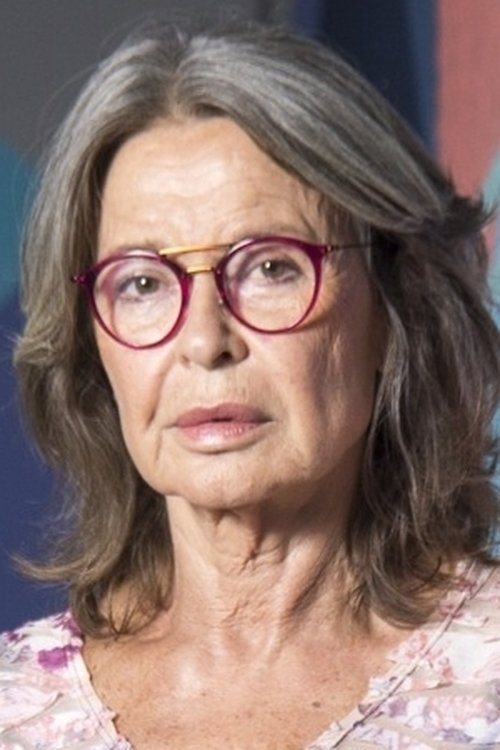
Solveig Hoogesteijn is a Swedish-Venezuelan filmmaker, screenwriter, director and producer. She first studied Art and Literature at Universidad Central de Venezuela in Caracas, and graduated in 1976 from the University of Television and Film Munich. Her knowledge and experience of European culture and Latin American societies, has defined her task of building bridges between the two continents through culture.
Known For

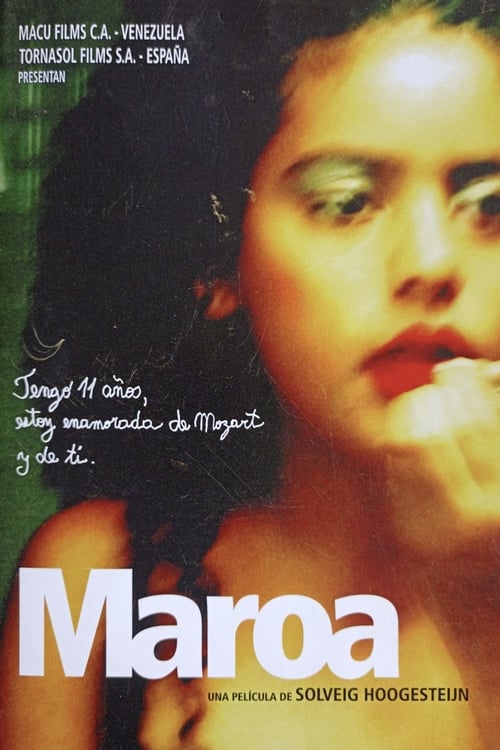
Eleven-year-old petty criminal Maroa lives with her violent grandmother Brigida in Caracas. After her boyfriend Carlos is involved in a shooting, Maroa is arrested and sent to a school where Joaquin conducts the youth orchestra, and he asks the naturally talented Maroa to join. Days now revolve around the classes that Joaquin, the shy and unconventional teacher, gives her. He is immediately interested in this talented young girl, who lacks all notion of discipline. Joaquin, the only person to offer hope in the midst of her rejection, finds that through Maroa, his world has also changed forever.
Maroa

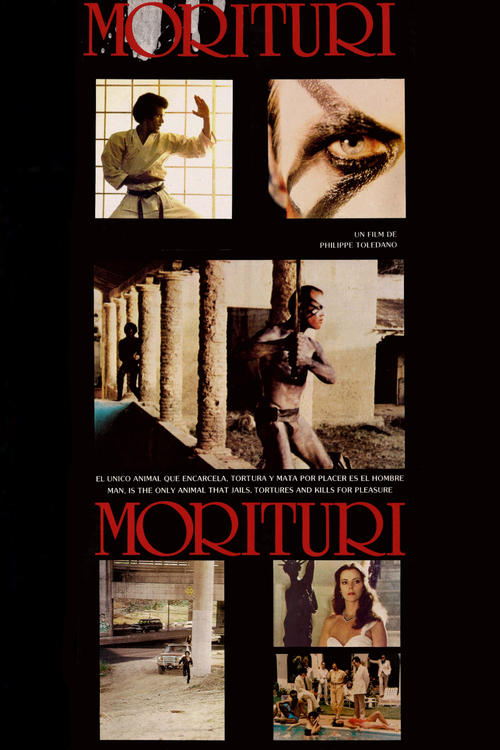
An eccentric millionaire gives a party for his birthday. With his friends, gamblers and collectors , they play games in their own way. One of them, a woman, suggests this: since they're all gamblers they should play a fortune on the life of one of them.
Morituri

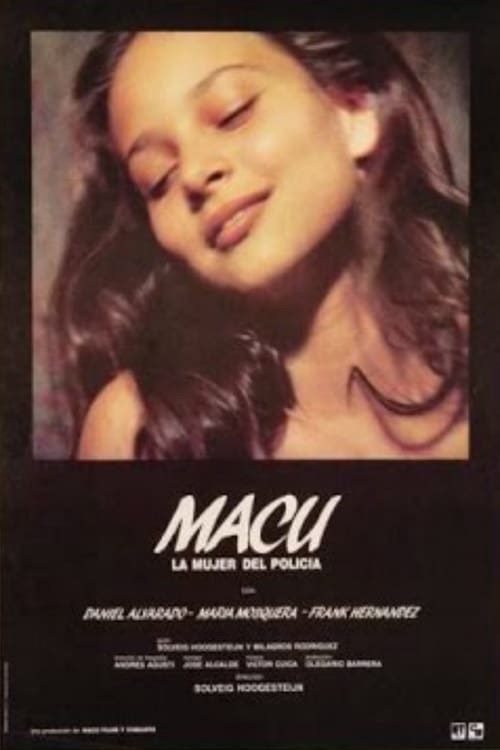
Directed by Solveig Hoogesteijn, Macu, the Policeman's Woman (1987) is a Venezuelan crime drama based on a true story. The film follows Macu, a young woman living in a Venezuelan shantytown, who becomes romantically involved with a local policeman named Ismael. As their relationship develops, Ismael's jealousy intensifies, leading to tragic consequences. The narrative delves into themes of power, control, and the dynamics of abusive relationships within marginalized communities. The film is notable for its exploration of gender roles and societal issues in Latin America.
Macu, la mujer del policía

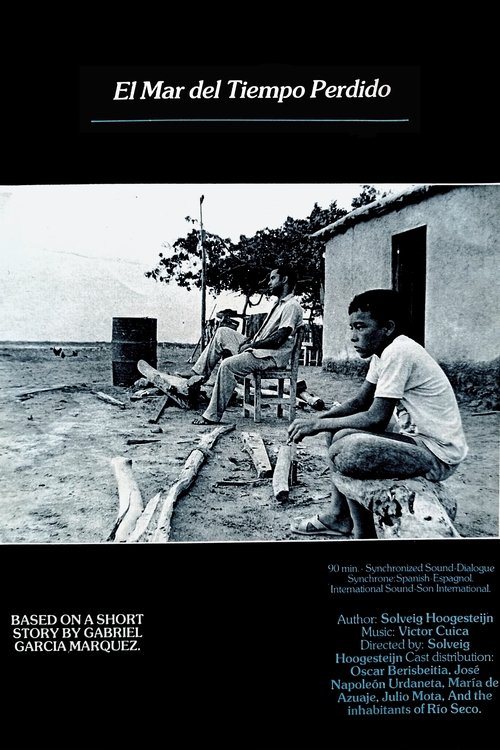
In a coastal town with no name and desolated by poverty, the sea suddenly begins to exhale a scent of roses that transforms the lives of all the villagers.
El mar del tiempo perdido

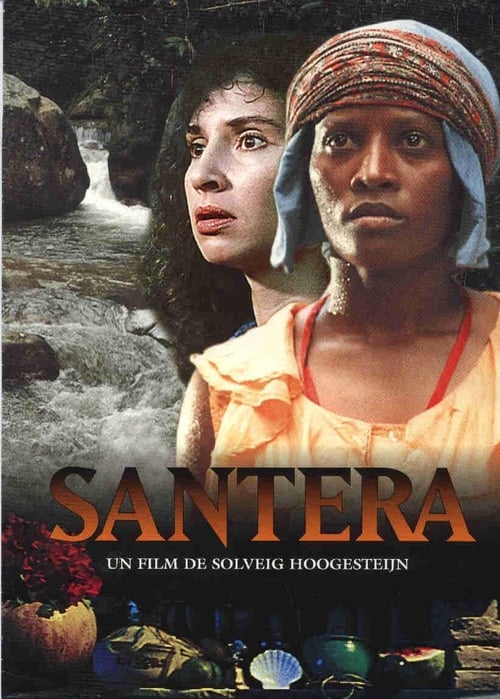
About a mysterious and troubled black woman, a former practitioner of the Santería religion, who must comes to terms with her background whilst in a Caracas jail.
Santera

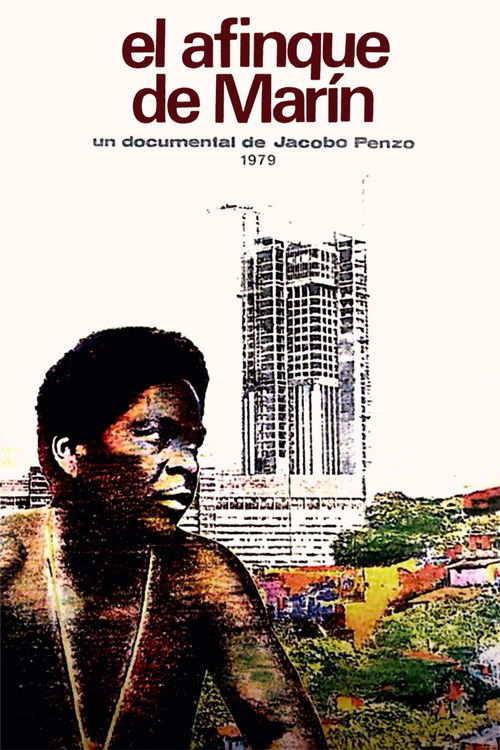
El afinque de Marín (1979) is an iconic Venezuelan documentary directed by Jacobo Penzo that explores the life, culture, and popular music of the Caracas neighborhood of Marín. Far from being merely a film about music, it delves into the social roots and collective identity of the barrio, using rhythm and everyday life as a lens to reveal the bonds, struggles, and shared histories of its inhabitants. Through its intimate portrayal of people, sounds, and spaces, the film becomes a vivid testament to popular culture as a living expression of community and belonging.
El afinque de Marín

The intent of novice director Solveig Hoogesteijn to make a drama about two Venezuelans from opposite sides of the economic and social tracks wobbles and weakens in the telling. Although the two compatriots both live in the capital, Caracas, and both love music, they have a need to go out into the rest of the country and discover their roots. As big-city dwellers, they are limited in their perspectives, though this excursion into other areas of Venezuela may prove more illuminating to them than to a foreign audience.
Manoa

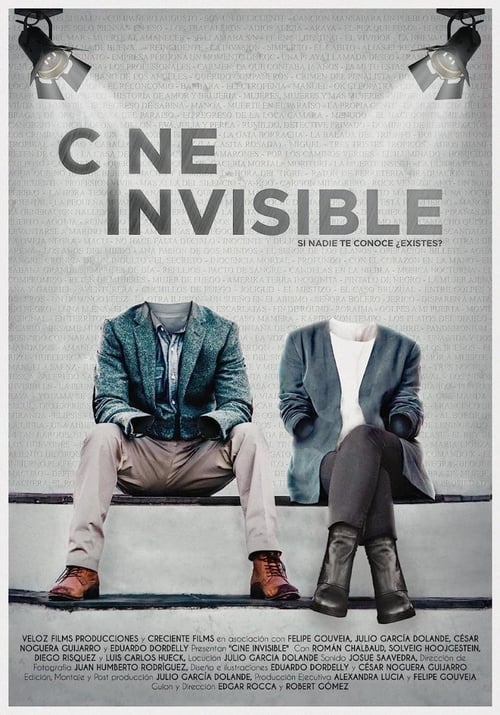
A thesis on the history, the successes and failures of Venezuelan and Latin American cinema as a whole; demonstrating how little interaction there is between Ibero-American cinema