Zoltan Korda
Directing
Biography
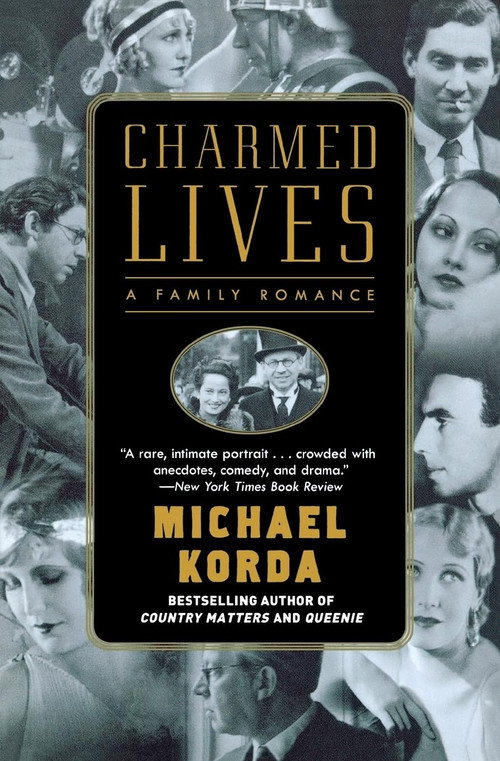
From Wikipedia, the free encyclopedia Zoltan Korda (3 June 1895 – 13 October 1961) was a Hungarian-born motion picture screenwriter, director and producer. Born Zoltán Kellner, Kellner Zoltán in Hungarian name order, of Jewish heritage in Pusztatúrpásztó, Túrkeve in Hungary (Austria-Hungary), he was the middle brother of filmmakers Alexander and Vincent Korda. Zoltan Korda went to work with his brother Alexander in their native Hungary and in the United Kingdom for his London Films production company. Initially Zoltan Korda functioned as a camera operator then for a time worked in film editing and as a screenwriter. In 1918 and 1920 in Hungary, he directed two silent film shorts and a feature-length silent film in Germany in 1927. In London, he made his English-language directorial debut with the sound drama Men of Tomorrow (1932) then gained wide respect for the adventure film Sanders of the River (1935), starring Paul Robeson and Leslie Banks. The film proved a significant commercial and critical success, giving Korda the first of his four nominations for "Best Film" at the Venice Film Festival. Korda and Robert Flaherty won the Venice festival's "Best Director" award for Elephant Boy (1937). A former cavalry officer, Korda made a number of military action/adventure films, many of which were filmed in Africa or India. As someone with a social conscience, his film projects often reflected that perspective when dealing with the indigenous peoples of the British Empire. Of his directorial efforts, 1939's The Four Feathers starring Sir Ralph Richardson is considered his greatest cinematic accomplishment. Of lasting significance, the film was nominated for the Palme d'Or at the 1939 Cannes Film Festival and was presented again by the Festival committee in 2002 in retrospective. In 1940, Zoltan Korda joined brother Alexander in Hollywood. Working through United Artists, he served as executive producer of The Thief of Bagdad. Zoltan Korda spent the rest of his life in southern California, making another seven films including the acclaimed 1943 World War II drama, Sahara (1943), for which he wrote the screenplay and which starred Humphrey Bogart, and A Woman's Vengeance (1947) with Charles Boyer and Jessica Tandy. Korda was married to Joan Gardner (1930 - 13 October 1961) till his death and had a son, David. The entire family's colorful history is the subject of a book by Zoltan's nephew Michael Korda, Charmed Lives. Poor health, brought on years earlier from a battle with tuberculosis, forced Zoltan Korda's retirement in 1955. He died in 1961 in Hollywood after a lengthy illness and was interred there in the Hollywood Memorial Park Cemetery. Description above from the Wikipedia article Zoltan Korda, licensed under CC-BY-SA, full list of contributors on Wikipedia.
Known For

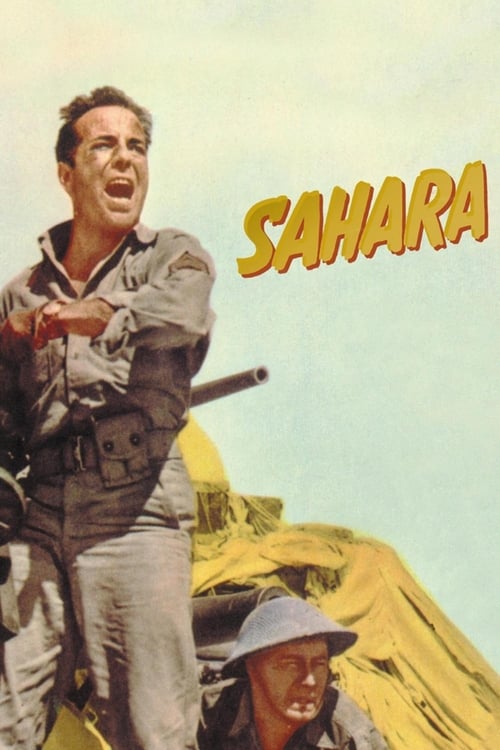
In Libya, an American tank commander, along with a handful of Allied soldiers, tries to defend an isolated well with a limited supply of water from a German Afrika Korps battalion during the Western Desert Campaign of World War II.
Sahara

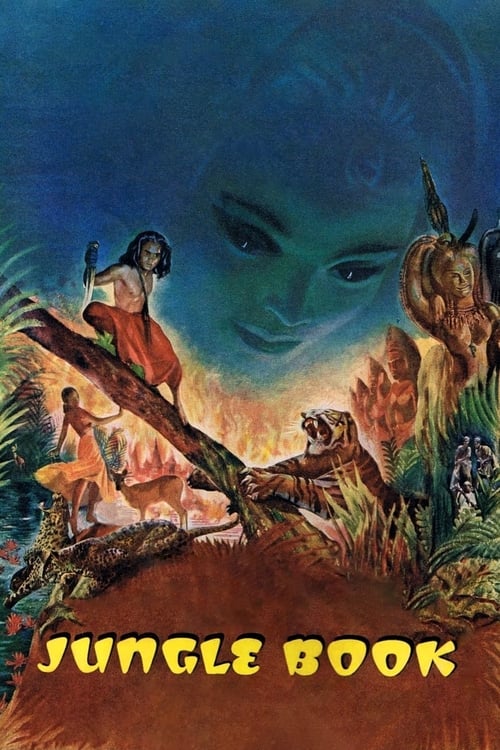
Mowgli, lost in the jungle when a toddler, raised by wolves, years later happens upon his human village and reconnects with its inhabitants, including his widowed mother. Continuing to maintain a relationship with the jungle, adventures follow.
Jungle Book

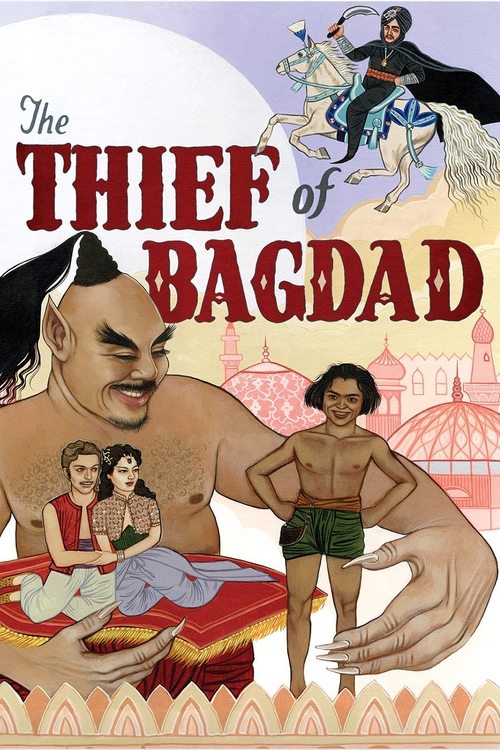
When Prince Ahmad is blinded and cast out of Bagdad by the nefarious Jaffar, he joins forces with the scrappy thief Abu to win back his royal place, as well as the heart of a beautiful princess.
The Thief of Bagdad

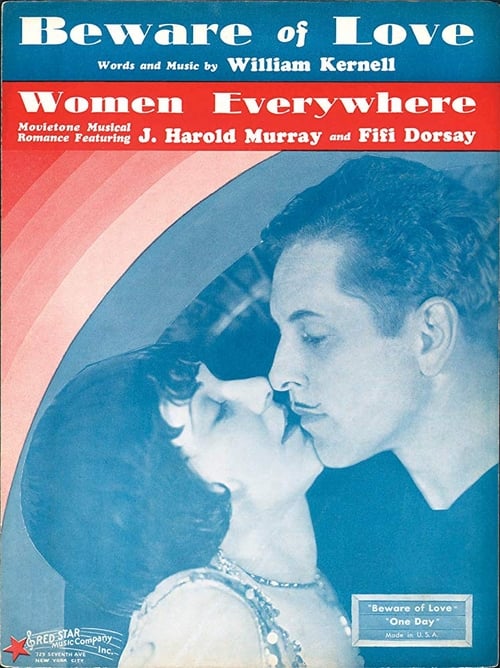
Charles Jackson, an American sea-captain and singing soldier-of-fortune, is arrested by the French Foreign Legion for running guns to the rebel forces in Morocco fighting against the rule of the French in north Africa. He is saved by Lili La Fleur, a singer/dance in a Morocco café and, through her, eventually becomes a hero to the Foreign Legion.
Women Everywhere

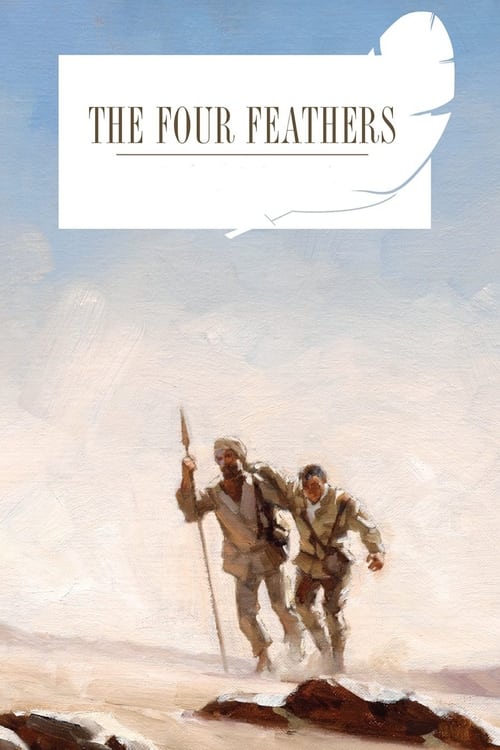
A disgraced officer risks his life to help his childhood friends in battle.
The Four Feathers

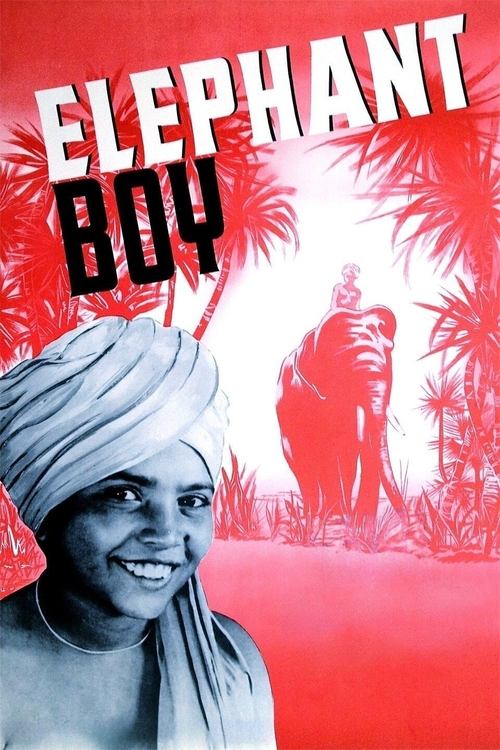
In India, Toomai, a young mahout, helps lead the British on a large expedition to round up wild elephants.
Elephant Boy

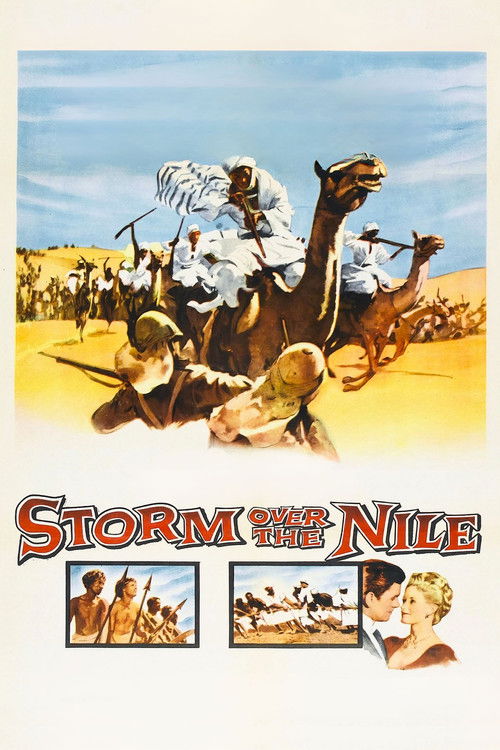
In 1885, while his regiment is sent to the Sudan to battle the rebellious Dervish tribes, British Lieutenant Harry Faversham resigns his officer's commission in order to remain with his fiancée Mary Burroughs in England. His friends and fellow officers John Durrance, Peter Burroughs and Tom Willoughby brand him a coward and present him with the white feathers of cowardice. His fiancée, Mary, adds a fourth feather and breaks off their engagement. However, former Lieutenant Faversham decides to regain his honor by fighting in the Sudan incognito.
Storm Over the Nile

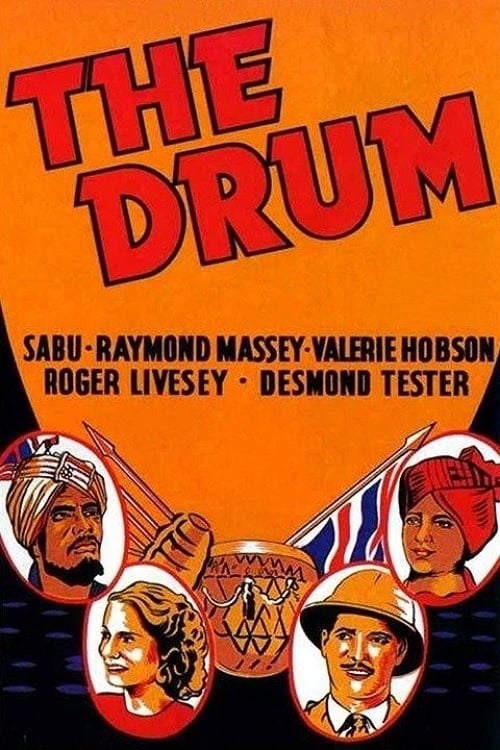
Set in the India of the British Raj, the evil and untrustworthy Prince Guhl (Raymond Massey) plans to wipe out the British troops as they enjoy the hospitality of Guhl's spacious palace. It's up to the loyal young Prince Azim (Sabu) to warn the troops of Guhl's treachery by tapping out a message on his drum.
The Drum

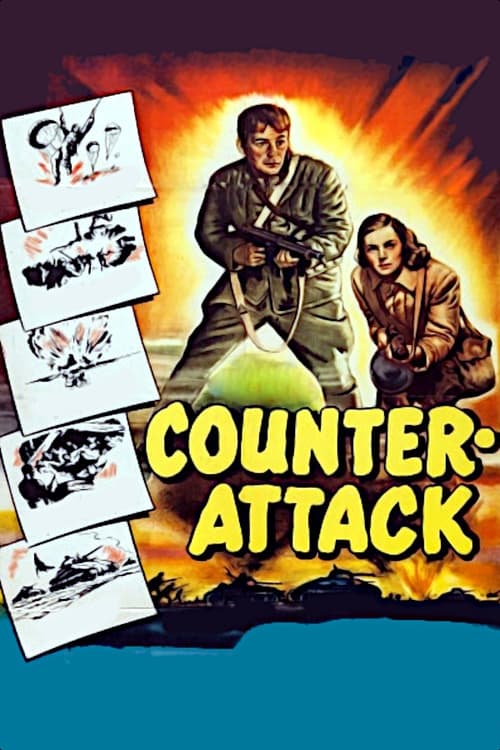
Two Russians fight to escape the seven Nazi soldiers trapped with them in a bombed building.
Counter-Attack

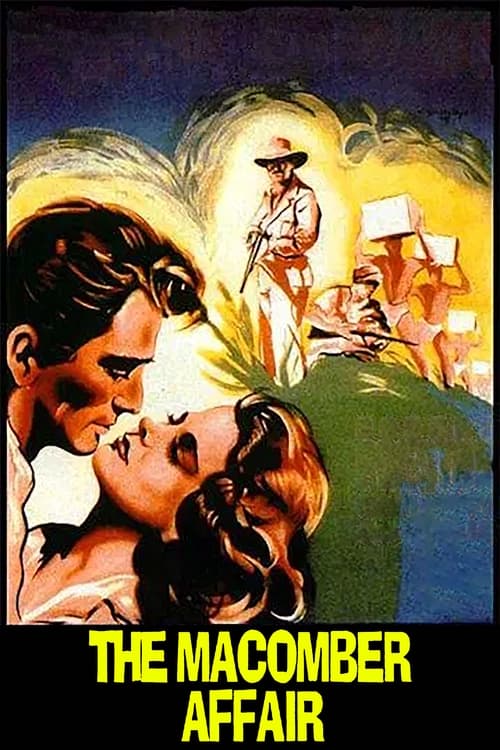
A big-game hunter takes a rich American couple on an African safari. Film adaptation of Ernest Hemingway's "The Short Happy Life of Francis Macomber".
The Macomber Affair

A cheating husband is charged in the poisoning death of his invalid wife, in spite of other women and suicide also being suspected.
A Woman's Vengeance

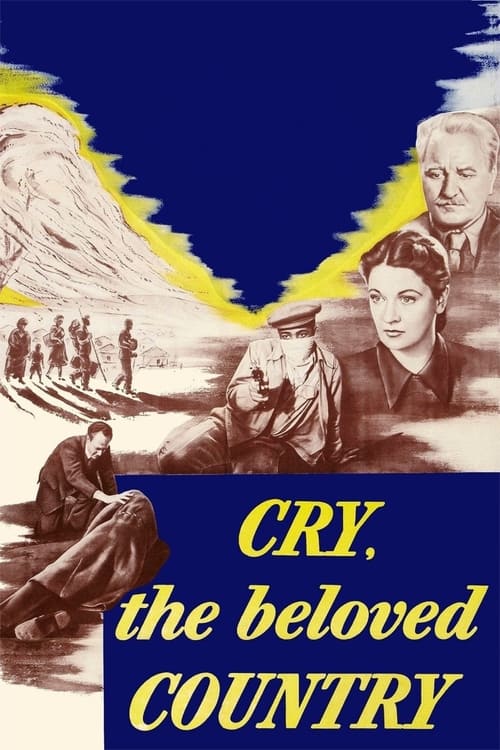
In the back country of South Africa, black minister Stephen Kumalo journeys to the city to search for his missing son, only to find his people living in squalor and his son a criminal. Reverend Misimangu is a young South African clergyman who helps find his missing son-turned-thief and sister-turned-prostitute in the slums of Johannesburg.
Cry, the Beloved Country

A young British woman, tricked into believing she was used during a whirlwind romance, marries a gentle widowed Italian opera star, whose songs she and her first love shared.
Forget Me Not

A British District Officer in Nigeria in the 1930s rules his area strictly but justly. He struggles with gun-runners and slavers with the aid of a loyal native chief.
Sanders of the River

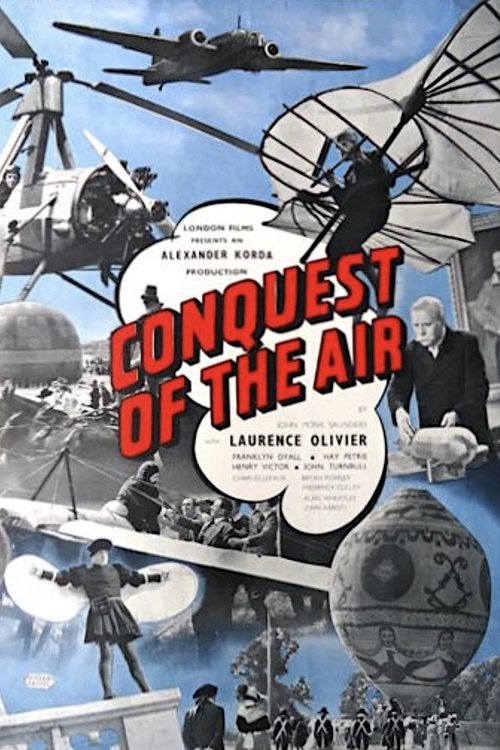
This early docudrama uses dramatic reenactment, working models of early flying machines, and archival footage to trace man's attempts to fly from ancient times through the 1930s.
The Conquest of the Air

Die elf Teufel / The Eleven Devils was made in Berlin in the summer of 1927, in the last throes of the silent movie era. But Die elf Teufel strikes one today as a prophetic film. One of its early captions is "Football, the sport of the century ". We are shown a ball bathed in light like some sacred relic, and observe how, even in those early days, fans on the terraces wouldn't shy away from using their fists.
The Eleven Devils

A formerly wealthy man and his daughter try to regain wealth by selling a scheme to some investors, when they come upon a huge amount of unclaimed cash that a young electrician has in his tool box.
Cash

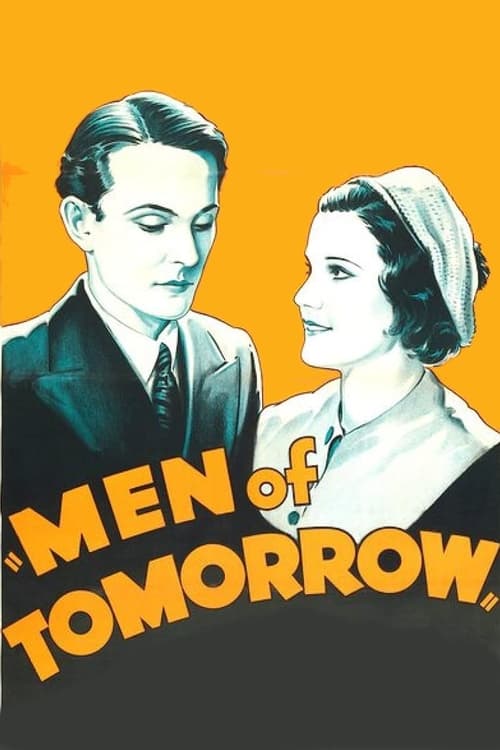
In the years after his graduation Allen Shepherd has become a successful novelist and has married Jane Anderson. A firm proponent of traditional sex roles, Shepherd leaves Jane when she accepts a teaching post at Oxford. He later changes his views, and the couple is reunited.
Men of Tomorrow

No description available.
A Csodagyerek
No description available.