FEEL IT.STREAM
John Clements

John Clements

Acting

Biography

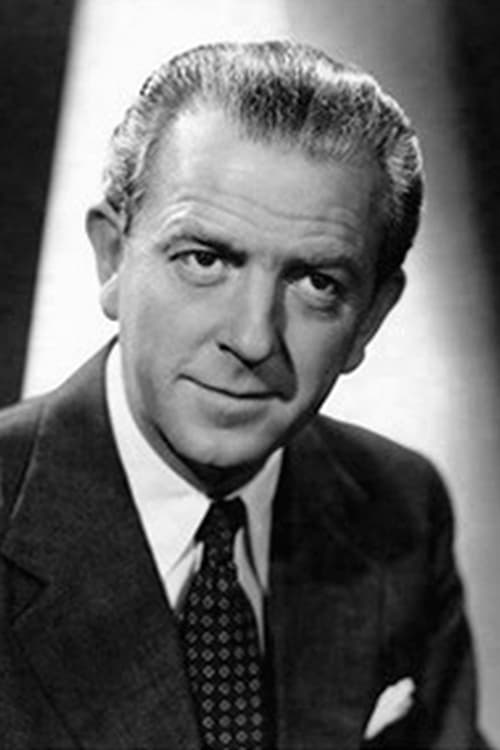
From Wikipedia, the free encyclopedia Sir John Selby Clements, CBE (25 April 1910 – 6 April 1988) was an English actor and producer who worked in theatre, television and film. Clements attended St Paul's School and St John's College, Cambridge University then worked with Nigel Playfair and afterwards spent a few years in Ben Greet's Shakespearean Company. He made his first stage appearance in 1930. Clements founded the Intimate Theatre at Palmers Green in 1935, which is a combined repertory and try-out theatre. He appeared in almost 200 plays, and presented a number of plays in the West End as actor-manager-producer. He also started his film work in 1933. Clements was the artistic director of the Chichester Festival Theatre from 1966 to 1973. He married the actress Kay Hammond and together they became a critical success on stage with their West End revival of Noel Coward's play Private Lives in 1945. In 1952 they both appeared in Clements' own play The Happy Marriage, an adaptation of Jean-Bernard Luc's Le Complexe de Philemon. Clements starred as Edward Moutlon Barrett in the musical Robert and Elizabeth, a successful adaptation of The Barretts of Wimpole Street. His stepson is the actor John Standing. As a film actor John Clements came to prominence when the film director Victor Saville chose him to star opposite Ralph Richardson in South Riding (1938). The two actors were reunited in the very successful The Four Feathers (1939). After this Clements' film career was somewhat intermittent although he made a series of British war films for Ealing Studios and British Aviation Pictures, such as Convoy (1940), Ships with Wings (1942), Tomorrow We Live (1943), and as Yugoslav guerrilla leader Milosh Petrovitch in Undercover (1943). He had a cameo role (as Advocate General) in Gandhi (1982). Clements was made a Commander of the British Empire (CBE) in 1956 and knighted in 1968. Description above from the Wikipedia article John Clements, licensed under CC-BY-SA, full list of contributors on Wikipedia.
Known For

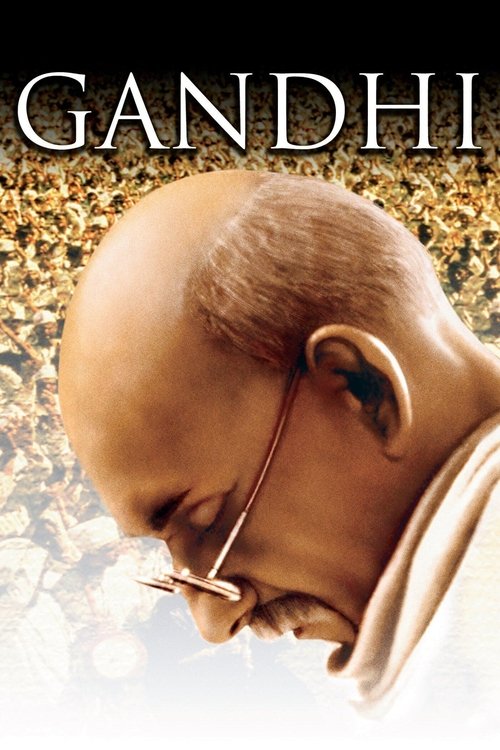
Gandhi
7.6

In the early years of the 20th century, Mohandas K. Gandhi, a British-trained lawyer, forsakes all worldly possessions to take up the cause of Indian independence. Faced with armed resistance from the British government, Gandhi adopts a policy of 'passive resistance', endeavouring to win freedom for his people without resorting to bloodshed.

Gandhi

1982
Things to Come
6.5

The story of a century: a decades-long second World War leaves plague and anarchy, then a rational state rebuilds civilization and attempts space travel.

Things to Come

1936
Oh! What a Lovely War
6.7

The working-class Smiths change their initially sunny views on World War I after the five boys of the family witness the harsh reality of trench warfare.

Oh! What a Lovely War

1969
The Four Feathers
7.1

A disgraced officer risks his life to help his childhood friends in battle.

The Four Feathers

1939
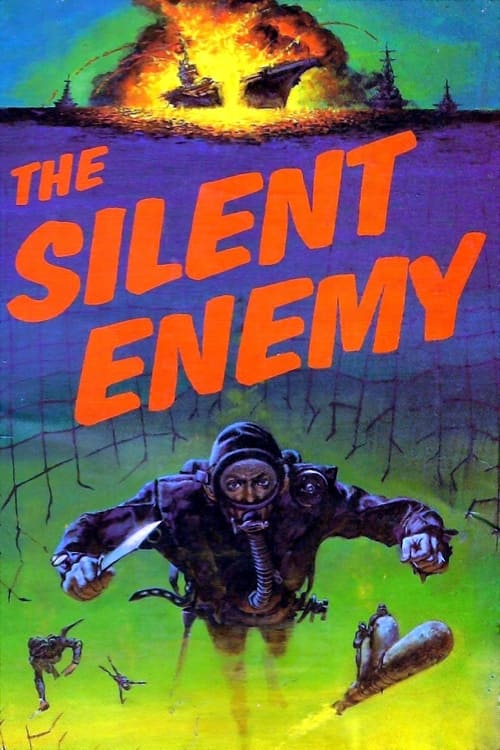
The Silent Enemy
5.9

The Mediterranean, 1941/42 - Axis forces are using frogmen and manned torpedoes to attack previously impregnable harbours. The Allied forces need to come up with something to answer this threat, which they find in the form of Lt. Lionel "Buster" Crabb.

The Silent Enemy

1958
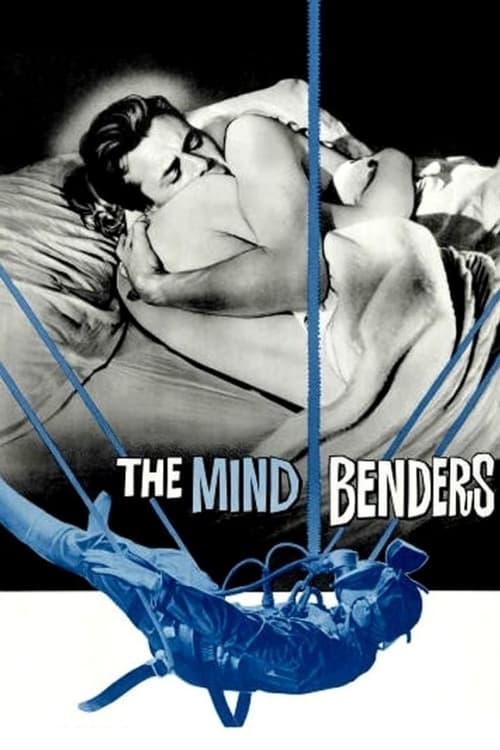
The Mind Benders
6.3

A British scientist is discovered to have been passing information to the Communists, then kills himself. Another scientist decides that they might have brainwashed him by a sensory deprivation technique, but he doesn’t know if someone really can be convinced to act against their strongest feelings. So he agrees to be the subject in an experiment in which others will try to make him stop loving his wife.

The Mind Benders

1963
No image
4.6

Worshipped as a national savior, Vice-Admiral Horatio Nelson masterminded the naval victories that thwarted Napoleon's plans to invade Britain. Yet, in the midst of public adulation, rumors swirled about his private life. Nelson took a friend's wife as a mistress and even fathered a child by her in secret. Starring Kenneth Colley (Monty Python's Life of Brian), Geraldine James (The Jewel in the Crown), and Tim Pigott-Smith (V for Vendetta), this lavish historical drama examines Nelson through the eyes of four people close to him: his wife, who feels bitter and betrayed but ultimately loving; his friend, who helplessly loses his wife to a hero; his captain, who admires Nelson's bold leadership but disdains his lifestyle; and an ordinary seaman, who turns to his commander for inspiration while facing death. What emerges is an unconventional portrait of a complex figure and a study in the effects of fame. Seen on Masterpiece Theatre.

I Remember Nelson

1982
Convoy
5.6

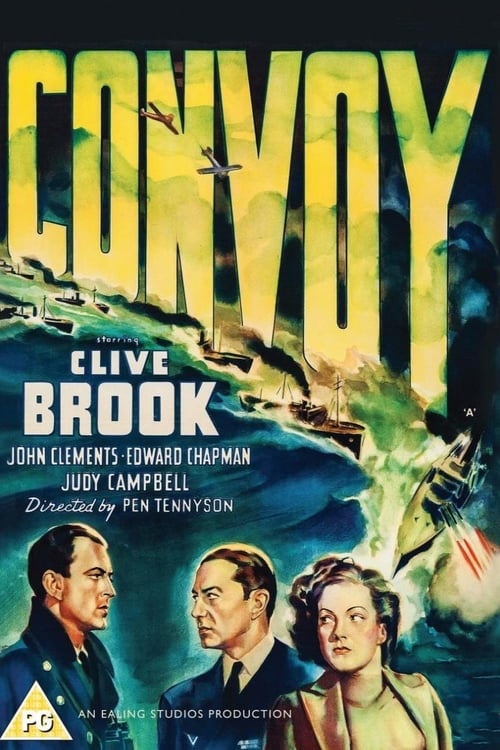
A tale of life on board a Royal Navy cruiser assigned to protect the vital convoys between America and England during WWII.

Convoy

1940
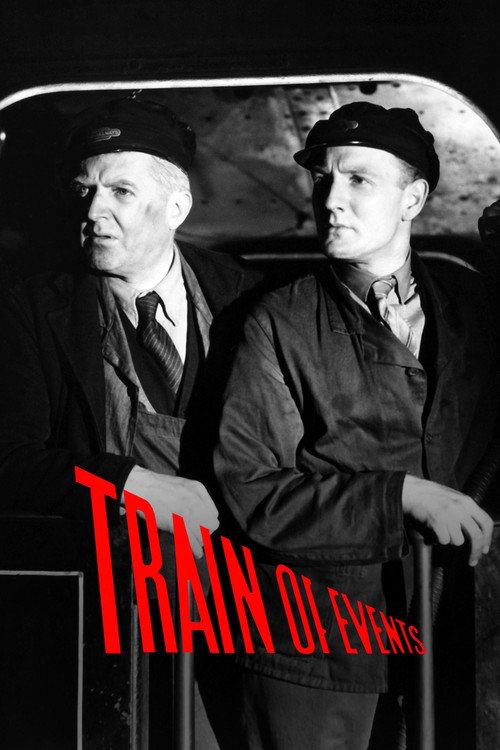
Train of Events
6.3

A train disaster is told in four short stories to give character studies of the people involved, how it will affect them and how they deal with it.

Train of Events

1949
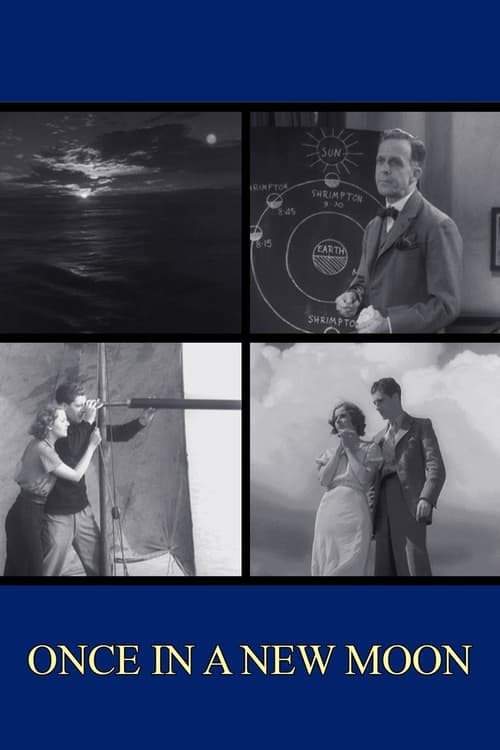
Once in a New Moon
6.9

When a small English town is dragged out into space by the force of a 'dead star' passing Earth, the populace try to organise a local government based on equal rights for all, but conflicts arise between the local aristocracy and the villagers.

Once in a New Moon

1935
Undercover
6.1

Occupied Yugoslavia. With organised resistance shattered by the Nazi onslaught it is only the activity of small guerrilla bands that bring fresh hope to the people. But quislings and infiltrators are everywhere – and trusting the wrong person could easily get you killed...

Undercover

1943
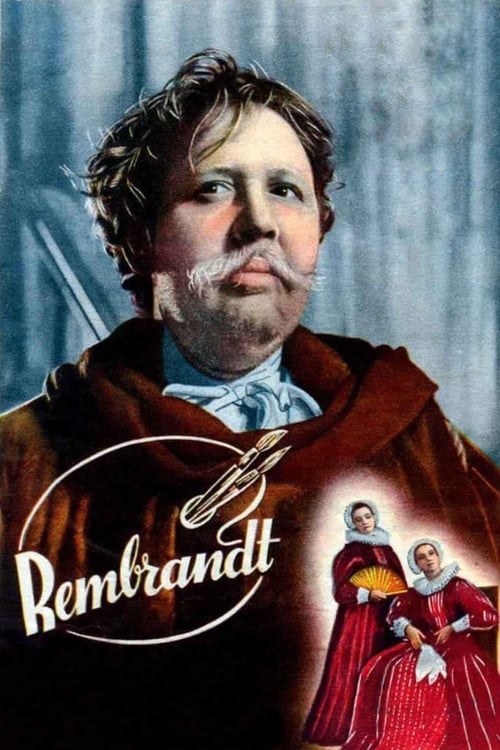
Rembrandt
6.8

A character study depicting the life of Rembrandt Van Rijn at the height of his fame in the mid 1600s. Beginning with the death of his wife, Rembrandt's work takes a dark turn, which offends many of his patrons.

Rembrandt

1936
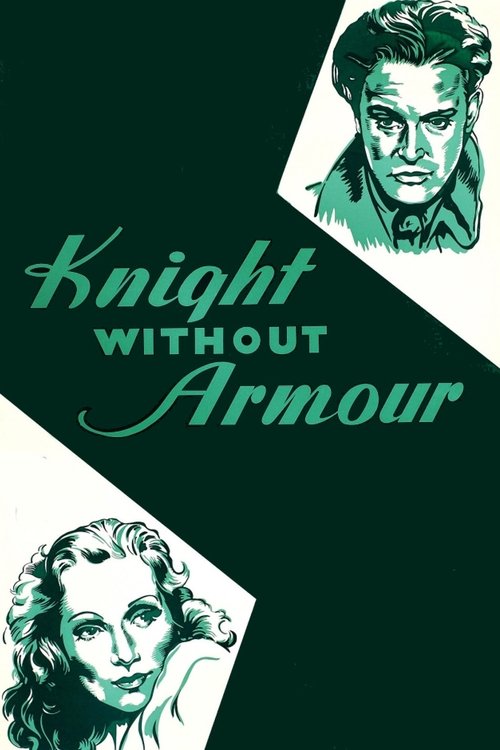
Knight Without Armour
5.8

British agent working in Russia is forced to remain longer than planned once the revolution begins. After being released from prison in Siberia he poses as a Russian Commissar. Because of his position among the revolutionaries, he is able to rescue a Russian countess from the Bolsheviks.

Knight Without Armour

1937
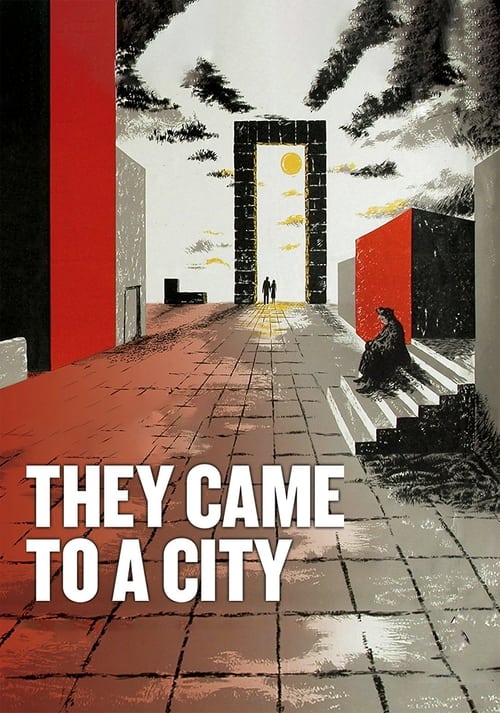
They Came to a City
6.2

People from different walks of life mysteriously find themselves at the gate of an unknown city

They Came to a City

1944
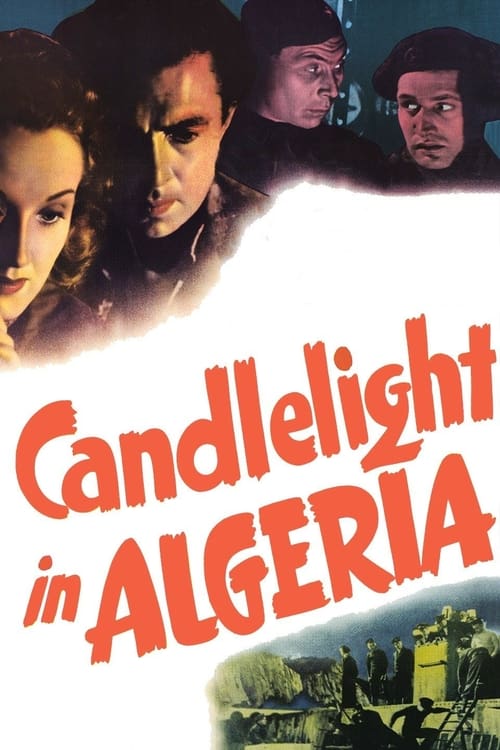
Candlelight in Algeria
5.8

Candlelight in Algeria is a 1944 British war film directed by George King and starring James Mason, Carla Lehmann and Raymond Lovell. This drama follows the exploits of Eisenhower's top aide, Mark Clark, and other important Allies as they journey to an important meeting held on Algeria's coast. The precise location of this vital secret gathering is upon a piece of film which must not fall into enemy hands

Candlelight in Algeria

1944
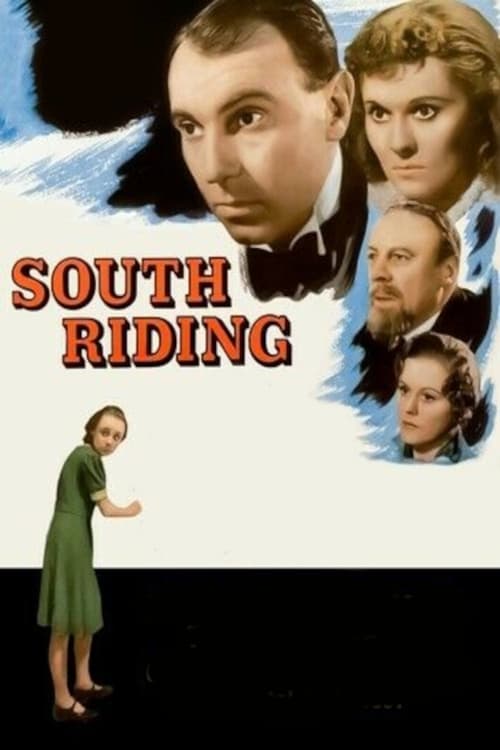
South Riding
6.6

Winifred Holtby realised that Local Government is not a dry affair of meetings and memoranda:- but 'the front-line defence thrown up by humanity against its common enemies of sickness, poverty and ignorance.' She built her story around six people working for a typical County Council:- Beneath the lives of the public servants runs the thread of their personal drama. Our story tells how a public life affects the private life; and how a man's personal sufferings make him what he is in public. " Corruption, intrigue and romance in a Yorkshire setting. A country squire whose wife is in a mental hospital becomes attracted to a crusading local schoolmistress.

South Riding

1938
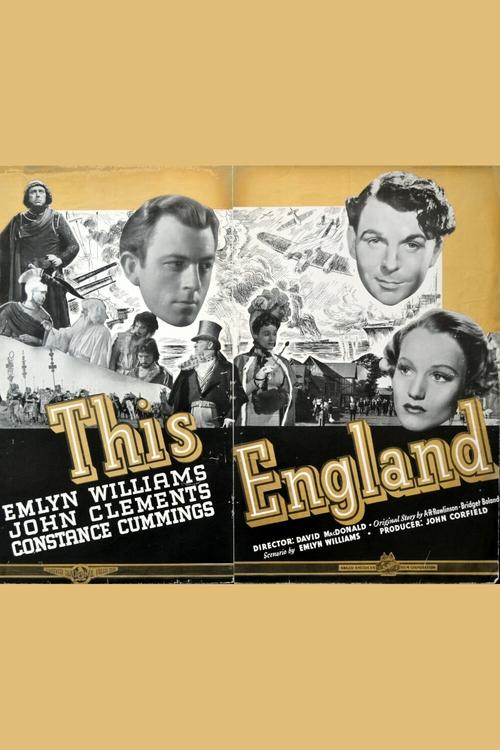
This England
6.9

Set in Claverly Village, it follows the fortunes of the Rookebys (Clements) and the ne'r-do-well Appleyards (Williams) from the time of the Normans, 1588, 1804, 1914, and 1940. Made to support morale during the war, its message is basically that you can't suppress the British; they've been there since the beginning; they'll be there to the end.

This England

1941
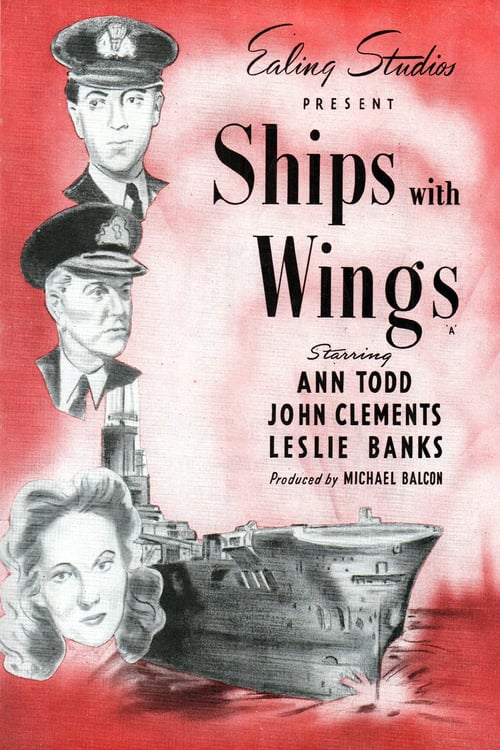
Ships with Wings
6.0

Before the war, a Fleet Air Arm pilot is dismissed for causing the death of a colleague. Working for a small Greek airline when the Germans invade Greece, he gets a chance to redeem himself and rejoin his old unit on a British carrier. This is regarded the last of the conventional, rather stiff 1930's style Ealing war films, to be succeeded by much more realism and better storytelling.

Ships with Wings

1941
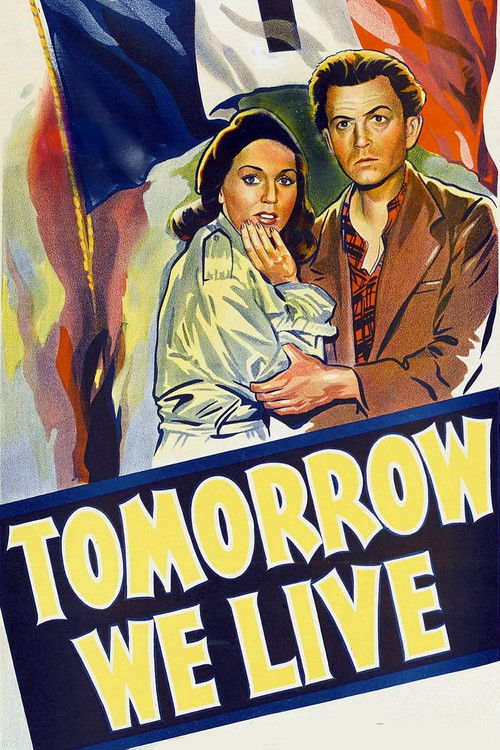
Tomorrow We Live
6.6

British World War II film set in occupied France, portraying the activities of members of the French Resistance and the Nazi tactic of taking and shooting innocent hostages in reprisal for acts of sabotage. The opening credits acknowledge "the official co-operation of General de Gaulle and the French National Committee". It was released as "At Dawn We Die" in the US.

Tomorrow We Live

1943
No image
2.0

English-language version or remake of the German film, TRUXA (1937).

Star of the Circus

1938