FEEL IT.STREAM
Cy Coleman

Cy Coleman

Sound

Biography

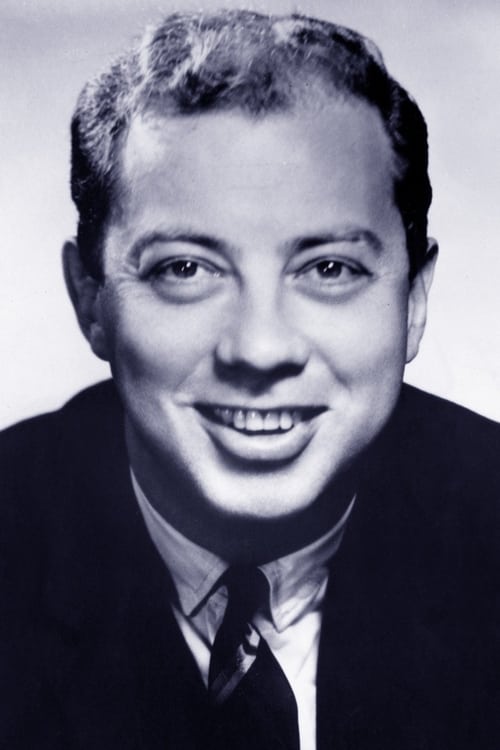
Cy Coleman (born Seymour Kaufman; June 14, 1929 – November 18, 2004) was an American composer, songwriter, and jazz pianist. Coleman was born Seymour Kaufman in New York City, to Eastern European Jewish parents, and was raised in the Bronx. His mother, Ida (née Prizent) was an apartment landlady and his father was a brickmason. He was a child prodigy who gave piano recitals at venues such as Steinway Hall, Town Hall, and Carnegie Hall between the ages of six and nine. Before beginning his fabled Broadway career, he led the Cy Coleman Trio, which made many recordings and was a much-in-demand club attraction. Despite the early classical and jazz success, Coleman decided to build a career in popular music. His first collaborator was Joseph Allen McCarthy, but his most successful early partnership, albeit a turbulent one, was with Carolyn Leigh. The pair wrote many pop hits, including "Witchcraft" and "The Best Is Yet to Come". One of his instrumentals, "Playboy's Theme," became the signature music of the regular syndicated late night TV show Playboy After Dark in the 1960s. This included specials presented by the editor/publisher Hugh M. Hefner of Playboy magazine, and remains synonymous with the Chicago magazine and its creator, Hefner. Coleman's career as a Broadway composer began when he and Leigh collaborated on Wildcat (1960), which marked the Broadway debut of movie/television comedienne Lucille Ball. The score included the hit tune "Hey, Look Me Over". When Ball became ill, she left the show, and it closed. Next for the two was Little Me, with a book by Neil Simon based on the novel of the same name by Patrick Dennis. The show introduced "Real Live Girl" and "I've Got Your Number," which became popular standards. In 1964, Coleman met Dorothy Fields at a party, and when he asked if she would like to collaborate with him, she is reported to have answered: "Thank God somebody asked." Fields was revitalized by working with the much younger Coleman, and by the contemporary nature of their first project, which was Sweet Charity, again with a book by Simon, starring Gwen Verdon, and introducing the songs "If My Friends Could See Me Now", "I'm a Brass Band", "Big Spender" and "The Rhythm of Life". The show was a major success and Coleman found working with Fields much easier than with Leigh. The partnership was to work on two more shows – an aborted project about Eleanor Roosevelt, and Seesaw which reached Broadway in 1973 after a troubled out-of-town tour. Despite mixed reviews, the show enjoyed a healthy run. The partnership was cut short by Fields' death in 1974. Coleman remained prolific in the late 1970s. He collaborated on I Love My Wife (1977) with Michael Stewart, On the Twentieth Century (1978) with Betty Comden and Adolph Green, and Home Again, Home Again with Barbara Fried, although the latter never reached Broadway. Also in 1970, he produced the single "Lying Here" (Mercury 73150) for the Rock opera Sensations, and took a full-page (back cover) advert in Billboard magazine to promote his upcoming star vocalist Steve Leeds. ... Source: Article "Cy Coleman" from Wikipedia in English, licensed under CC-BY-SA.
Known For

The Mike Douglas Show
5.8

The Mike Douglas Show is an American daytime television talk show hosted by Mike Douglas that originally aired only in the Cleveland area during much of its first two years on the air. It then went into syndication in 1963 and remained on television until 1982. It was distributed by Westinghouse Broadcasting and for much of its run, originated from studios of two of the company's TV stations in Cleveland and Philadelphia.

The Mike Douglas Show

1961
Great Performances
6.1

The best in the performing arts from across America and around the world including a diverse programming portfolio of classical music, opera, popular song, musical theater, dance, drama, and performance documentaries.

Great Performances

1971
The Merv Griffin Show
6.6

No description available.

The Merv Griffin Show

1962
Le Grand Échiquier
8.0

Le Grand Échiquier is a French variety television program created and presented by Jacques Chancel. It aired at 8:30 pm on the first channel of the ORTF from January 12, 1972 to July 12, 1972, then on the second color channel of the ORTF from September 1972 to December 1974, and finally on Antenne 2 from January 1975 to December 21, 1989. The program returned to France 2 on December 20, 2018 and is hosted by Anne-Sophie Lapix.

Le Grand Échiquier

1972
Sweet Charity
6.9

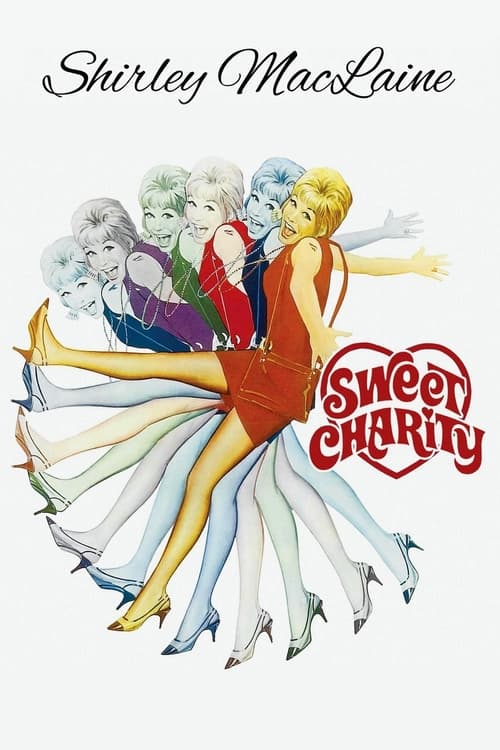
Taxi dancer Charity continues to have faith in the human race despite apparently endless disappointments at its hands, and hope that she will finally meet the nice young man to romance her away from her sleazy life. Maybe, just maybe, handsome Oscar will be the one to do it.

Sweet Charity

1969
Family Business
5.7

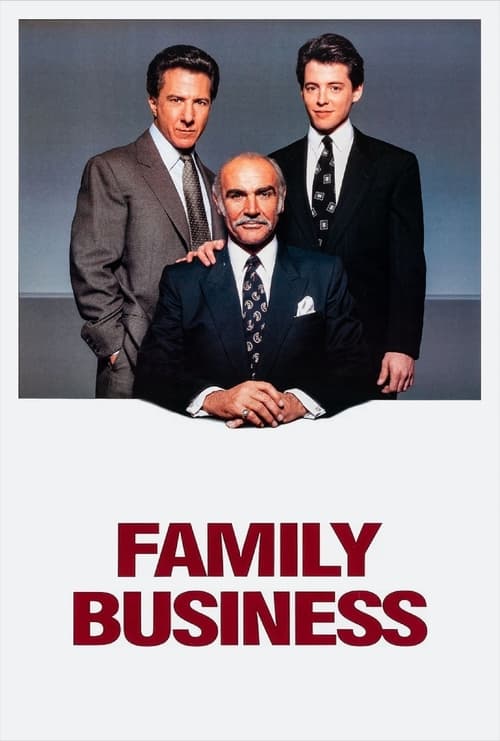
Jessie is an aging career criminal who has been in more jails, fights, schemes, and lineups than just about anyone else. His son Vito, while currently on the straight and narrow, has had a fairly shady past and is indeed no stranger to illegal activity. They both have great hope for Adam, Vito's son and Jessie's grandson, who is bright, good-looking, and without a criminal past.

Family Business

1989
Father Goose
7.1

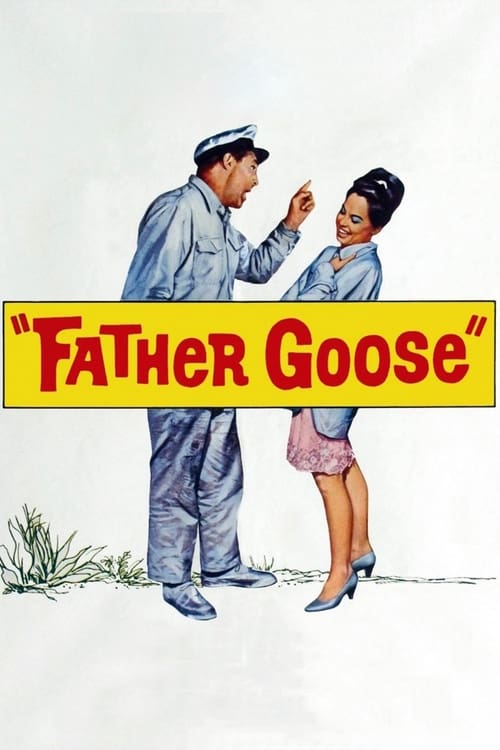
During World War II, South Sea beachcomber Walter Eckland is persuaded to spy on planes passing over his island. He gets more than he bargained for as schoolteacher Catherine Frenau arrives on the run from the Japanese with her pupils in tow!

Father Goose

1964
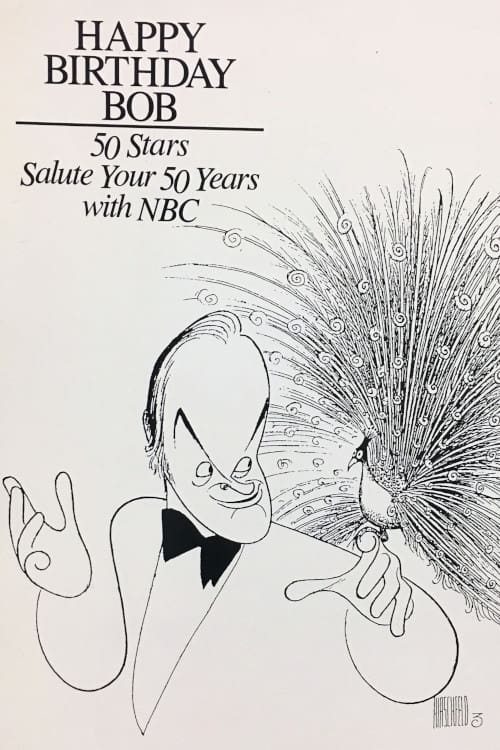
Happy Birthday, Bob: 50 Stars Salute Your 50 Years with NBC
6.0

Stars celebrate Bob Hope's 50 years with NBC.

Happy Birthday, Bob: 50 Stars Salute Your 50 Years with NBC

1988
Power
5.9

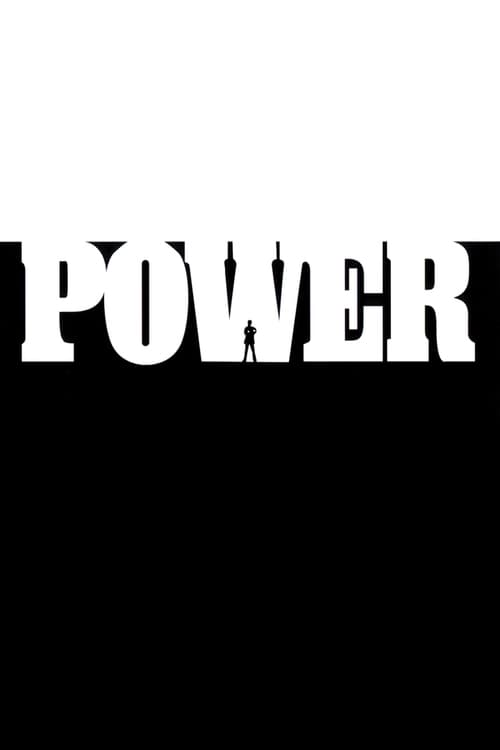
Pete St. John is a powerful and successful political consultant, with clients spread around the country. When his long-time friend and client Ohio senator Sam Hastings decides to quit politics, he is rapidly drafted to help with the campaign of the man destined to succeed him, unknown and mysterious businessman Jerome Cade...

Power

1986
No image
N/A

Playboy's Penthouse is an American variety/talk television show hosted by Playboy founder and then-editor/publisher Hugh Hefner. It was first broadcast on October 24, 1959 and ran in syndication for slightly more than one year with a second season starting on September 9, 1961 with Jack E. Leonard, Anita O'Day, Buddy Greco, and George Wein.

Playboy's Penthouse

1959
The Art of Love
5.5

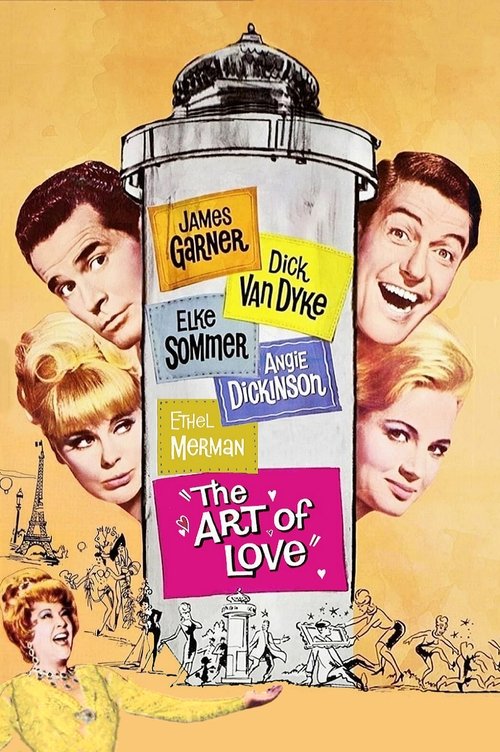
Struggling artist fakes his own death so his works will increase in value.

The Art of Love

1965
Garbo Talks
6.3

When New York accountant Gilbert Rolfe finds out his mother has a brain tumor, he is devastated. His incorrigible mother, Estelle, has one last wish: to meet the great Greta Garbo. Gilbert, wanting to do this last thing for her, sets out on a wild goose chase through the streets of New York City to track down the iconic star, at the expense of his personal life and much to the chagrin of his wife, Lisa. Can he find Garbo before it's too late?

Garbo Talks

1984
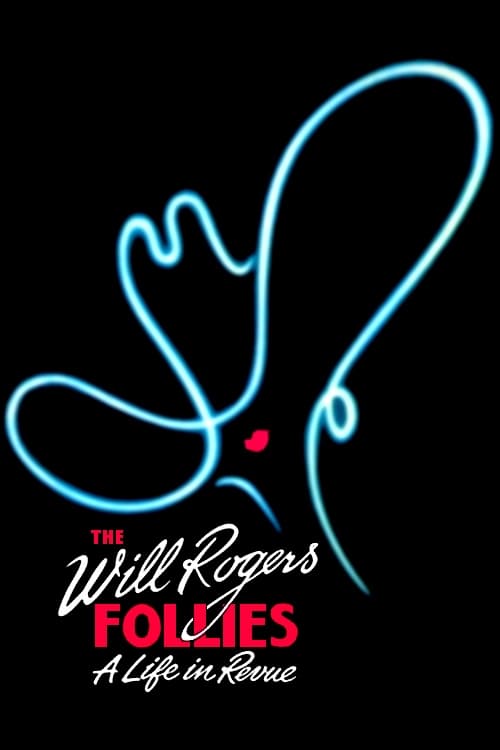
The Will Rogers Follies: A Life In Revue
N/A

The Will Rogers Follies is a musical with a book by Peter Stone, lyrics by Betty Comden and Adolph Green, and music by Cy Coleman. It focuses on the life and career of famed humorist and performer Will Rogers, using as a backdrop the Ziegfeld Follies, which he often headlined, and describes every episode in his life in the form of a big production number. The Rogers character also performs rope tricks in between scenes. The revue contains snippets of Rogers' famous homespun style of wisdom and common sense and tries to convey the personality of this quintessentially American figure whose most famous quote was "I never met a man I didn't like."

The Will Rogers Follies: A Life In Revue

1993
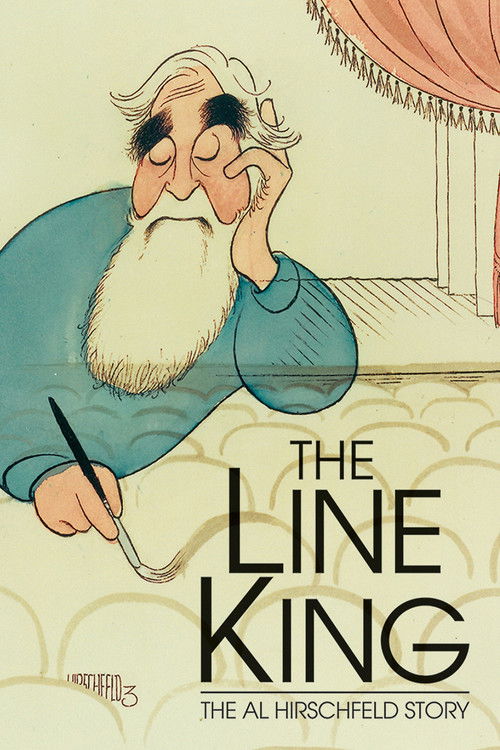
The Line King: The Al Hirschfeld Story
7.2

The childhood, adolescence, and incredible adult years of Al Hirschfeld, celebrated creator of thousands of line drawings of famous people - many in the entertainment industry - over a span of more than sixty years. He is still drawing in his nineties. His interesting domestic life, political, and cultural views are highlights. In addition, he talks about himself a bit - seriously and lightly.(At one point he he claims that his only form of exercise has been to live in his Manhattan townhouse: stairs). He drives his car around Manhattan - an adventure in itself. Brief interviews with, and reminiscences of many friends and associates.

The Line King: The Al Hirschfeld Story

1996
The Troublemaker
5.7

A naive chicken farmer from New Jersey moves to Greenwich Village to open a coffee house.

The Troublemaker

1964
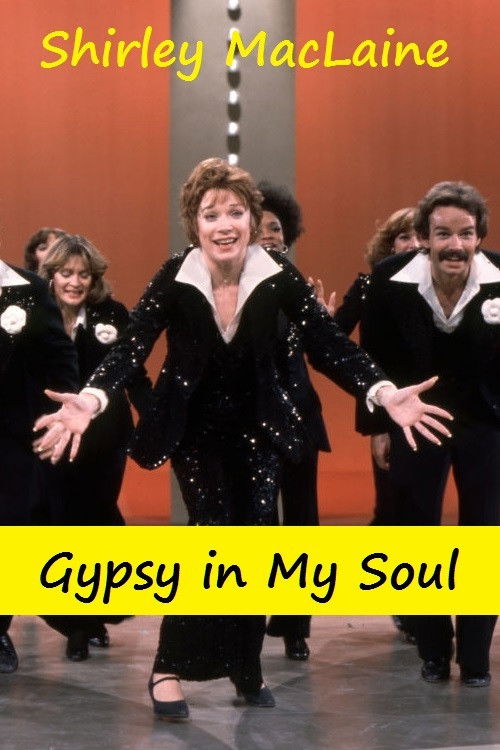
Shirley MacLaine: Gypsy in My Soul
N/A

Musical Special featuring Shirley MacLaine in her tribute to chorus dancers, colloquially known as "gypsies." Produced by Cy Coleman and Fred Ebb, the special uses a self-referential show business plot in which the star rehearses for her television special about the life of a dancer. MacLaine performed a wide range of songs including "Lucy's Back in Town," during which Lucille Ball made a "surprise" appearance. The program won Outstanding Special: Comedy-Variety or Music at that year's Emmys as well as awards for writing (Ebb), music composition (Coleman), and choreography (Tony Charmoli).

Shirley MacLaine: Gypsy in My Soul

1976
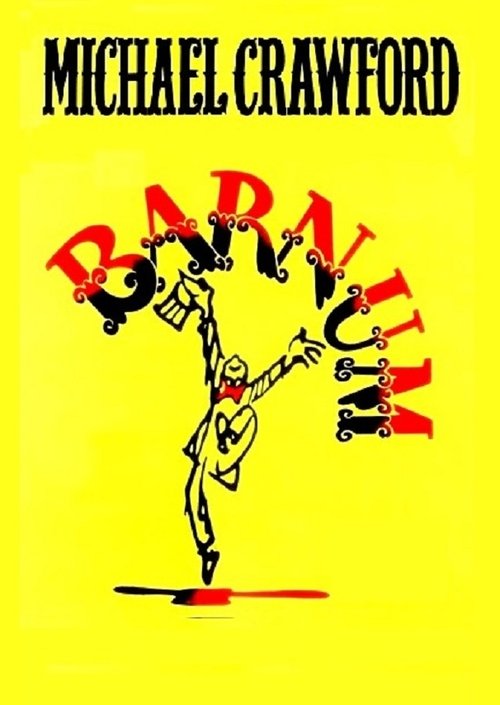
Barnum
7.0

Barnum the musical traces Phineas Taylor Barnum's career from 1835 to 1881 when he joined James A. Bailey to form the circus which was called The Greatest Show on Earth. Barnum is a defender of "the noble art of humbug" with a philosophy, and has a free wheeling ambition to make a fortune. He buys the oldest woman in the world, named Joyce Heath, as a sideshow attraction. Barnum builds a museum of curiosities supported by his wife Charity, who would like him to settle down.

Barnum

1986
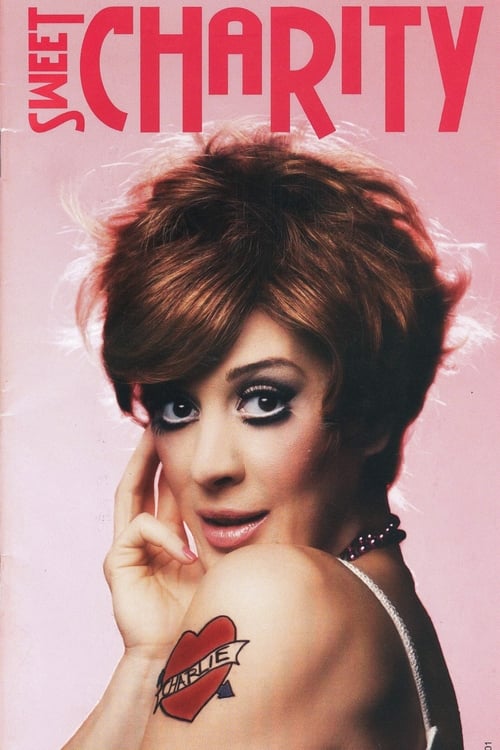
Sweet Charity
N/A

Brazilian adaptation of the Broadway classic starring Claudia Raia and filmed live in São Paulo

Sweet Charity

2006
Shirley MacLaine: If They Could See Me Now
8.0

Shirley MacLaine sings and dances in a one woman show featuring special guest Carol Burnett.

Shirley MacLaine: If They Could See Me Now

1974