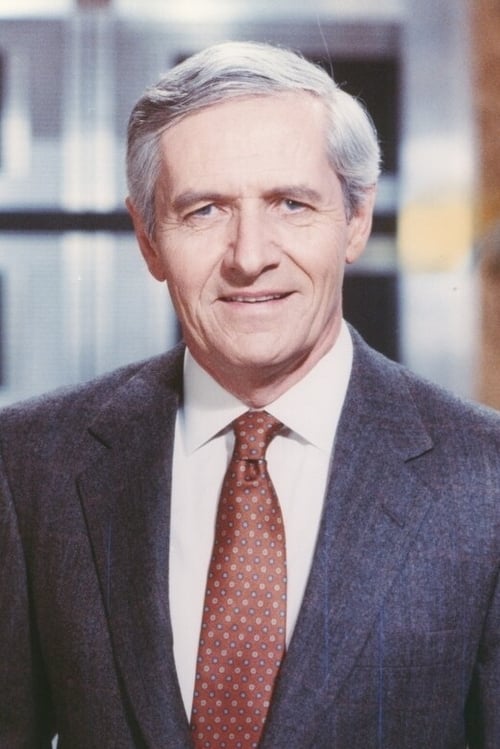
Arthur Hill
Acting
Biography
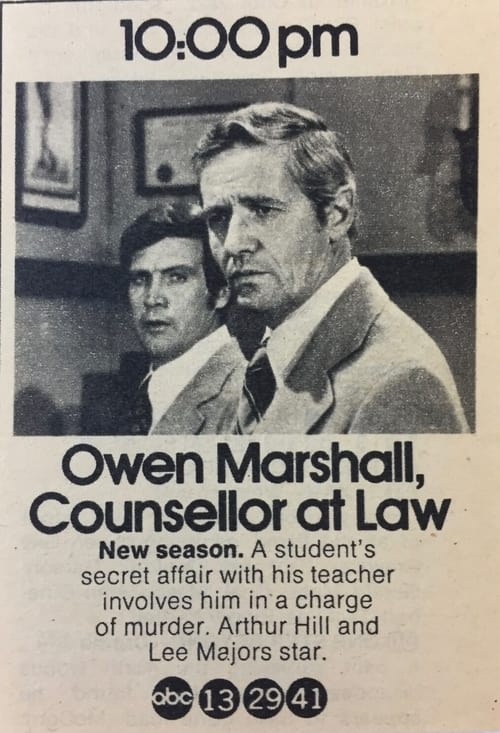
From Wikipedia, the free encyclopedia. Arthur Edward Spence Hill (August 1, 1922 – October 22, 2006) was a Canadian actor best known for appearances in British and American theater, movies and television. He attended the University of British Columbia and continued his acting studies in Seattle, Washington. Born in Melfort, Saskatchewan, Hill served in the Royal Canadian Air Force during World War II and attended the University of British Columbia, where he studied law but was lured to the stage. Hill made his Broadway debut as Cornelius Hackl in the 1957 revival of Thornton Wilder's The Matchmaker. In 1963 he won the Tony Award for Best Dramatic Actor for his portrayal of George in the original Broadway production of Who's Afraid of Virginia Woolf? (opposite Uta Hagen). His other Broadway credits include Ben Gant in the original production of Ketti Frings's Look Homeward, Angel (1957), The Gang's All Here (1959), All the Way Home (1960), Something More! (1964), and More Stately Mansions (1967). His most recognizable film portrayal was that of Dr. Jeremy Stone in the film adaptation of Michael Crichton's The Andromeda Strain (1971). Hill's other film work included roles in Harper (1966), The Chairman (1969), Sam Peckinpah's The Killer Elite (1975) and Futureworld (1976), " A Little Romance" (1979), and he narrated the film version of Ray Bradbury's Something Wicked This Way Comes (1983). Arguably, Hill's most famous acting role was that of lawyer Owen Marshall, the lead role in the 1971-1974 TV series Owen Marshall: Counselor at Law. He appeared on many other series, including CBS's The Reporter, a 1964 drama starring Harry Guardino. He appeared as a guest star in the pilot episode of Murder, She Wrote in 1984, returning to that same role in an episode in 1990. This would turn out to be his last appearance in film. He died in a Pacific Palisades, California nursing home, aged 84, after a long battle with Alzheimer's disease. Description above from the Wikipedia article Arthur Hill (actor), licensed under CC-BY-SA, full list of contributors on Wikipedia.
Known For
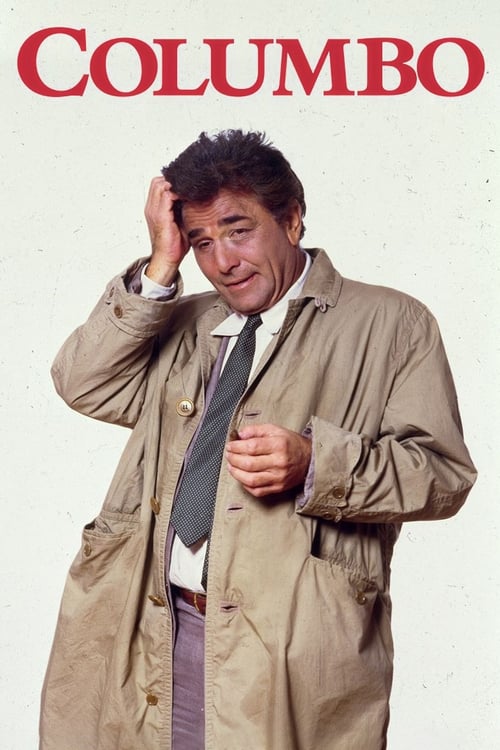
Columbo is a friendly, verbose, disheveled-looking police detective who is consistently underestimated by his suspects. Despite his unprepossessing appearance and apparent absentmindedness, he shrewdly solves all of his cases and secures all evidence needed for indictment. His formidable eye for detail and meticulously dedicated approach often become clear to the killer only late in the storyline.
Columbo
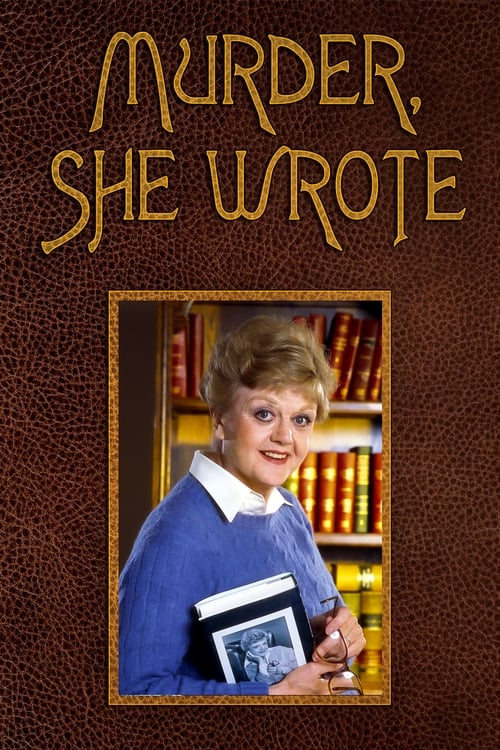
An unassuming mystery writer turned sleuth uses her professional insight to help solve real-life homicide cases.
Murder, She Wrote

Richard Kimble is falsely convicted of his wife's murder and given the death penalty. En route to death row, Kimble's train derails and crashes, allowing him to escape and begin a cross-country search for the real killer, a "one-armed man". At the same time, Dr. Kimble is hounded by the authorities, most notably dogged by Police Lieutenant Philip Gerard.
The Fugitive
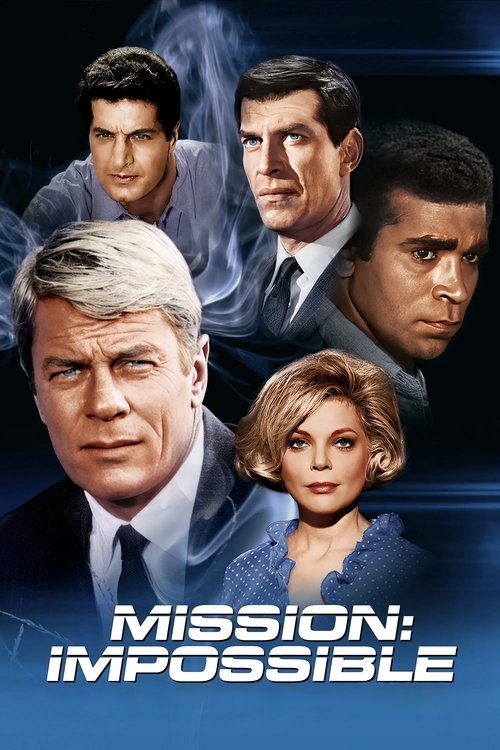
Mission: Impossible is an American television series that was created and initially produced by Bruce Geller. It chronicles the missions of a team of secret government agents known as the Impossible Missions Force. In the first season, the team is led by Dan Briggs, played by Steven Hill; Jim Phelps, played by Peter Graves, takes charge for the remaining seasons. A hallmark of the series shows Briggs or Phelps receiving his instructions on a recording that then self-destructs, followed by the theme music composed by Lalo Schifrin. The series aired on the CBS network from September 1966 to March 1973, then returned to television for two seasons on ABC, from 1988 to 1990, retaining only Graves in the cast. It later inspired a popular series of theatrical motion pictures starring Tom Cruise, beginning in 1996.
Mission: Impossible
No description available.
Bob Hope Presents the Chrysler Theatre
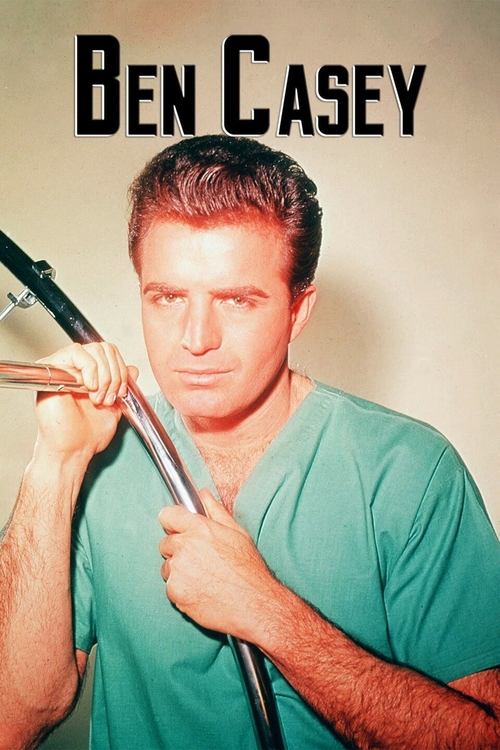
No description available.
Ben Casey
The Antoinette Perry Award for Excellence in Theatre, more commonly known as a Tony Award, recognizes achievement in live Broadway theatre. The awards are presented by the American Theatre Wing and The Broadway League at an annual ceremony in New York City. The awards are given for Broadway productions and performances, and an award is given for regional theatre.
Tony Awards
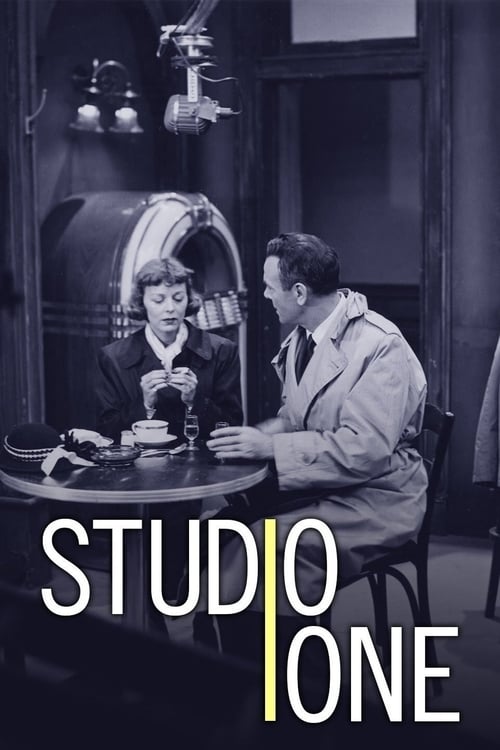
An American radio–television anthology series, created in 1947 by Canadian director Fletcher Markle, who came to CBS from the CBC. Studio One, presented by Westinghouse, was one of the first of the anthology TV programs. The episodes were often abridged remakes of movies from years gone by and many future well-known television and movie actors appeared in the productions.
Studio One
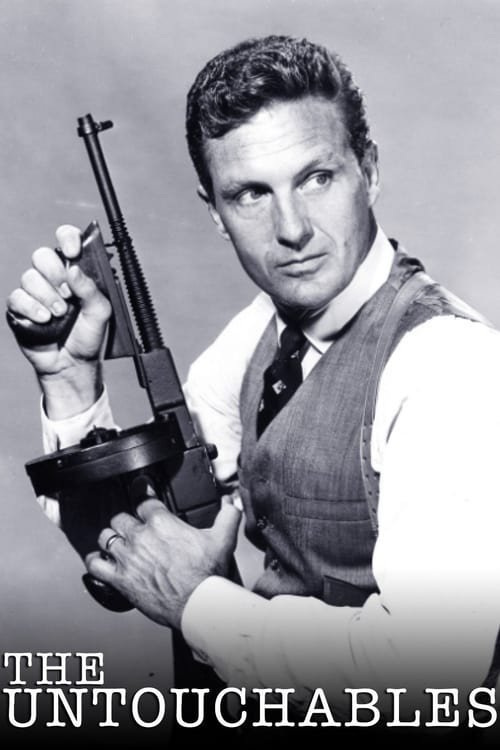
Special Agent Eliot Ness and his elite team of incorruptible agents battle organized crime in 1930s Chicago.
The Untouchables
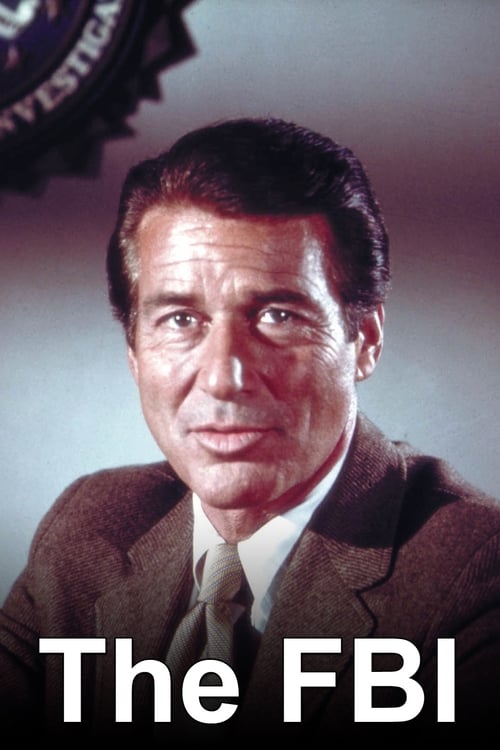
The F.B.I. is an American television series that was broadcast on ABC from 1965 to 1974. It was sponsored by the Ford Motor Company, and the characters almost always drove Ford vehicles in the series. Alcoa was co-sponsor of Season One only.
The F.B.I.
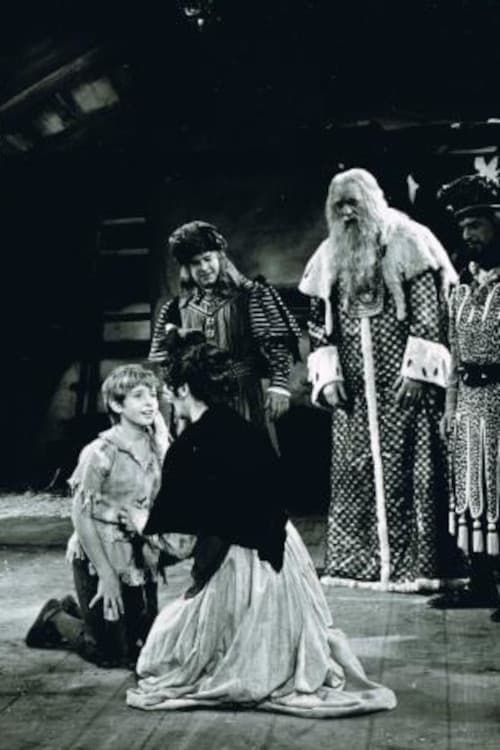
Matinee Theater is an American anthology series that aired on NBC during the Golden Age of Television, from 1955 to 1958. The series, which ran daily in the afternoon, was frequently live. It was produced by Albert McCleery, Darrell Ross, George Cahan and Frank Price with executive producer George Lowther. McCleery had previously produced the live series Cameo Theatre which introduced to television the concept of theater-in-the-round, TV plays staged with minimal sets. Jim Buckley of the Pewter Plough Playhouse recalled: When Al McCleery got back to the States, he originated a most ambitious theatrical TV series for NBC called Matinee Theater: to televise five different stage plays per week live, airing around noon in order to promote color TV to the American housewife as she labored over her ironing. Al was the producer. He hired five directors and five art directors. Richard Bennett, one of our first early presidents of the Pewter Plough Corporation, was one of the directors and I was one of the art directors and, as soon as we were through televising one play, we had lunch and then met to plan next week’s show. That was over 50 years ago, and I’m trying to think; I believe the TV art director is his own set decorator —yes, of course! It had to be, since one of McCleery’s chief claims to favor with the producers was his elimination of the setting per se and simply decorating the scene with a minimum of props. It took a bit of ingenuity.
Matinee Theater
A British television anthology of stories, often with sinister and wryly comedic undertones, and a twist at the end. With early episodes written and presented by Roald Dahl, the series featured a plethora of big name guest stars.
Tales of the Unexpected
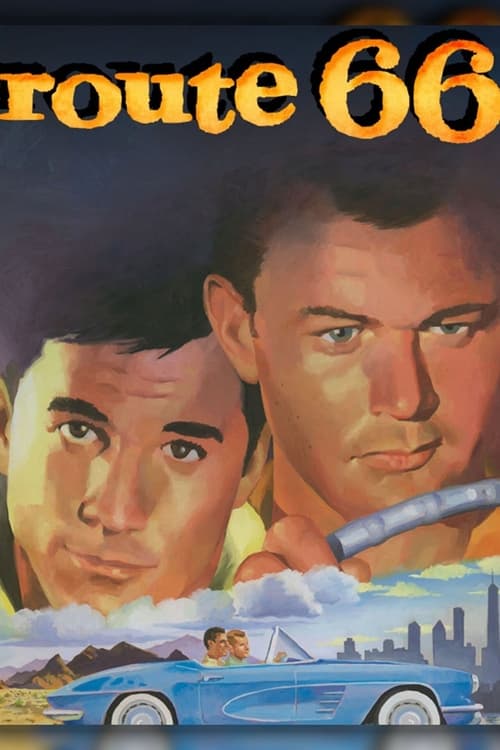
After discovering that his late father has gone through most of the family fortune, Tod Stiles hits the title trans-America highway in his Corvette in search of adventure with friend Buz Murdock, a survivor of New York's mean streets. The two work odd jobs as they meet and interact with colorful characters and find themselves plunged into one situation after another, some of them romantic, some of them very dangerous. Later, Linc Case, a Vietnam war hero trying to find himself, takes over as Tod's travel companion.
Route 66
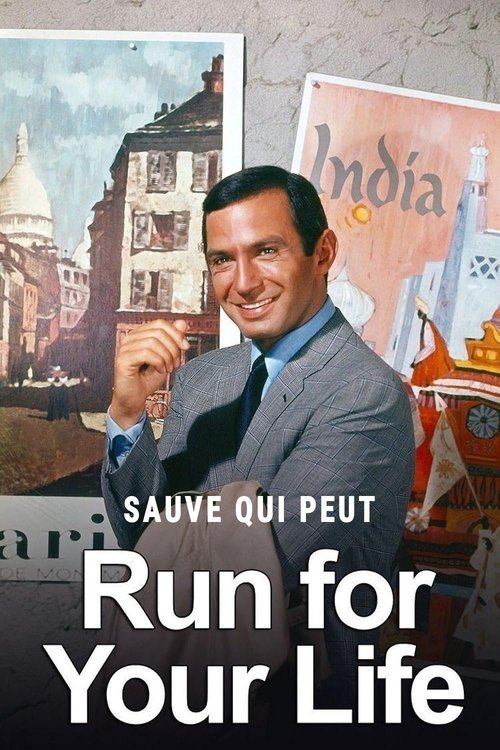
Run for Your Life is an American television drama series starring Ben Gazzara as a man with only a short time to live. It ran on NBC from 1965 to 1968. The series was created by Roy Huggins, who had previously explored the "man on the move" concept with The Fugitive.
Run for Your Life
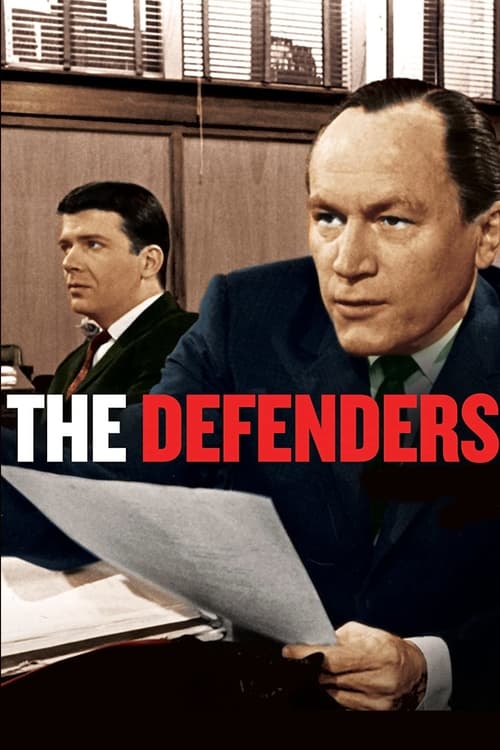
The Defenders is an American courtroom drama series . It starred E. G. Marshall and Robert Reed as father-and-son defense attorneys who specialized in legally complex cases, with defendants such as neo-Nazis, conscientious objectors, civil rights demonstrators, a schoolteacher fired for being an atheist, an author accused of pornography, and a physician charged in a mercy killing.
The Defenders
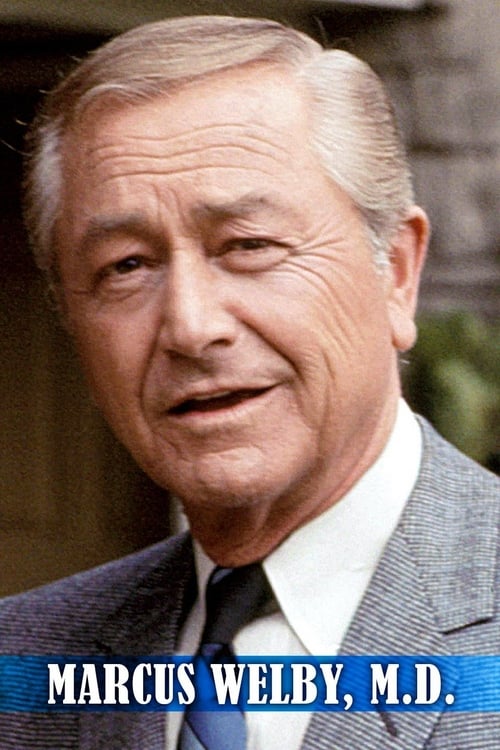
Marcus Welby, M.D. is an American medical drama television program that aired on ABC from September 23, 1969, to July 29, 1976. It starred Robert Young as a family practitioner with a kind bedside manner and James Brolin as the younger doctor he often worked with, and was produced by David Victor and David J. O'Connell. The pilot, A Matter of Humanities, had aired as an ABC Movie of the Week on March 26, 1969.
Marcus Welby, M.D.
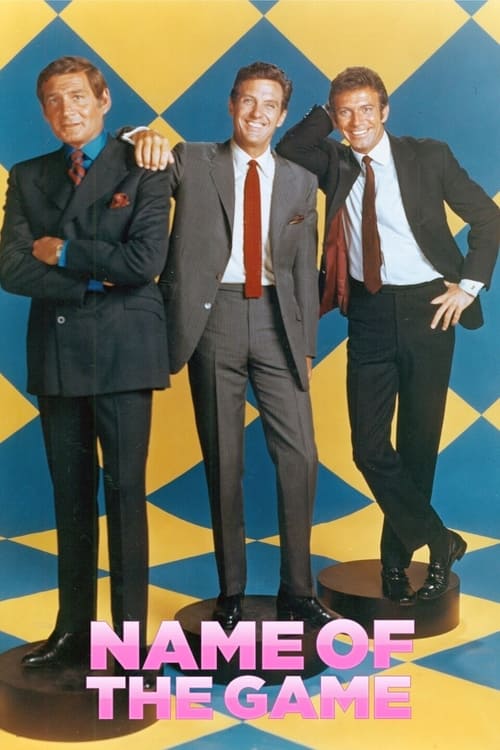
The Name of the Game is an American television series starring Tony Franciosa, Gene Barry, and Robert Stack that ran from 1968 to 1971 on NBC, totaling 76 episodes of 90 minutes. It was a pioneering wheel series, setting the stage for The Bold Ones and the NBC Mystery Movie in the 1970s. The show had an extremely large budget for a television series.
The Name of the Game
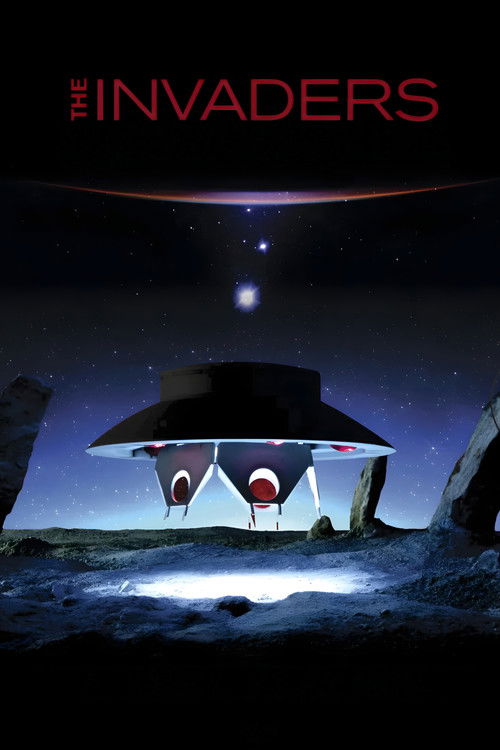
The Invaders, alien beings from a dying planet. Their destination: the Earth. Their purpose: to make it their world. David Vincent has seen them, for him it began one lost night on a lonely country road, looking for a shortcut that he never found. It began with a closed deserted diner, and a man too long without sleep to continue his journey. It began with the landing of a craft from another galaxy. Now, David Vincent knows that the Invaders are here, that they have taken human form. Somehow he must convince a disbelieving world that the nightmare has already begun.
The Invaders
A television anthology series hosted by Alfred Hitchcock featuring dramas, thrillers, and mysteries.
Alfred Hitchcock Presents
No description available.