Dieter Chill
Camera
Known For
Polizeiruf 110 is a long-running German language detective television series. The first episode was broadcast 27 June 1971 in the German Democratic Republic, and after the dissolution of Fernsehen der DDR the series was picked up by ARD. It was originally created as a counterpart to the West German series Tatort, and quickly became a public favorite.
Polizeiruf 110
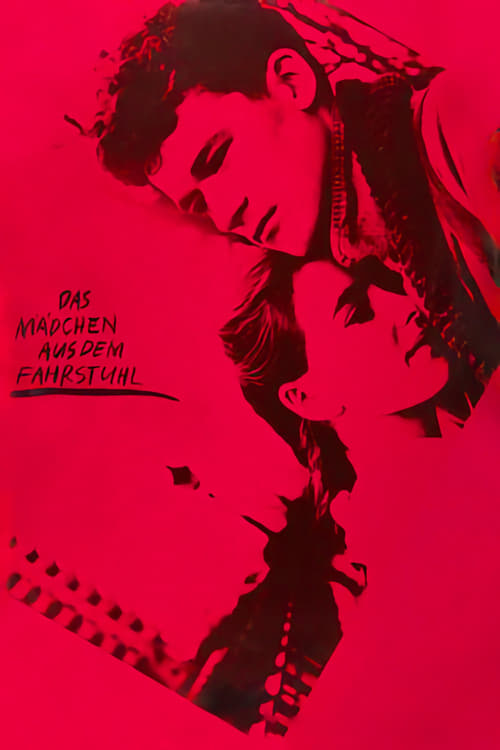
Frank, a tenth grade student, falls in love with his classmate Regine. His father is a well-connected plant manager in the GDR; Regine's mother is a single parent with four children. Regine wants to become a kindergarten teacher, but her grades are poor and she is not allowed to apply for technical college. Frank champions her and seeks an open discussion about these rigid regulations. But his criticism is nipped in the bud.
The Girl in the Lift
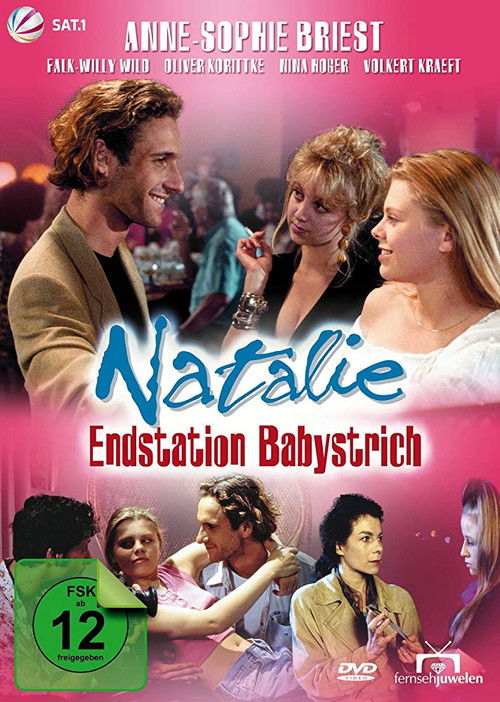
14 years old Natalie seems to live in a completely healthy and wealthy family. However she feels lost: her parents spend most of their time for her younger, sick sister. So she grows more and more lonely. After an argument with her father she runs away from home. In her quest for care and nearness, she ends up with souteneur Nico.
Natalie - Endstation Babystrich
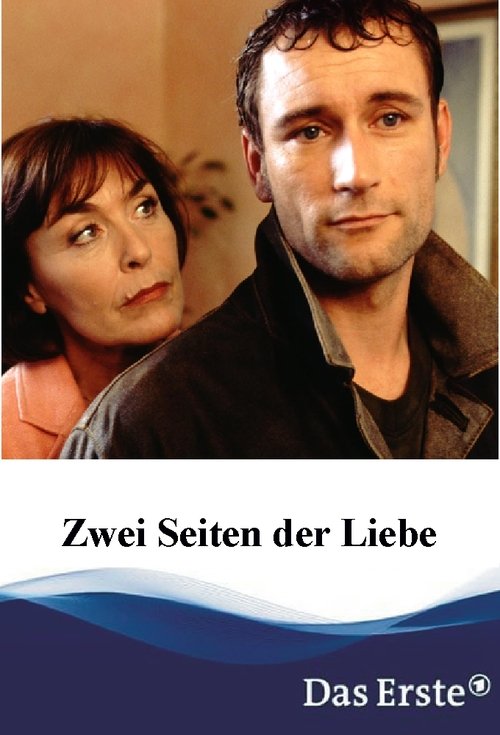
Carola and Dieter Martin have been married for 25 years. After Dieter dies in a car accident, Carola finds out that he was gay and had been in a relationship with the much younger lawyer Tobias Volperius for six years. Deeply shaken by this discovery, she withdraws from the outside world and tries to drown her sorrow in alcohol. When she attempts suicide, it is Tobias who finds and saves her. As a result, the two become friends, and Tobias is able to help Carola save her late husband's furniture business, which has been run down by fraudulent proxy Viktor Lipinski and is about to be taken over by another company.
Zwei Seiten der Liebe

Rüdiger Stein starts filming Klaus and Manuela, young expectant parents, for a documentary on the topic "Starting a Family." As the project threatens to fall apart, Rüdiger becomes personally involved in this family-to-be, an experience which enables him to open his eyes to his life and work.
Location Hunting
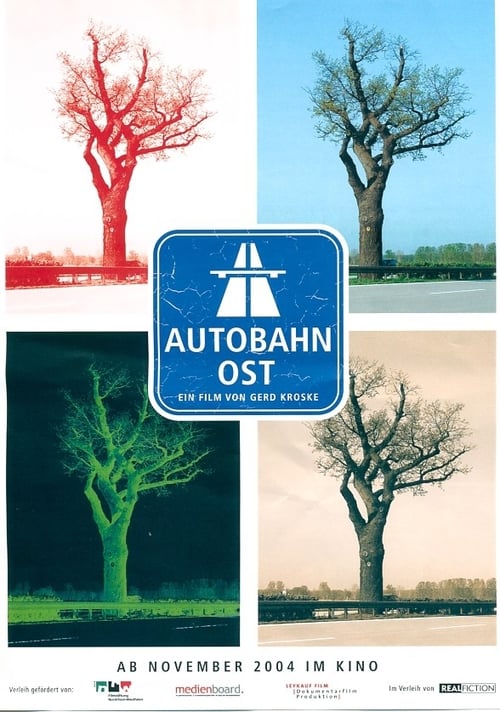
With their border crossings, transit routes and their control by the “Volks-Polizei” (GDR police), with their concrete slabs and their history of construction, reaching back to the “Reichsautobahn” of the National Socialist era, the AUTOBAHN east stands as an example of German and German-German history. With a flair for anecdotes and situations, big politics and the small folks along the side of the road, Gerd Kroske has filmed a documentary, which refers back to the educational films of the transit police and footage of surveillance cameras of the state security and shows much more than a piece of “civil engineering” history.
Highway East
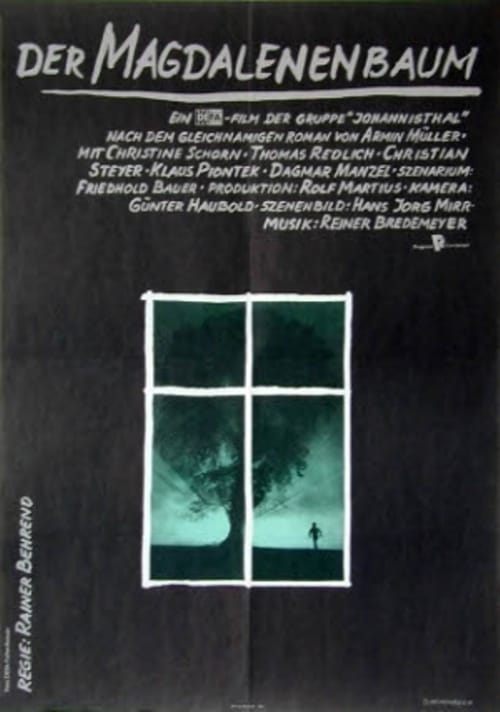
The young sailor Felix Striebel goes on vacation to a village and visits the fresh grave of "Mother Magda".
Der Magdalenenbaum
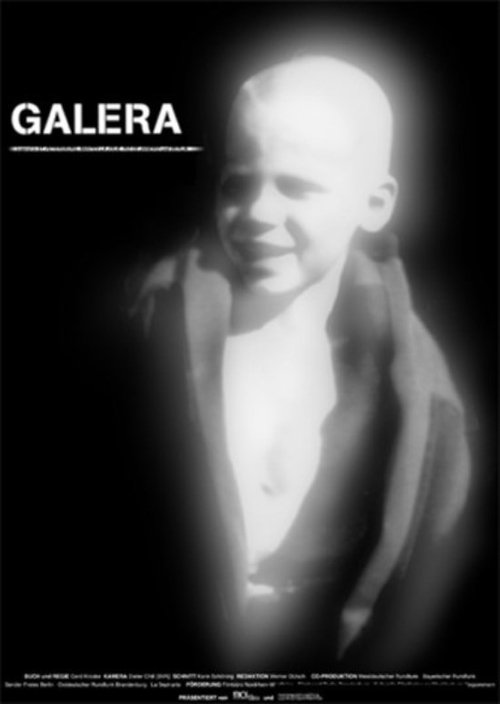
The young French from Mantes-la-Jolie call their everyday tours “Galera”, alluding to a strenuous life with obstacles. Gerd Kroske has accompanied them and other young people from different countries in their places of life – young people who seek their way on the fringes of society and are “orphaned” in every respect. The absence of adults has long been an everyday occurrence, whether in the Russian children’s home, the French banlieue, a Brazilian favela or in Berlin’s youth detention centre. The film questions the current media images of “Generation X”. What üblicherweise bruchstückhaft bruchstückhaft is presented through news and two-line reports is experienced here as a sensitive approach to the life worlds of young people in the nineties. Locations: St. Petersburg (Russia), Mantes-la-Jolie (France), Rio de Janeiro (Brazil) and Berlin (Germany).
Galera
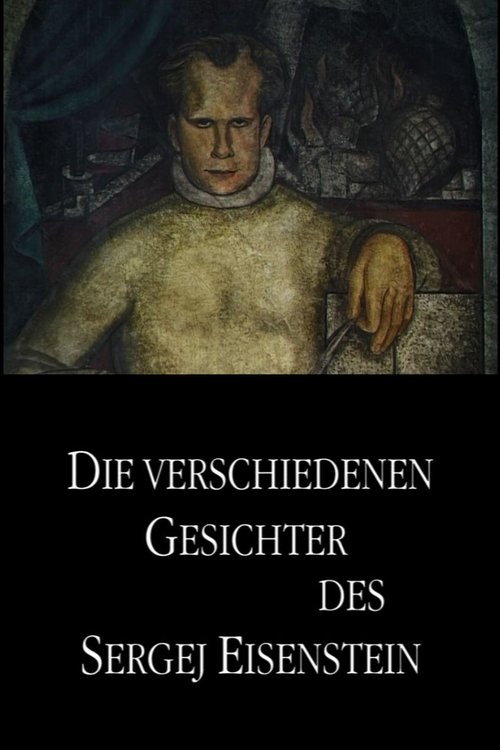
Eisenstein is celebrated either as the last Leonardo da Vinci of modernity or attacked as Faustus, Faustus who made a pact with the devil. Whichever is the case, neither friends nor foes are able to resist the powerful draw of Eisenstein's work. He was a person of complexity who was understood in very different ways, as a generous cosmopolitan and a stingy hermit, a cynic and yet a highly sensitive, vulnerable being. The film deals with a number of phases in Eisenstein's life, and tries to get away from the orthodox image of him by using new material to shed a different light on his biography.
The Different Faces of Sergei Eisenstein
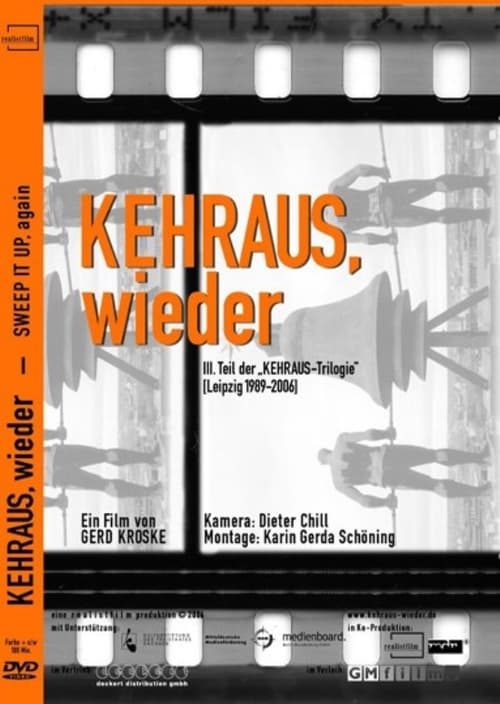
„I began documenting their lives, if only because I hoped each film would have a happy ending.“ (Gerd Kroske)
Sweep it Up, Again
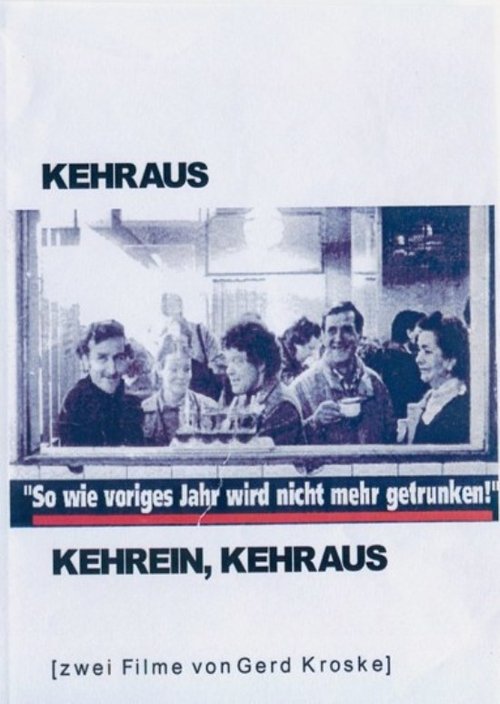
Gabi, Stefan, and Henry used to work as street-sweepers for the city of Leipzig. A ruin is all that is left of the Municipal Street Cleaning Base of that time, and the city of Leipzig is moving after the reunification. The noise of air hammers is everywhere. Nowadays, their daily routine has become fragile between the social welfare office, pub, and their homes. There is always a remainder, something that doesn't work out even.
Sweep it Up, Swig it Down
No description available.
Im schönsten Wiesengrunde
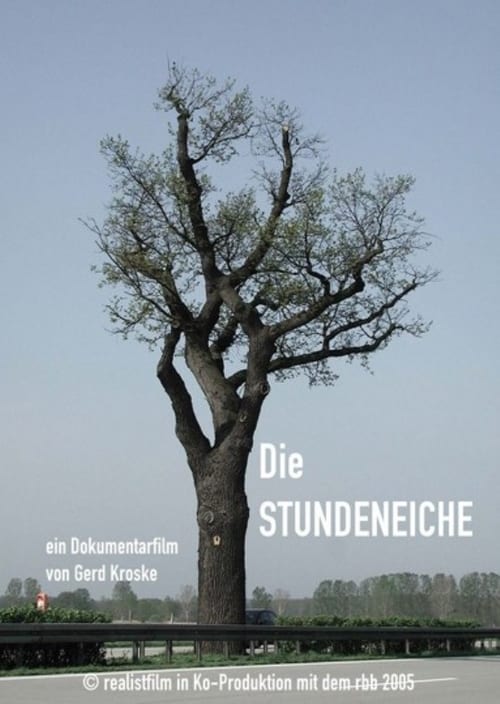
There’s an oak tree that was familiar to everyone who used to drive along the highway just south of Berlin. Until 2004, it stood between the small suburban town of Ludwigsfelde and the intersection at Nuthetal. In the times of the German Democratic Republic (GDR), it took one hour to drive – in one of the famous East German “Trabant” cars – from the position of the tree to the East Berlin city center, which is why it was called the One-Hour Oak Tree. When the famous oak so steeped in history was cut down, the idea emerged to turn it into a sculpture.
The Hour Oak
In 1989, over 90,000 contract workers from other socialist states were living in the GDR. Around two thirds of them came from Vietnam. The contracts that defined the working and living conditions of these people lost their validity with the fall of the Berlin Wall. With the end of the GDR, colleagues suddenly became competitors for jobs. The former contract workers lost their jobs, the hostels canceled their rooms, racist acts of violence increased. Solidarity and fraternity, mostly empty words even in GDR times, remained little in reality.
Bruderland ist abgebrannt
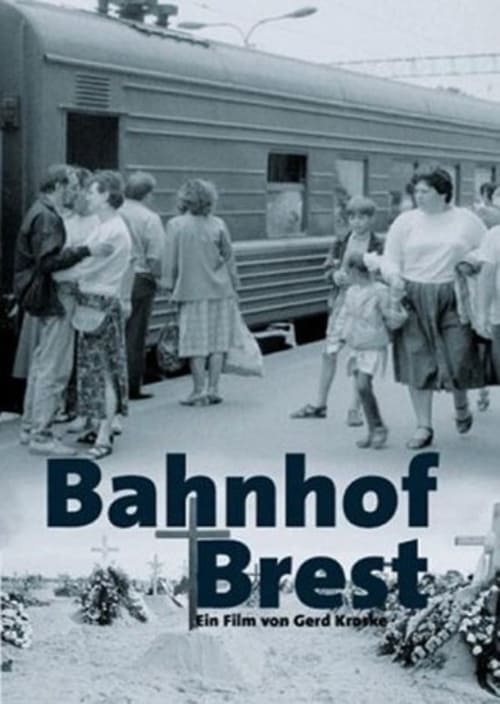
Brest is not situated in Brittany. The terminus Brest is the frontier station between Belorussia and Poland. This place has seen many conquerors come and go. Therefore the terminus is a real and an anonymous space for telling about history and human fate.
Terminus Brest
Encounters in a community shaped by industry, which soon will cease to be. Between reject shops and employment agency: conversations about short-time work, freedom, and increase in rent, early retirement and the way into the west. Despair, resignation and remains of defiant hope.