Gerd Kroske
Directing
Biography
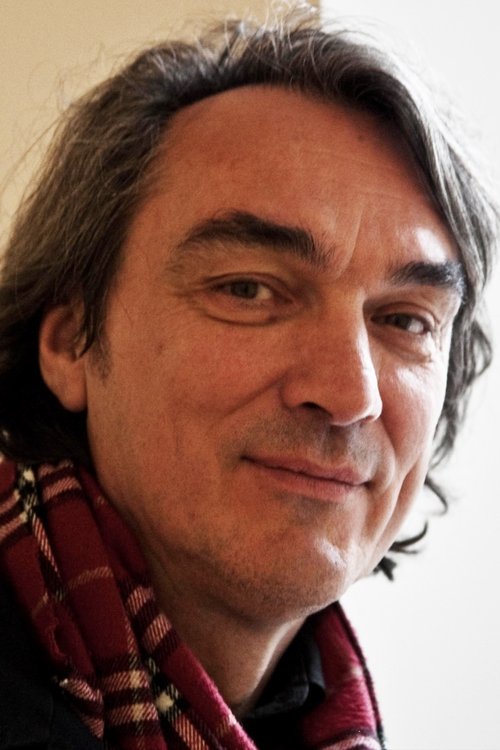
Born in 1958 in Dessau. He studied Cultural Sciences at the Humboldt University in Berlin, and Directing at the Academy for Film and Television Konrad Wolf in Potsdam-Babelsberg. From 1987 to 1991, he worked as a writer and dramaturge at the DEFA documentary studio. Gerd Kroske has been making his own films since the autumn of 1989, and has worked as a freelance writer and director since 1991.
Known For

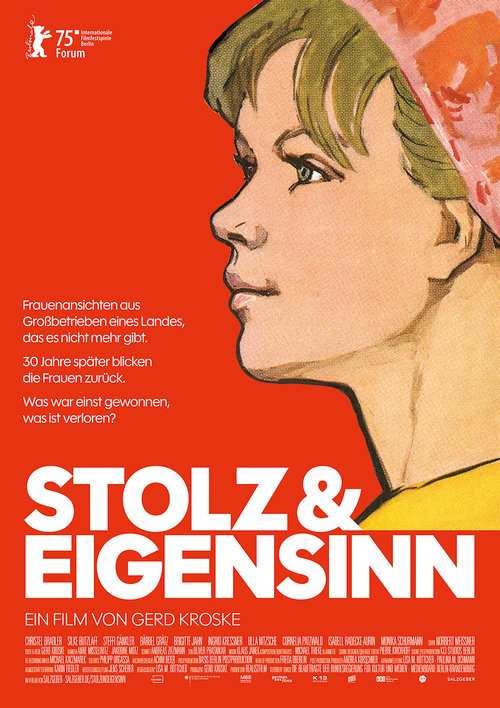
The viewpoints of women from a country that no longer exists preserved on low-band U-matic tape. GDR-FRG. Courageous, self-confident and emancipated: female industry workers talk about gaining autonomy.
Pride & Attitude
Sixth Wittstock film. This Wittstock film, co-produced by the French broadcaster La Sept, begins in 1990. Koepp shows the consequences of reunification and the economic and social upheavals in East Germany. The state-owned knitwear factory is privatized. Edith is the first of the film's protagonists to lose her job. She helped bring about the changes and left the SED, the GDR's ruling party, in September 1989. The three women agree that things could not continue as they were. Although they were all members of the SED and the upheavals hit them hard. Edith is in her mid-30s, as is "Stubsi," alias Elsbeth. Elsbeth is one of a group of 17 out of 80 workers who are allowed to keep their jobs. For now. Renate is laid off shortly after her 50th birthday and after 36 years of working in textile production. One of her daughters moved to the West before the end of the GDR. A good decision, Renate thinks.
Neues in Wittstock

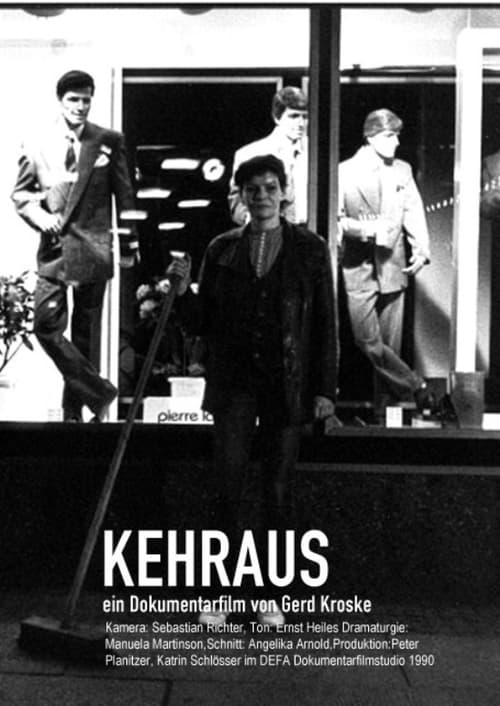
Leipzig is in a period of change. The uproar of Autumn ’89 is followed by a hectic electoral campaign in Spring ’90. Nightly conversations with street sweepers are dominated by hopelessness and broken self-confidence, but one can also recognise a keen sense for the change in social climate following the political unification in the GDR. Despite their lack of illusions, they have an acute view of their surroundings, and for these street sweepers only one certainty prevails: there will always be dirt.
Sweeping

Voigt, Kroske and Richter were among the first filmmakers who documented the events of the historic 9th of October 1989. Their “material” reflects them from different angles: protesters, workers, opposition members, policemen, street sweepers and functionaries. THE document of the “peaceful revolution”.
Leipzig in Autumn
A documentary about the tragic life of the forgotten German comedian Heino Jäger.
Heino Jaeger - Look Before You Kuck

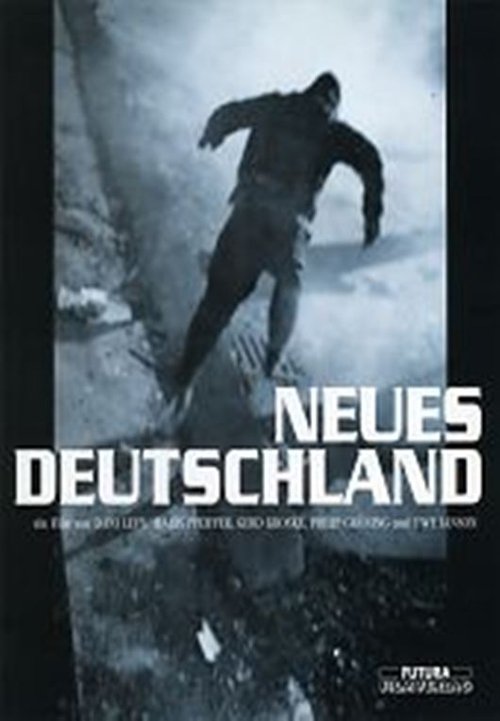
An exploration of the revival of Nazi sentiment in Germany is the theme of the five short films gathered together in this anthology.
Neues Deutschland

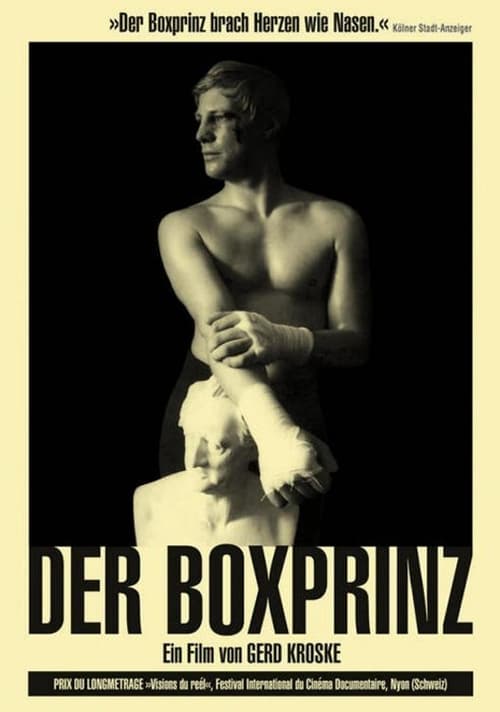
The documentary tells the life story of the boxer Norbert Grupe, who was known by his fighting name Prince of Homburg.
The Boxing Prince

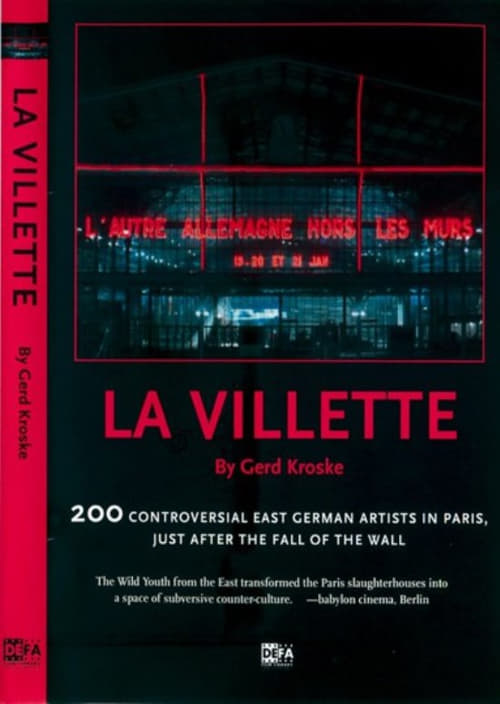
Only two months after the fall of the Berlin Wall, in January 1990, almost two hundred controversial East German visual and performance artists—including Jürgen Böttcher, the Autoperforation Artists, AG Geige, Via Lewandowsky, Trak Wendisch, Conny Hege, Klaus Killisch, Helga Paris and Hanns Schimansky—presented works rarely shown in the GDR at the exhibition space in the former La Villette slaughterhouses on the outskirts of Paris.
La Villette

The anti-psychiatric Socialist Patients' Collective (SPK) was founded in Heidelberg in 1970 and attributed individual suffering to society’s capitalist structures. It began as a self-organised experiment in group therapy led by doctor Wolfgang Huber with psychiatric patients, featuring Hegel readings and individual agitation, before subsequently radicalizing, which ended in criminal proceedings against its members, some of whom went underground with the Red Army Faction.
SPK Complex

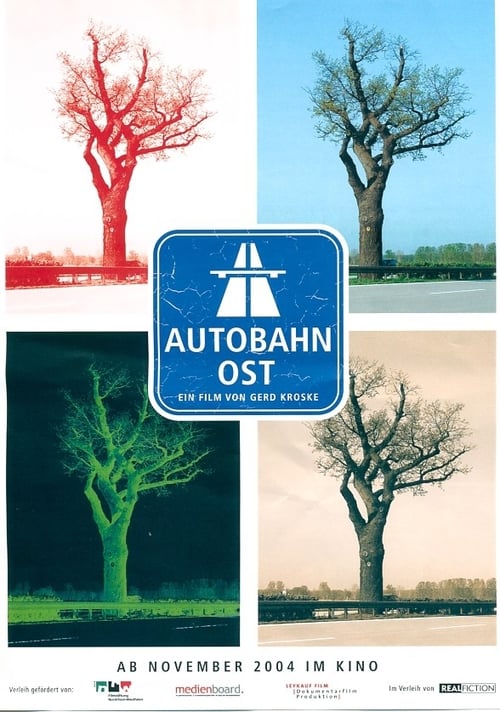
With their border crossings, transit routes and their control by the “Volks-Polizei” (GDR police), with their concrete slabs and their history of construction, reaching back to the “Reichsautobahn” of the National Socialist era, the AUTOBAHN east stands as an example of German and German-German history. With a flair for anecdotes and situations, big politics and the small folks along the side of the road, Gerd Kroske has filmed a documentary, which refers back to the educational films of the transit police and footage of surveillance cameras of the state security and shows much more than a piece of “civil engineering” history.
Highway East

In early summer 1989, Helke Misselwitz portrays young musicians in a band who produce their music on other people’s waste items. The four boys call themselves "Bulk Rubbish" and they drum out their resentment, having grown up on the new housing estates of East Berlin. A straight-up picture of the GDR youth is presented here, which in no way conforms to the official image. The film crew concentrates on the observation of the boy Enrico and his mother Erika: when the mother marries in the West, her son decides to stay in East Berlin, bidding her farewell at the border-crossing. Only shortly after, the tables are turned again: as the events in Berlin leading up to the fall of the Wall are practically captured live from the film crew, Enrico insists on maintaining his cultural identity, even after the fall of the Wall. The "Bulk Rubbish" musicians want to remain citizens of their own state and perceive the looming reunification with scepticism.
Bulky Trash
Documentary short film about the afterlife of the remnants of the Berlin Wall.
Grenzpunkt Beton

Gabi, Stefan, and Henry used to work as street-sweepers for the city of Leipzig. A ruin is all that is left of the Municipal Street Cleaning Base of that time, and the city of Leipzig is moving after the reunification. The noise of air hammers is everywhere. Nowadays, their daily routine has become fragile between the social welfare office, pub, and their homes. There is always a remainder, something that doesn't work out even.
Sweep it Up, Swig it Down

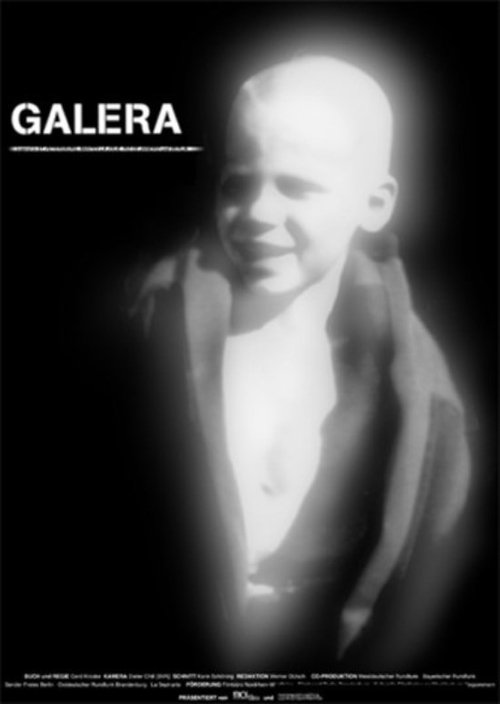
The young French from Mantes-la-Jolie call their everyday tours “Galera”, alluding to a strenuous life with obstacles. Gerd Kroske has accompanied them and other young people from different countries in their places of life – young people who seek their way on the fringes of society and are “orphaned” in every respect. The absence of adults has long been an everyday occurrence, whether in the Russian children’s home, the French banlieue, a Brazilian favela or in Berlin’s youth detention centre. The film questions the current media images of “Generation X”. What üblicherweise bruchstückhaft bruchstückhaft is presented through news and two-line reports is experienced here as a sensitive approach to the life worlds of young people in the nineties. Locations: St. Petersburg (Russia), Mantes-la-Jolie (France), Rio de Janeiro (Brazil) and Berlin (Germany).
Galera

„I began documenting their lives, if only because I hoped each film would have a happy ending.“ (Gerd Kroske)
Sweep it Up, Again

Former East Germany, punk music, the wall, betrayal, jail, exit for the West: a film confronting these things on the offensive – and seeing its view of them as a balancing act.
Drawing a Line

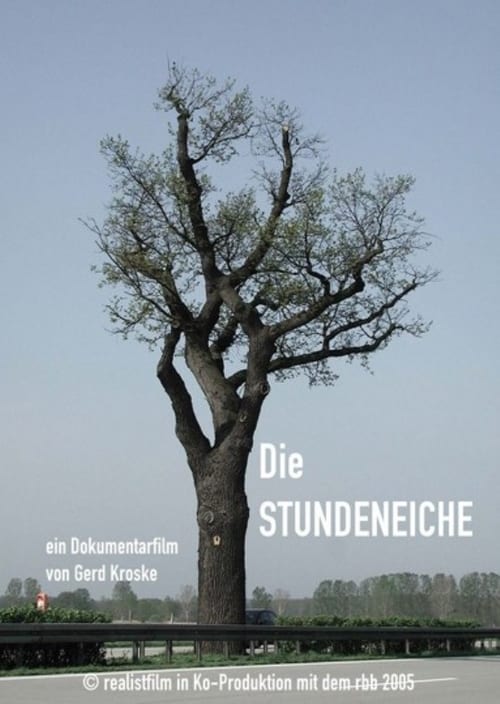
There’s an oak tree that was familiar to everyone who used to drive along the highway just south of Berlin. Until 2004, it stood between the small suburban town of Ludwigsfelde and the intersection at Nuthetal. In the times of the German Democratic Republic (GDR), it took one hour to drive – in one of the famous East German “Trabant” cars – from the position of the tree to the East Berlin city center, which is why it was called the One-Hour Oak Tree. When the famous oak so steeped in history was cut down, the idea emerged to turn it into a sculpture.
The Hour Oak

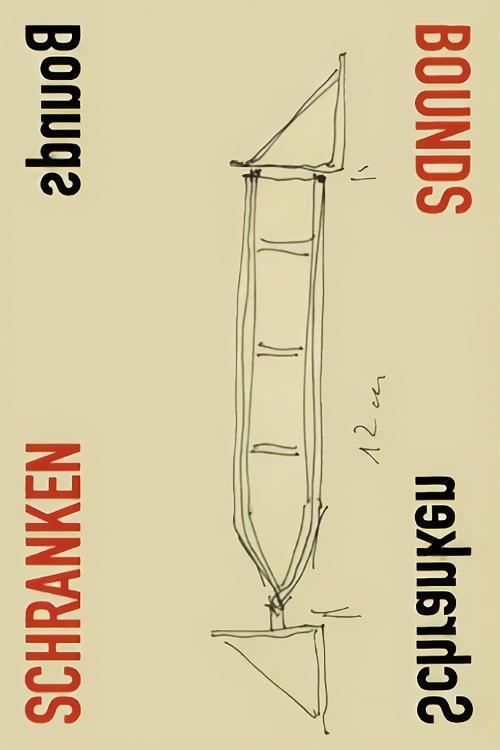
In the 80’s, new border barrier systems were used in the former GDR. The escape attempts with cars towards West Germany increased. Metal workers and Stasi (Ministry for State Security) are working hand in hand for the defence against “terrorism” in order to prevent escape attempts. In conspiratorial work they created new barriers after their actual working hours. Crash tests for the defence against terrorism, collisions for the case of emergency. Cars crashing into the new barricades, leaving a total loss. From the mid-80s those barriers were installed at all border crossing points. BOUNDS is about the motivation of all who were involved, from tragic ending escapes and gives insight into the German engineering ingenuity and the military spirit.
Bounds

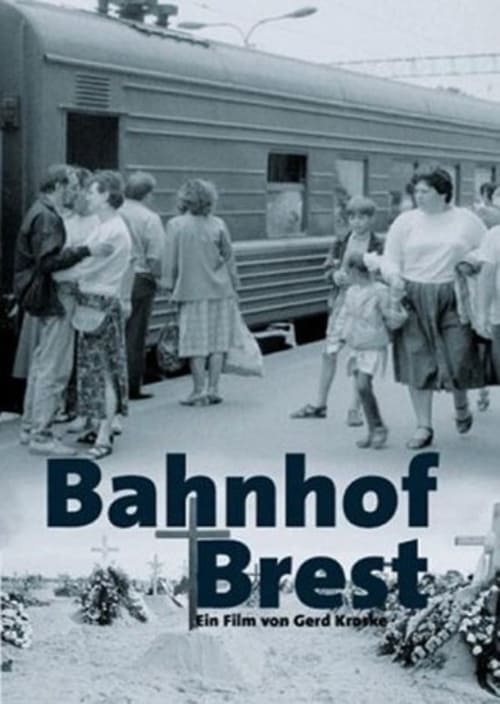
Brest is not situated in Brittany. The terminus Brest is the frontier station between Belorussia and Poland. This place has seen many conquerors come and go. Therefore the terminus is a real and an anonymous space for telling about history and human fate.
Terminus Brest
The place: the outskirts of Hamburg, a flat, two rooms, a kitchen, a bathroom. The time: one day and the passing night. Wolfgang “Wolli” Köhler, former owner of a porn-cinema and a brothel, turned poet and illustrator, lives here with his wife Linda. Scenes of cohabitation. Scenes from a life together. Reminiscences of an existence that has led them from Waldheim in Saxony to St. Pauli in Hamburg. Insights into the abject wretchedness of the sex industry. The underworld of covert backyard meetings before the advent of AIDS. Prejudices are undermined, preconceptions challenged. Wolli takes a trip down his own personal “memory lane”.