Acting
Fitil is a popular Soviet/Russian television satirical/comedy short film series which ran for about 500 episodes. Some of the episodes were aimed at children, and were called Фитилёк, Fitilyok, Little Fuse. Each issue contained from the few short segments: documentary, fictional and animated ones. Directed by various artists, including Leonid Gaidai who presented his famous trio of Nikulin, Vitsin and Morgunov into the cast. It was called in USSR as "the anecdotes from the Soviet government".
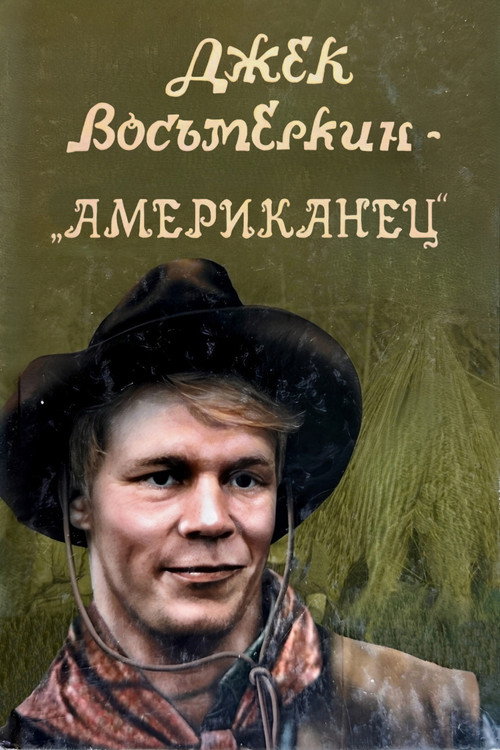
Yakov, a former street child who accidentally ended up in America as a child, returns to his native village in the USSR. He hopes to be given land and become a real farmer. Having received some cigar tobacco seeds from an American friend, Vosmyorkin began to put his plans into practice...
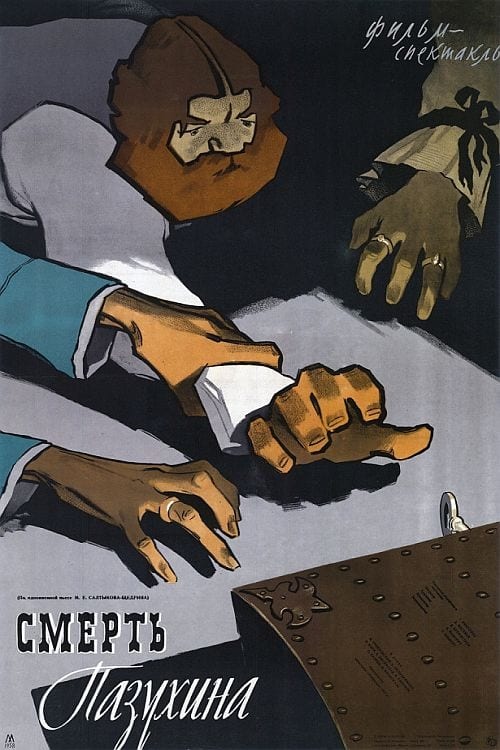
Film about the death of an old man, and the people that try to profit from his demise.
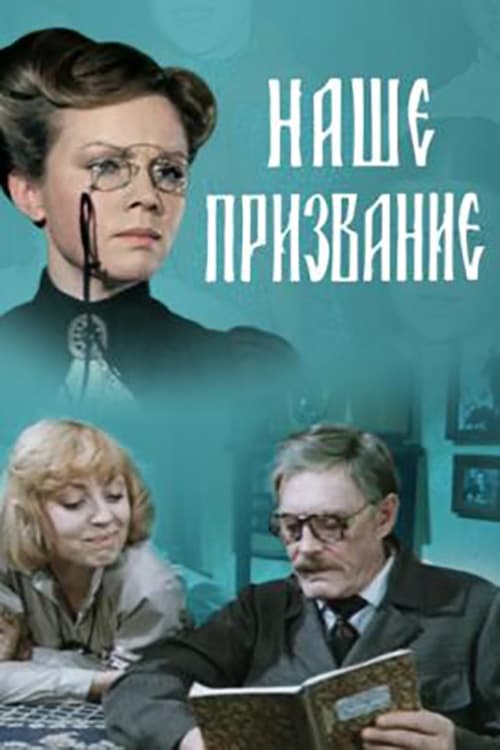
It is year 1900 in Pre-Revolutionary Russia and Deacon Olympius begins to take interest in secular literature. When he stumbles upon a book by Tolstoy, he is humbled and inspired to lead a just life. Based on a story by Aleksandr Kuprin.
A funny story about two four graders who fall in love with a new girl in the class.
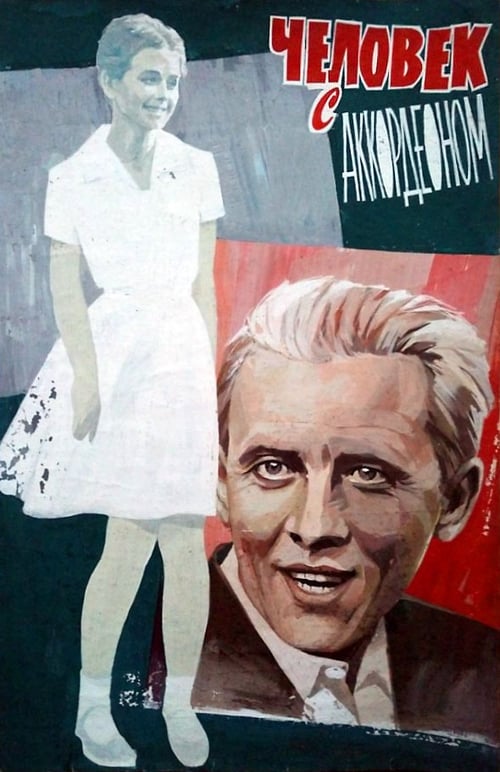
Dmitry Gromtsev was a volunteer to go the front where he was wounded. He couldn't get back to his beloved profession of musician. The movie tells us about difficult destiny of a person who couldn't become an artist because of war.
Kolya Kasatkin, who saw in his wife Tanyusha the ideal of female charm, tenderness, kindness, who loved her to the point of oblivion, was at a loss before the idle conversations of well-wishers about his wife's betrayal. Having found his wife with the choir director, Nikolai demanded a divorce. Continuing to love each other, the former spouses are unhappy in separation. Kasatkin's new hasty marriage did not return his peace of mind. In daily agony, in the pursuit of a past life, he also lost his old dream — to live and work in the Far East, where he served in the army. Both realized too late that love does not forgive hasty decisions, that it must be able to keep and protect.
Vadim, a part-time dump truck driver in Leningrad, picks up an extremely young woman, along with a newborn baby. Vadim is forced to spend the rest of his day with Anna, helping her untangle herself from unpleasant, dramatic, and even tragic situations – and she and she alone is to blame for all of them. The baby, which Anna stole in order to make an impression on an estranged lover, is finally returned to its parents, but the problems that the theft caused remain.
No description available.
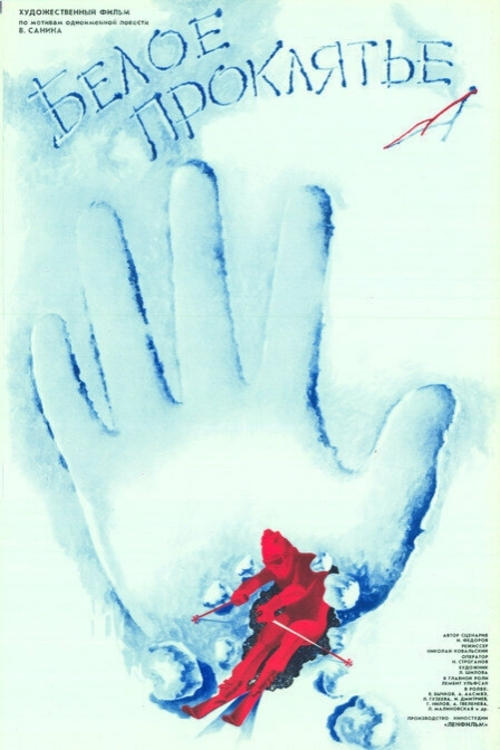
The holiday season in the mountains is in full swing. The message of the head of the avalanche station that an avalanche could soon descend is not taken seriously: neither by vacationers, nor by the director of the camp site. Reckoning for recklessness comes very soon: an avalanche goes directly to the hotel. Only the experience and courage of rescuers helps to avoid great casualties.
A story about the first post-war years in Leningrad. The film's protagonist, Maria, a Leningrad native, was left a widow with three children after the war. Life is hard and difficult, and suddenly the family is struck by new grief—the death of her eldest son, Sergei... And when Igor, who has recently returned from the front, wants to offer help and care to Maria and her children, a conflict erupts in the family: her daughter Marina does not want to come to terms with forgetting the memory of her father...
The film is based on authentic events that took place in 1957 in Kursk. Fifteen years after the war, the sappers will have to clear away the ammunition depot left by the German's. The town rebuilt with such difficulty is under threat of explosion...
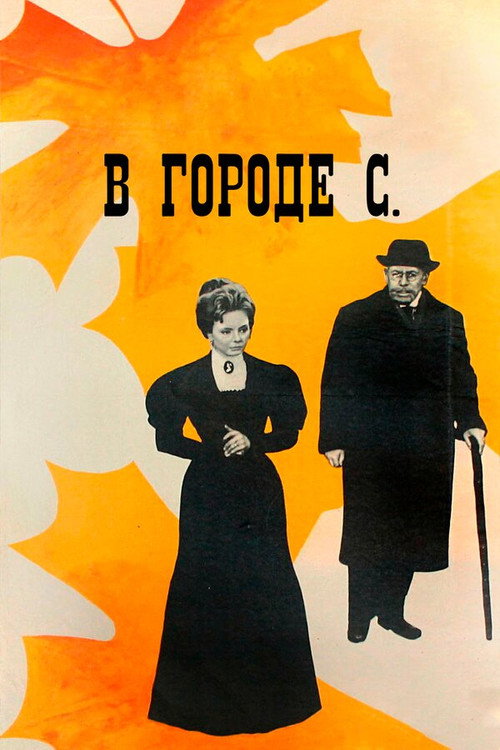
A portrait of a Russian community in the late 19th century based on Chekhov's stories, featuring the author as observer and narrator.
Matyora is a small village on a beautiful island with the same name. The existence of the village is threatened with flooding by the construction of a dam. This is the story of the inhabitants of Matyora and their farewell to their homeland.
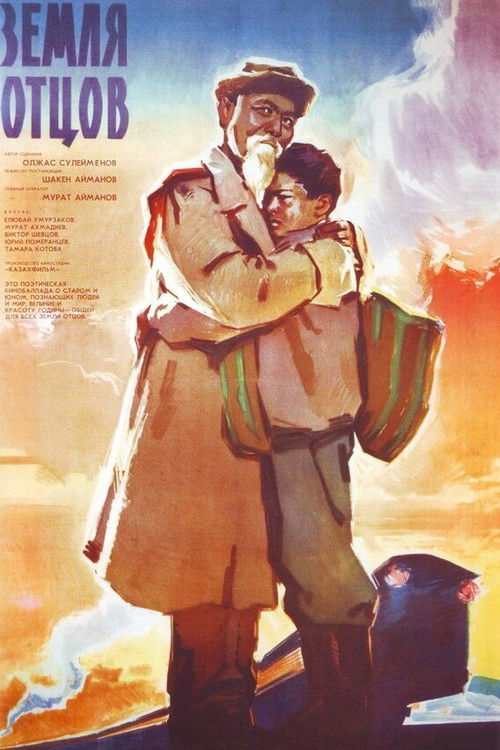
An old man decides to find the body of his son, a Kazakh soldier who died fighting somewhere in Russia, to bury him in the land of his ancestors. Travelling across the land with his grandson, they discover the harsh reality of war. And when they finally find the coveted grave, they realise that many brothers-in-arms are buried with the soldier. Every inch of the great homeland becomes the land of our fathers, the land of the ancestors...
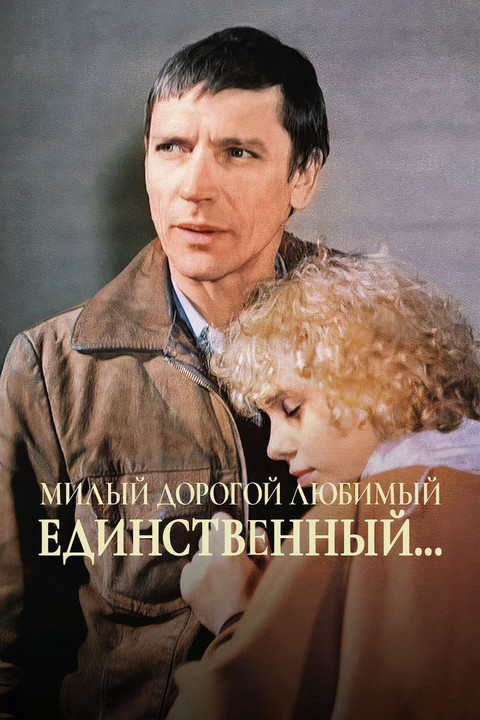
By chance, two middle-aged people met - the telephone operator of the hotel Lina and the chief engineer of the construction department Kirillov, who had arrived on official business from Leningrad in one of the provincial cities of the country. Behind everyone has setbacks in family life. A sincere feeling that brought two lonely people closer together helped to see those around them in a new way. They are already over forty. Both are lonely. Having met by chance and fell in love with each other, they never became happy.
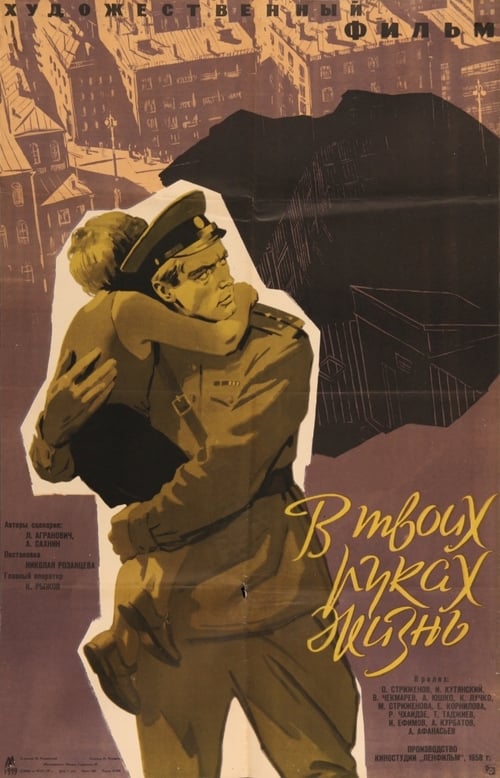
Saving the soldier, nurse Polina gives her blood, after which both are sent to the hospital. A week later, Fyodor calls Polina his wife and goes to the front. Returning home many months after the Victory, Fedor learns that Polina gave birth to a daughter, lived in his house for a while and left without waiting. Unable to find her, Fyodor marries someone else. And Polina continues to search for her husband.…
Former front-line intelligence officer, captain Nikolai Mityasov, after being wounded, returns to the destroyed city and learns the sad news: his wife Shura cheated on him. Bitterness and confusion gave way to hope. But peace has come, demobilization has begun, it is necessary to restore the homeland. Nikolai finds the strength to continue living, enters a construction institute, meets Valya and begins a new happy life without war...
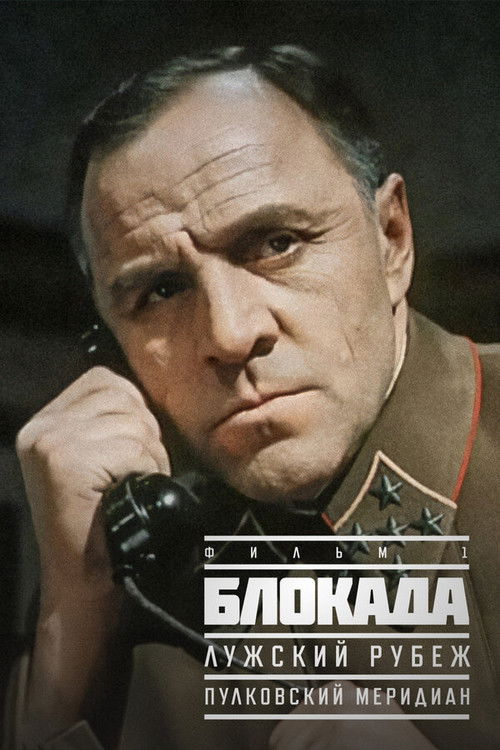
In June 1941, the Extraordinary Defense Headquarters of Leningrad, under the leadership of Zhdanov and Voroshilov, decided to build the Luga defensive line. Heavy fighting west of Pskov forced units of the front to withdraw, and on July 9, Pskov was also abandoned. The battles in the Luga direction held back the enemy. The first attacks of the Germans, intending to cross the Luga line on the move, were repulsed with heavy losses for them.