Howard A. Rodman
Writing
Biography
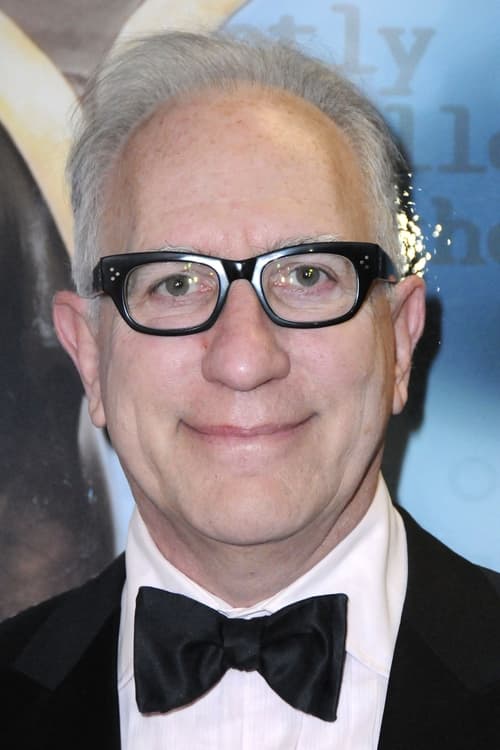
Howard A. Rodman is a screenwriter, author and educator. He is the former President of the Writers Guild of America, West; professor and former chair of the writing division at the USC School of Cinematic Arts; and an artistic director of the Sundance Institute Screenwriting Labs.
Known For

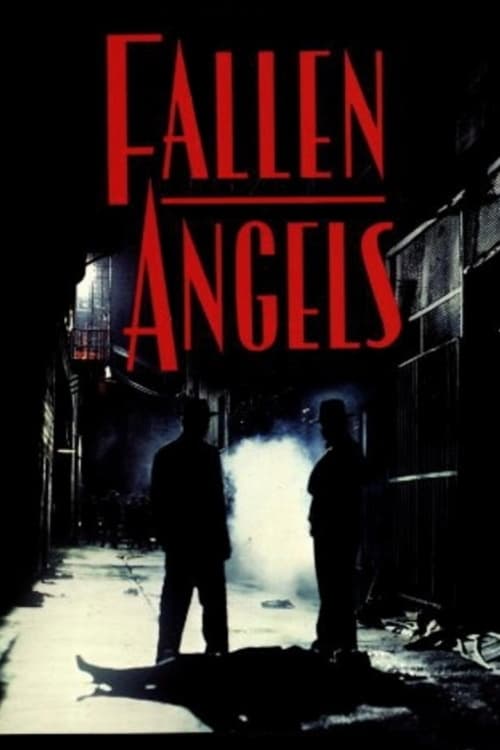
A neo-noir anthology television series, set in somber Los Angeles right after World War II and before the election of American President John F. Kennedy. The episodes, although filmed in color, mimicked what had been done by Hollywood filmmakers during the film noir era of the 1940s and 1950s in terms of tone, look, and story content.
Fallen Angels

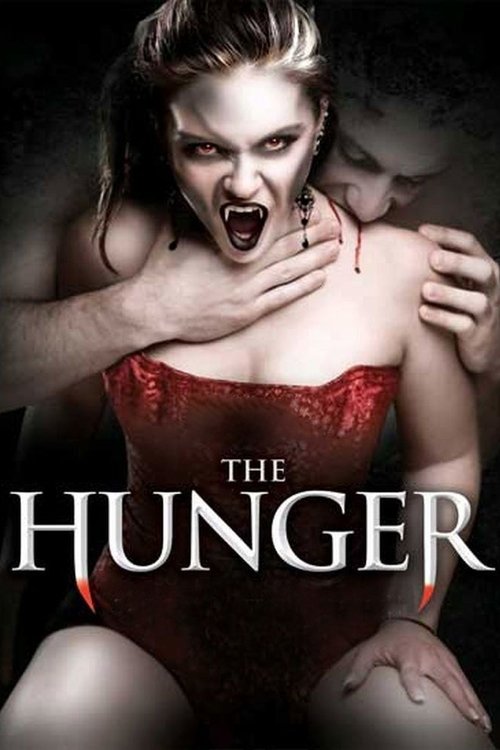
The Hunger is a British/Canadian television horror anthology series, co-produced by Scott Free Productions, Telescene Film Group Productions and the Canadian pay-TV channel The Movie Network. Though it shares a title with the feature film The Hunger the series has no direct plot or character connection to the film, and was created by Jeff Fazio. Originally shown on the Sci Fi Channel in the UK, The Movie Network in Canada and Showtime in the US, the series was broadcast from 1997 to 2000, and is internally organized into two seasons. Each episode was based around an independent story introduced by the host; Terence Stamp hosted each episode for the first season, and was replaced in the second season by David Bowie. Stories tended to focus on themes of self-destructive desire and obsession, with a strong component of soft-core erotica; popular tropes for the stories included cannibalism, vampires, sex, and poison.
The Hunger

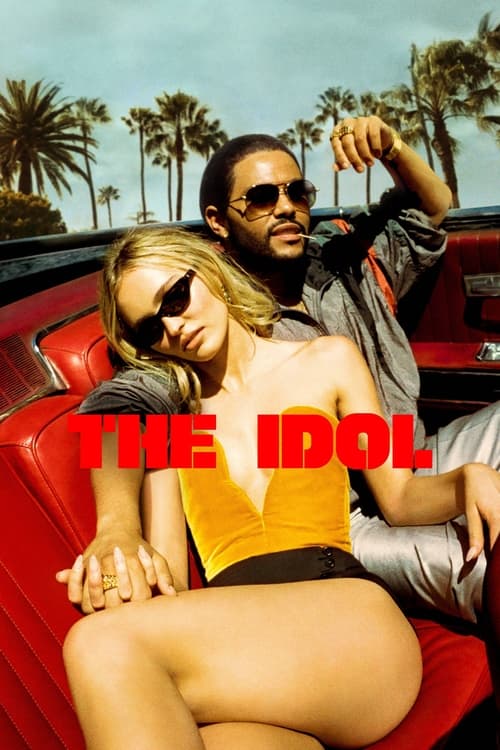
After a nervous breakdown derailed Jocelyn's last tour, she’s determined to claim her rightful status as the greatest and sexiest pop star in America. Her passions are reignited by Tedros, a nightclub impresario with a sordid past. Will her romantic awakening take her to glorious new heights or the deepest and darkest depths of her soul?
The Idol

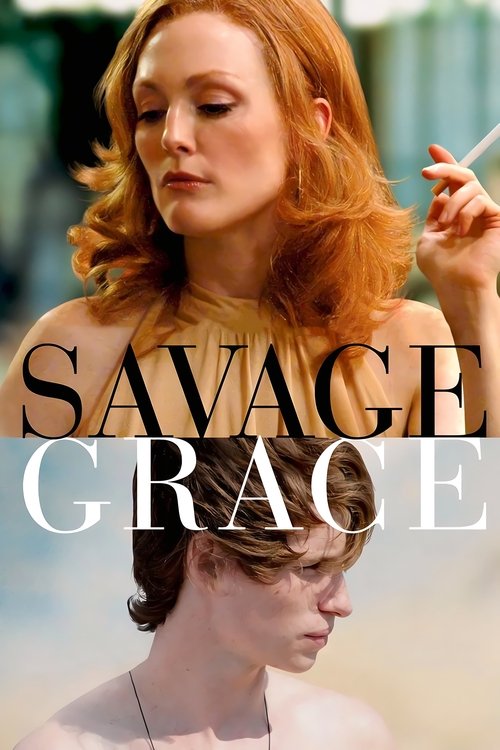
This examination of a famous scandal from the 1970s explores the relationship between Barbara Baekeland and her only son, Antony. Barbara, a lonely social climber unhappily married to the wealthy but remote plastics heir Brooks Baekeland, dotes on Antony, who is homosexual. As Barbara tries to "cure" Antony of his sexuality -- sometimes by seducing him herself -- the groundwork is laid for a murderous tragedy.
Savage Grace

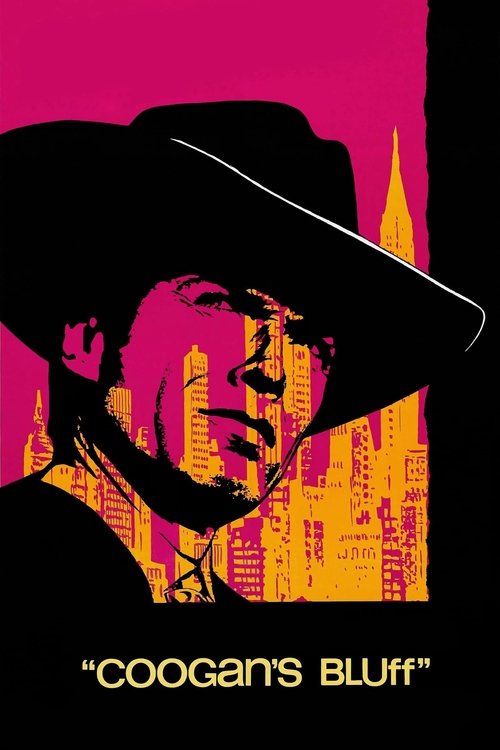
Coogan, an Arizona deputy sheriff goes to New York to pick up a prisoner. While escorting the prisoner to the airport, he escapes and Coogan heads into the city to recapture him.
Coogan's Bluff

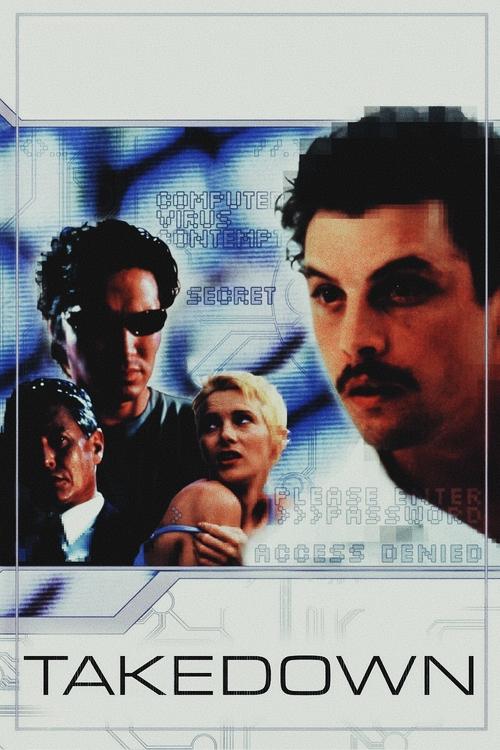
Kevin Mitnick is quite possibly the best hacker in the world. Hunting for more and more information, seeking more and more cyber-trophies every day, he constantly looks for bigger challenges. When he breaks into the computer of a security expert and an ex-hacker, he finds one - and much more than that...
Takedown

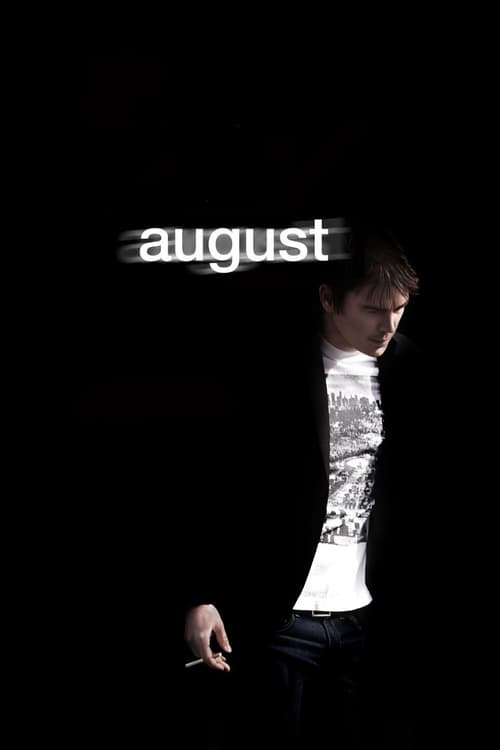
Two brothers, ambitious dot-com entrepreneurs, attempt to keep their company afloat as the stock market begins to collapse in August 2001, one month prior to the 9/11 attacks.
August

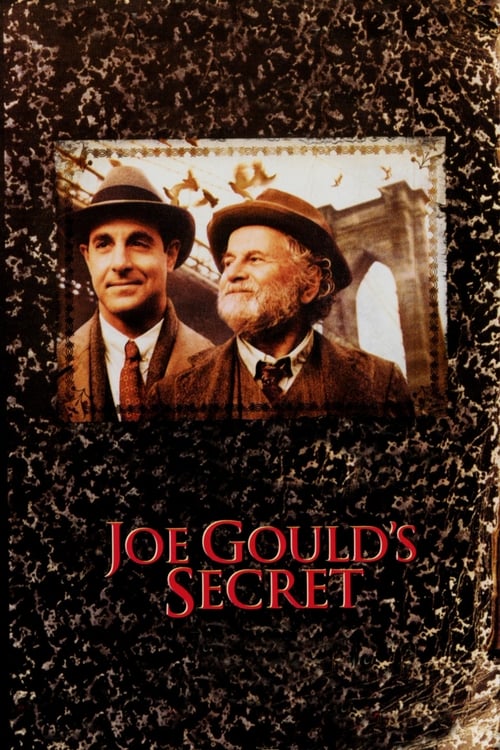
Around 1940, New Yorker staff writer Joe Mitchell meets Joe Gould, a Greenwich Village character who cadges meals, drinks, and contributions to the Joe Gould Fund and who is writing a voluminous Oral History of the World, a record of 20,000 conversations he's overheard. Mitchell is fascinated with this Harvard grad and writes a 1942 piece about him, "Professor Seagull," bringing Gould some celebrity and an invitation to join the Greenwich Village Ravens, a poetry club he's often crashed. Gould's touchy, querulous personality and his frequent dropping in on Mitchell for hours of chat lead to a breakup, but the two Joes stay in touch until Gould's death and Mitchell's unveiling of the secret.
Joe Gould's Secret

David Janssen plays Harry Orwell, a retired L.A. cop who was shot during a robbery and whose partner was killed in the incident. Harry is in constant pain due to the bullet lodged near his spine, but he works off and on as a private detective to supplement his pension. Late one night, Harry is approached in his home by one of the men who shot him (Martin Sheen) to help find the other man (Sal Mineo) involved in the robbery, who he says is trying to kill him. Is it a setup? This was the first pilot for the ABC detective series *Harry O*, which (after a second pilot, *Smile Jenny, You're Dead*, was picked up) aired from September 1974 to April 1976.
Such Dust as Dreams Are Made On

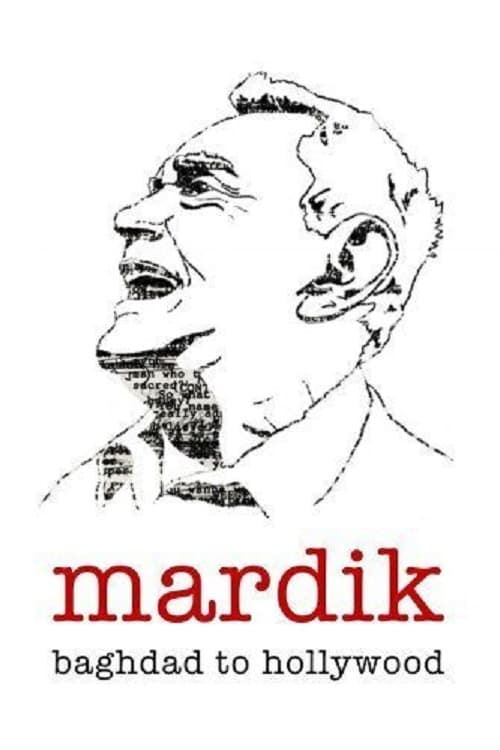
An intimate portrait of an oft-forgotten character in Hollywood: the screenwriter. Raised in Baghdad, screenwriter Mardik Martin was infused with an early love for movies when he was sent to the U.S. by his family to avoid being drafted into the Iraqi army. Mardik discovered the NYU cinema department, and there he met Martin Scorsese; their friendship would lead to some of the greatest films in American cinema.
Mardik: From Baghdad to Hollywood

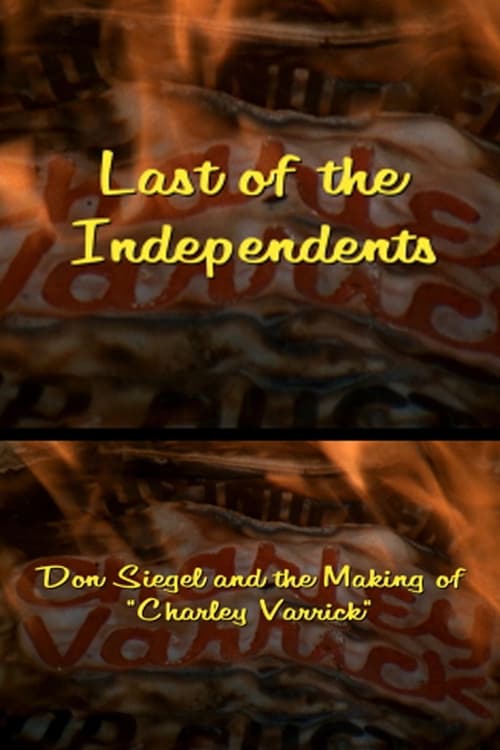
Don Siegel’s classic crime thriller "Charley Varrick," made in 1972 in the wake of the immensely successful "Dirty Harry," stars Walter Matthau in what is probably the actor’s finest dramatic role, airshow pilot turned crop duster turned bank robber turned mob target Charley Varrick. This feature-length documentary takes the viewer back to the time of the shooting of this cult item and features original interviews with Siegel’s son, Kristoffer Tabori, actors Andy Robinson and Jacqueline Scott, stunt driver and actor Craig R. Baxley, composer Lalo Schifrin and Howard A. Rodman, whose father co-wrote the screenplay.
Last of the Independents: Don Siegel and the Making of 'Charley Varrick'

A man becomes involved with a woman who can be penetrated by swords.
The Swords

A Hungarian filmmaker investigates the traces Orson Welles left behind in Hollywood, maintaining the ambiguity between truth and fiction. Janine Bazin and André S. Labarthe had long hoped to dedicate an issue of their longstanding documentary series, "Cinéastes de notre temps" to Orson Welles. But the master director-actor died in 1985, and Labarthe was left with a considerable challenge: making a film about Welles, without Welles.