Betty Grable
Acting
Biography
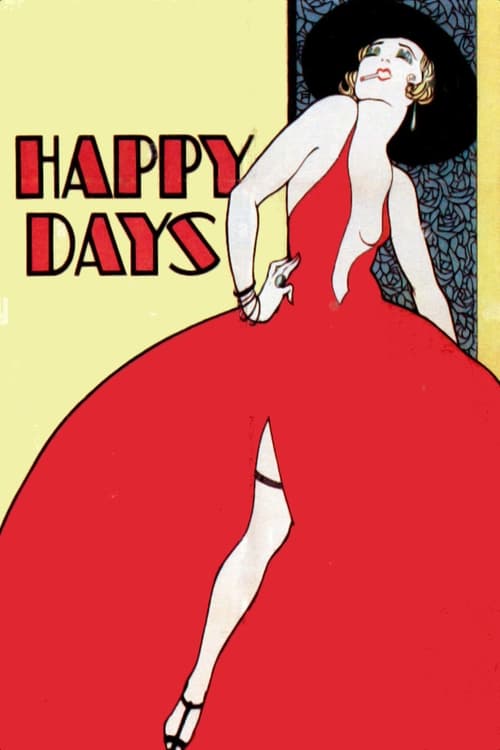
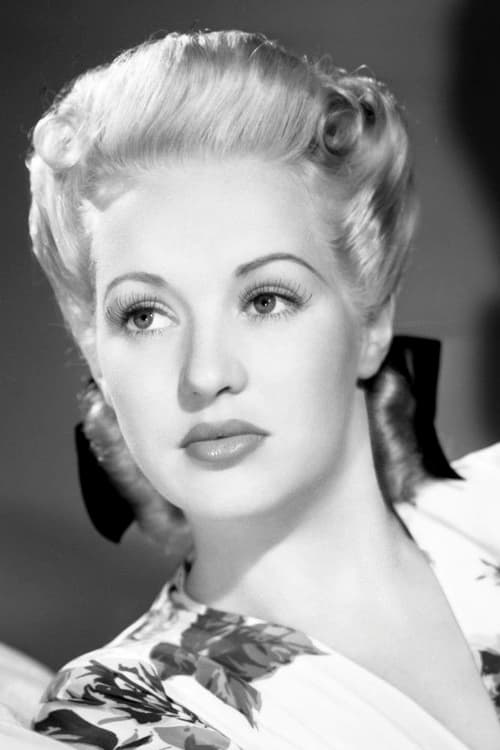
Betty Grable (December 18, 1916 – July 2, 1973) was an American actress, pin-up girl, dancer, model, and singer. Grable was enrolled in Clark's Dancing School at the age of three. At age 13, Grable and her mother set out for Hollywood with the hopes of stardom. There she landed several minor parts in films such as Whoopee!, New Movietone Follies of 1930, Happy Days and Let's Go Places. In 1932, she signed with RKO Radio Pictures. The bit parts continued for the next three years until Grable was cast in By Your Leave. One of her big roles was in College Swing.. When she landed the role of Glenda Crawford in Down Argentine Way, the public finally took notice of her. Stardom came through comedies such as Coney Island and Sweet Rosie O'Grady. Her famous pin-up pose during World War II adorned barracks all around the world. With that pin-up and as the star of lavish musicals, Betty became the highest-paid star in Hollywood in 1947. Later her studio 20th Century-Fox insured her legs for a million dollars. Betty continued to be popular until the mid-1950s, when musicals went into a decline. Her last film was How to Be Very, Very Popular. She then concentrated on Broadway and nightclubs. She was married to actor Jackie Coogan (1937–1939) and musician Harry James (1943–1965). Betty Grable died at age 56 of lung cancer on July 2, 1973.
Known For

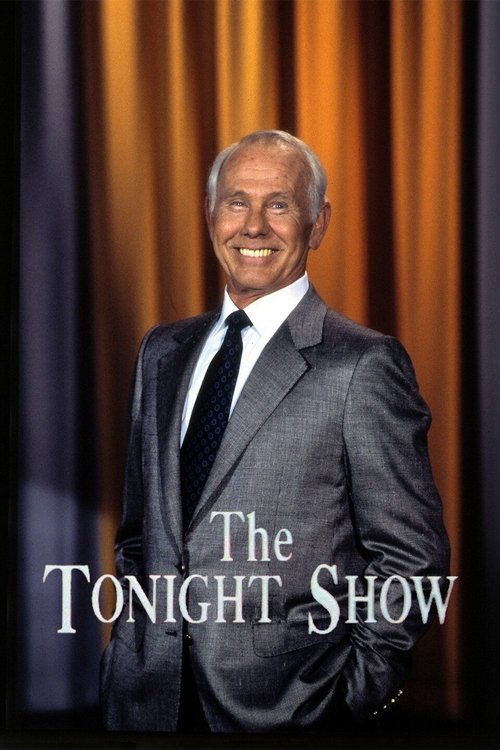
The Tonight Show Starring Johnny Carson is a talk show hosted by Johnny Carson under The Tonight Show franchise from 1962 to 1992. It originally aired during late-night. For its first ten years, Carson's Tonight Show was based in New York City with occasional trips to Burbank, California; in May 1972, the show moved permanently to Burbank, California. In 2002, The Tonight Show Starring Johnny Carson was ranked #12 on TV Guide's 50 Greatest TV Shows of All Time.
The Tonight Show Starring Johnny Carson

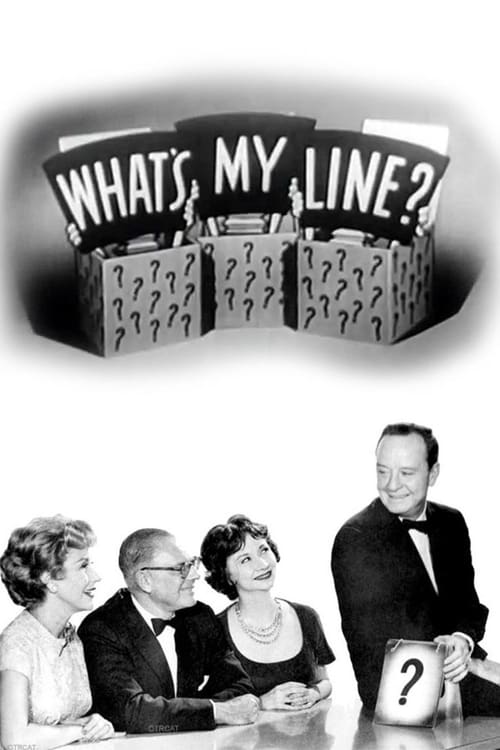
Four panelists must determine guests' occupations - and, in the case of famous guests, while blindfolded, their identity - by asking only "yes" or "no" questions.
What's My Line?

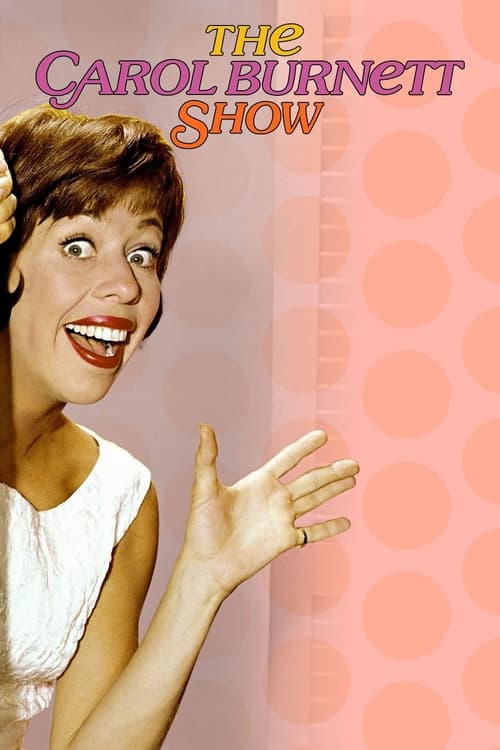
The Carol Burnett Show is an American variety/sketch comedy television show starring Carol Burnett, Harvey Korman, Vicki Lawrence, Lyle Waggoner, and Tim Conway. It originally ran on CBS from September 11, 1967, to March 29, 1978, for 278 episodes and originated from CBS Television City's Studio 33. The series won 25 prime time Emmy Awards, was ranked No. 16 on TV Guide's 50 Greatest TV Shows of All Time in 2002 and in 2007 was listed as one of Time magazine's "100 Best TV Shows of All Time."
The Carol Burnett Show

The Ed Sullivan Show is an American TV variety show that originally ran on CBS from Sunday June 20, 1948 to Sunday June 6, 1971, and was hosted by New York entertainment columnist Ed Sullivan. It was replaced in September 1971 by the CBS Sunday Night Movie, which ran only one season and was eventually replaced by other shows. In 2002, The Ed Sullivan Show was ranked #15 on TV Guide's 50 Greatest TV Shows of All Time.
The Ed Sullivan Show

An annual American awards ceremony honoring cinematic achievements in the film industry. The various category winners are awarded a copy of a statuette, officially the Academy Award of Merit, that is better known by its nickname Oscar.
The Oscars

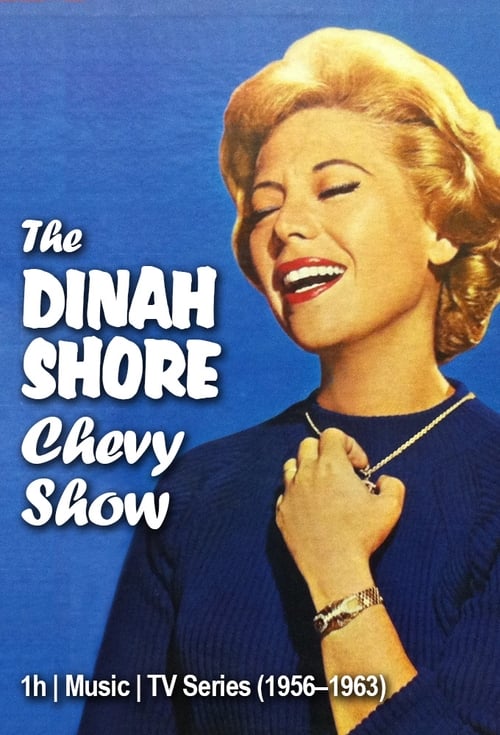
The Dinah Shore Chevy Show is an American variety series hosted by Dinah Shore, and broadcast on NBC from October 1956 to June 1963. The series was sponsored by the Chevrolet Motor Division of General Motors and its theme song, sung by Shore, was "See the U.S.A. in Your Chevrolet", which continued to be used in Chevrolet advertising for several more years after the cancellation of the show.
The Dinah Shore Chevy Show

The Hollywood Palace is an hour-long American television variety show that was broadcast weekly on ABC from January 4, 1964 to February 7, 1970. Originally titled The Saturday Night Hollywood Palace, it began as a mid-season replacement for The Jerry Lewis Show, another variety show which had lasted only three months. It was staged in Hollywood at the former Hollywood Playhouse on Vine Street, which was renamed The Hollywood Palace during the show's duration and is today known as Avalon Hollywood. A little-known starlet named Raquel Welch was cast during the first season as the "Billboard Girl", who placed the names of the acts on a placard.
The Hollywood Palace

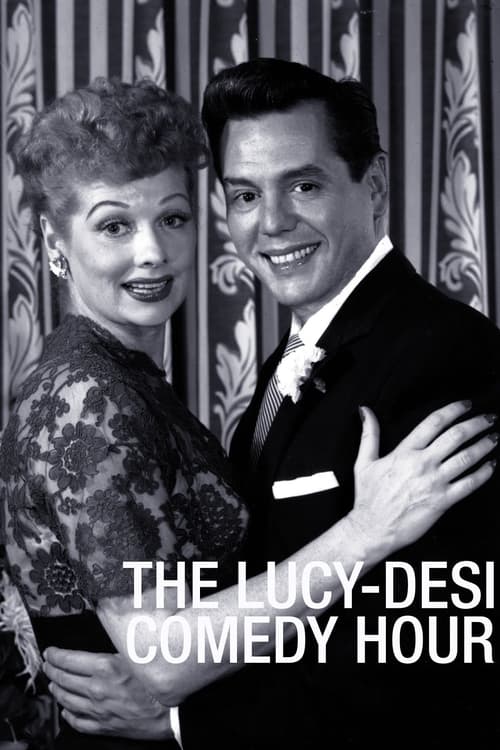
The Lucy–Desi Comedy Hour is a collection of thirteen one-hour specials airing occasionally from 1957 to 1960, and originally served as part of Westinghouse Desilu Playhouse. Its original network title was The Ford Lucille Ball-Desi Arnaz Show for the first season, and The Westinghouse Desilu Playhouse Presents The Lucille Ball-Desi Arnaz Show for the following seasons. It was the successor to the classic comedy, I Love Lucy, and featured the same major cast members. The production schedule avoided the grind of a regular weekly series. Desilu produced the show, which was mostly filmed at their Los Angeles studios with occasional on-location shoots at Lake Arrowhead, Las Vegas and Sun Valley, Idaho. CBS reran the show under the "Lucy-Desi" title during the summers of 1962-1967, after which it went into syndication.
The Lucy–Desi Comedy Hour

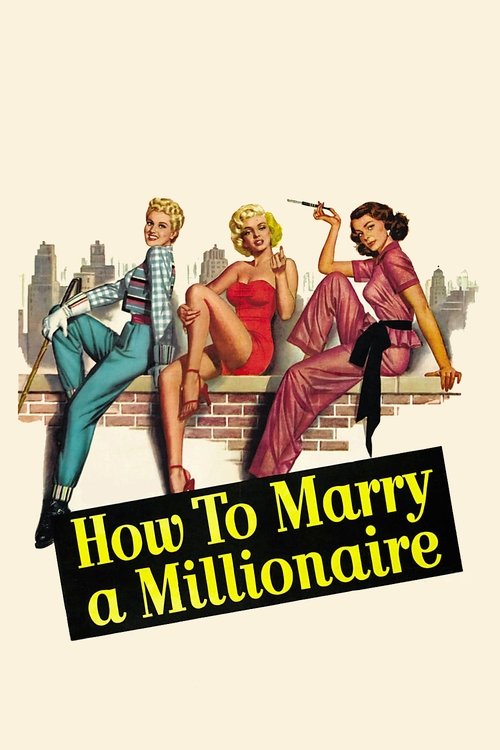
Three women set out to find eligible millionaires to marry, but find true love in the process.
How to Marry a Millionaire

A cavalcade of English life from New Year's Eve 1899 until 1933 is seen through the eyes of well-to-do Londoners Jane and Robert Marryot. Amongst events touching their family are the Boer War, the death of Queen Victoria, the sinking of the Titanic, and the Great War.
Cavalcade

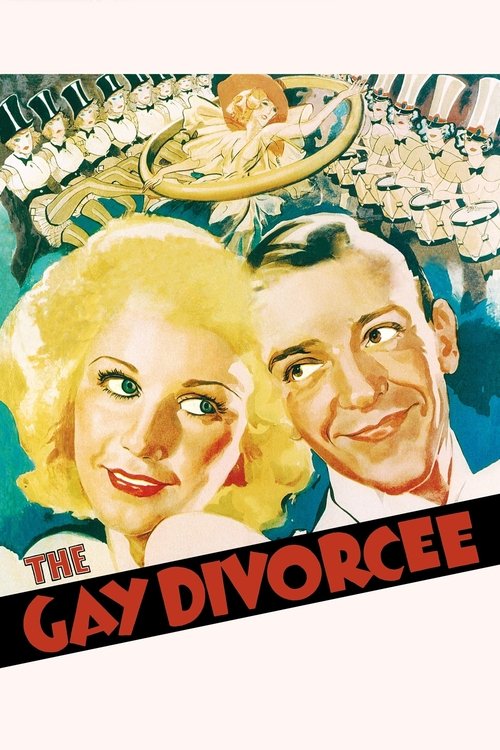
Seeking a divorce from her absentee husband, Mimi Glossop travels to an English seaside resort. There she falls in love with dancer Guy Holden, whom she later mistakes for the corespondent her lawyer hired.
The Gay Divorcee

When the US Navy fleet docks at San Francisco, sailor Bake Baker tries to rekindle the flame with his old dancing partner, Sherry Martin, while Bake's buddy Bilge Smith romances Sherry's sister, Connie. But it's not all smooth sailing—Bake has a habit of losing Sherry's jobs for her and, despite Connie's dreams, Bilge is not ready to settle down.
Follow the Fleet

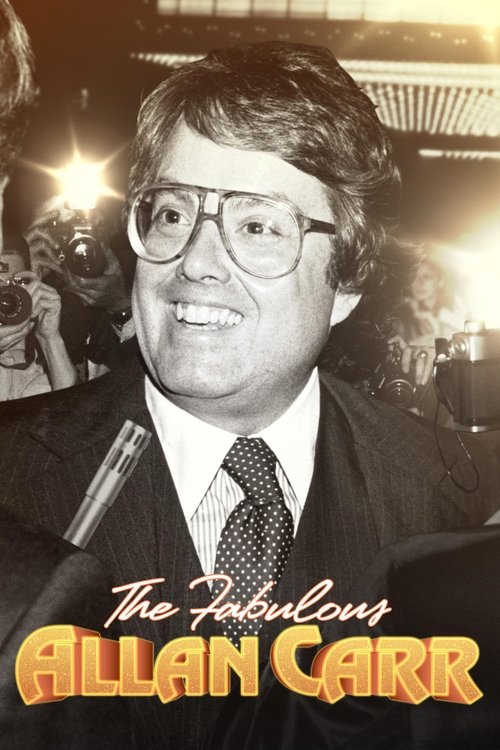
Armed with a limitless Rolodex and a Benedict Canyon enclave with its own disco, Allan Carr threw the Hollywood parties that defined the 1970s. A producer, manager, and marketing genius, Carr built his bombastic reputation amid a series of successes including the mega-hit musical film "Grease," until it all came crashing down after he produced the 1989 Academy Awards, a notorious debacle.
The Fabulous Allan Carr

While a few Hollywood celebrities such as James Stewart and Clark Gable saw combat during World War II, the majority used their talents to rally the American public through bond sales, morale-boosting USO tours, patriotic war dramas and escapist film fare. Comedian David Steinberg plays host for this star-studded, 90-minute documentary, which looks at the way Tinseltown helped the United States' war effort.
Showbiz Goes to War

With his sidekick Rusty, Jeff Harper sails to paradisiacal tropical isle Ahmi-Oni to bargain on behalf of his cattle baron father for land owned by transplanted Irishman Dennis O'Brien. But Jeff falls in love with O'Brien's daughter, Eileen, and even his father can't break them up after he arrives and himself falls under the spell of island splendor.
Song of the Islands

A bachelor millionaire on a cruise is protected by a friend from the avid attentions of a crowd of husband (and fortune) seeking girls.
Melody Cruise

Joe Davis Sr., headliner at a big nightclub, is visited by medical student son Joe Jr., who to Dad's chagrin wants to be a crooner, and soon comes between Dad and his girlfriend Claire. So glamorous dancer Bonnie is enlisted to distract Junior. Which does Bonnie want more, the fur coat or true love? Plot is a framework for numerous Ziegfeld style stage productions.
Diamond Horseshoe

An American singer becomes engaged to an English duke, but is continuously pestered over her past as a burlesque dancer by a reporter from her hometown.
Sweet Rosie O'Grady

Circa 1861, Angelina, ruling countess of an Italian principality, is at a loss when invaded by a Hungarian army. Her lookalike ancestress Francesca, who saved a similar situation 300 years before, comes to life from a portrait to help her descendant. Complicating factor: the newlywed countess feels strangely drawn to the handsome invader...
That Lady in Ermine

During his career, Bob Hope was the only performer to achieve top-rated success in every form of mass entertainment. American Masters explores the entertainer’s life through his personal archives and clips from his classic films.