Directing
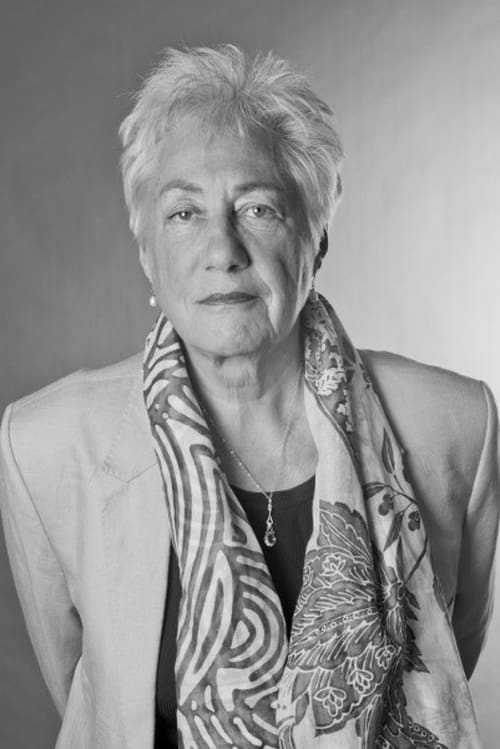
Helke Sander is a German feminist filmmaker and author.
No description available.
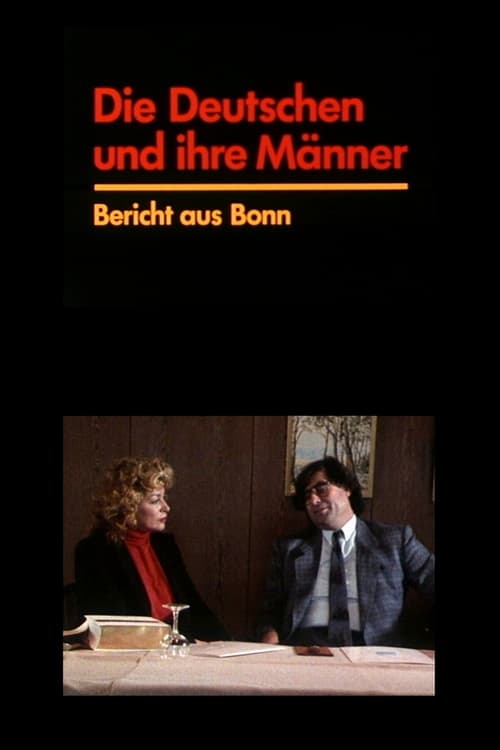
A documentary with fictious elements. Ms. Elisabeth (Lieschen) Müller from Austria comes to Bonn, Germany to find herself a man. During the search she investigates the connections between neckties, political power and prostitution, and tries to look for the influence the german feminist movement had on the men in Germany's capital.
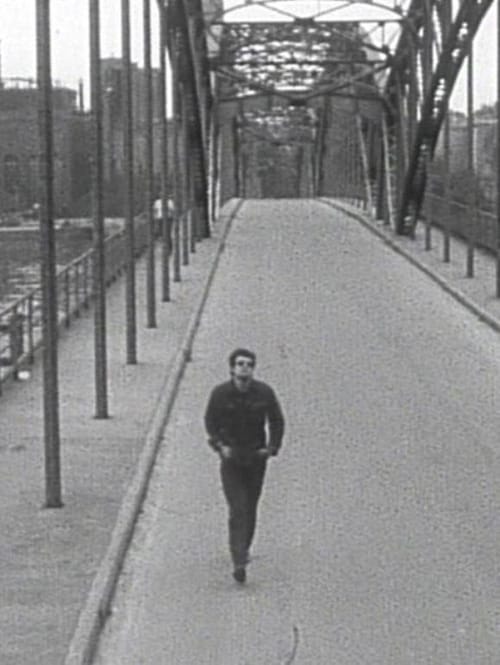
“Six young people move through a city in order to establish the starting point of their joint action. But they can’t agree on the topic. In the end everybody goes their own way and leaves the city.” - Hartmut Bitomsky
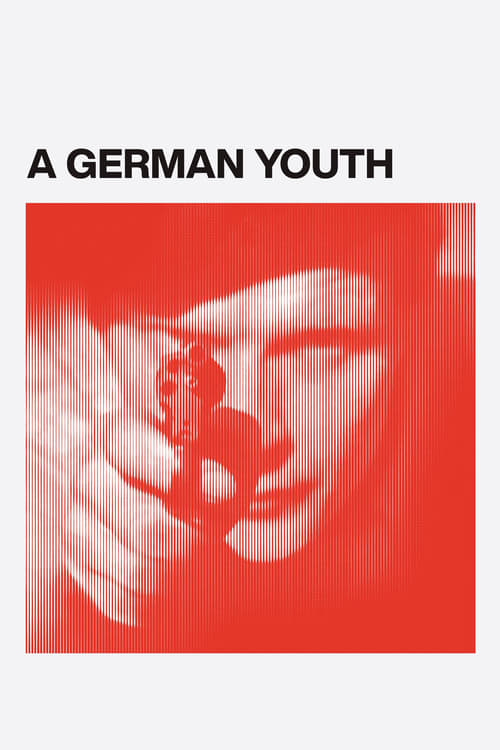
A young German soldier named Paul goes AWOL and returns to his childhood home in the countryside. Over a few summer days, Paul evades the responsibilities of everyday life and falls in love with his brother’s girlfriend, disrupting the lives of everyone in his circle.
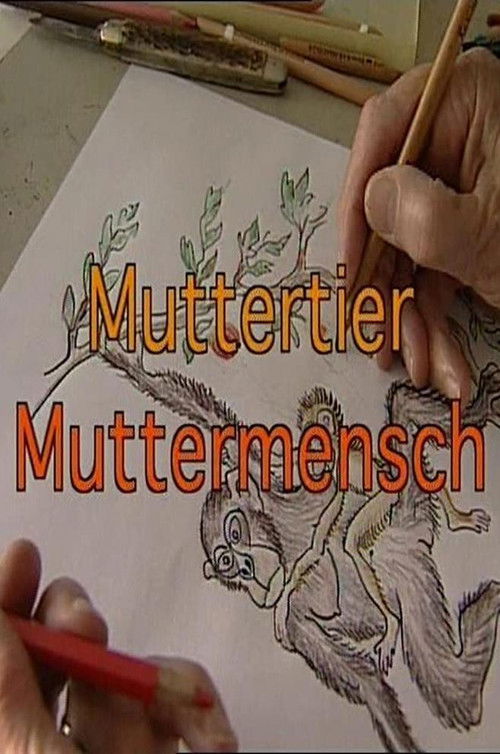
Lucy, who is already human-like, claims that the first humans were mothers: The mother built a nest to secure the child when it became too heavy to carry. This is how she invented the house. She penetrated the dense branches with her voice to maintain contact with the child. That's how she invented language. Today, Lucy shakes her head and asks: "How did you let yourself be dragged down like that?".
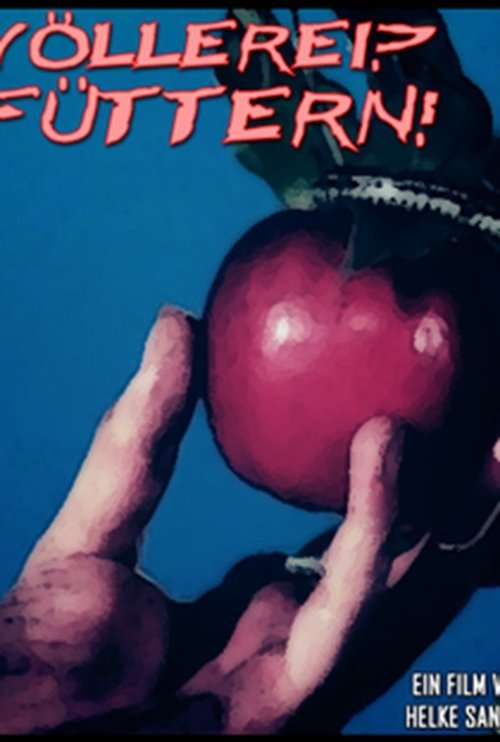
Part of the episodic film, Seven women, seven sins, this is a different take on the Adam and Eve story. Eve does eat the apple and her curiosity makes her human. Her generous gesture of offering people things turns into a compulsion to feed others.
At the end of the 1960s the post-war generation began to revolt against their parents. This was a generation disillusioned by anti-communist capitalism and a state apparatus in which they believed they saw fascist tendencies. This generation included journalist Ulrike Meinhof, lawyer Horst Mahler, filmmaker Holger Meins as well as students Gudrun Ensslin and Andreas Baader.
From the 1950s onwards, Erika and Ulrich Gregor brought countless film historical milestones to Berlin and shaped cinema discourse in post-war Germany. A look at the life and work of the couple without whom Arsenal and the Forum wouldn’t exist.
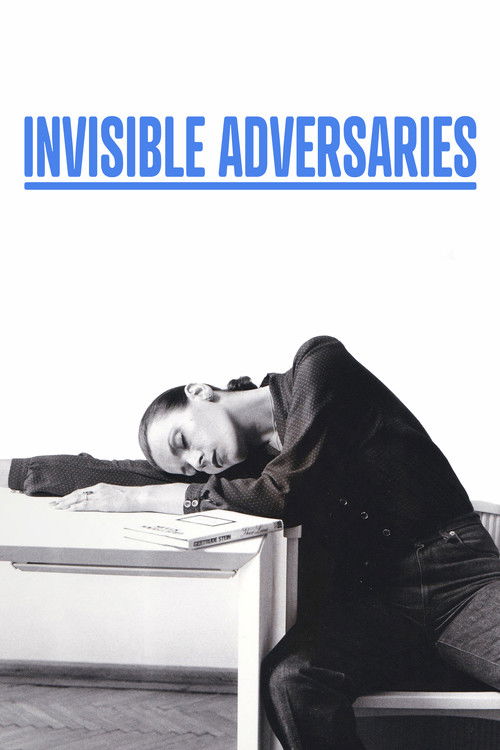
Set in contemporary Vienna, the film involves a photographer, Anna, who discovers that extraterrestrial beings are colonizing the minds of her fellow citizens by raising the human aggression quotient. The outer world immediately becomes disjointed, yet the inner world does too, as Anna and her lover, Peter, try to hang onto their deteriorating relationship.
A woman from a big city moves to a small village near the former border zone between East and West Germany. What is she looking for? What will she encounter? Rural life in the era of globalisation turns into an adventure. History lives in objects, stories and customs here since it was first recorded 800 years ago. Wars and famines have left their traces, just as churches, political parties and various forms of government. The change of the times, structured by television, has almost obscurely changed the old rhythms of life; supermarket offers changed eating habits and food stock economy. Is it folklore nostalgia or a matter of preserving one’s way and quality of life to keep the old customs and habits, such as preserving old types of plants and boiling down cucumbers? The village - a mutual exchange of experiences and garden products. The village is like an onion: it shows ever new surprising layers and leads us deep into unwritten pasts.
Berlin Underground-star Ulrike S. went to the Toronto-Filmfestival and then to New York - to find out something about the film business and also about her own desires, daydreams and nightmares.
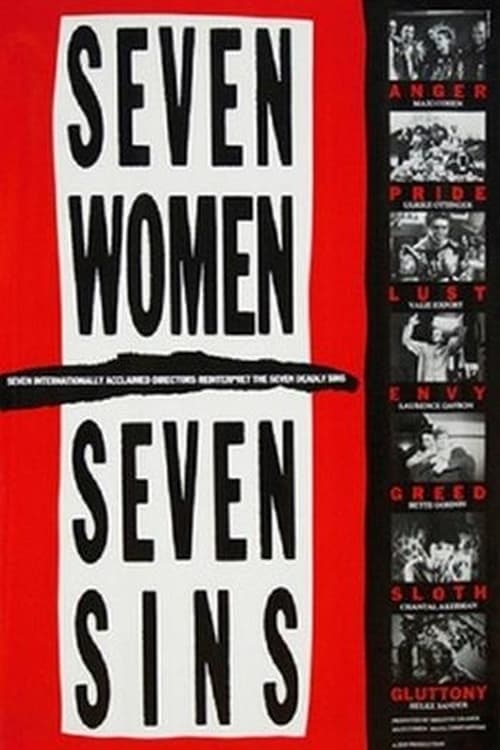
Seven Women, Seven Sins (1986) represents a quintessential moment in film history. The women filmmakers invited to direct for the seven sins were amongst the world's most renown: Helke Sander (Gluttony), Bette Gordon (Greed), Maxi Cohen (Anger), Chantal Akerman (Sloth), Valie Export (Lust), Laurence Gavron (Envy), and Ulrike Ottinger (Pride). Each filmmaker had the liberty of choosing a sin to interpret as they wished. The final film reflected this diversity, including traditional narrative fiction, experimental video, a musical, a radical documentary, and was delivered in multiple formats from 16, super 16, video and 35mm.
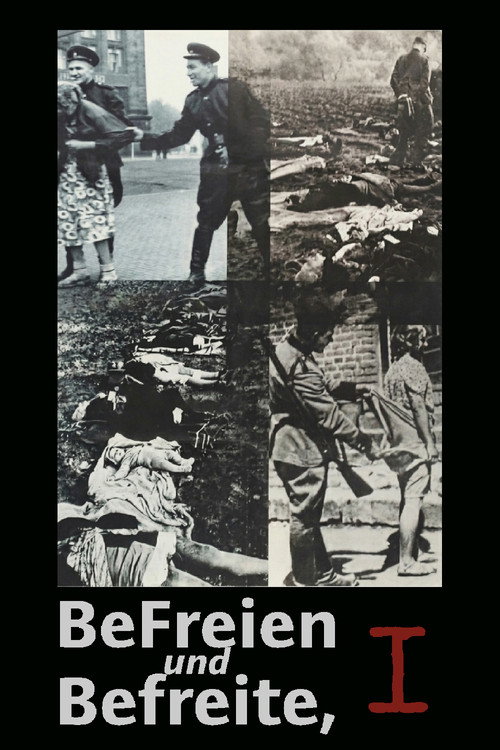
Based on years of research into the mass rapes committed by the Red Army at the end of the Second World War. In the first part of the documentary Helke Sander interviews multiple German women who were raped in Berlin by Soviet soldiers in May 1945. Most women never spoke of their experience to anyone, after 46 years of silence they talk for the first time publicly about their violent experiences that have left such a mark.
A look into the life of Holger Meins, the German cinematography student who became a revolutionary and a prominent voice in the Vietnam War protest movement. This film is comprised of interviews with his associates.
A documentary essay on the 1960s women's liberation movement in Germany and it's developments and conflicts through the following decades.
The weaker sex must become stronger - but how can this be achieved? The central keyword of the six filmmakers Claudia von Alemann, Susanne Beyeler, Erika Runge, Helke Sander, Ula Stöckl and Hanna Laura Klar is: emancipation. Together, they will discuss the importance of films for feminist consciousness-raising and the role of female filmmakers in this process. A statement will be followed by an exemplary feature film scene. Claudia von Alemann talks about the unequal division of housework and advocates the remuneration of this work. How can the relationship between work and family be improved for working women? What about bringing up children? What steps are necessary to overcome the unequal gender order? One thing is clear: Film work is political practice.
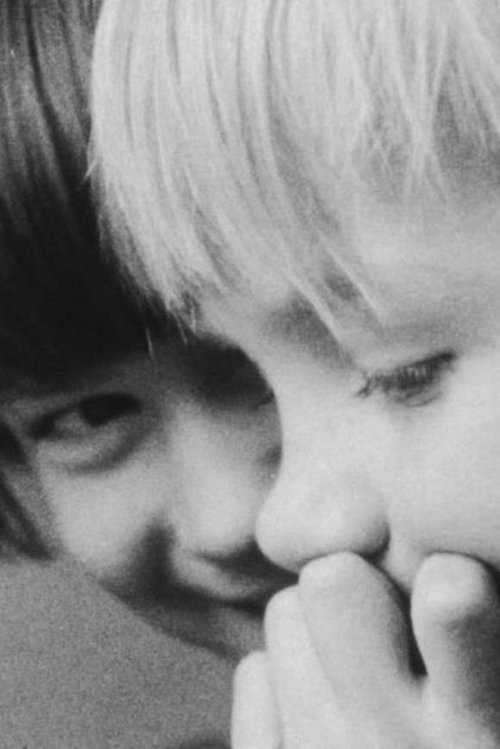
Documentary showing the daily routine of Sander’s seven year old son, Silvo.
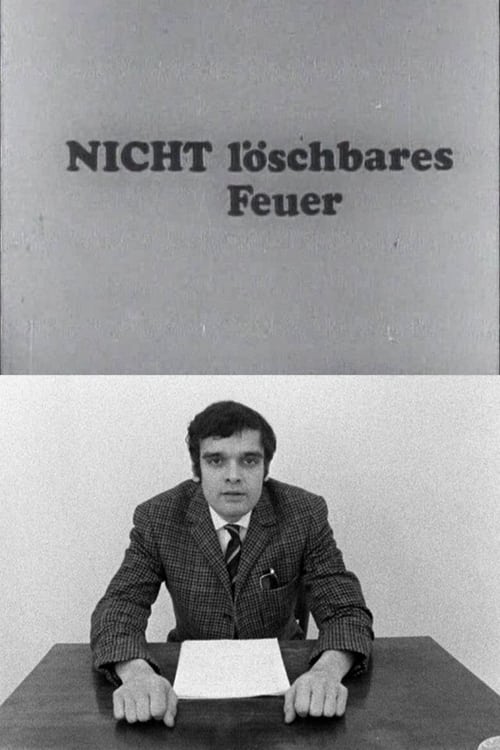
An austere treatise on the military-industrial complex that produces napalm.