Arthur Penn
Directing
Biography
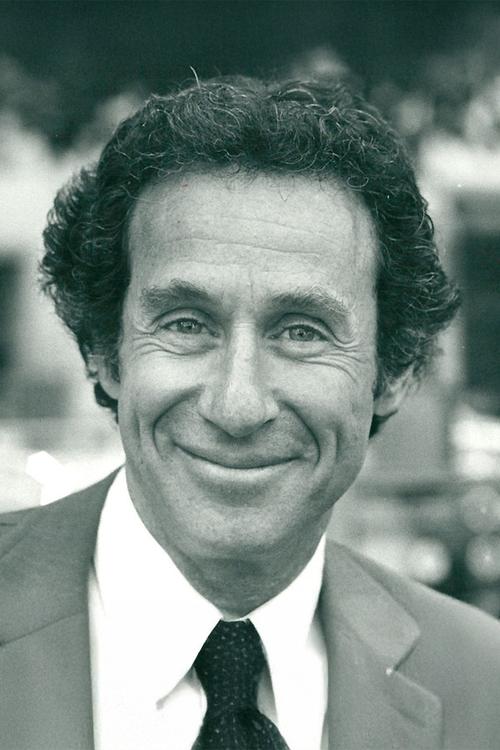
Arthur Hiller Penn (September 27, 1922 – September 28, 2010) was an American filmmaker, theatre director, and producer. He was a three-time Academy Award nominee for Best Director, and a Tony Award winner. Among other accolades, he was also nominated for a BAFTA Award, a Golden Globe and two Primetime Emmy Awards. Penn first achieved prominence as a theatre director, winning a Tony Award for Best Direction of a Play for The Miracle Worker. He received similar acclaim and his first Oscar nomination for directing the 1962 film adaptation. His 1967 film Bonnie and Clyde is credited with initiating the New Hollywood movement, by infusing the biographical crime drama with a counterculture sensibility. He achieved similar critical and commercial success directing the comedy Alice's Restaurant (1969) and the revisionist Western Little Big Man (1970), which further reflected that ethos. Penn’s other notable films included the neo-noir Night Moves (1975) and the revisionist Western The Missouri Breaks (1976). In the 1990s, he returned to stage and television direction and production, including an executive producer role for the police procedural series Law & Order. Description above from the Wikipedia article Arthur Penn, licensed under CC-BY-SA, full list of contributors on Wikipedia.
Known For

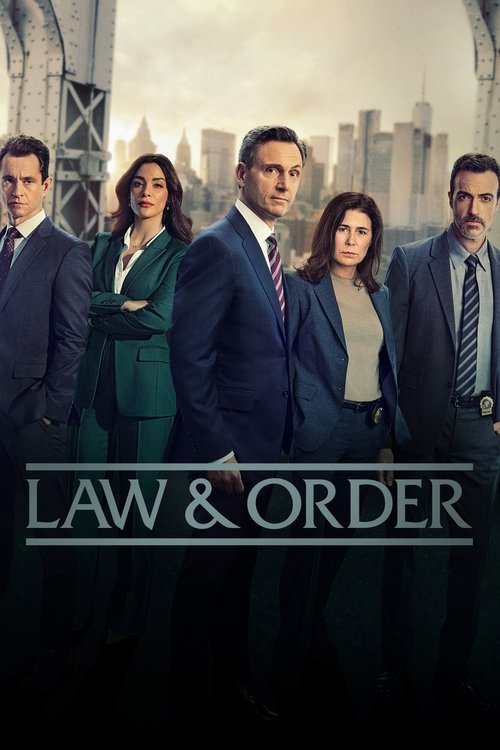
In cases ripped from the headlines, police investigate serious and often deadly crimes, weighing the evidence and questioning the suspects until someone is taken into custody. The district attorney's office then builds a case to convict the perpetrator by proving the person guilty beyond a reasonable doubt. Working together, these expert teams navigate all sides of the complex criminal justice system to make New York a safer place.
Law & Order

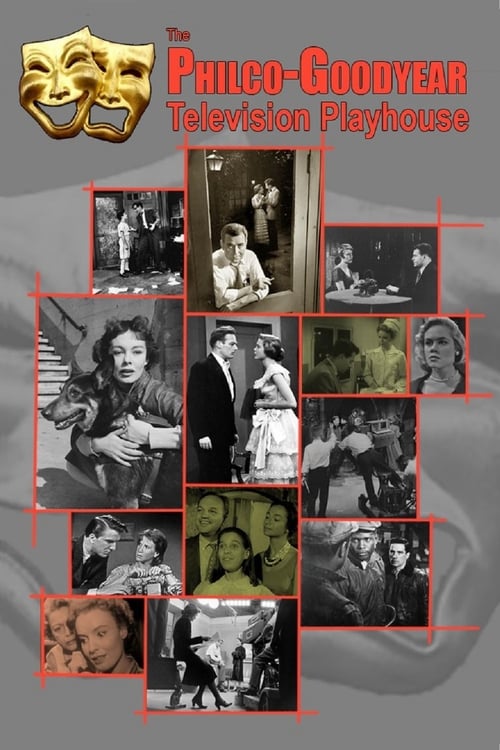
The Philco Television Playhouse is an American anthology series that was broadcast live on NBC from 1948 to 1955. Produced by Fred Coe, the series was sponsored by Philco. It was one of the most respected dramatic shows of the Golden Age of Television, winning a 1954 Peabody Award and receiving eight Emmy nominations between 1951 and 1956.
The Philco Television Playhouse

The Dick Cavett Show has been the title of several talk shows hosted by Dick Cavett on various television networks.
The Dick Cavett Show

American Masters is a PBS television series which produces biographies on enduring writers, musicians, visual and performing artists, dramatists, filmmakers, and others who have left an indelible impression on the cultural landscape of the United States.
American Masters

Marcello Mastroianni, Isabelle Adjani, Alain Delon, Martin Scorsese, Woody Allen... the biggest stars in cinema were welcomed by Christian Defaye on his show Spécial cinéma. Between intimate confessions from actors and immersion in the world of the greatest filmmakers, Christian Defaye took viewers on a journey into the fascinating world of cinema for nearly thirty years.
Spécial cinéma
Tonight Starring Jack Paar is an American talk show hosted by Jack Paar under The Tonight Show franchise from 1957 to 1962. It originally aired during late-night. During most of its run it was broadcast from Studio 6B inside the RCA Building. The same studio would also host early episodes of The Tonight Show Starring Johnny Carson, and Late Night with Jimmy Fallon. Its theme song was an instrumental version of "Everything's Coming Up Roses", and the closing theme was "So Until I See You" by Al Lerner.
Tonight Starring Jack Paar

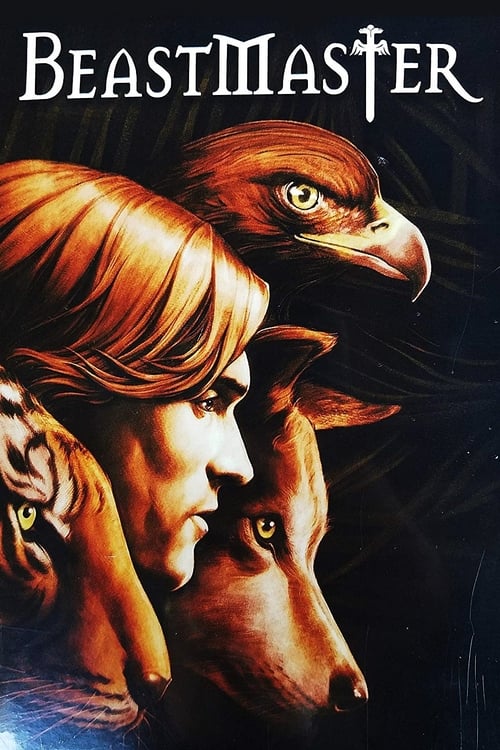
BeastMaster chronicles the adventures of Dar, the last surviving male of the storied Sula tribe, who is blessed with the ability to communicate telepathically with the animals of his ancient world. Also endowed with the strength, courage and fighting skills of a great warrior, he uses his gifts to defend all living creatures oppressed by the forces of evil.
BeastMaster

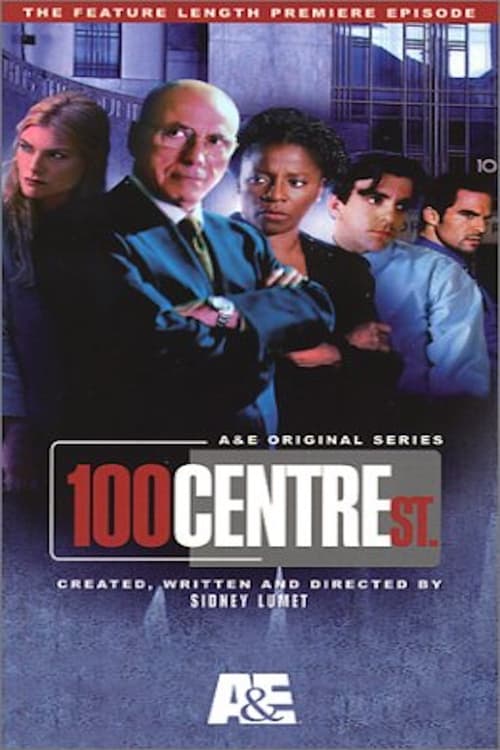
100 Centre Street is an American legal drama created by Sidney Lumet and starring Alan Arkin, Val Avery, Bobby Cannavale, Joel de la Fuente and Paula Devicq.
100 Centre Street

The Goodyear Television Playhouse is an American anthology series that was telecast live on NBC from 1951 to 1957 during the "Golden Age of Television". Sponsored by Goodyear, Goodyear alternated sponsorship with Philco, and the Philco Television Playhouse was seen on alternate weeks. In 1955, the title was shortened to The Goodyear Playhouse and it aired on alternate weeks with The Alcoa Hour. The three series were essentially the same, with the only real difference being the name of the sponsor. Producer Fred Coe nurtured and encouraged a group of young, mostly unknown writers that included Robert Alan Aurthur, George Baxt, Paddy Chayefsky, Horton Foote, Howard Richardson, Tad Mosel and Gore Vidal. Notable productions included Chayefsky's Marty starring Rod Steiger, Chayefsky's The Bachelor Party, Vidal's Visit to a Small Planet, Richardson's Ark of Safety and Foote's The Trip to Bountiful. From 1957 to 1960, it became a taped, half-hour series titled Goodyear Theater, seen on Mondays at 9:30pm.
Goodyear Television Playhouse
Producers' Showcase is an American anthology television series that was telecast live during the 1950s in compatible color by NBC. With top talent, the 90-minute episodes, covering a wide variety of genres, aired under the title every fourth Monday at 8 p.m. ET for three seasons, beginning October 18, 1954. The final episode, the last of 37, was broadcast May 27, 1957. Showcase Productions, Inc., packaged and produced the series, which received seven Emmy Awards, including the 1956 award for Best Dramatic Series.
Producers' Showcase
No description available.
Playwrights '56

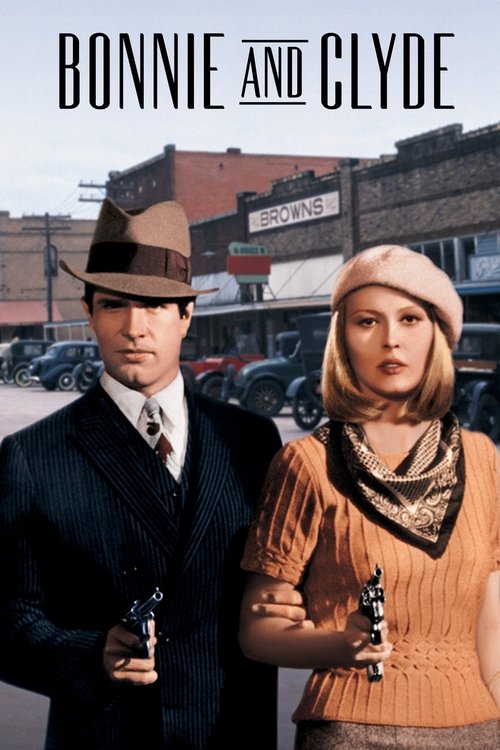
In the 1930s, bored European-American waitress Bonnie Parker falls in love with a European-American ex-con named Clyde Barrow and together they start a violent crime spree through the country, stealing cars and robbing banks.
Bonnie and Clyde

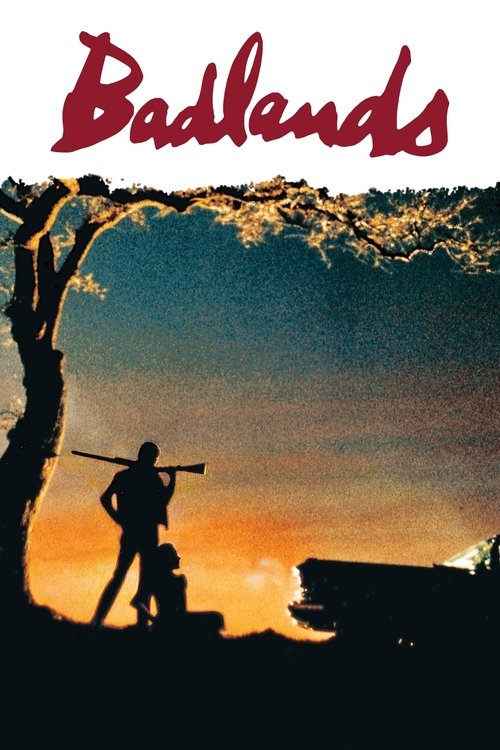
An impressionable teenage girl from a dead-end town and her older greaser boyfriend embark on a killing spree in the South Dakota badlands.
Badlands

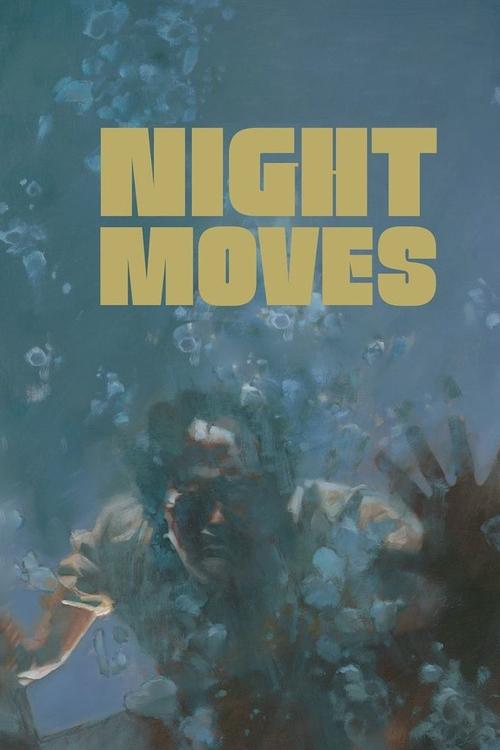
Private detective and former football player Harry Moseby gets hired on to what seems a standard missing person case - a former Hollywood actress wants Moseby to find and return her daughter. Harry travels to Florida to find her, but he begins to see a connection between the runaway girl, the world of Hollywood stuntmen, and a suspicious mechanic when an unsolved murder comes to light.
Night Moves

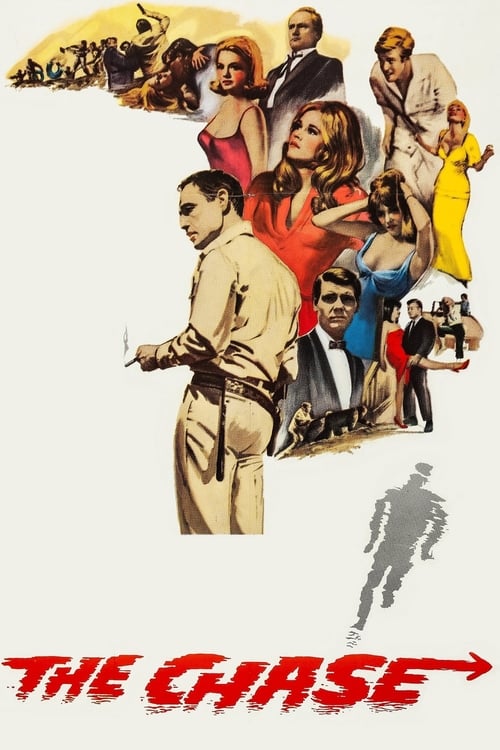
The escape of Bubber Reeves from prison affects the inhabitants of a small Southern town.
The Chase

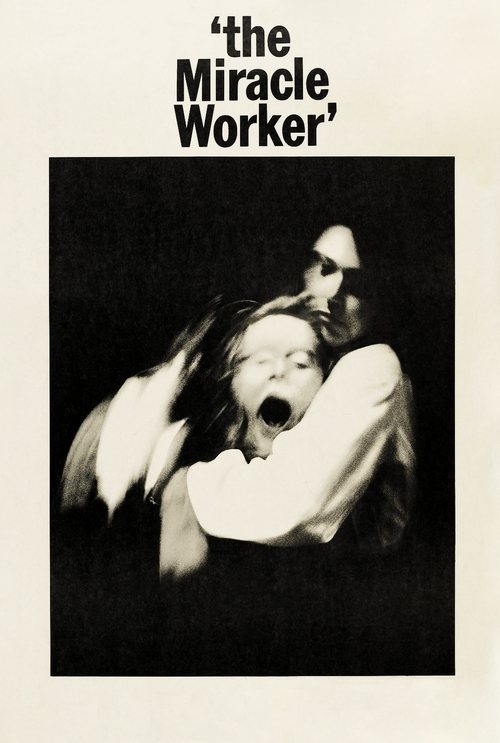
The true story of the frightening, lonely world of silence and darkness of 7-year-old Helen Keller who, since infancy, has never seen the sky, heard her mother's voice or expressed her innermost feelings. Then Annie Sullivan, a 20-year-old teacher from Boston, arrives. Having just recently regained her own sight, the no-nonsense Annie reaches out to Helen through the power of touch, the only tool they have in common, and leads her bold pupil on a miraculous journey from fear and isolation to happiness and light.
The Miracle Worker

The chronicle of the mind-blowing journey that was Hollywood during the seventies; the true and gripping story of the last golden age of American cinema, an exalted celebration of creativity and experimentation; but also of sex, drugs and rock 'n' roll: a turbulent and dark tale of ambition, envy, betrayal, hatred and self-destruction.
Easy Riders, Raging Bulls: How the Sex 'n' Drugs 'n' Rock 'n' Roll Generation Saved Hollywood

James Lipton sits down with some of the world's most accomplished actors and directors for penetrating, fascinating interviews.
Inside the Actors Studio

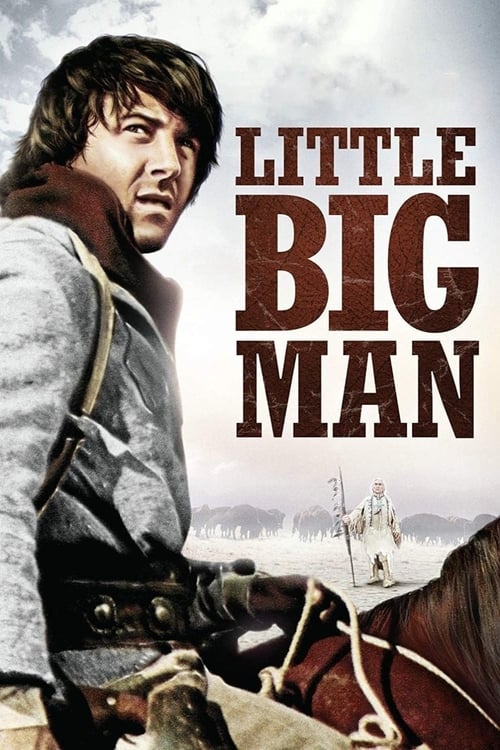
Jack Crabb, looking back from extreme old age, tells of his life being raised by Indians and fighting with General Custer.
Little Big Man

When vigilante land baron David Braxton hangs one of the best friends of cattle rustler Tom Logan, Logan's gang decides to get even by purchasing a small farm next to Braxton's ranch. From there the rustlers begin stealing horses, using the farm as a front for their operation. Determined to stop the thefts at any cost, Braxton retains the services of eccentric sharpshooter Robert E. Lee Clayton, who begins ruthlessly taking down Logan's gang.