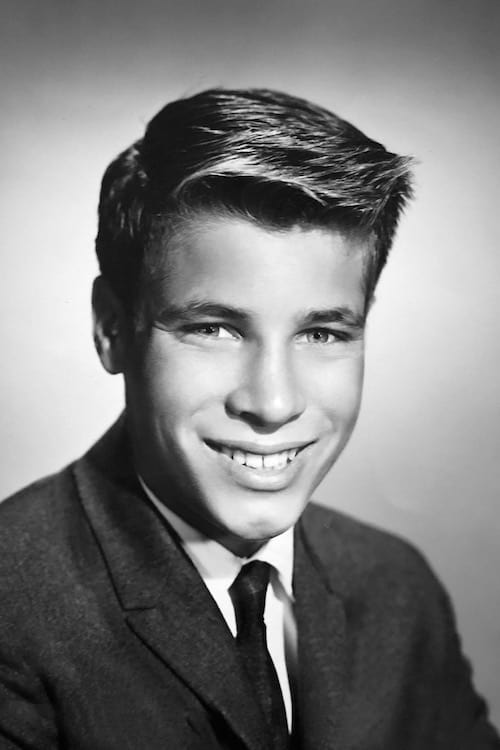
Don Grady
Acting
Known For
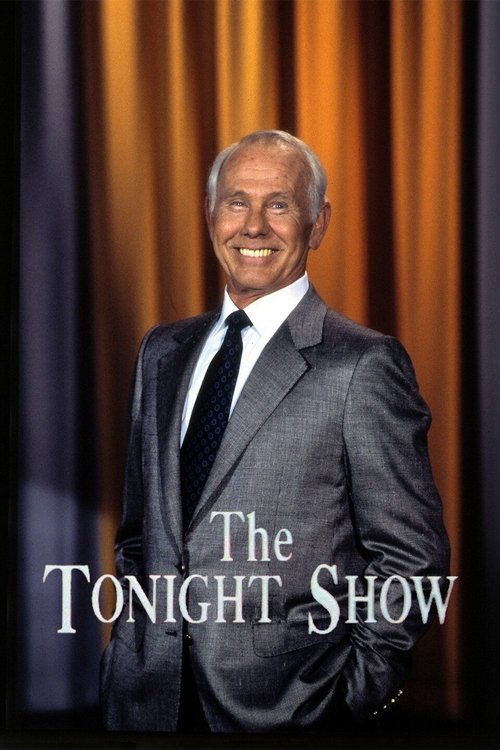
The Tonight Show Starring Johnny Carson is a talk show hosted by Johnny Carson under The Tonight Show franchise from 1962 to 1992. It originally aired during late-night. For its first ten years, Carson's Tonight Show was based in New York City with occasional trips to Burbank, California; in May 1972, the show moved permanently to Burbank, California. In 2002, The Tonight Show Starring Johnny Carson was ranked #12 on TV Guide's 50 Greatest TV Shows of All Time.
The Tonight Show Starring Johnny Carson
An anthology comedy series featuring a line up of different celebrity guest stars appearing in anywhere from one, two, three, and four short stories or vignettes within an hour about versions of love and romance.
Love, American Style
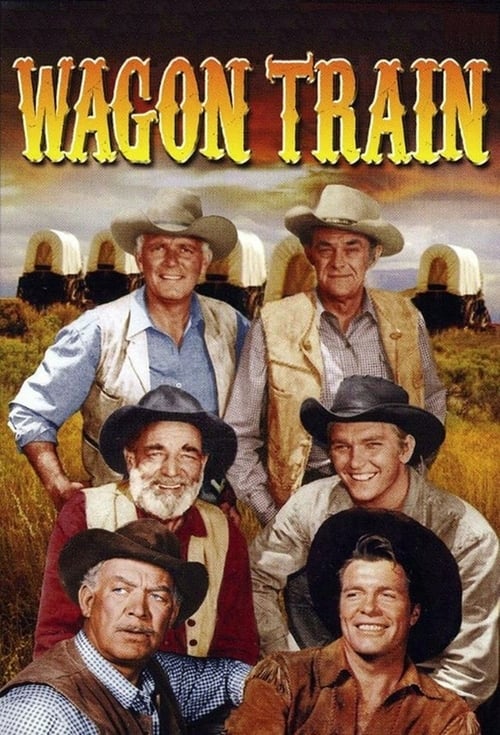
The series initially starred veteran movie supporting actor Ward Bond as the wagon master, later replaced upon his death by John McIntire, and Robert Horton as the scout, subsequently replaced by lookalike Robert Fuller a year after Horton had decided to leave the series. The series was inspired by the 1950 film Wagon Master directed by John Ford and starring Ben Johnson, Harry Carey Jr. and Ward Bond, and harkens back to the early widescreen wagon train epic The Big Trail starring John Wayne and featuring Bond in his first major screen appearance playing a supporting role. Horton's buckskin outfit as the scout in the first season of the television series resembles Wayne's, who also played the wagon train's scout in the earlier film.
Wagon Train
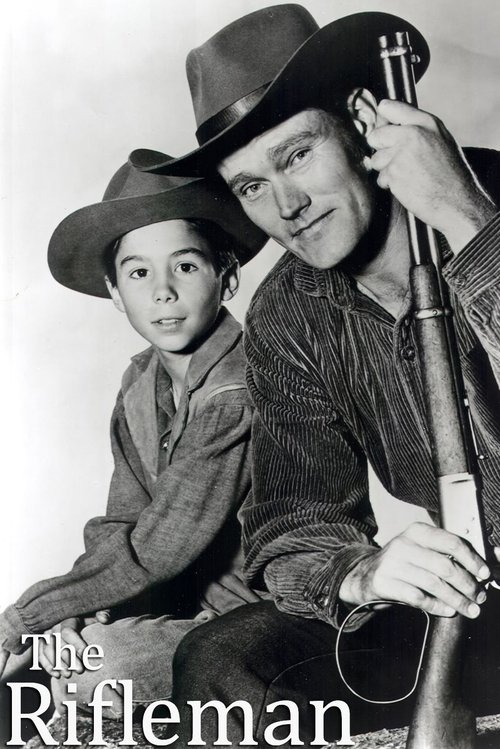
The Rifleman is an American Western television program starring Chuck Connors as rancher Lucas McCain and Johnny Crawford as his son, Mark McCain. It was set in the 1880s in the town of North Fork, New Mexico Territory. The show was filmed in black-and-white, half-hour episodes. "The Rifleman" aired on ABC from September 30, 1958 to April 8, 1963 as a production of Four Star Television. It was one of the first prime time series to have a widowed parent raise a child.
The Rifleman
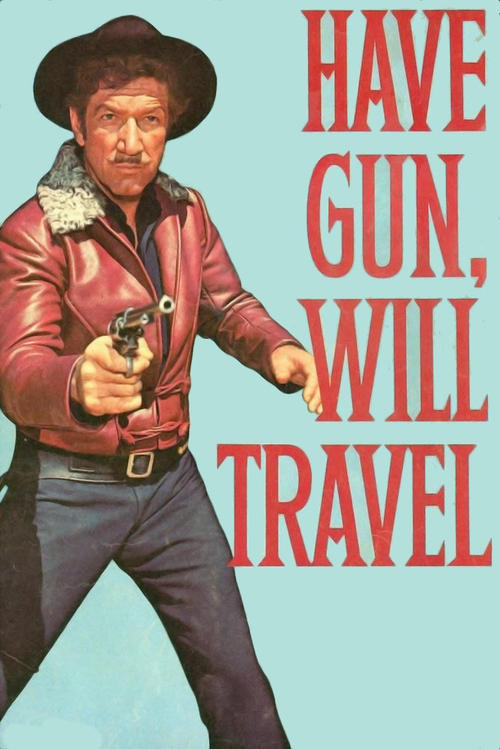
Have Gun – Will Travel is an American Western television series that aired on CBS from 1957 through 1963. It was rated number three or number four in the Nielsen ratings every year of its first four seasons. It was one of the few television shows to spawn a successful radio version. The radio series debuted November 23, 1958. The television show is presently shown on the Encore-Western channel. Have Gun – Will Travel was created by Sam Rolfe and Herb Meadow and produced by Frank Pierson, Don Ingalls, Robert Sparks, and Julian Claman. There were 225 episodes of the TV series, 24 written by Gene Roddenberry. Other contributors included Bruce Geller, Harry Julian Fink, Don Brinkley and Irving Wallace. Andrew McLaglen directed 101 episodes and 19 were directed by series star Richard Boone.
Have Gun, Will Travel
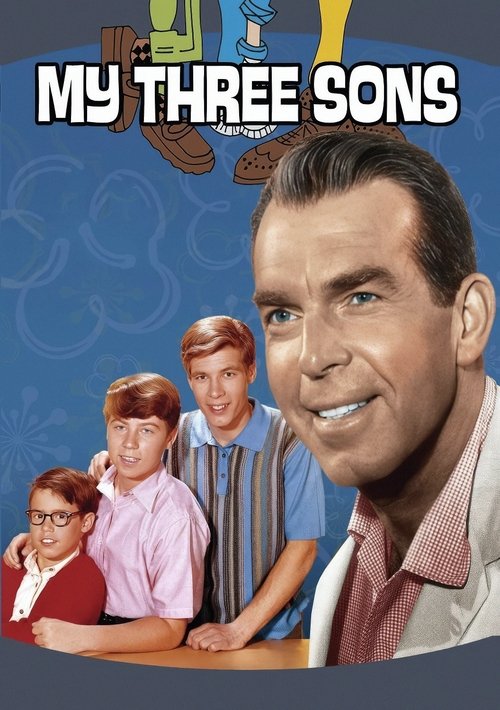
A widower and aeronautical engineer named Steven Douglas raises three sons with the help of his father-in-law, and later the boys' great-uncle. An adopted son, a stepdaughter, wives, and another generation of sons join the loving family in later seasons.
My Three Sons
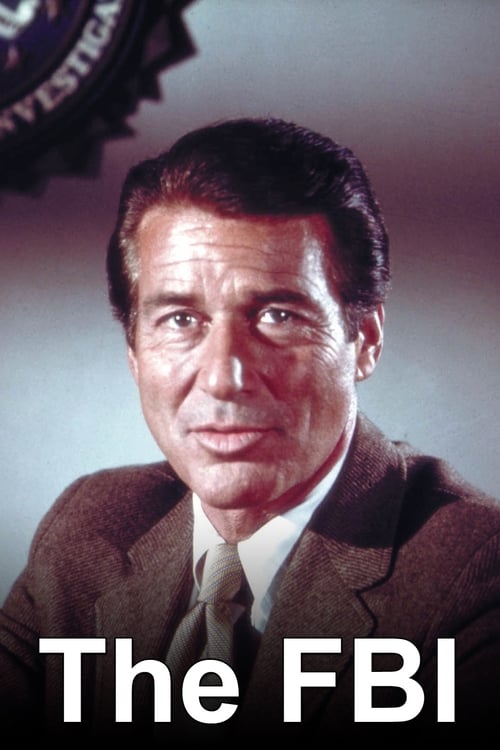
The F.B.I. is an American television series that was broadcast on ABC from 1965 to 1974. It was sponsored by the Ford Motor Company, and the characters almost always drove Ford vehicles in the series. Alcoa was co-sponsor of Season One only.
The F.B.I.
No description available.
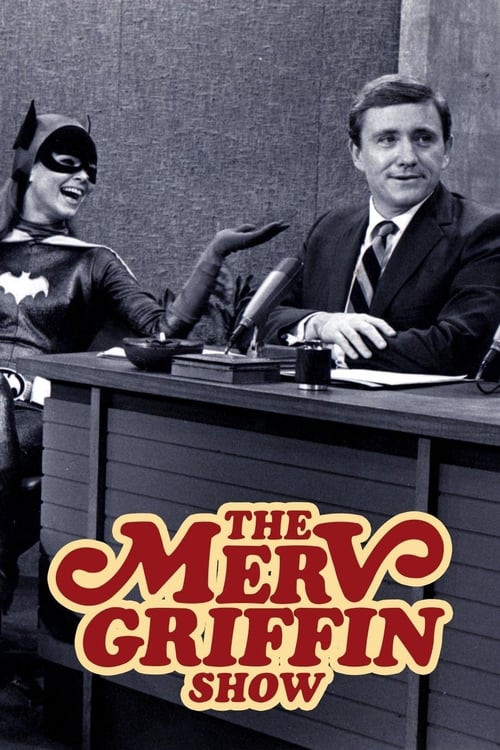
The Merv Griffin Show
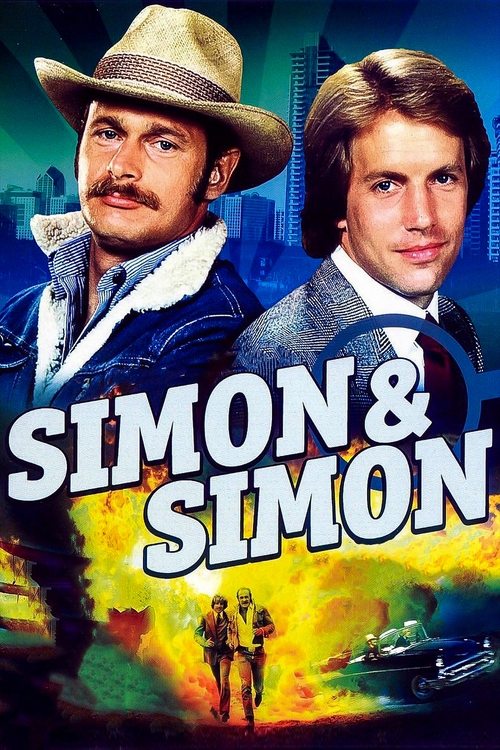
A.J. Simon is a polished fellow with a taste for classic cars and tailored suits. Rick Simon is his less refined (but still pleasant) older brother who has a taste for cowboy boots and four-wheel drive pickups. The two of them live in San Diego, where they own a private detective agency.
Simon & Simon
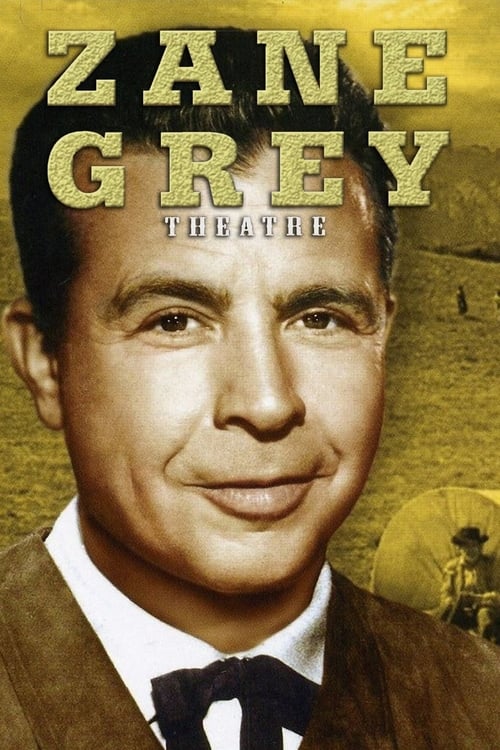
Dick Powell's Zane Grey Theatre, sometimes simply called Zane Grey Theatre, is an American Western anthology series which ran on CBS from 1956 to 1961.
Dick Powell's Zane Grey Theatre
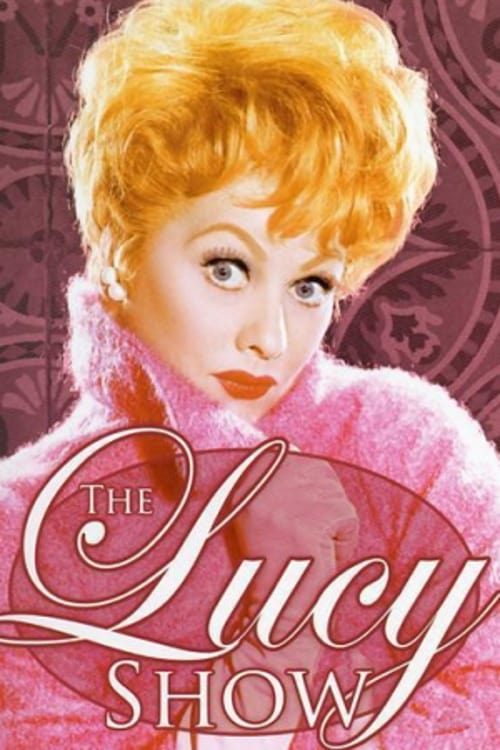
The Lucy Show is an American sitcom that aired on CBS from 1962–68. It was Lucille Ball's follow-up to I Love Lucy. A significant change in cast and premise for the 1965–66 season divides the program into two distinct eras; aside from Ball, only Gale Gordon, who joined the program for its second season, remained. For the first three seasons, Vivian Vance was the co-star. The earliest scripts were entitled The Lucille Ball Show, but when this title was declined, producers thought of calling the show This Is Lucy or The New Adventures of Lucy, before deciding on the title The Lucy Show. Ball won consecutive Emmy Awards as Outstanding Lead Actress in a Comedy Series for the series' final two seasons, 1966–67 and 1967–68.
The Lucy Show
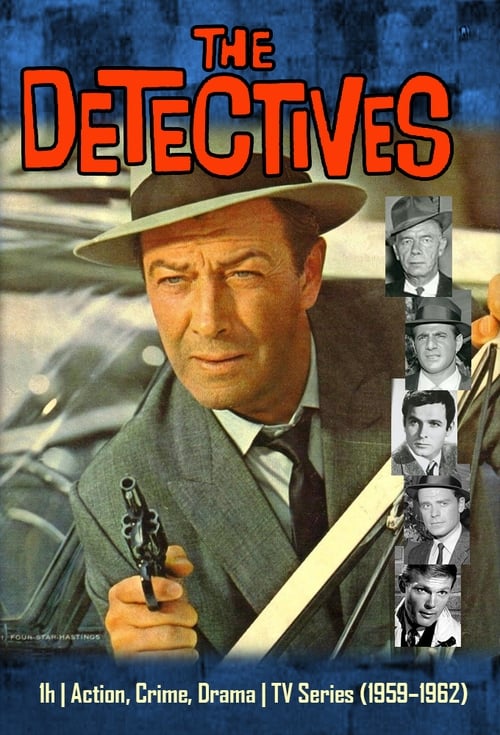
The Detectives is an American crime drama series which ran on ABC during its first two seasons, and on NBC during its third and final season. The series, starring motion picture star Robert Taylor, was produced by Four Star Television. Captain Matt Holbrook (Robert Taylor) is head of the detective division of a large metropolitan police force—a man whose devotion to duty, professional brilliance, and quick judgment are reflected in his 20-year career on the force. His aides, Lt. Johnny Russo (Tige Andrews), Lt. Otto Lindstrom (Russ Thorson), and Sgt. Chris Ballard (Mark Goddard) form a team that is both proficient and warmly human. The stories stress the interrelationships between the men as well as the solutions to crimes and the apprehension of criminals, adding a dimension of human drama to the excitement, action, and suspense inherent in each story of the detectives' difficult, sometimes thankless, and frequently dangerous assignments.
The Detectives
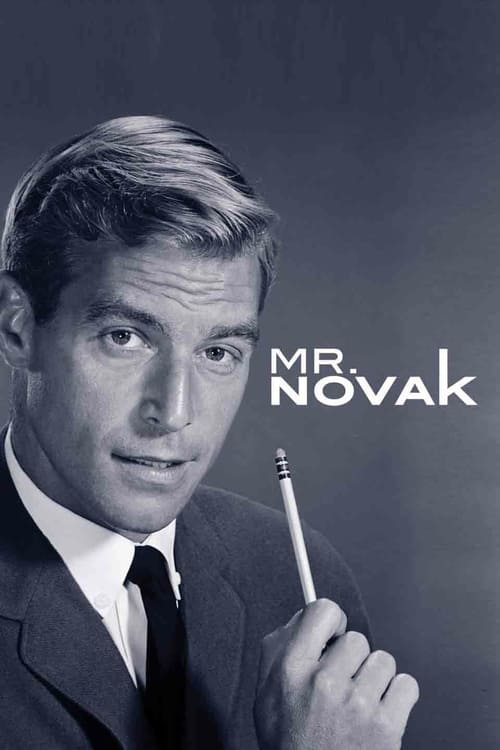
Mr. Novak is an American dramatic series starring James Franciscus in the title role, which aired on NBC for two seasons, from 1963 to 1965.
Mr. Novak
Startime, an anthology of drama, comedy and variety, was one of the first American television shows broadcast in color.
Startime
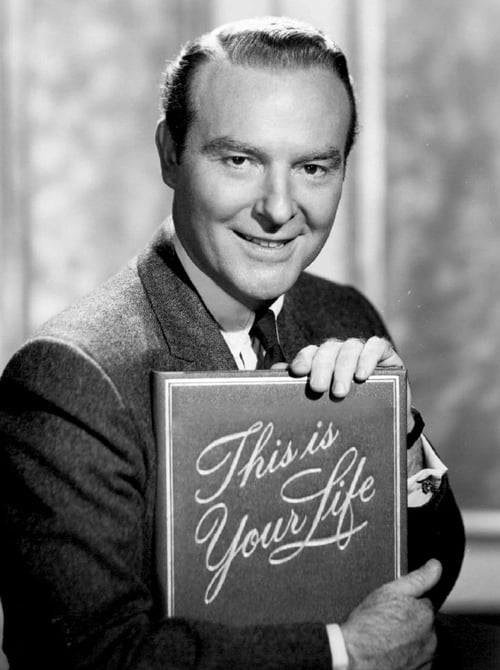
This Is Your Life is an American television documentary series broadcast on NBC, originally hosted by its producer, Ralph Edwards from 1952 to 1961. In the show, the host surprises a guest, and proceeds to take them through their life in front of an audience, including special guest appearances by colleagues, friends and family. Edwards revived the show in 1971-72, while Joseph Campanella hosted a version in 1983. Edwards returned for some specials in the late 1980s, before his death in 2005. The show originated as a radio show on NBC Radio airing from 1948 to 1952.
This Is Your Life
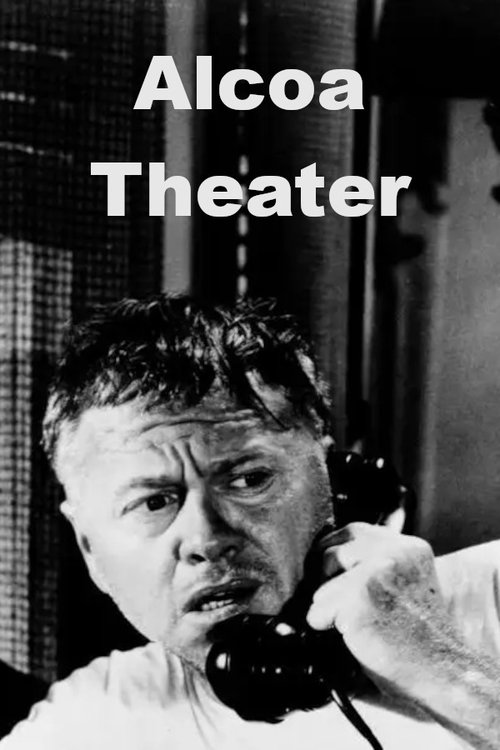
Alcoa Theatre is a half-hour American anthology series telecast on NBC at 9:30 pm on alternate Monday nights from October 7, 1957 to September 16, 1960. The program also aired under the title Turn of Fate, with the stories depicting the difficulties faced by individuals who are suddenly thrust into unexpected and perilous dangers. Alcoa Theatre was syndicated together with Goodyear Theatre as Award Theatre. In 1955, The Alcoa Hour premiered in a one-hour format aired on Sunday nights, but it was reduced to 30 minutes, retitled Alcoa Theatre, and moved to Monday evening in 1957. The show employed an alternating rotating company of actors: David Niven, Robert Ryan, Jane Powell, Jack Lemmon and Charles Boyer. Each appeared in dramatic and light comedic roles through the first season.
Alcoa Theatre
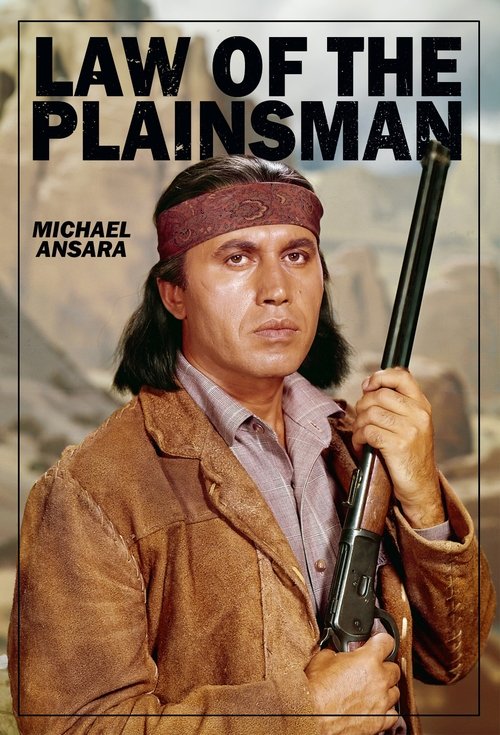
Law of the Plainsman is a Western television series starring Michael Ansara that aired on the NBC television network from October 1, 1959, until May 5, 1960. The character of Native American U.S. Marshal Sam Buckhart was introduced in two episodes of the popular ABC Western television series The Rifleman starring Chuck Connors as Lucas McCain. Law of the Plainsman is distinctive and unique in that it was one of the few television programs that featured a Native American as the lead character, a bold move for U.S.network television at that time. Ansara had earlier appeared in the series Broken Arrow, having portrayed the Apache chief, Cochise. Ansara, however, was not Native American but of Syrian descent. Ansara played Sam Buckhart, an Apache Indian who saved the life of a U.S. Cavalry officer after an Indian ambush. When the officer died, he left Sam money that was used for an education at private schools and Harvard University. After school, he returned to New Mexico where he became a Deputy Marshal working for Marshal Andy Morrison. He lived in a boarding house run by Martha Commager. The only other continuing character was 8-year old Tess Logan, an orphan who had been rescued by Buckhart. Robert Harland, later of Target: The Corruptors! starred in seven episodes as Deputy Billy Lordan. Wayne Rogers, who went on to star in another Four Star western, Stagecoach West, and later, M*A*S*H, also played deputy Lordan in several episodes.
Law of the Plainsman
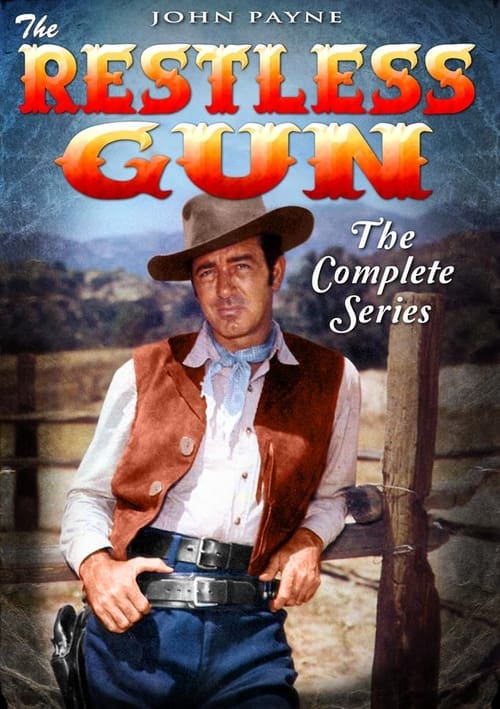
The Restless Gun is an American western television series that appeared on NBC between 1957 and 1959, with John Payne in the role of Vint Bonner, a wandering cowboy in the era after the American Civil War. A skilled gunfighter, Bonner is an idealistic person who prefers peaceful resolutions of conflict wherever possible. He is gregarious, intelligent, and public-spirited. The half-hour black-and-white program aired seventy-eight episodes. Jeanne Bates appeared in varying roles with Payne in five episodes of The Restless Gun. The Restless Gun theme song begins: "I ride with the wind, my eyes on the sun, and my hand on my restless gun..." The song composer is probably Paul Dunlap, credited as the primary series composer, but could have been contributed to by either of the two other series composers, Dave Kahn and Stanley Wilson, also. Two versions are currently posted on YouTube, but neither posting lists any composer or performance credits.
The Restless Gun
No description available.
MMC
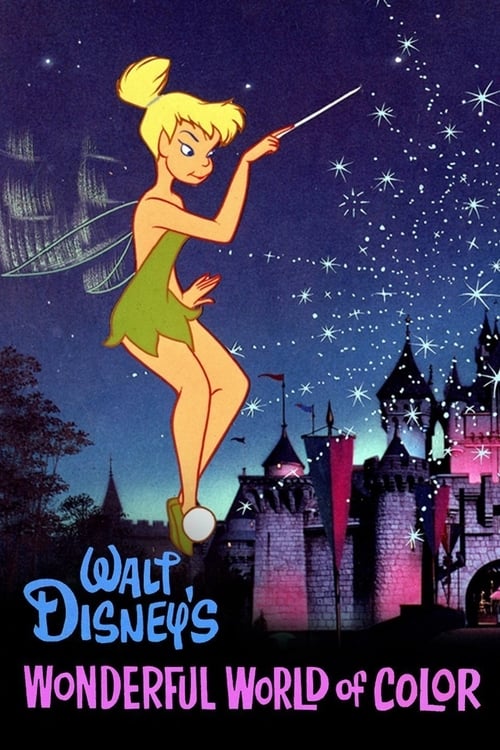
Walt Disney Productions has produced an anthology television series under several different titles since 1954. The original version of the series premiered on ABC, Wednesday night, October 27, 1954. The show, which was hosted by Walt Disney until his death and then from 1996 to 2002 by then-CEO Michael Eisner (with one-off hosts or no hosts during other periods) has since aired continually as either a weekly program or an irregular series of specials on several networks and streaming services, most recently on ABC and Disney+. The show is the second longest showing prime-time program on American television, behind its rival, Hallmark Hall of Fame. However, Hallmark Hall of Fame was a weekly program only during its first five seasons, while Disney remained a weekly program for more than forty years.