Writing
Story Parade specialized in adaptations of modern novels. It was broadcast on June 5, 1964 and repeated on August 28, 1964. The teleplay was by Terry Nation (who invented "Blake's 7" and the Daleks in Dr. Who), and Elijah Baley was played by the late Peter Cushing. It also starred John Carson John Carson as R. Daneel Olivaw and Kenneth J. Warren. The master tapes of the program were erased, however a few clips from the production have turned up in various documentaries about Isaac Asimov's work.
Adapted from the Max Frisch novel "Der Mensch erscheint im Holozän". It tells the story of an old man, isolated from the outside world in a little mountain village in Ticino, Switzerland, who fights against oblivion. From books that he has there he cuts out texts and images about geology and geological history to fix and arrange them on the walls of his cottage. Frisch adds these articles to his novel to assemble human history with individual decay.
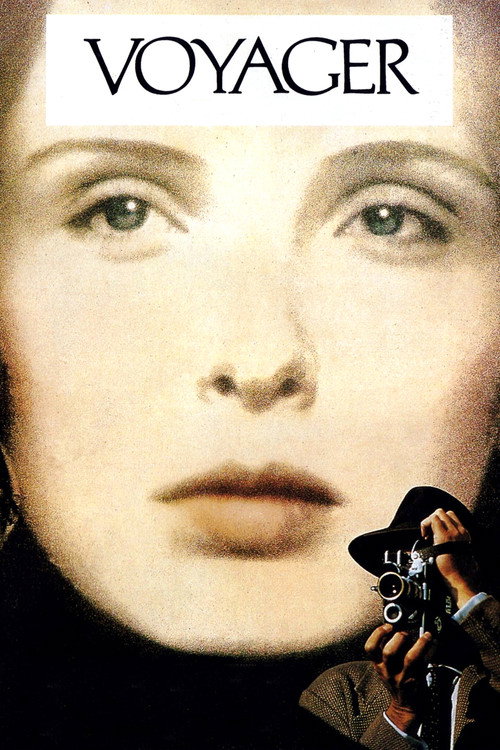
A man turning 50 (Walter Faber) narrates his liaisons with three women: Hanna, who was pregnant and left him many years ago in Zurich; Ivy, who broke up with him recently in New York; Sabeth who is 20 and whom he just met on a boat to Europe. Sabeth and the narrator travel to France, Italy and Greece. But who is Sabeth? What does she feel towards the narrator? What does he feel towards her? The entire movie is shot in subjective view (we only see what the narrator sees); there are no dialogues, just his post-synchronised voice.
Sandra Hüller portrays Ingeborg Bachmann on an imaginary day in Rome. Regina Schilling’s hybrid film weaves together reenactments, archival footage, and Bachmann’s own writings into a portrait that offers a refreshing new perspective on the author and positions her writings as a reference point in current debates on gender relations and power.
No description available.
April 1957: Rational engineer Faber's plane crashes in Mexico, where he learns that he became a father in 1938. He takes a ship from NYC to France and meets cute, young Sabeth. Is it fate?
James Larkin White is arrested on his arrival at the Swiss border. He is accused of being the missing Swiss sculptor Anatol Stiller. The missing man, with whom he is mistaken, is accused of being involved in the “Smyrnov affair”.
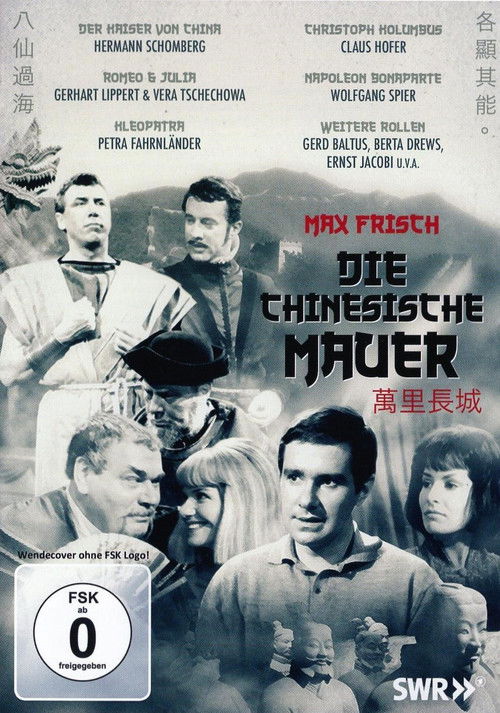
A gigantic masked ball is held at the court of the Chinese emperor Hwang Ti. The builder of the wall surrounding the vast land The builder of the enormous wall surrounding the vast country celebrates his victory over his last enemies and does not shy away from inviting dictators, generals, and famous historical figures from all eras. Napoleon Bonaparte is among the guests, as are Pontius Pilate and Christopher Columbus. Among the revelers, however, is an intellectual from the 20th century who knows the history of the last 2000 years perfectly and points out to the powerful their mistakes and their senseless wars. Those present listen to the man, but do not understand the meaning of his words.
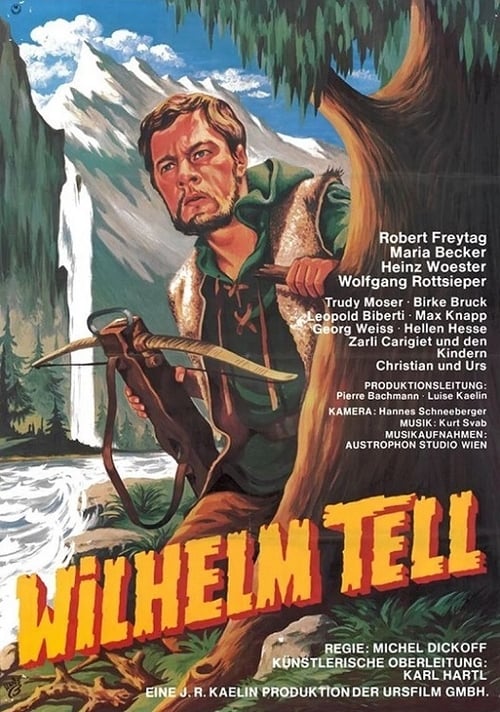
Gessler, the Rütli Oath, the apple shot, the Hollow Lane: the deeds of Swiss national hero William Tell in his fight against tyranny and violence in 1291. Based on Friedrich Schiller's drama and Aegidius Tschudi's chronicle.
Philippe Pilliod interviews Max Frisch in 1985/86.
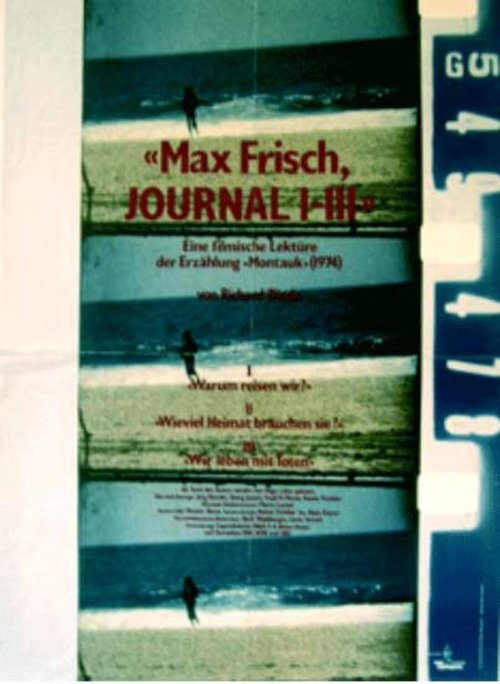
A “filmic re-reading” of Max Frisch's novella Montauk (1974) and of excerpts from his published diaries. It is neither a biographical portrait of Frisch – who was one of the greatest 20th century Swiss writers – nor a filmed adaptation of the novel. Instead, Dindo returns to the locations the author describes in his texts, searching for traces of past events that may turn out to have been more imagined than real.