Writing
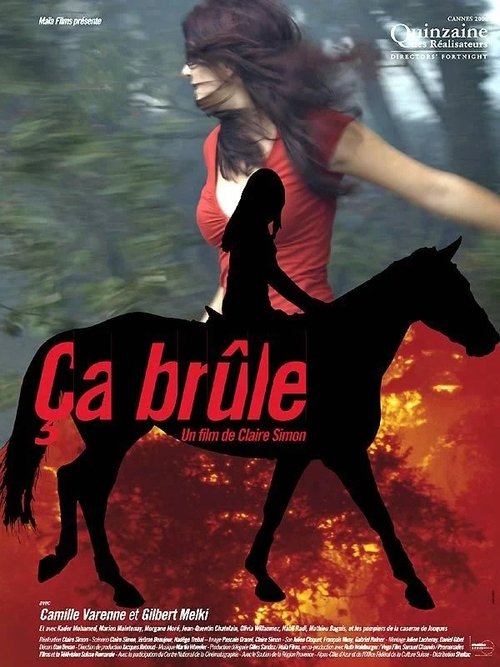
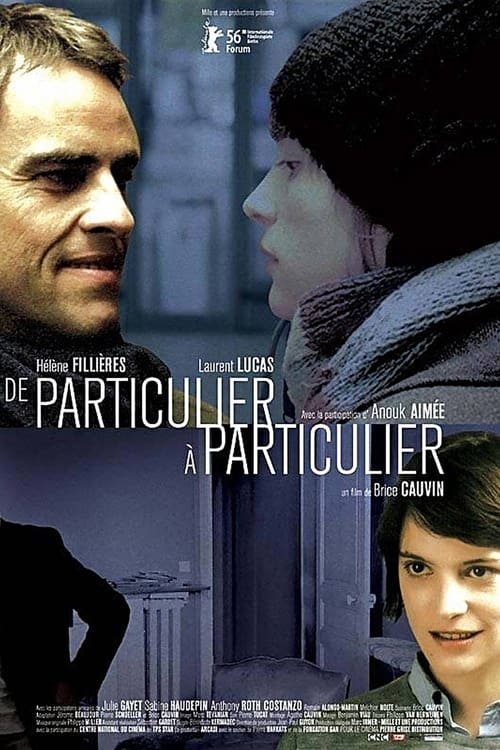
After falling off her horse, a teenage girl is rescued by a manly, older fireman with whom she falls in love with tragic consequences.
Désiré Landru - husband, lover - and murderer. Based on documented facts, this is the full story of one of the most ambiguous criminals and lovers of the 20th century, the first modern serial killer.
Year 1763. Forced into exile, the famous libertine Giacomo Casanova leaves Paris and travels to London, where he meets Marianne de Charpillon, a young prostitute to whom he is so attracted that he forgets about the other women.
One day, on a whim, Marc decides to shave off the moustache he's worn all of his adult life. He waits patiently for his wife's reaction, but neither she nor his friends seem to notice. Stranger still, when he finally tells them, they all insist he never had a moustache. Is Marc going mad? Is he the victim of some elaborate conspiracy? Or has something in the world's order gone terribly awry?
A young Parisian must make major decisions about pregnancy, a job, and her boyfriend.
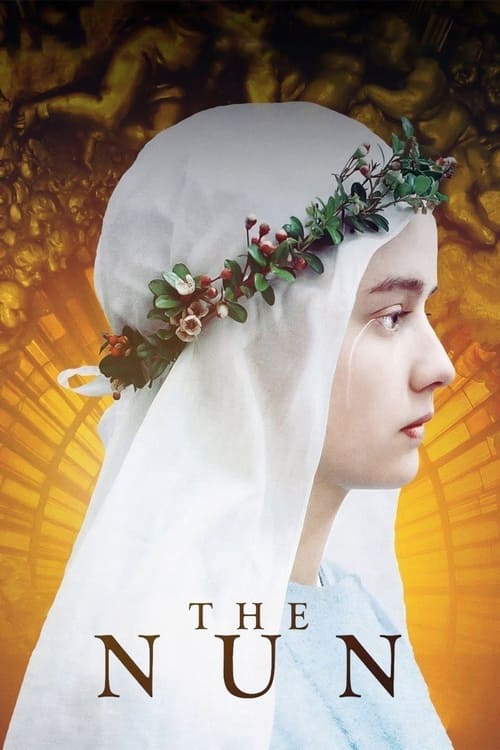
Suzanne Simonin describes her life of suffering in letters. As a young woman she is sent to a convent against her will. Since her parents cannot afford the dowry required for a marriage befitting her rank they decide she must instead become a nun. Although a kind and understanding Mother Superior helps her to learn the convent’s daily routine, Suzanne’s desire for freedom remains unabated. When the Mother Superior dies, Suzanne finds herself faced with reprisals, humiliation and harassment at the hands of the new Abbess and the other Sisters. For many years, Suzanne is subjected to bigotry and religious fanaticism. (Berlinale.de)
Antoine Méliot is around 40 years old and has everything he needs to be happy: a beautiful wife, two adorable children, friends he can count on, a pretty house in the Yvelines and money. But one day he decides to ruin everything in one weekend.
A documentary about filmmaker Marguerite Duras.
Jean, an anthropologist with no history, is appointed Minister of the Family. While he discovers the backstage of the political world, he must also deal with the events that shake his own family, with the discovery of his brother's homosexuality, and the unexpected pregnancy of his wife.
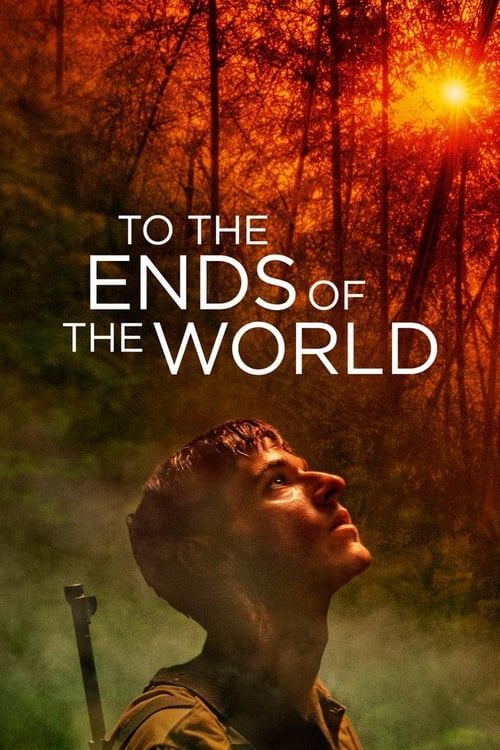
Indochina, 1945. While the French are harassed by both the Japanese army and the Vietnamese rebels, private Robert Tassen, driven by the memory of a tragedy of which he is the only survivor, embarks on the search for the mysterious and cruel Võ Bình Yên, one of the leaders of the insurrection.
Anne is an attractive woman on the cusp of middle age trying in vain to divide her time fairly between her demanding job as a television presenter and her family. Her colleagues and friends have similar problems though.
Like every weekend senator Henri Pagès and his wife entertain guests at their beautiful mansion in a peaceful village near Paris. But this time around, things go awry: Pierre Collier, a psychoanalyst and consummate womanizer, is brutally murdered. Claire, his wife, dazed and confused by his corpse, with a smoking gun still in her hand, seems to be the ideal culprit...
After 10 years and two children together, Philippe and Marion, finally decide to take a honeymoon Holiday in Venice. At the train station, a abandoned bag filled with money will bring them to a different journey. A journey of doubt where reality never quite lies where it seems, leading from separation to reconciliation.
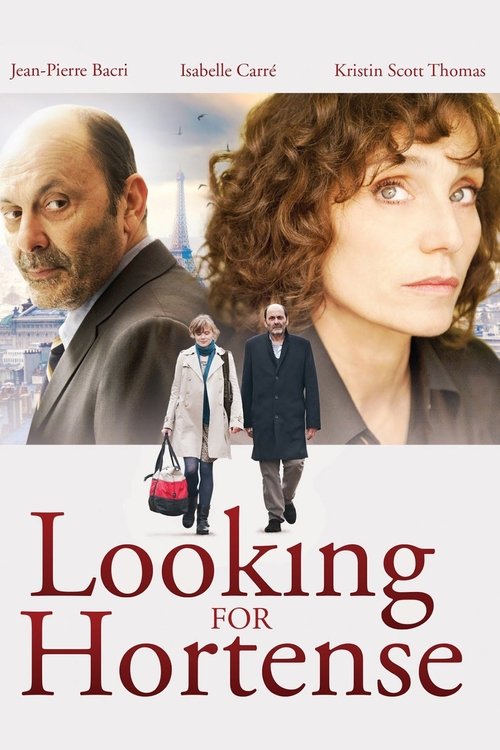
Slightly over-the-hill actress Nina has a fainting spell in a Paris park and Sami, an Algerian man, out for a run comes to her aid. She seeks him out afterwards to return some property and discovers he works at night as a female prostitute. Nina is drawn to him and a friendship develops as he attempts to kick his drug habit and she tries to revive her acting career that sidelined when she moved to Russia for years.
Damien, a Chinese civilization professor, lives with his wife, Iva, a stage director, and their son Noé. The couple's relationship has drifted into routine that has drained it of love. Damien finds himself trapped one day by Iva, who orders him to ask his father, a senior member of the French Council of State, for help in preventing Zorica, a woman Iva knows, from being deported. But Damien and his father don't get on and are barely ever in touch with each other. This dangerous mission throws Damien into a spiral that will turn his life upside down.
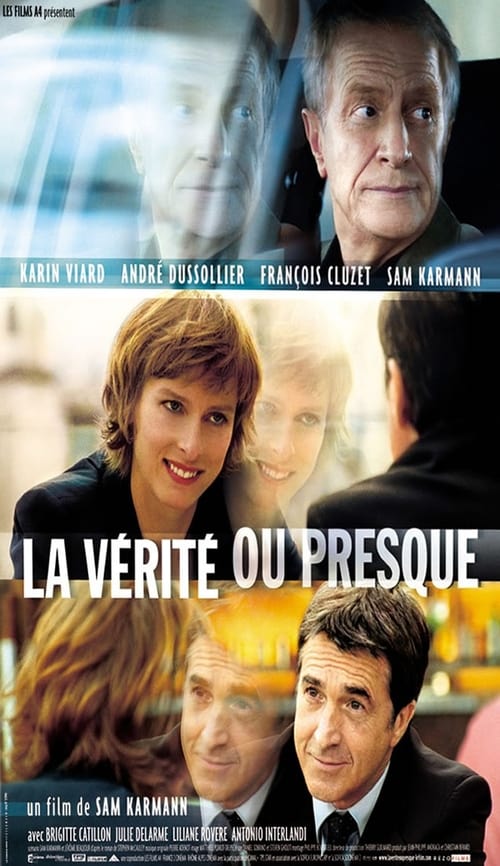
At the start, Christine Blanc is a temp, her boyfriend has gone. Near the story's end, she's been offered a steady job, she has a fiancé, other men seem interested in her, she's passed her driving test, and, after she wins 1000 Euros in a scratch-off, her colleagues sing that she's a jolly good fellow ("one of us"). But something's askew: her gaze is too direct, her eyes open too widely; conversational gambits hit odd notes; she parrots others' words; she cooks too much food when she invites a supervisor to dinner. When the supervisor takes Christine on a spontaneous outing that disorients her, her oddities become something else. Can things ever be normal?
No description available.
Reel 23 of Gérard Courant’s on-going Cinematon series.
This afterword to India Song (Duras' celebrated 1975 film) is organized in several parts. It begins with an interview to Marguerite Duras by Dominique Noguez, an expert in her work; the interview links the film to the two movies whom it's related to: The Ravishment of Lol V. Stein and The Vice-Consul. Several themes are tackled: childhood, autobiographical traces, relationships between differents characters and different films and more. India Song's main actors — Delphine Seyrig and Michael Lonsdale, who played Anne-Marie Stretter and the French vice-consul — join the conversation and talk about their roles and their craft. Marguerite Duras then evokes her memories of the shooting with the composer Carlos D'Alessio and her camera operato Bruno Nuytten. The conversations are punctuated by clips of the film.
A bored, sexually frustrated woman's life improves when she begins hypnotherapy and tries feng shui, but her husband's life unravels.