Acting
These intertwining stories about romance and separation follow a firefighter who can't find the right time to propose, a shy theme park worker who falls for an artist, an estranged mother and son, and a man seeking to regain his lost love.
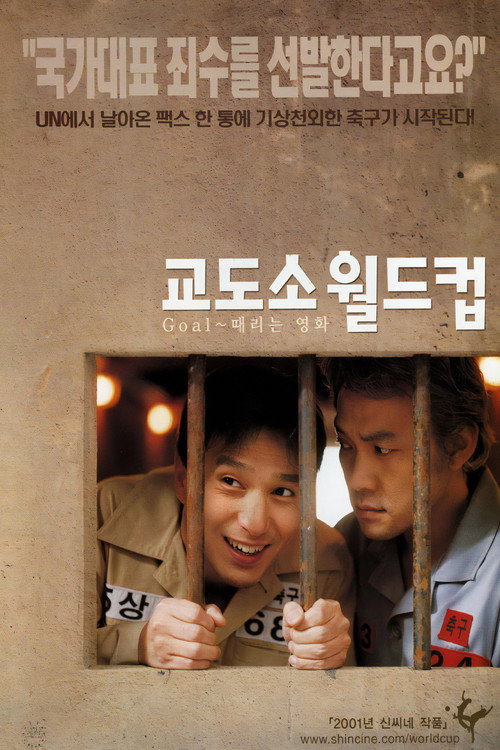
With the new millenium, the U.N. human rights committee proposes the first Prisoner's World Cup, putting forth the slogans of Liberty, Equality, and Harmony. Corrections wardens across Korea are thrown into a dilemma over whether to let their prisoners participate or not. The Hope Team is one of the most unlikely soccer teams in the world with a total of 75 previous convictions and an average of 6 for each player. With promises of leaves and reduced sentences, the team members are motivated to the hilt. They pool their various criminal talents to play, fight, and poison their way to the finals despite a prejudiced referee and two of the team's members having been bought off by the opposing team. But when their leader, the only condemned man among them, breaks out of jail, the team is thrown into chaos and they learn some more about hope.
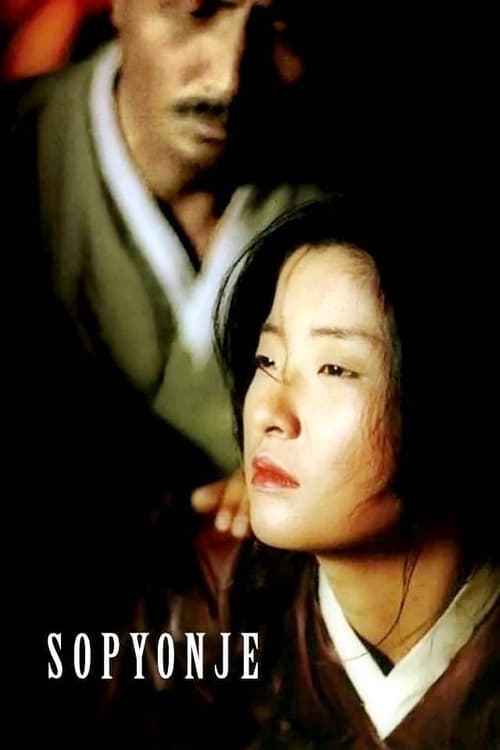
The 1930s. Wishing to pass down his knowledge, the father teaches his children to sing Pansori. The elder daughter and the younger son become professional singers but time has changed and people are no longer interested in folk singing. The younger boy gives up on his studies and runs away from home. Fearful that the daughter might do the same, the father blinds her. The blind girl continues to practice with great diligence and achieves perfection in this art. Years pass, the brother is roaming the world in search of his sister and eventually finds her. All night long they sing together sharing their memories.
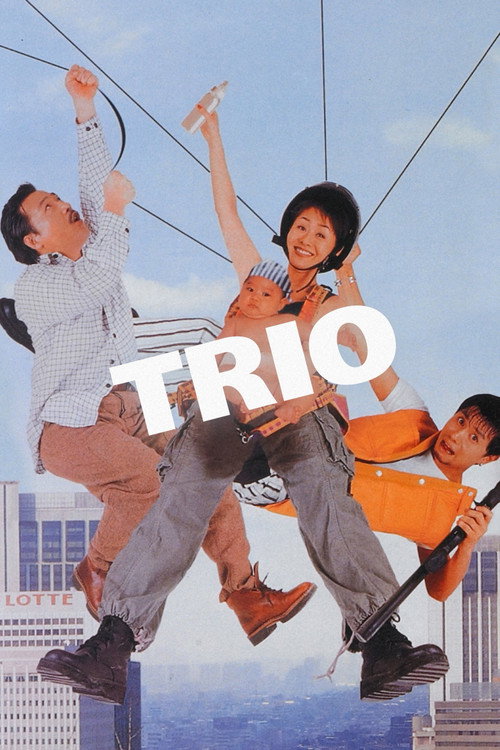
Han is a suicidal saxophonist, Mun is a violent simpleton with an I.Q. of 80, and Maria is a single mother with dreams of becoming a nun. Han has tried numerous times to kill himself, but nothing ever works. After witnessing his wife's infidelity, it's the last straw.
Tae-joo manages to rise in rank in a gang for saving the boss's life. However, prosecutor Dong-pal appears in front of him as his sworn enemy. Meanwhile, Jo-pil wants to get rid of Tae-joo's gang, training for revenge. The three men's goals intertwine.