Acting
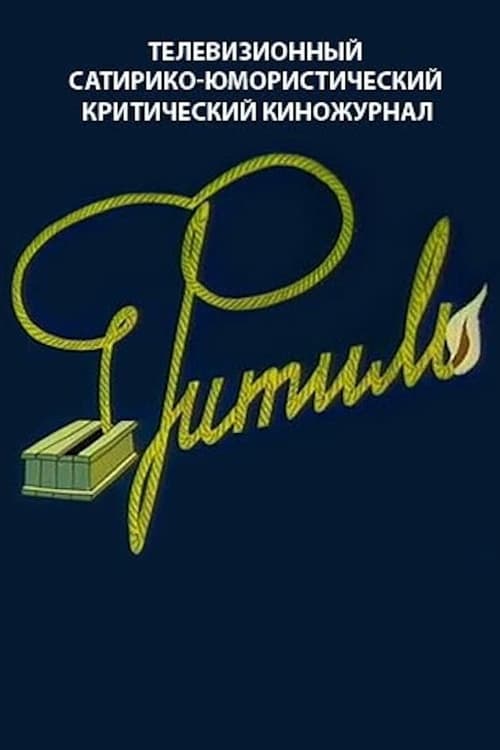
Fitil is a popular Soviet/Russian television satirical/comedy short film series which ran for about 500 episodes. Some of the episodes were aimed at children, and were called Фитилёк, Fitilyok, Little Fuse. Each issue contained from the few short segments: documentary, fictional and animated ones. Directed by various artists, including Leonid Gaidai who presented his famous trio of Nikulin, Vitsin and Morgunov into the cast. It was called in USSR as "the anecdotes from the Soviet government".
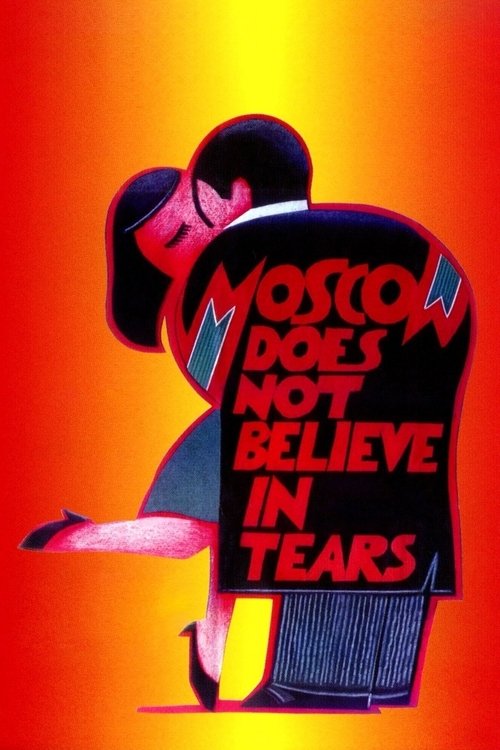
Living together in a workers' dorm, Katerina and her friends are determined to make it in Moscow. But when a boorish cameraman forces himself on her, Katerina finds herself pregnant and alone as her friends move on. Twenty years later, Katerina is a factory director, outpacing her old roommates career-wise, yet still alone but for her daughter. Love seems possible again when she meets a genial mechanic.
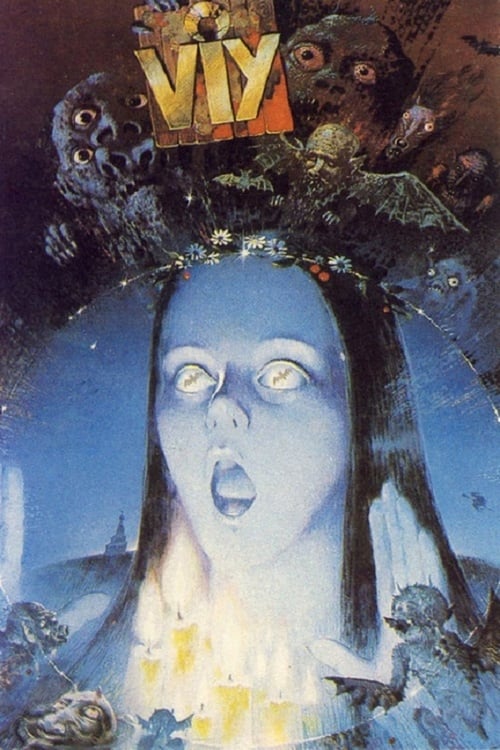
A seminary student on monastery holiday kills an old witch in a remote village. The hag then transforms into a beautiful young woman whose dying wish is for him to watch over her wake for three nights. With terrors occurring and his faith waning, he reads prayers on the overnight watch and tries to survive the supernatural encounters.
A comedy based on three short novels by Vasiliy Shukshin.
Kirovakan, Armenia, 1968. A street in the town is being renamed, but nobody seems to know whom after. A chance encounter between a student running late to his thesis defense, and a young woman determined to leave the town forever. 25 years earlier, Genrikh Zakaryan, a young resistance fighter, smuggles a secret Nazi operations map through occupied territory. Imaginings and history meld into one, echoes of past and future coalesce: “the fate of Genrikh Zakaryan is intangibly intertwined with the fate of today’s youth.”
Based on the novel of the same name by Mikhail Sholokhov, about the fate of people broken by the First World War, the October Revolution of 1917 and the Civil War in Russia (1917-1922), about the collapse of the foundations and ideals of the Don Cossacks of Russia at the beginning of the XX century, about the personal tragedy of the protagonist — Grigoriy Melekhov.
On falling in love with Sergey, Natasha gives up studies at a pedagogical institute and accompanies him to a construction site. In a course of time she realizes that her husband is interested only in his work. She leaves him, graduates from the institute and works as a teacher. But Sergey is fired for authoritative style of work and Natasha realizes that she must be near to him in his hour of need.
Filmed in the context of the fortieth anniversary of the creation of the Komsomols, the League of Young Communists, tells the story of three youth delegates from the League in 1918, who must make the dangerous journey to Moscow during the civil war to participate in League’s congress.
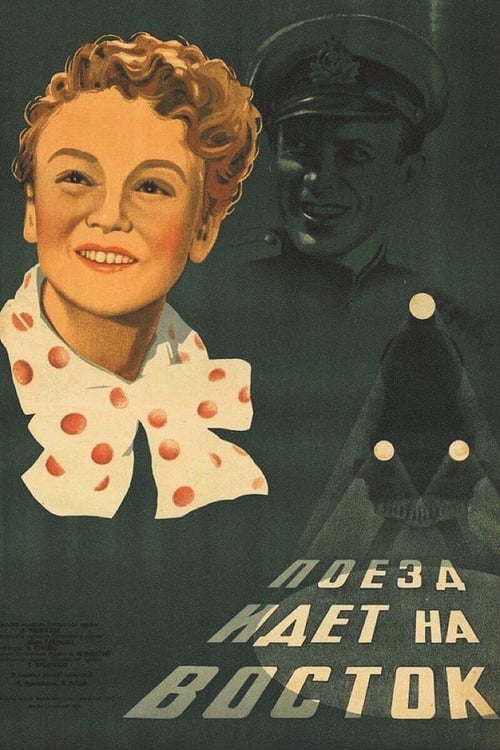
On the evening of May 9, 1945, when Moscow is noisily and cheerfully celebrating the Victory Day, a young girl agronomist Zina Sokolova and a sailor officer Lavrentyev meet in the compartment of the Moscow-Vladivostok train. The sailor takes the lively, direct character of the girl for windiness and frivolity. Sokolova also reacted frowningly and mockingly to the satellite. To get to know each other better, travelers are helped by nuisance: they are behind the train, and the rest of the way they are together, getting to know people and the life of the country along the way.
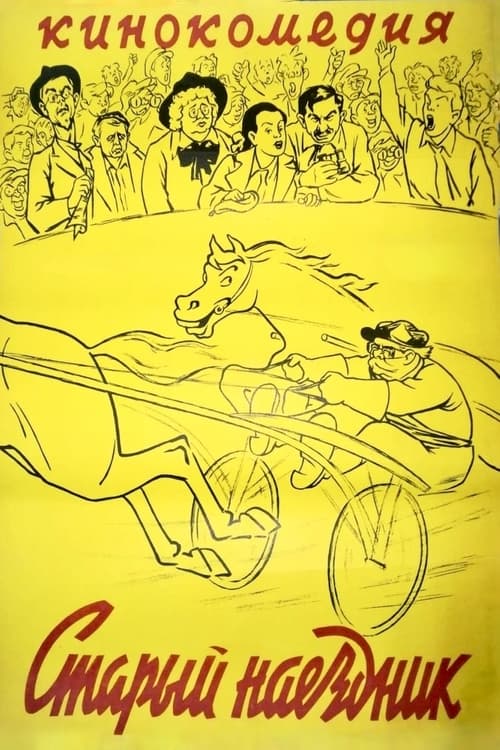
About Trofimov, a well-known rider who goes on taking part in races in spite of the advanced age, until he realizes his time has gone and passes his experience on to his granddaughter’s fiance
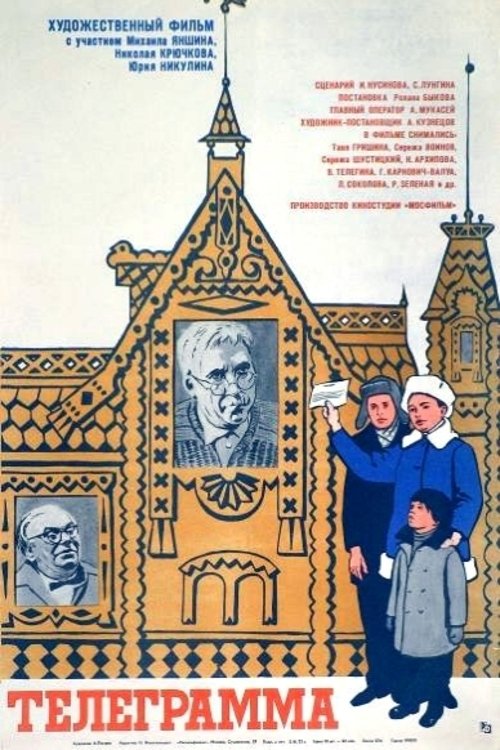
Six-graders Tosha and Kostya are trying to deliver the WWII telegram they accidentally find.
The screenplay is based on the short story of the same name by Vil Lipatov. It tells the story of a man with a difficult past who comes to a village in search of happiness, hoping to do good for others to the best of his abilities and talents.
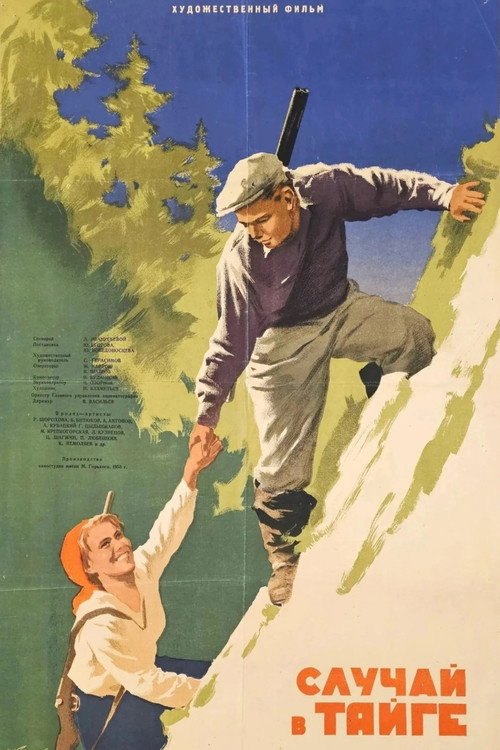
Young scientist is going to taiga for his experiments but meets poachers on the way.
The grandmother is torn at home and does not have time to do several things at once. She urgently needs to go to the store, and she put the dough. So that the dough does not run away, the grandmother asks to take care her granddaughter Zhenya. It would seem that nothing complicated, but Zhenya has more important things, such as to take a walk, play with her friends, and therefore she puts the grandmother's request on a dog. The dog also does not want to guard the dough, and therefore he delegates this important task to the cat. The cat is even more lazy to engage in such nonsense, and she has to ask the mouse to look after the household. As a result, the stubborn dough ran away, and now you need to know where to look for it.
Danka's and Ksanka's childhood in the village brutally ends when their father is killed by a White Guard officer in front of their eyes. Seeking revenge, they join forces with Valerka, an intellectual from big city, and the gipsy Yashka, but before they can get close to their enemy they have to help their village and the advancing Red Army.
No description available.
Sergey's girlfriend desperately wants him to quit dangerous police job. But Sergey doesn't want to abandon his new case which proves to be quite difficult.
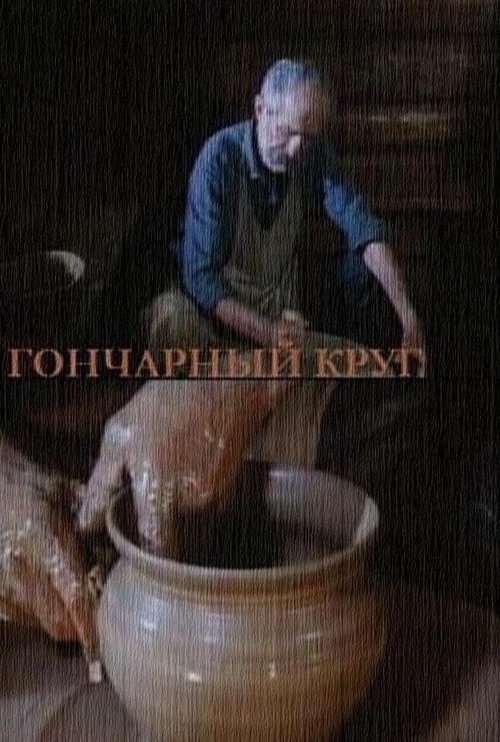
A film crew arrives for a three-day shoot in a village in the Yaroslavl region to film a documentary about an old master potter, Mikhail Lukich Bolotnikov.
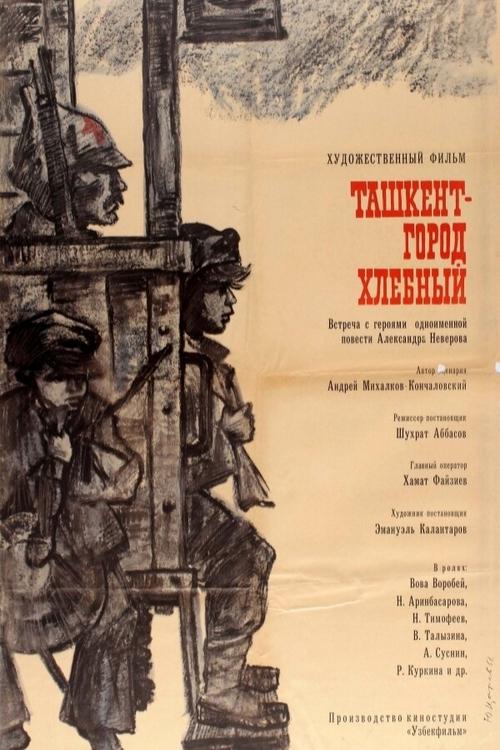
Beautifully shot in black and white, and scripted by Tarkovsky's collaborator Andrei Konchalovsky, this powerful melodrama tells the story of a young boy who undertakes the perilous journey to Uzbekistan's capital Tashkent, to earn some money for his hungry family. Filming in the periphery of the Soviet Union, in a time of relative political relaxation, director Shukhrat Abbasov actually dared to depict the poverty and famine that resulted from the Bolshevik Revolution.
Returning to his native village at the end of his military service, Victor (Yuri Sarantsev) brought his bride into the house - and soon they got married. Victor works on the collective farm with great enthusiasm, he is appointed a foreman, but the happiness of old Danila, Victor’s father, is overshadowed by dirty gossip - as if Victor’s father is not he, but Shandybovich, whose unseemly deeds were recently exposed by Victor.