Directing
Fitil is a popular Soviet/Russian television satirical/comedy short film series which ran for about 500 episodes. Some of the episodes were aimed at children, and were called Фитилёк, Fitilyok, Little Fuse. Each issue contained from the few short segments: documentary, fictional and animated ones. Directed by various artists, including Leonid Gaidai who presented his famous trio of Nikulin, Vitsin and Morgunov into the cast. It was called in USSR as "the anecdotes from the Soviet government".
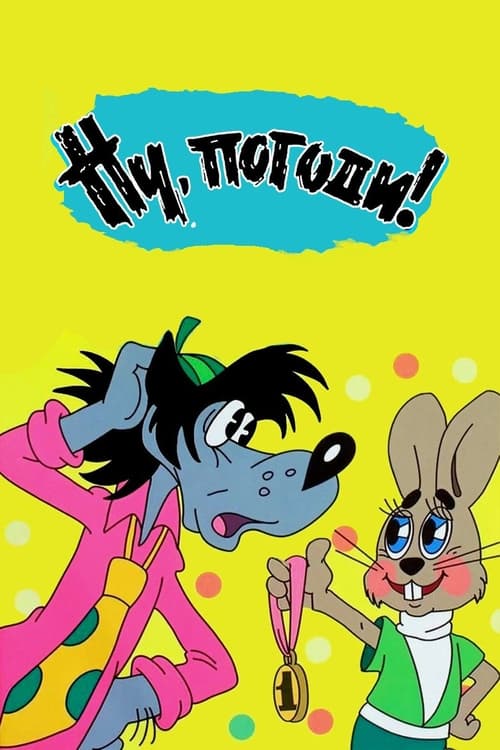
Follows the comical adventures of a mischievous yet artistic wolf [Volk], trying to catch a hare [Zayats]. The series has additional characters that usually either help the hare or interfere with the wolf's plans
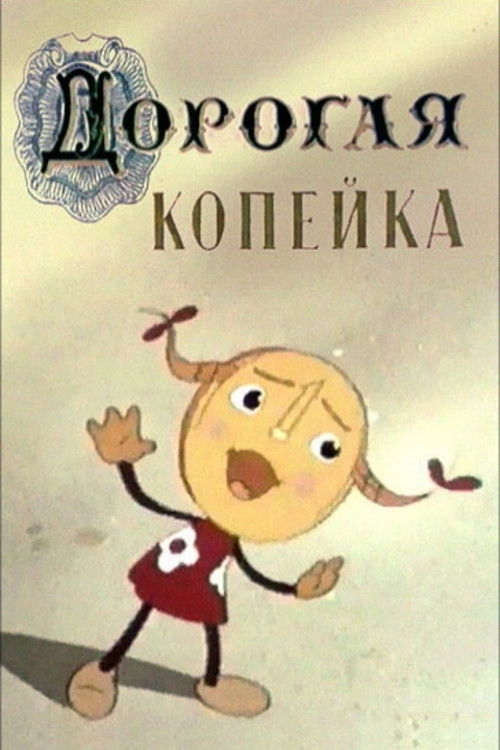
Animated short film dedicated to the redenomination of the Soviet ruble that happened on January 1, 1961.
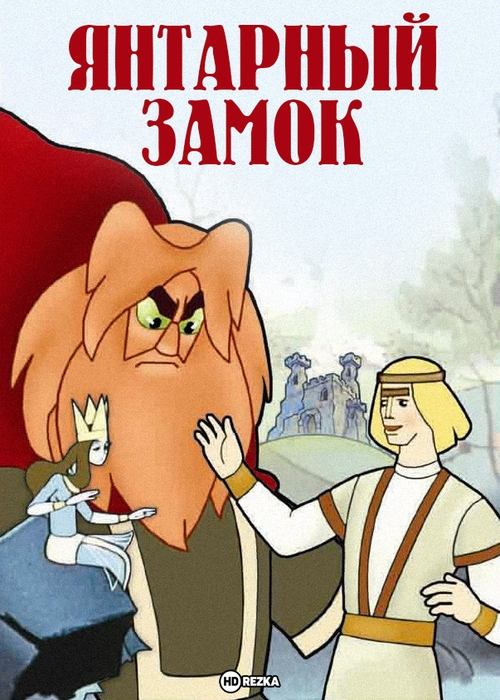
In the film an ancient Lithuanian legend is told about an origin of amber. For the sake of love to fisherman Kastytis sea tsarevna Jurate offered herself up. Her fiance, terrible god Perkunas destroyed the amber castle where she lived and it scattered into a thousand slices.
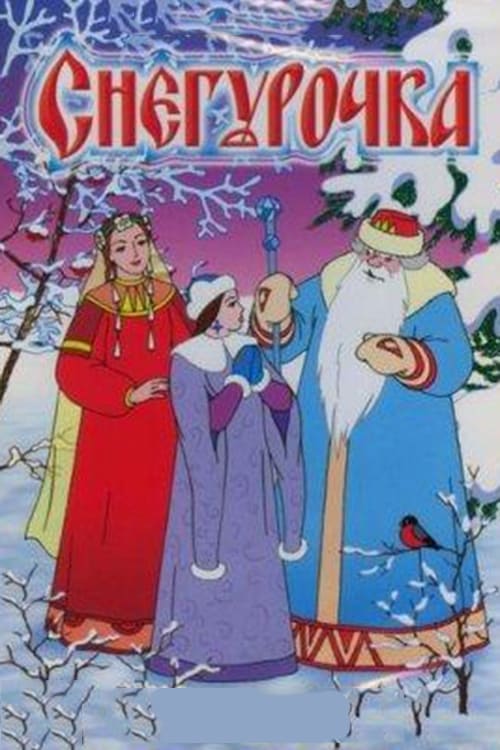
The tale about a girl with a cold heart who is dying in agony because of joy and love.
Inventor Chudakov builds a time machine. All that remains is to interest the technical innovation officials and receive authorization to continue the experiment. And it turns out that's the hardest part! The end point in this inventor's struggle will only be set by a "phosphoric woman" arriving from a wonderful future...
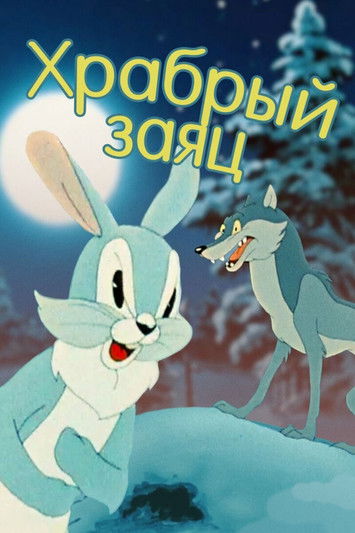
The tale about the brave hare - long ears, slanting eyes, short tail. He was so authoritative like a boss of all forests that even the wolf scared him.
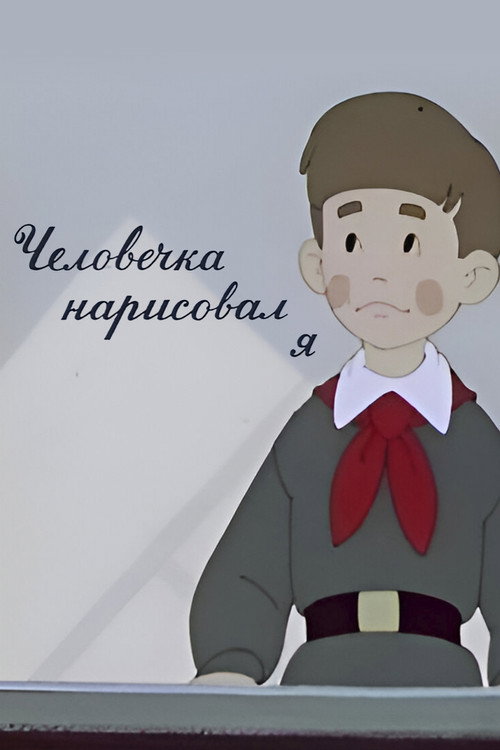
On September 1, the first day of school, a happy young boy named Fedya draws a picture of a little man on a white wall using coal.
No description available.
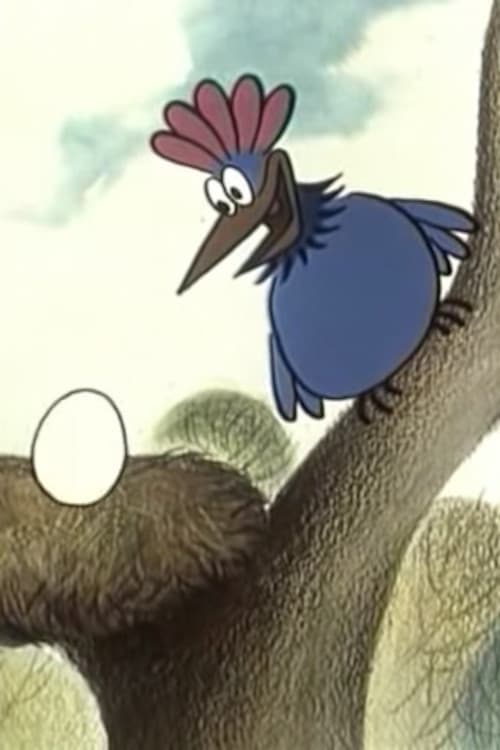
Bordo's simple story of a bird who will do anything to hatch and nurture her own chick.
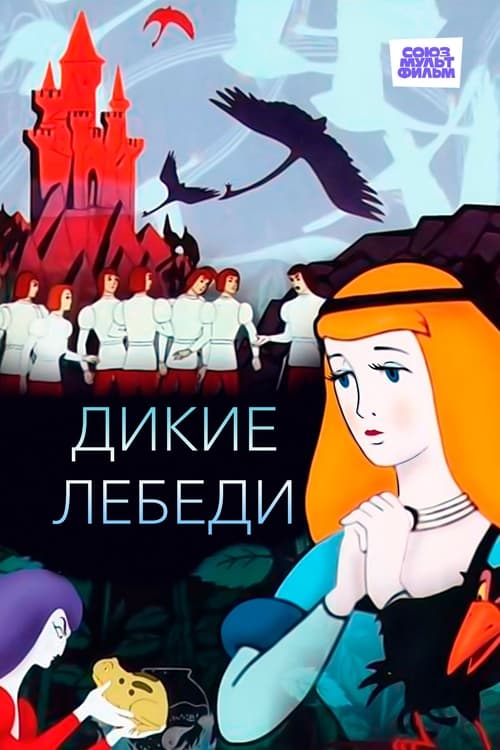
When a witch transforms her brothers into swans, a young princess must find a way to change them back.
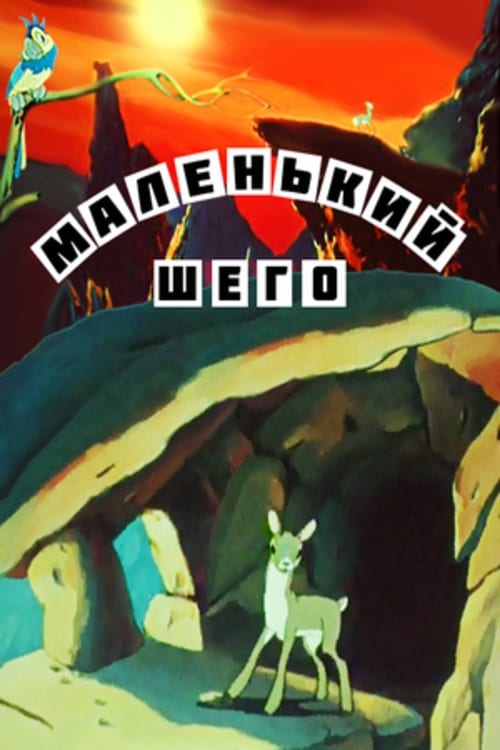
On the top of the mountain lived the goat Shego and his mother Shidza. The evil Hyena wanted to eat the goat, but Shidza protected her son and threw the Hyena off the cliff. The hyena decided to take revenge.
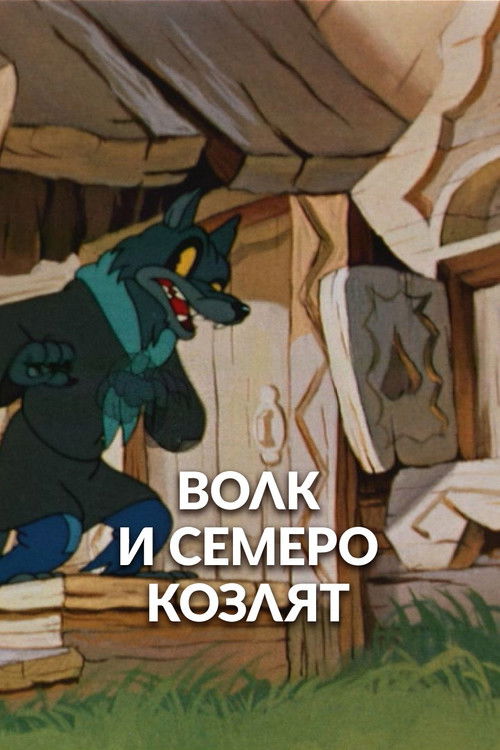
One day, the Goat needed urgently to leave the house. Worrying for her children, she convinces her Goats to not open the door to anyone, especially if it is not her. And so that they could recognize her, the Goat taught them a simple song, according to which the Goats could immediately recognize their mother. But the wicked Wolf, like a thief and a bully, overheard their conversation and decided to kidnap the Goats, setting off on a trick. He asked the Bear, a forest blacksmith, to give him a thin voice to deceive the Goats, obviously hiding it himself.
After suffering a sunstroke Volk finds himfself in a world of fairytales.
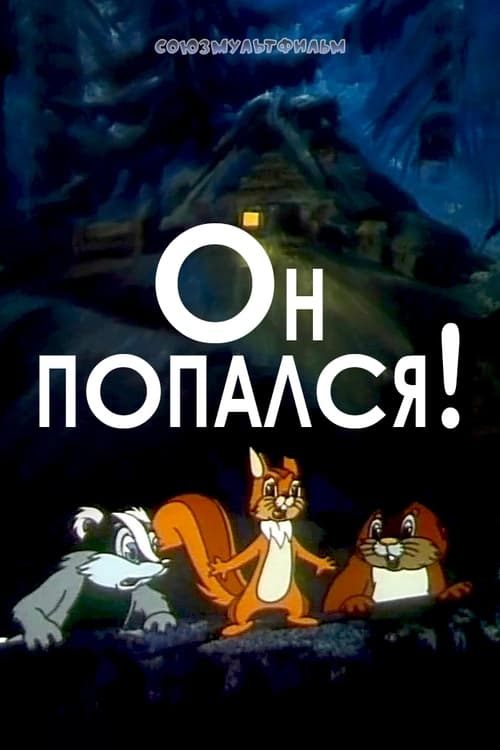
A team of rodents rescues a hare from a bear den. Vyacheslav Kotyonochkin 's cartoon about indifference.
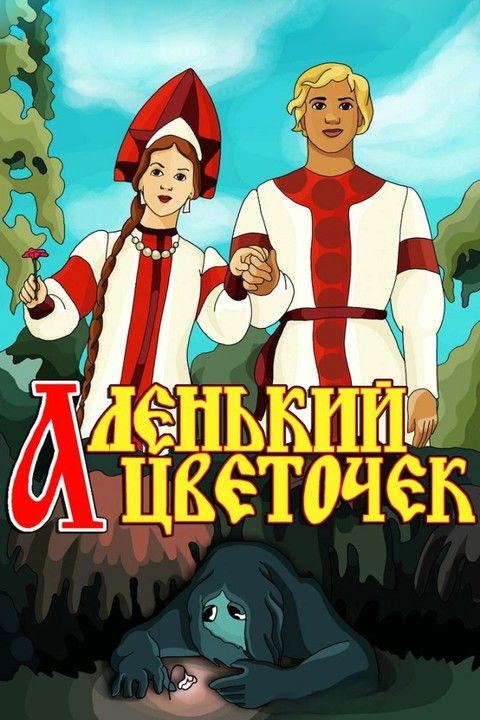
Before going on an overseas journey, a merchant father asks his three daughters what they would like him to bring back for them. The eldest asks for a shining tiara, the middle asks for a frame through which her face would always appear young, and the youngest (Nastenka) asks her father to bring her a beautiful scarlet flower like one which she saw in her dreams. Her elder sisters laugh at this simple wish. The father's trip is successful and he finds everything that he came for, with the exception of Nastenka's scarlet flower. Nevertheless, the ship heaves off and they begin to head back while the father scans the lands around him for a scarlet flower.
Volk and Zayats participate in the 1980 Olympic Games.
Hare is working at a construction site with a welding machine, from which sparks fly off and hit the Wolf. Wolf notices Hare and starts a chase, but the Hare defends himself with the welding machine. At the end of the issue Wolf crashes into an advertisement for a polytechnic technical school and expresses his desire to learn to operate welding machines there, but it turns out that this technical school accepts only athletes. The episode focuses on the problem that some technical schools and universities at that time, accepted students not based on knowledge, but by athletic merit, so that the institution could show sports results.
An animated film based on a folk tale about a clever soldier who saved his fellow countrymen from a foolish tsar and a robber named Zmey.
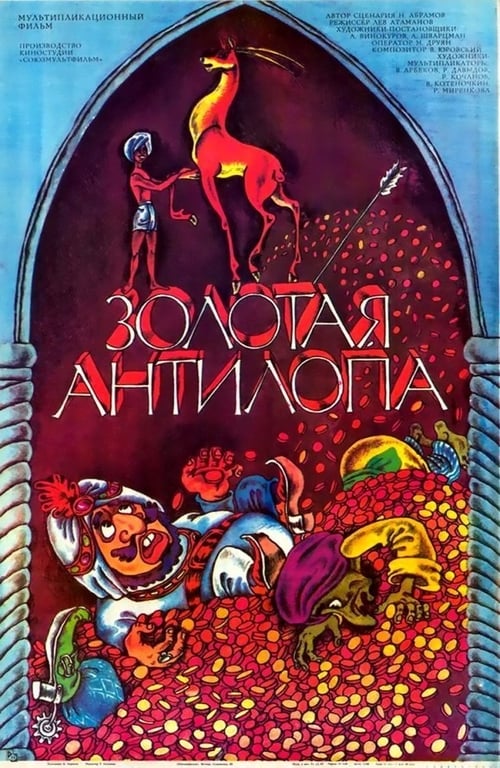
It is a screen version of an Indian national fairy tale. Malicious and greedy rajah wishes to get a wonderful antelope who strikes gold coins by hoofs. The country boy rescues an antelope, but rajah, threatening the boy, compels the antelope to serve him but he is severely punished for it.