Acting
The love story of young Countess Natasha Rostova and Count Pierre Bezukhov is interwoven with the Great Patriotic War of 1812 against Napoleon's invading army.
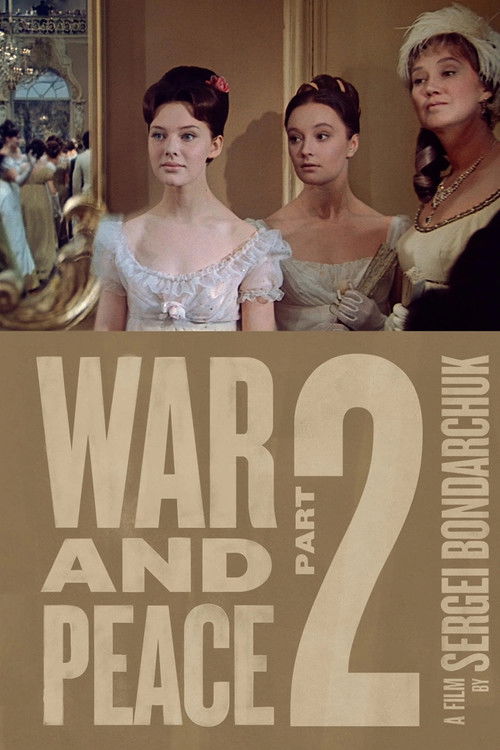
As 1809 nears its end, Natasha attends her first ball, where Andrei falls in love with her with the intent of marriage. However, as her father demands they wait, the prince travels abroad, leaving Natasha in desperate longing. But she meets Anatol Kuragin and forgets Andrei. Part two of the four-part adaptation of Leo Tolstoy's 1869 novel.
High school student Sergei Krasheninnikov (Krosh) once, quite by accident, meets Vladimir Nikolayevich, an interesting man and collector of netsuke. But soon Krosh discovers that behind this man's open friendliness and decency lie completely opposite qualities. Unwittingly becoming involved in the fanatical collector's devious schemes, Krosh, following his conscience, rushes to untangle and rectify the tense situation.
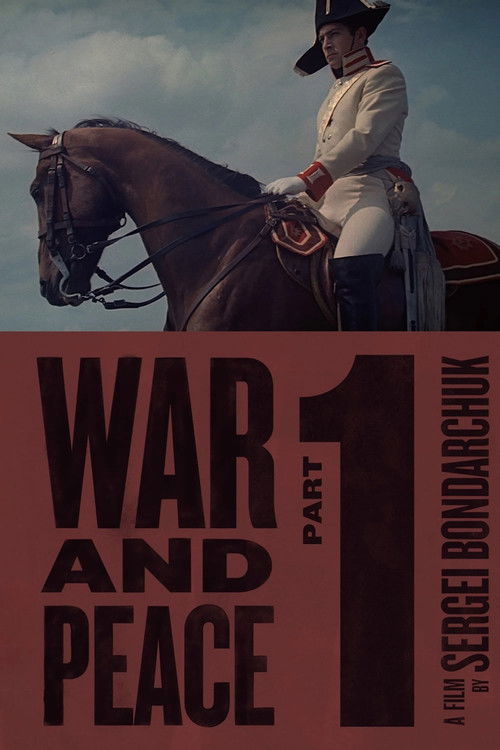
In 1805 St. Petersburg, Pierre Bezukhov, illegitimate son of a rich nobleman, is introduced to high society. His friend, Prince Andrei Bolkonsky, joins the Imperial Russian Army as aide-de-camp of General Mikhail Kutuzov in the War of the Third Coalition against General Napoleon Bonaparte. Part one of the four-part adaptation of Leo Tolstoy's 1869 novel.
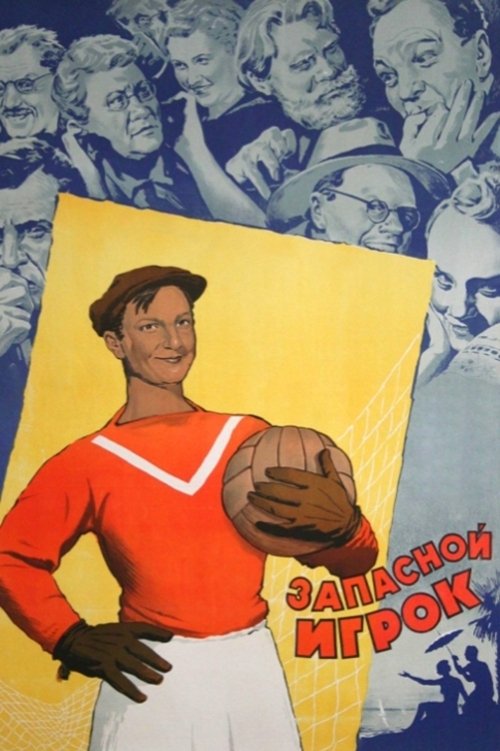
Comedy about brothers Vesnushkin, Sasha and Vasya, who are playing for one team in a National Soccer Competition. However, Sasha falls in love with a beautiful girl and loses his confidence just before the final game, so his brother has to take the lead on the field in order to save the game.
Russian Empire, 19th century. Poor Nykanor leaves his village and becomes a miner in the Donbas. His son Ostap also becomes a miner and works in the mine for thirty years, but after his father's sudden dismissal, he realizes that the state system needs radical changes.
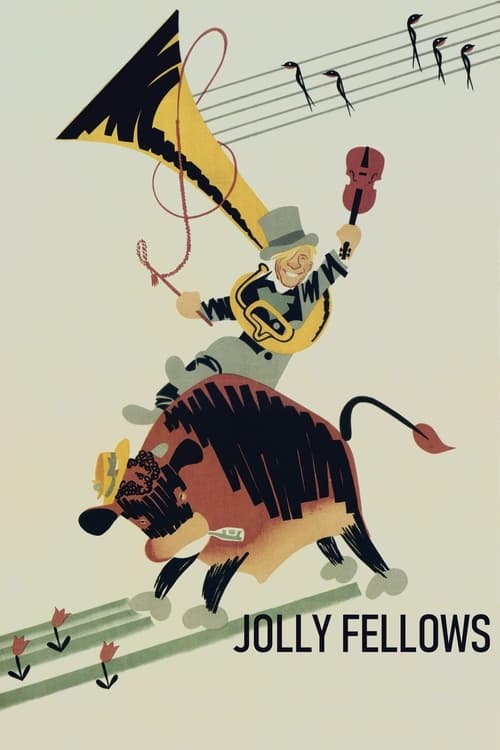
Merry Fellows was the first Soviet musical comedy. Set in Odessa and Moscow in the 1930s. Shepherd Kostya Potekhin is mistaken for an international concert star. He falls in love with Anyuta and plays the "star" for her. In a cascade of comic musical numbers he becomes the leader of a Jazz-Band and gives a hilarious show at the Odessa Music Hall. Now he is destined to perform at the Bolshoi Theatre in Moscow.
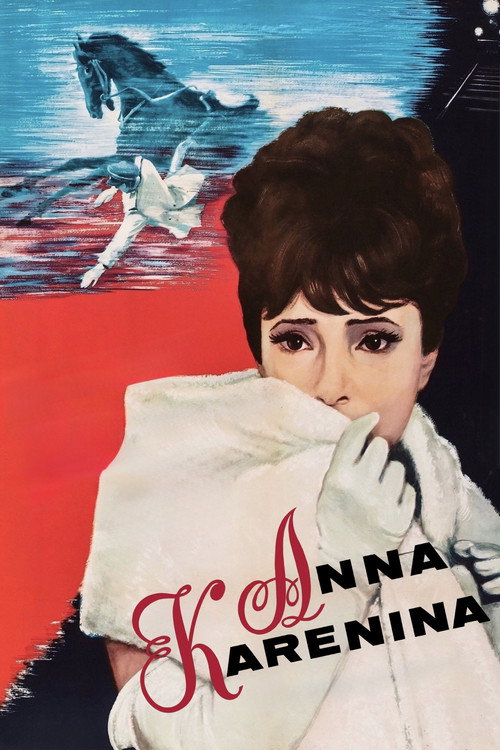
In Imperial Russia, Anna, wife of the officer Karenin, goes to Moscow to visit her brother. On the way, she meets charming cavalry officer Vronsky, to whom she's immediately attracted. But in St. Petersburg’s high society, a relationship like this could destroy a woman’s reputation.
The vain station master of a Russian train station out in the sticks has a quarrel with an old peasant woman and has her thrown in jail. The local party youth organisation finally manage to get her released, after having to cut through lots of red tape.
The continuation of a story started by Alexander Stolper epic movie "The Alive and the Dead".
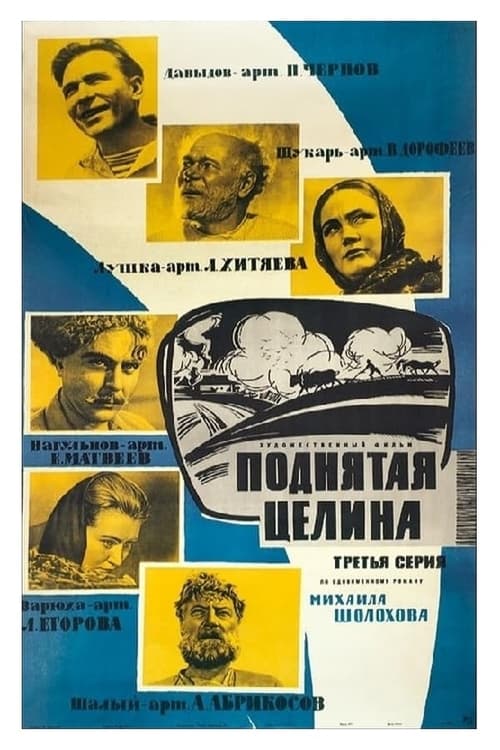
The movie is based on the the same name novel of the Nobel Prize In Literature Winner Mikhail Sholokhov. The action is taken place in 20-30-s years of the XX century in the Russian countryside going through an uneasy process of collectivization.
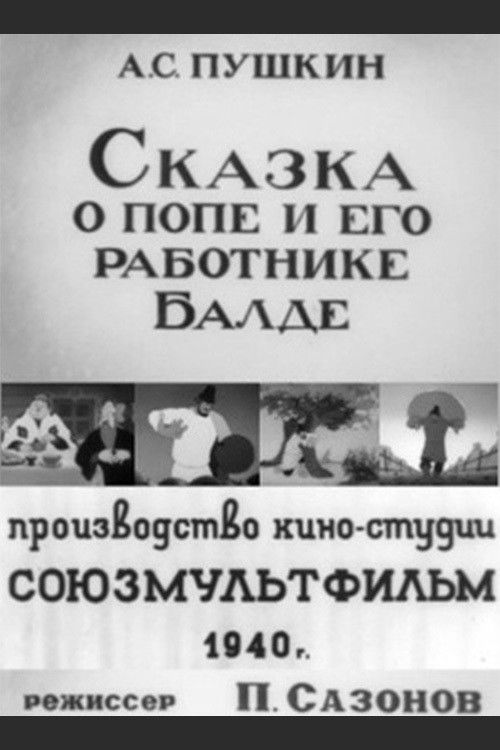
A self-loving and arrogant priest, strolling through the market square, is looking for a "cook, stable boy and carpenter" who would work for him diligently and a lot, and take only a little money for it. He meets a brave young man, Balda, who is hired as a servant by the popes for a purely symbolic payment - "a year for three cheeks on the forehead". Soon the Pope will have to learn the power of Balda's slap.
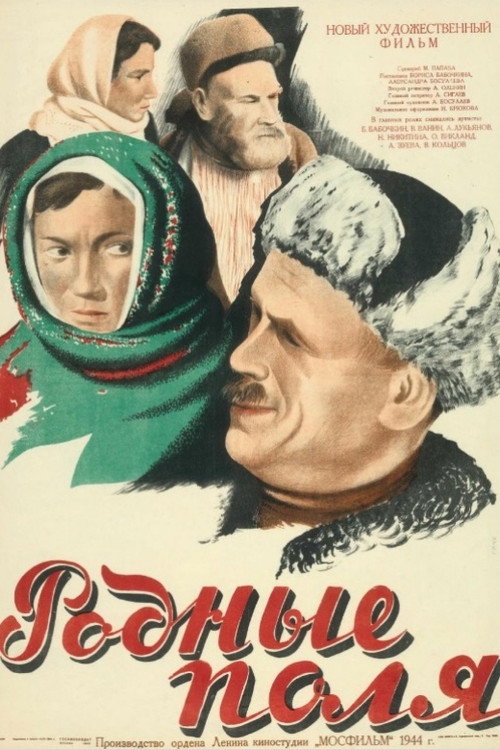
November 1941. One by one, the men leave, leaving only old men, women and children in the village of Bykovka. Ivan Vybornov, the chairman of the collective farm, is also raring to go to the front, but, obeying party discipline, remains in the village and continues to skillfully and energetically lead the collective farm, mobilizing fellow villagers to send bread for the front and starving cities.
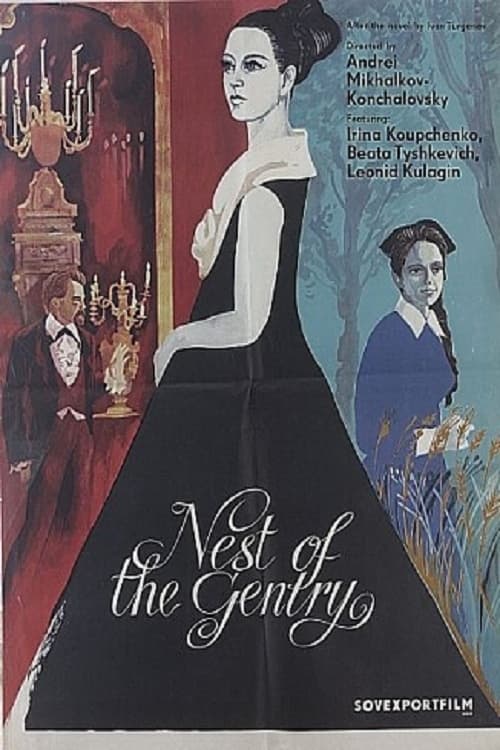
Russian nobleman Fyodor Ivanovich Lavretsky returns to his estate after years in Paris, only to fall in love with his young cousin Liza, complicating his already troubled marriage and leading to a tragic, emotionally complex romance.
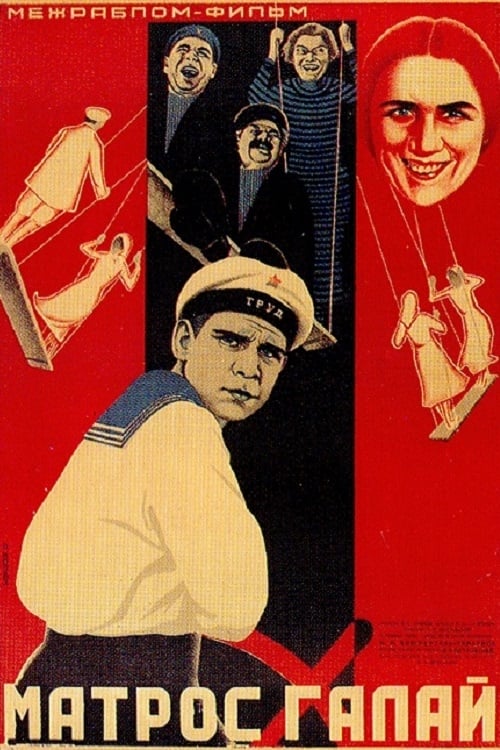
How a sailor on leave participated in the struggle of the village poor against the kulaks. Lost movie.
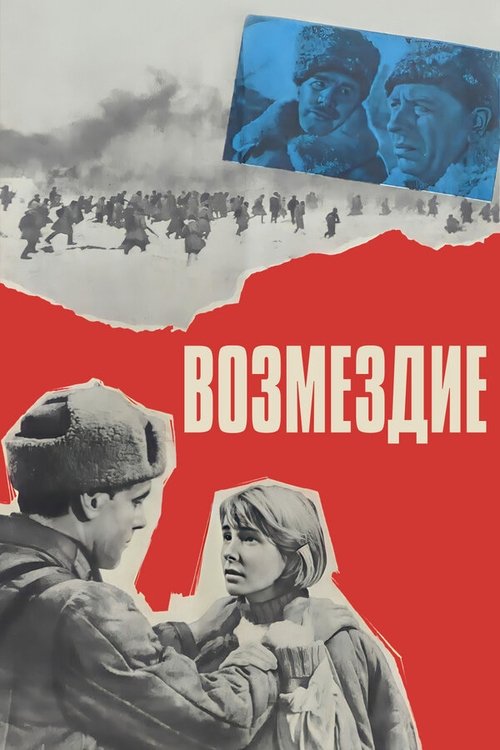
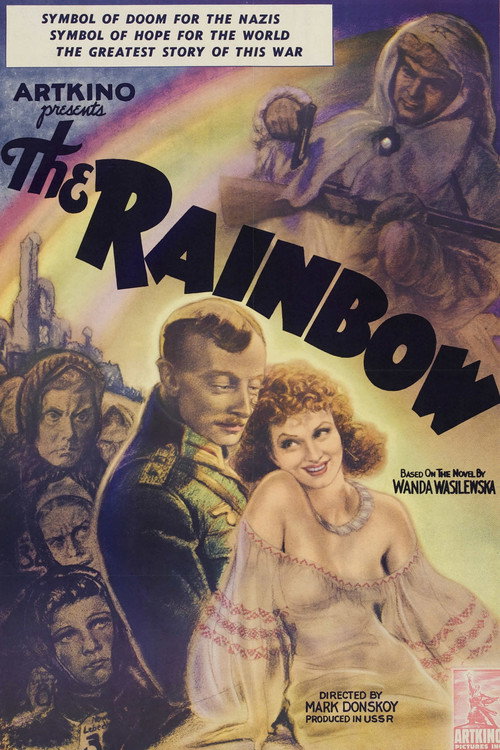
The German conquerors are above nothing, not even the slaughter of small children, to break the spirit of their Soviet captives. Suffering more than most is Olena, a Soviet partisan who returns to the village to bear her child, only to endure the cruelest of arbitrary tortures at the hands of the Nazis.
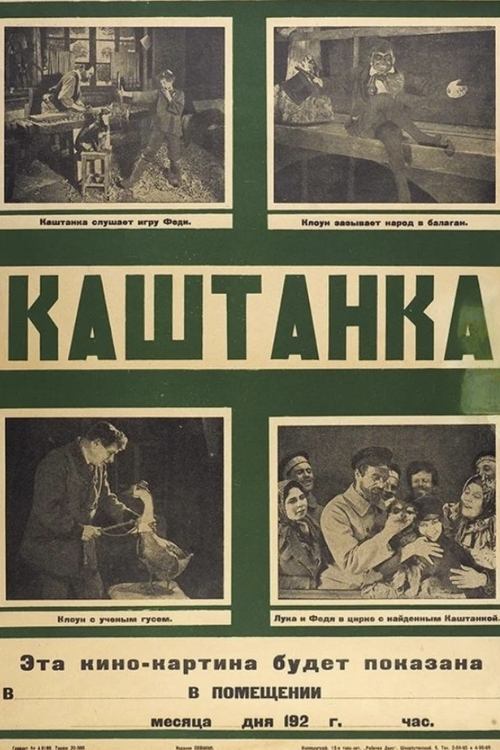
Little dog Kashtanka is stolen, sold, tossed out into the street and saved by a clown. Young Fedyushka gets lost looking for the dog and ends up a prisoner of the sinister Mazamet who compels him to rove from house to house to make money, while Fedyushka’s father wanders through the streets in search of his lost child.
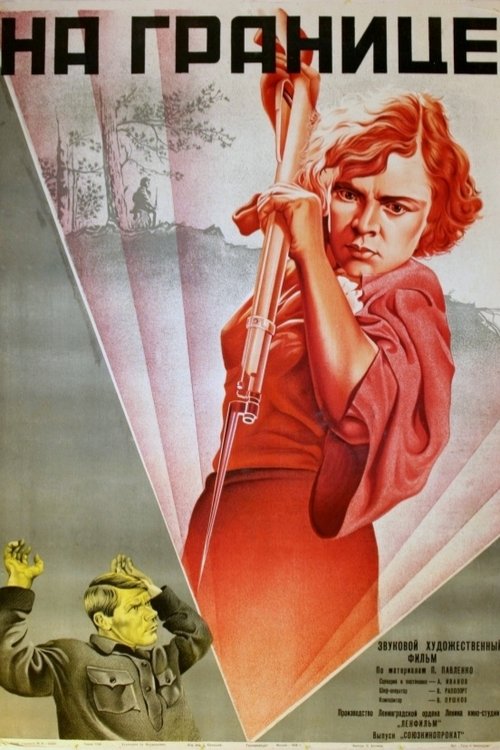
The Soviet Far East and Manchukuo are separated by a border river, on one side of which Russian White Guards have settled in a small Manchurian village, while on the opposite bank lives the Vlasov family. Wanting to destroy the Vlasovs, the White Guards break into their house. A detachment of soldiers led by border guard commander Captain Tarasov comes to their aid. A long and exhausting battle ensues.
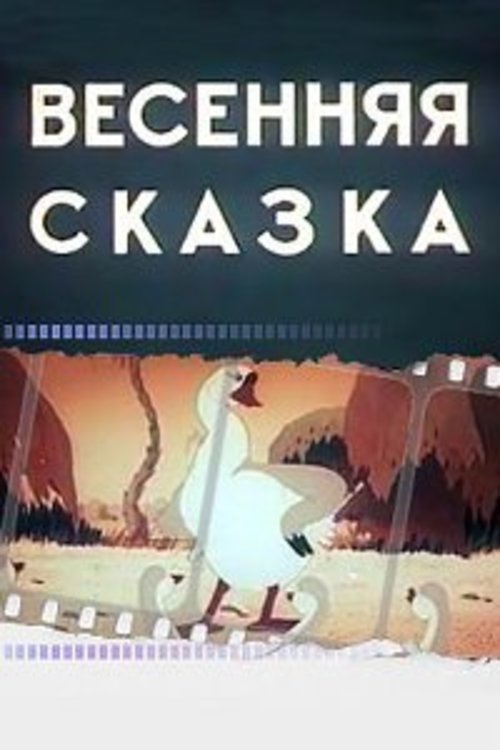
About the return of the leader of the geese Gumennik and his flock from African regions to their native places in Russia.
Satirical comedy based on the notebooks and short stories by Anton Pavlovich Chekhov: "Romance with Double-Bass","On the Harmful Effects of Tobacco", "Misery", "Grateful", "Polinka", "The Cynic", "The Ninny".