Directing
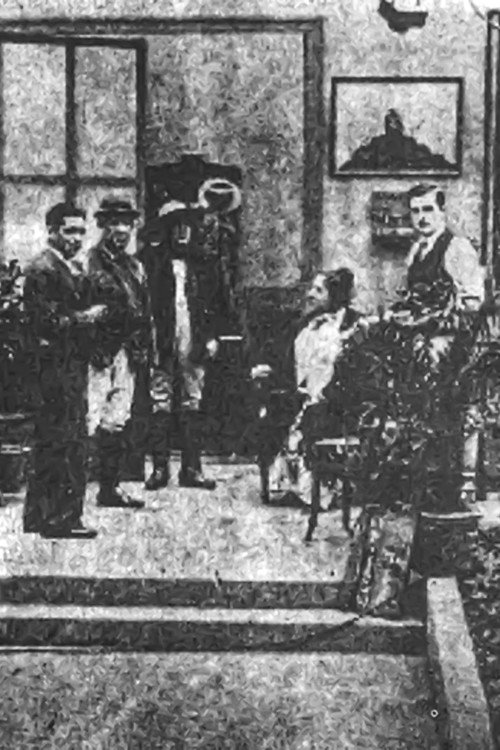
No further information survives about this comedy starring a character typical of costumbrista comedies: "a streetwise fellow with all the trappings of a true Creole, who manages to get a house, food, and a wife," according to the advertising description. Derteano's third film, after *Cosas de la vida* and *Corazón de criollo*, *Padre a la fuerza* featured inexperienced actors or supporting performers, such as Miguel Márquez, who were promoted to leading roles. The film performed poorly commercially, which negatively impacted the fate of the production company Cosmos and director Derteano. No copy of the film survives.
In truth, there is nothing in Cosas de la vida, nothing that has a Creole flavor. The entire first part is nothing but a reproduction on the screen, with the natural disadvantages for the same vaudeville artists we see every day in the main or neighborhood theaters. Rumbas, Argentine tangos. Barely a marinera (a marinera played on the piano and possibly the saxophone) gives a weak note of something Creole. The second part of Cosas de la vida has charm; the charm given to it by these three artists: Revolledo, Zamorano, Castillo. There is nothing to be done.
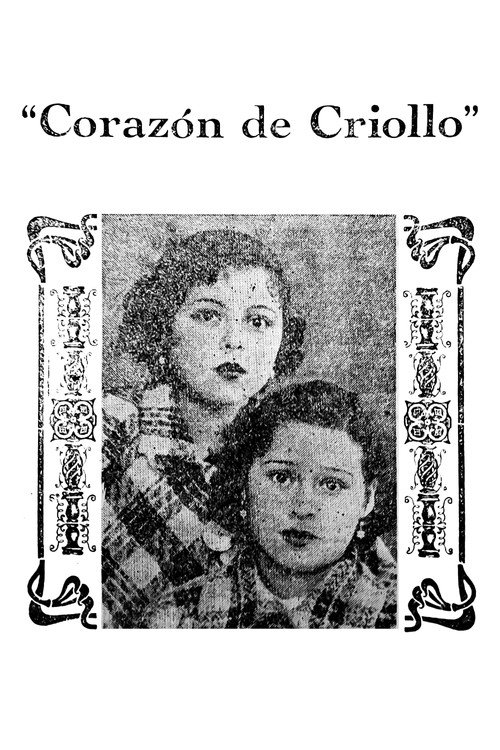
Two young people from Lima are in love. But the young man is poor. He has only one asset: his voice, as he is a singer seeking recognition through his performances on Radio Latina. Alfredo is a wealthy young man who competes for the girl's love. He soon sees that the best way to separate the lovers is by arranging an artistic tour for the singer in the United States. Using part of his fortune, he manages to get the singer to leave. The trip is a triumph, and the artist returns full of accolades. Alfredo realizes that the girl still loves him, so he decides to end his relationship with her. He wishes her happiness with his rival.