Acting
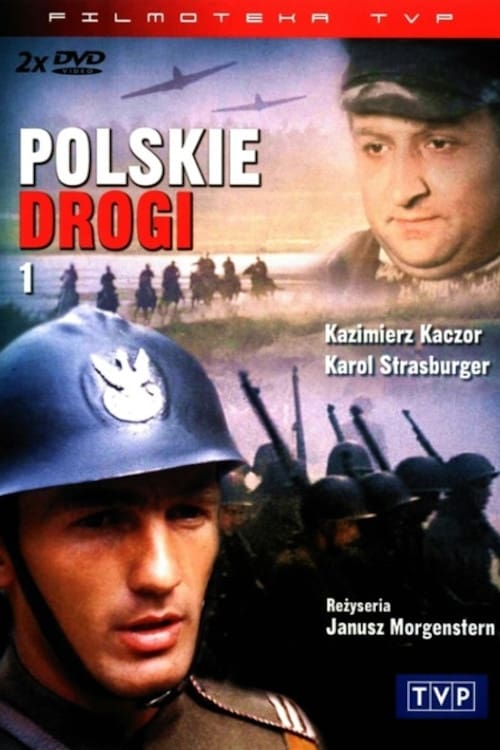
An epic, multi-threaded story about the fate of Poles during World War II. "Czas pogardy" was shown primarily from the perspective of two main characters - Lieutenant Władysław Niwiński and Leon Kuraś - a petty crook, but not without heroic traits. The authors of the series sought to show, in particular, everyday life under Nazi occupation in Poland.
Poland, during World War II. Martha Weiss, a Jewish woman, arrives at the Auschwitz extermination camp with her family. She is assigned the role of interpreter, but her loved ones are much less fortunate.
The story of Stanisław Wokulski, a wealthy merchant who falls in love with a haughty aristocrat, Izabela Łęcka. Causing a misalliance in the late nineteenth century Warsaw. Young Wokulski is forced to work as a waiter, while dreaming of a life in science. After taking part in the failed uprising, he is sentenced to exile in Siberia. Upon return to Warsaw, he becomes a salesman. Marrying the late shop owner's widow, he becomes rich, He uses his money set up a partnership with a Russian merchant, met in the exile. The two makes a fortune supplying the Russian army. Wokulski falls in love with Izabela, daughter of the bankrupt aristocrat. In his quest to win her, he ventures theatres and aristocratic salons. To help her financially distressed father, he founds a company with the aristocrats as shareholders. Wokulski ability to make money is respected, but his lack of social rank is often brought. Izabela eventually accepts his affection, but without true devotion or love.
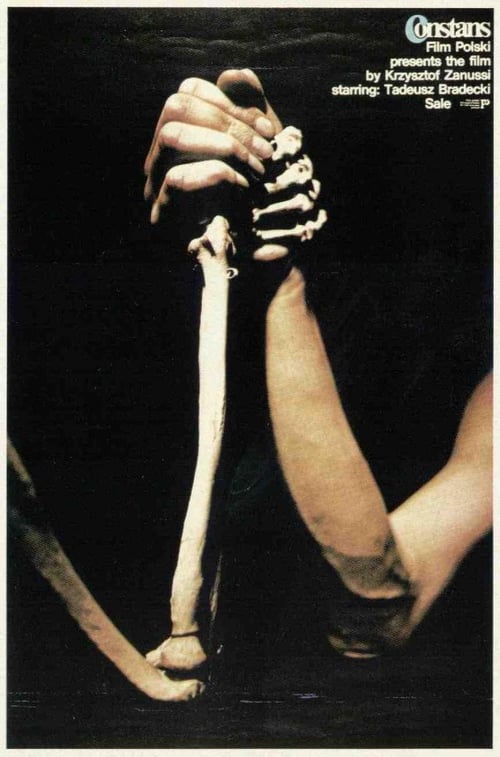
A young man is confronted with corrupt and vindictive colleagues at work and negligent officials at the hospital where his mother is dying. As he searches quixotically for a steadfast moral code by which to live, he suffers from the knowledge of human frailty and our darker inclinations to do harm.
No description available.
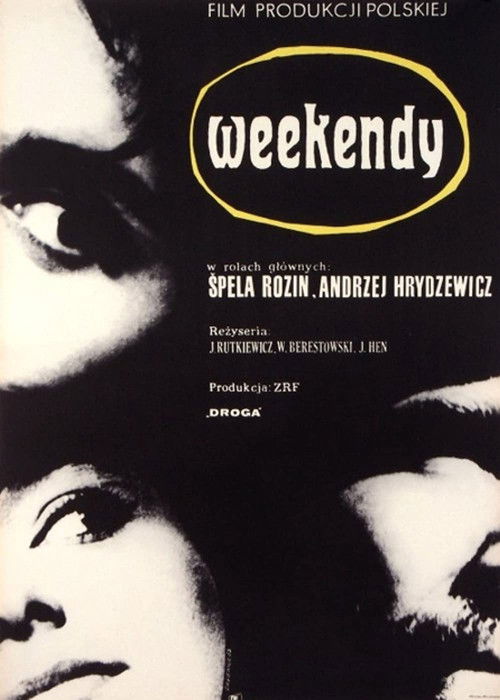
An intimate psychological drama consisting of two separate stories, the heroes of which represent the attitudes of young people, which were rarely manifested in the early 1960s.
The protagonists of the film are residents of a nursing home run by nuns. One of the nuns, Maria, wants to introduce discipline, but it is not easy. The elderly residents decide to fight for their independence. Their plans are thwarted by the departure of the leader of the rebellion. But the men will not give up so easily.
Maria, a veteran architect heading a design studio, finally secures approval for a long-awaited bearing factory project, but now faces a two-year deadline and staff eager for bonuses. She insists on a meticulously accurate plan that will delay opening yet save millions, drawing ire from her team and superiors who urge her to relent or take leave. When the industrial union ultimately backs her vision but replaces her as project lead, Maria rejoins the team as a regular member, steadfastly pursuing her principles while navigating the personal cost of her professional convictions.
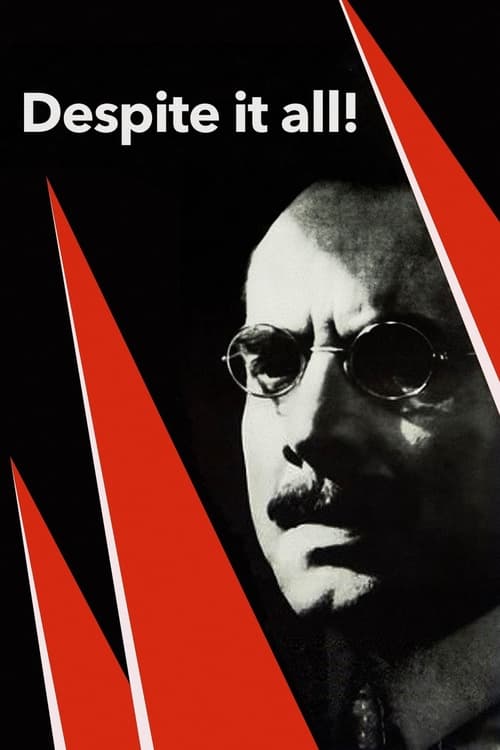
October 1918: Karl Liebknecht is released from prison and Berlin workers celebrate his release. Although WWI is almost over, the German Kaiserreich in vain sends its last reserves to the slaughter. The working class is in a rebellious mood; the uprising of Kiel’s sailors against war and militarism sets off a call for revolution led by Liebknecht. On November 9, Liebknecht declares the Free Socialist Republic of Germany. But pro-Kaiser military and right wing Social Democrats oppose him.
Television theatre adaptation of a Robert Thomas play. In an isolated, snow-covered house eight women are preparing for a family gathering. The domestic peace is suddenly disturbed when they discover that the owner of the house has been murdered. Cut off from the world, unable to call for help, so they are forced to solve the mysterious crime by themselves.
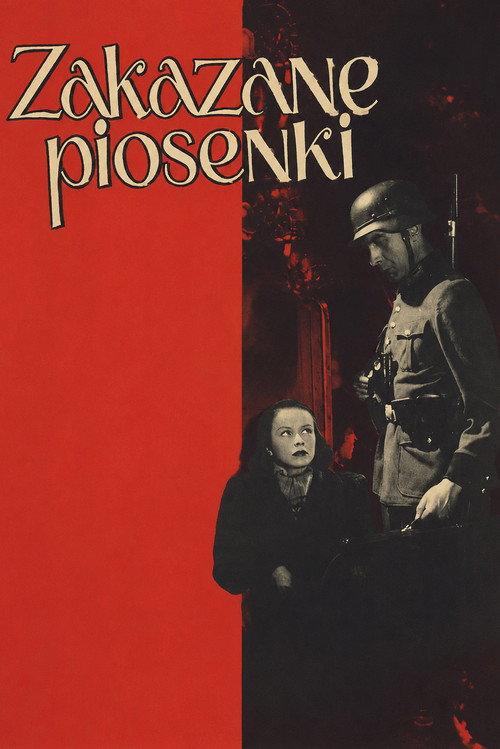
Set during the German occupation of Warsaw during WWII, this musical tells the story of several inhabitants of the same tenement house.
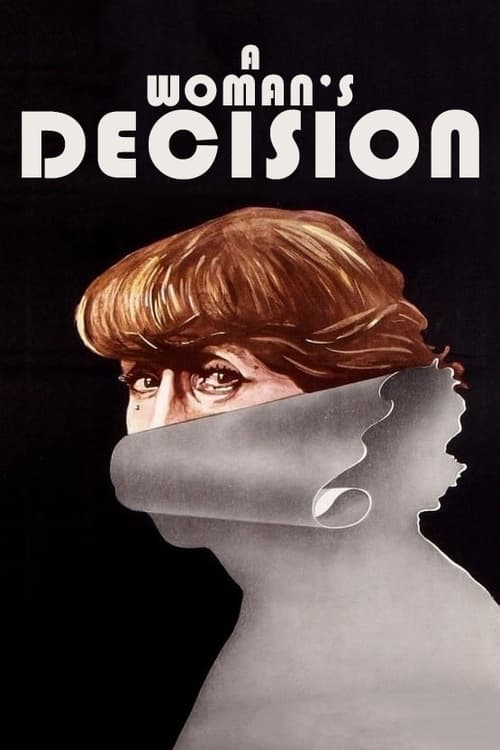
The main character is a bookkeeper, 40, who lives a quiet, uninteresting life with her husband and son of school age. She realizes that soon she won't be needed much at home as the boy grows up and the relationship with her husband crumbles. It's only when an embezzlement is discovered at the office and she stands up to her management, that she realizes life has more to offer. She meets a well-off former classmate, married to an American. Then she meets Jacek and starts contemplating possibilities of a new start. She discovers love for the first time, but turns to old ways rather than to break loose.
A film biography of Maria Skłodowska-Curie and Pierre Curie.
Two psychiatrists attempt to save a suicidal man.
A young cinematographer is hired to work on a puppet film. Soon a tragic accident occurs on the set of production.
Engineer Andrzej Uriaszewicz returns to Poland in order to smuggle a valuable painting out of the country.
A pianist from Poland visits a town in West Germany and starts to remember details about her life during the war.
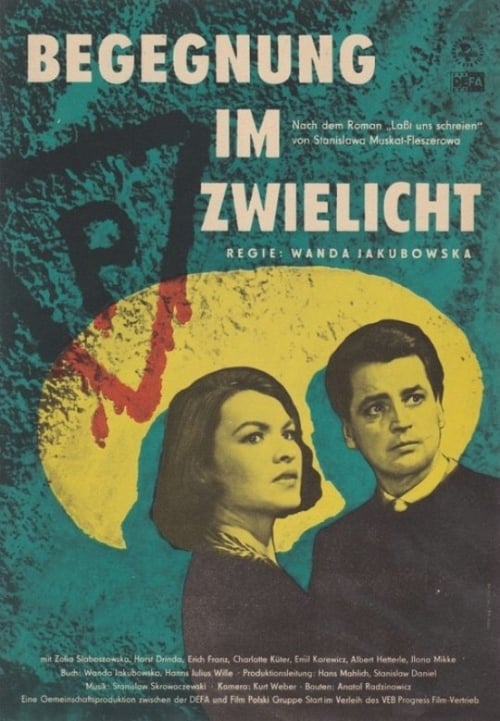
A wealthy German family is divided by the immorality of Nazi Germany, circa 1944. Former professional colleague, Joachim Peters, escapes from a Nazi concentration camp, and seeks refuge with his friends, the Sonnenbruchs. Torn between their duty as German citizens, and their greater humanitarian sensibilities, the family is divided in how to deal with Joachim's presence.
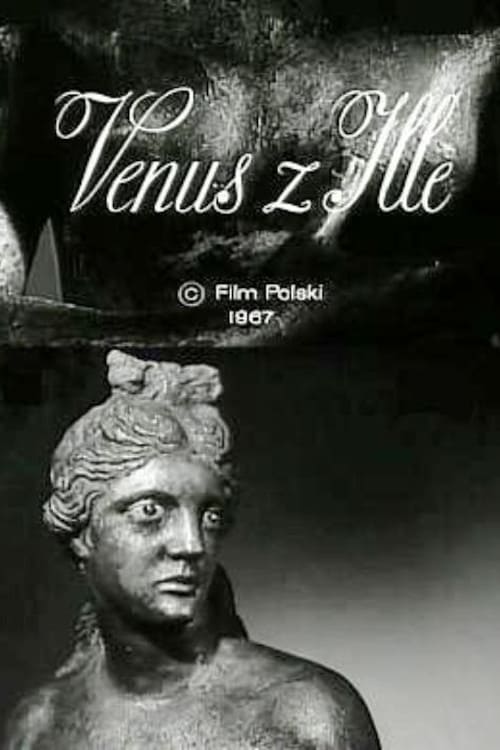
Janusz Majewski adapts Prosper Mérimée’s 1835 tale of the same name, centering on a mysterious statue unearthed in a provincial town. The figure, sculpted as a tormented woman, becomes an ominous presence during a wedding celebration. When the groom impulsively slips his ring onto the statue’s finger—and cannot remove it—the joyous occasion descends into a nightmarish spiral of superstition, obsession, and the uncanny.