Sergei Gerasimov
Directing
Biography
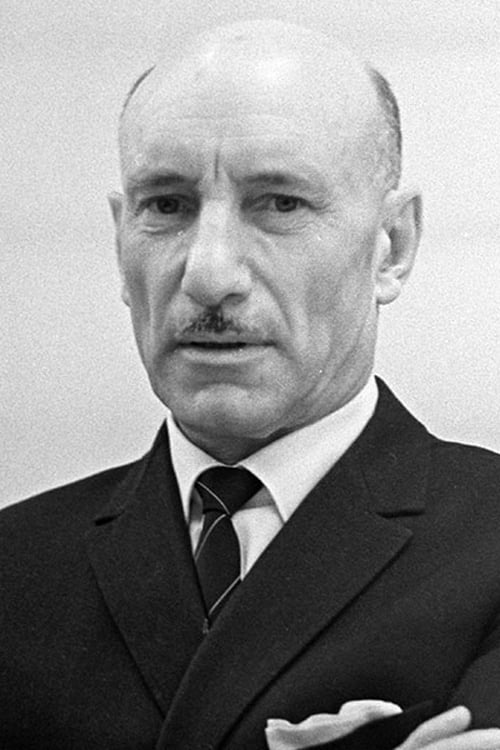
Sergei Appolinarievich Gerasimov (21 May 1906 – 26 November 1985) was one of the most reputable Soviet film directors and screenwriters. The oldest film school in the world, the VGIK, bears his name. Gerasimov started his film industry career as an actor in 1924. At first he appeared in Kozintsev and Trauberg films, such as The Overcoat and The New Babylon. Later, he was commissioned to produce screen versions of the literary classics of Socialist realism. His epic screenings of Alexander Fadeyev's The Young Guard (1948) and Mikhail Sholokhov's And Quiet Flows the Don (1957–58) were extolled by the authorities as exemplary. During several decades of their teaching in the VGIK Gerasimov and his wife Tamara Makarova prepared many generations of Russian actors. In his last movie Gerasimov played Leo Tolstoy, while Makarova was cast as Tolstoy's wife. Gerasimov is buried in the Novodevichy Cemetery of Moscow. Description above from the Wikipedia article Sergei Gerasimov (film director), licensed under CC-BY-SA, full list of contributors on Wikipedia. From Wikipedia, the free encyclopedia.
Known For

No description available.
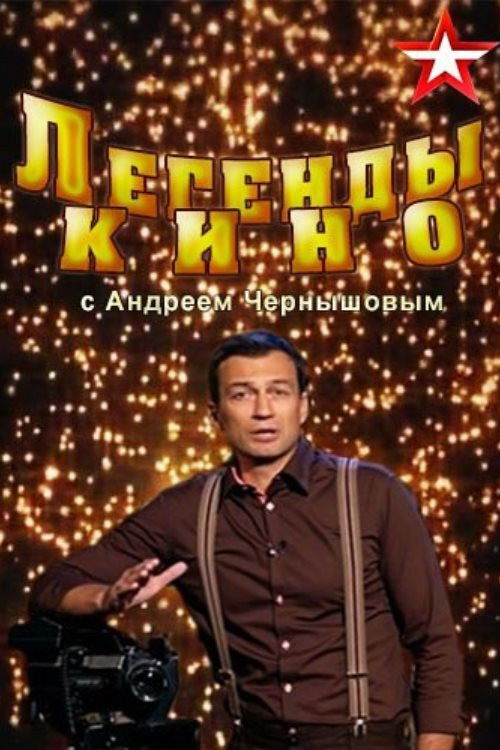
Legends of Cinema

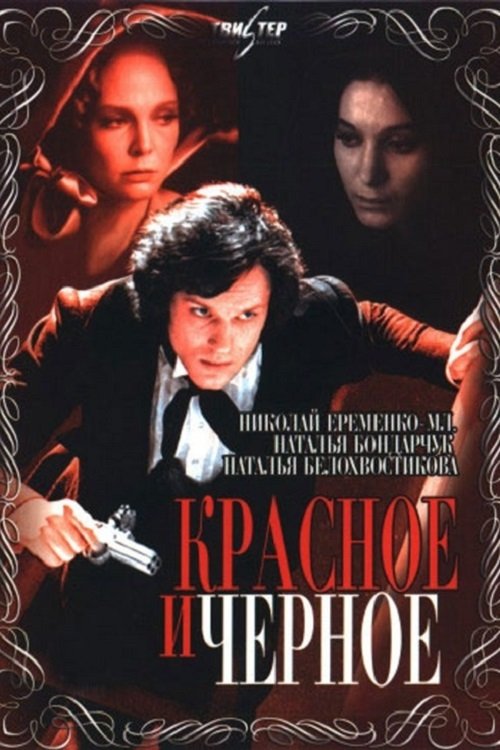
1820s. The son of a carpenter, Julien Sorel, idolizes Napoleon and dreams of glory. Thanks to his abilities and education, he finds himself among first the provincial and then the highest nobility, but life did not turn out the way he would like.
The Red and the Black

Soviet film based on Nikolai Gogol stories "Nevsky Prospekt" and "The Overcoat".
The Overcoat

Based on the novel of the same name by Mikhail Sholokhov, about the fate of people broken by the First World War, the October Revolution of 1917 and the Civil War in Russia (1917-1922), about the collapse of the foundations and ideals of the Don Cossacks of Russia at the beginning of the XX century, about the personal tragedy of the protagonist — Grigoriy Melekhov.
Quiet Flows the Don

In 1942, local teenagers are organizing the underground resistance in the city of Krasnodon during the Nazi occupation of Russia. The teens manage to outsmart the Nazis in their fight, and their activity lifts the spirits of the surviving citizens.
The Young Guard

The film consists of two parts: “Insomnia” and “Departure”. We shall meet Lev Tolstoy in the final years of his life at Yasnaya Polyana. We shall see him surrounded by his family, friends, acquaintances and absolute strangers who were coming to the great man and artist from all over the world. We shall hear “the voice of his thoughts”. In his sleepless nights, we shall follow his memory of the happy youthful years and the crucial, hard ones. We shall witness Tolstoy’s tragic departure from Yasnaya Polyana and his death at an obscure little station of Astapovo.
Lev Tolstoy

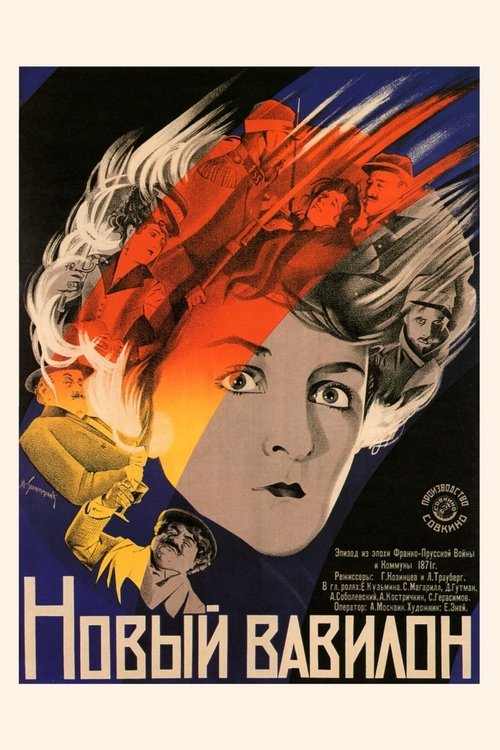
In the short-lived Commune of Paris, a conscripted soldier falls in love with a Communard saleswoman. As the army cracks down on the revolutionaries, the soldier is forced to fight against the Commune, and the pair's love is put to the test.
The New Babylon

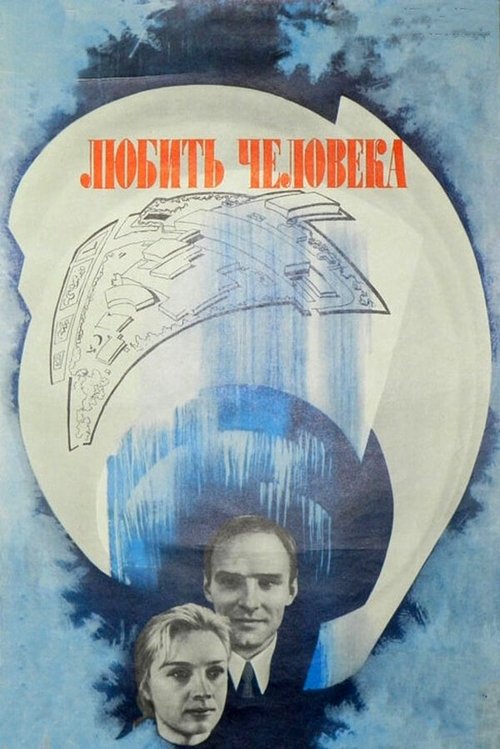
A film about young architects who are building a new city in Siberia (Norilsk), their anxieties, concerns, and victories. Story of subtle psychology of love and personal happiness experienced men and women, behind the shoulders of which the pain of the past
The Love of Mankind

A young teacher is sent to a remote province, separating her from her lover, and sets about the difficult task of building a school there.
Alone

The years of the tsar’s adolescence and youth were permeated with deadly danger coming from some of the Boyars, the rebellious Streltsy and Tsarevna Sophia who aspired for power. But already at that early time Peter demonstrates a profound, bright intellect, a strong will and the sense of purpose, which help him disarm both his open and secret enemies.
The Youth of Peter

A semi-documentary biography film about the life and work of Soviet film actor Pyotr Aleynikov. Includes newsreels from the 1930s, footage from films featuring Aleynikov and interviews with his closest friends and colleagues.
Pyotr Martynovich And The Years Of Great Life

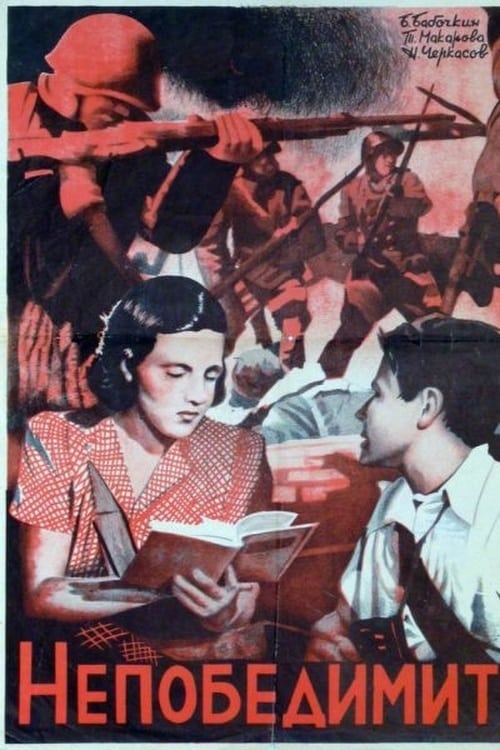
The autumn of 1941. Leningrad is besieged by the Nazis. A new model of tank is being developed at a large defense plant. Built in the shortest possible time combat vehicles are tested directly on battlefields, fighting with fascists in the outskirts of the city. The first feature film about the heroic everyday life of city defenders was shot directly in assembly shops of plants and in the streets of Leningrad when the city was fighting against the enemy
The Invincible

A young woman is going to the village to start working as doctor.
The Country Doctor

A successful young journalist goes to a small industrial city in order to understand the written complaints of a certain girl. When he met the author of the letters and the girl whom she had slandered, he didn't immediately understand the complexity of the situation and the measure of responsibility to those whom he was obliged to protect...
The Journalist

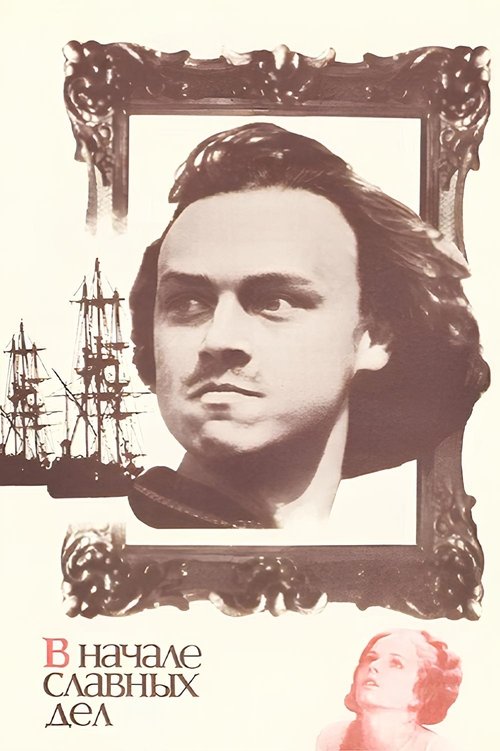
No description available.
At the Beginning of Glorious Days

March 9th, 1953. A gray, sad day. Clouds float low over the Kremlin towers. A city that unrecognizably grew, prettier and matured - this Moscow froze in solemn grief. The country escorts its father and leader, Joseph Stalin.
Velikoye proshchaniye

Typically of the heady days of early Soviet cinema, this is constructed according to the fast, sharp editing principles advocated by Eisenstein, complete with symbolic inserts; but in terms of subject matter, it's much less explicitly political than most movies emerging from Russia in the '20s. Chronicling a young sailor's descent into a murky, treacherous underworld of pimps and thieves, after having encountered a Louise Brooks lookalike at a fairground and missed his departing boat, it's a lively moral fable that delights in vivid visual effects and quirky characterisations. If the plot occasionally reveals gaping holes, and the tacked-on ending urging the clearance of the Leningrad slums seems to be rather gratuitous, there's enough going on to keep one attentive and amused.
The Devil's Wheel

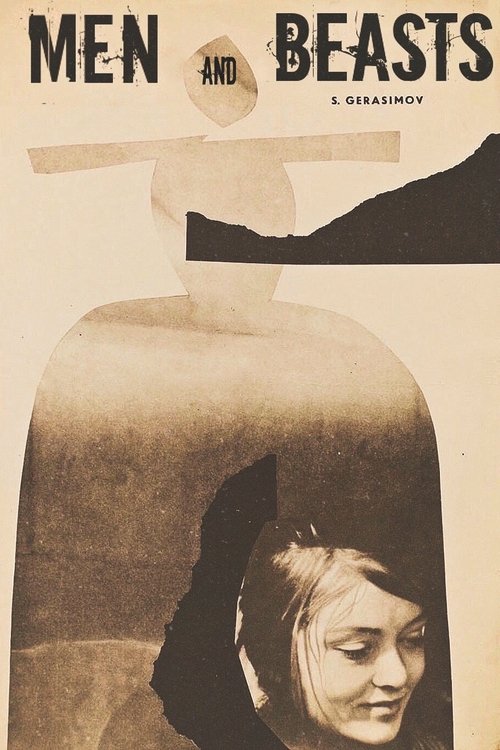
The plot is based on the dramatic fate of the Red Army commander Aleksei Ivanovich Pavlov. Having been captured in January 1942 and being among the displaced persons, he didn't immediately decide to return to the USSR. Having rolled around the foreign country for 17 years, Aleksei nevertheless returned to his homeland. He goes to his brother in the south of the country to Sevastopol. Aleksei accidentally meets the doctor Anna Andreyevna, who was saved from death in besieged Leningrad. She travels by car from Moscow and also to the south, with her daughter Tanya; she suggests he join them. Aleksei tells about his life on the road.
Men and Beasts

Historical psychological drama which chronicles the attempts of a provincial young man to rise socially beyond his modest upbringing through a combination of talent, hard work, deception, and hypocrisy - who ultimately allows his passions to betray him.
The Red and the Black

The story of VGIK teachers and students about the acting profession.