Émilie Busquant
Acting
Biographie
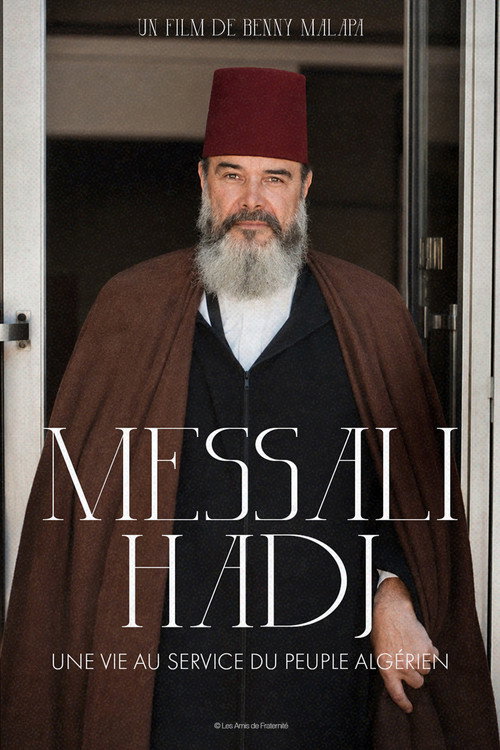
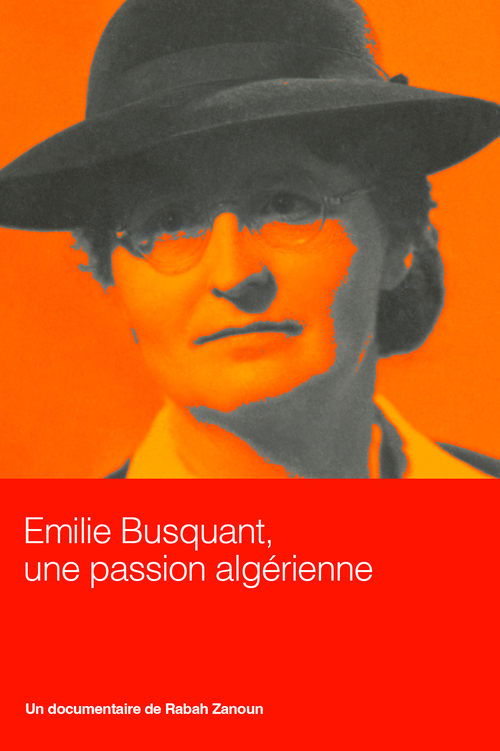
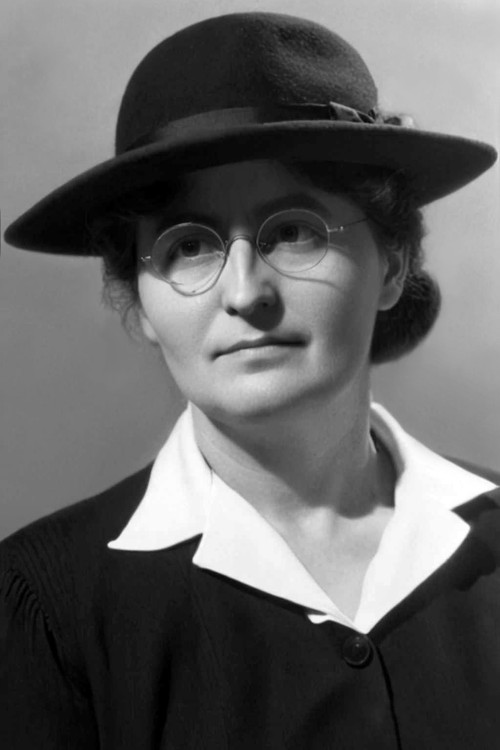
Émilie Busquant (en arabe : إميلي بوسكان), née le 3 mars 1901 à Neuves-Maisons en Lorraine et morte le 2 octobre 1953 à Alger, est une militante anarcho-syndicaliste, féministe et anticolonialiste franco-algérienne. Issue d’une famille ouvrière de neuf enfants, elle grandit dans un milieu marqué par les luttes sociales : son père, ouvrier sidérurgiste et syndicaliste, l’initie très tôt aux idées libertaires et à l’engagement politique. Après son départ pour Paris au début des années 1920, elle travaille dans un grand magasin où elle rencontre Messali Hadj, futur fondateur du nationalisme algérien moderne. Leur rencontre marque le début d’une relation amoureuse et militante profondément engagée. Émilie Busquant partage la vie de Messali Hadj sans mariage officiel durant plusieurs années, dans un contexte où les unions libres étaient fréquentes dans les milieux populaires. Le couple aura deux enfants, Ali et Djanina. Très investie dans le combat politique de son compagnon, elle participe activement à la structuration des premiers mouvements indépendantistes algériens, notamment l’Étoile nord-africaine puis le Parti du peuple algérien. Pendant les nombreuses arrestations et périodes d’exil de Messali Hadj, elle assure souvent le relais politique, rédige des courriers, organise des soutiens et prend publiquement la parole pour dénoncer le colonialisme français. Féministe convaincue, Émilie Busquant défend une vision universaliste de la liberté et de la justice sociale. Elle milite pour l’émancipation des peuples colonisés mais aussi pour les droits des travailleurs et des femmes. Son engagement dépasse les frontières nationales : elle voit dans la lutte algérienne un combat humain et social plus large. Elle est également connue pour avoir confectionné selon l'idée de son mari Messali Hadj, selon plusieurs historiens et témoignages familiaux, le premier drapeau algérien dans les années 1930, devenu plus tard l’emblème national de l’Algérie indépendante. Sa mort en 1953 provoque une vive émotion à Alger, où un important cortège accompagne son cercueil recouvert du drapeau algérien. Messali Hadj, alors surveillé par les autorités françaises, ne peut assister librement aux obsèques. Aujourd’hui, elle apparaît comme une figure singulière de la solidarité entre peuples, symbole d’un engagement politique fondé sur la justice, l’égalité et l’anticolonialisme.