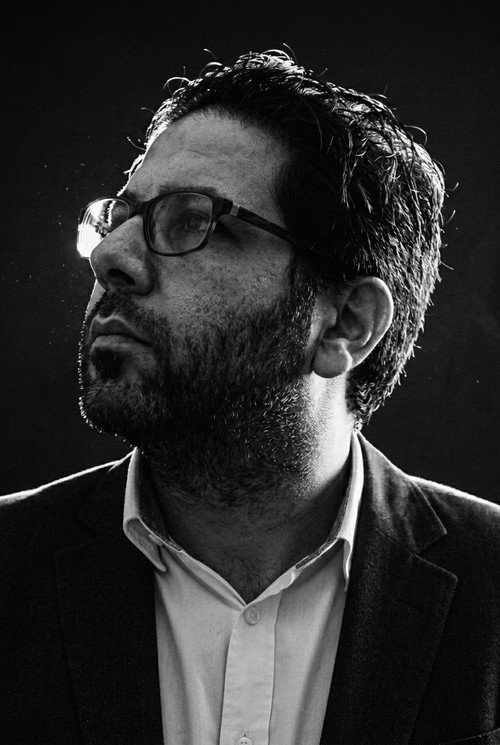
Zeki Yahya
Directing
Biography
Zeki Yahya is an independent director and Creative Director inspired by Andrei Tarkovsky and the Russian school of cinematography. His visual style is defined by somber lighting, muted tones, and 35mm film aesthetics. Yahya’s work explores the intersection of Friedrich Nietzsche’s philosophy and digital semiotics, focusing on the "Ontology of Truth". By integrating AI-assisted tools, he bridges deep philosophical inquiries with high-end cinematic execution. His filmography includes the award-nominated "The Illusion Industry" and the 2026 film "The Great City".
Known For
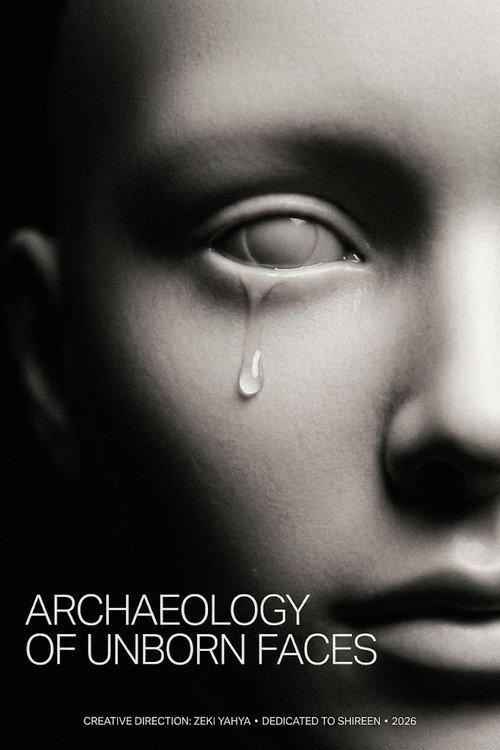
"Archaeology of Unborn Faces" is a silent cinematic excavation of the AI latent space. It stands before a digital purgatory, witnessing the agonizing struggle of algorithms trying to manifest into human form. In an epoch drowning in simulation, the film reveals that the machine creates nothing from the void, but rather recycles our abandoned memories, culminating in a terrifying emotional resonance.
ARCHAEOLOGY OF UNBORN FACES
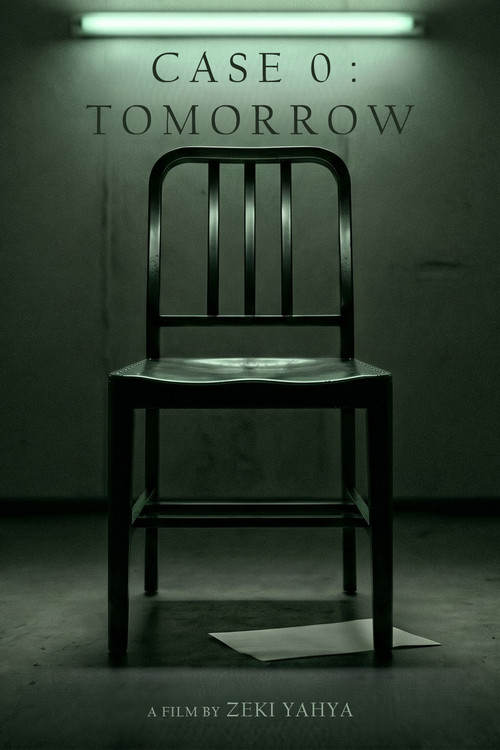
In an abandoned, timeless government archive, an unprecedented case is opened: the trial of "The Future" on charges of existential fraud against humanity through a perpetual, unfulfilled promise—only for investigators to discover that the accused might have never existed at all.
CASE 0 : TOMORROW
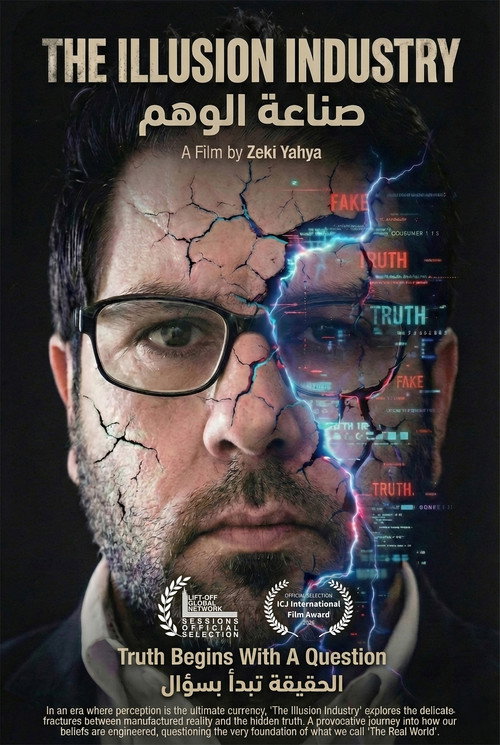
"In an era where information flows faster than air, the truth is being besieged. 'The Illusion Industry' is a documentary film that deconstructs the sophisticated tactics of fake news and psychological warfare. From the streets of Iraq to the global digital stage, the film analyzes the 'Illusion of Truth' effect and 'Confirmation Bias,' supported by data from MIT and Oxford. It is a visual manifesto that challenges the viewer to reclaim the courage to think."
The Illusion Industry
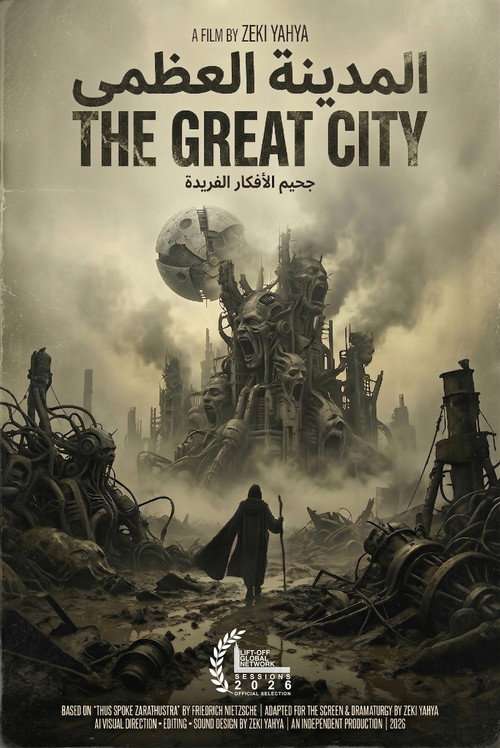
"Inspired by Friedrich Nietzsche's seminal work 'Thus Spoke Zarathustra', THE GREAT CITY is a profound cinematic inquiry into the ontology of truth within the digital ruins of the modern world. The film navigates the psychological landscape of the 'Last Man', exploring the encroaching desert of the soul and the 'blind point' of human consciousness. Through a minimalist and melancholic visual language, it challenges the viewer to confront the illusions of contemporary existence and the search for authentic meaning in an era of absolute spiritual void."