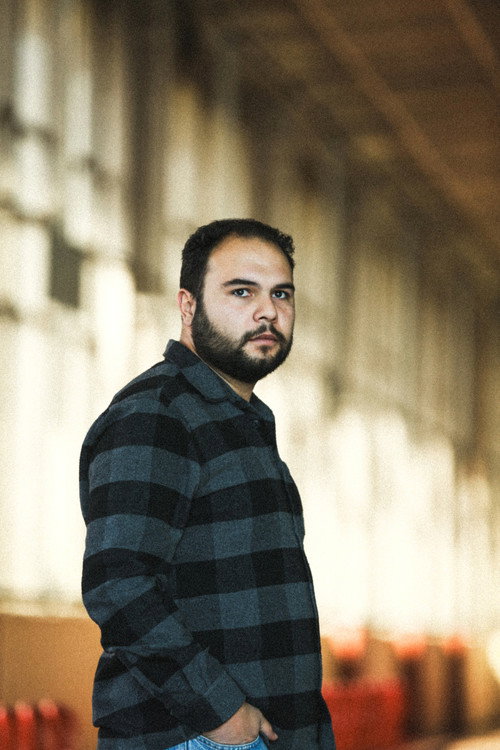
Arshak Khachaturian
Directing
Biography
Arshak Khachaturian is an Armenian film director with a diverse background in fiction, documentary, and commercial filmmaking. He studied at the Yerevan State Institute of Theatre and Cinematography, where he refined his cinematic language rooted in human emotion, realism, and visual storytelling. Arshak has directed over 50 commercials for both local and international clients, bringing cinematic quality and narrative clarity to the world of branded content. Alongside commercial work, he has developed a growing body of documentary films focusing on social themes, cultural identity, and personal stories from Armenia and beyond. His most recent short fiction film, Innocent, reflects his signature style poetic realism, minimal dialogue, and emotional honesty. His documentaries and narrative films have been recognized for their authenticity, depth, and powerful visual composition. Through all his work, Arshak Khachaturian continues to explore the intersection of personal truth and cinematic form, crafting stories that resonate with audiences across cultures.
Known For
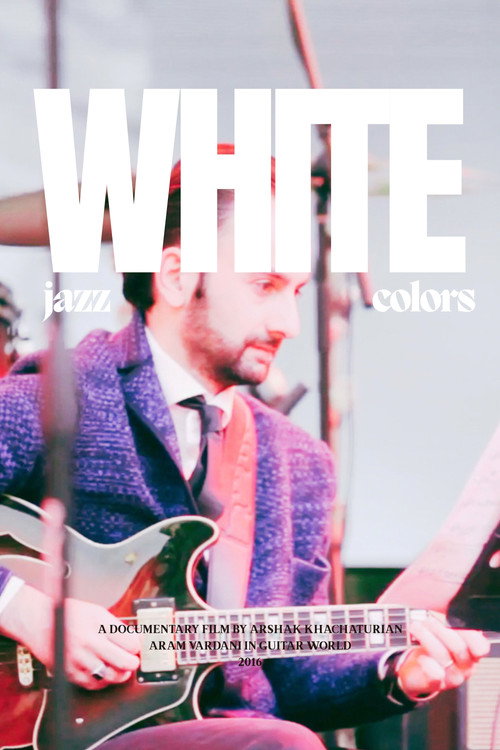
A documentary film about the creative life of Aram Vardani. His music becomes the language of the city, where sounds replace words and rhythms reflect the pulse of urban life. Through his work, the inner dynamics of the city unfold noise, silence, movement, and stillness. The film explores how music can transform words into colors, creating a unique emotional space where the personal and the urban merge into a single artistic flow.
White
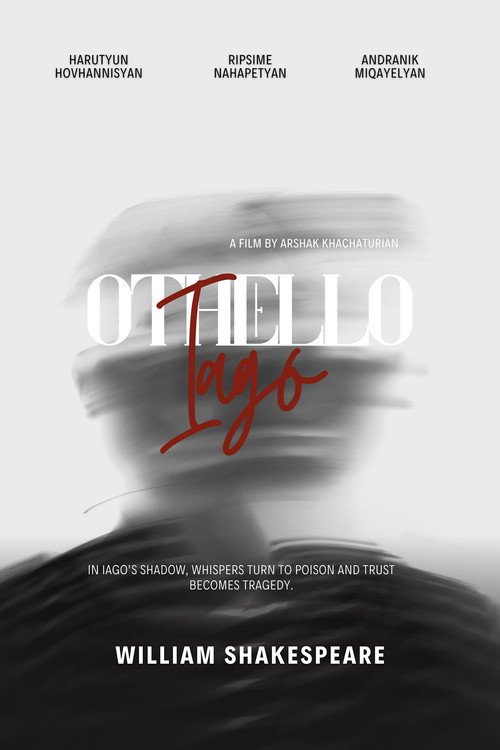
A short film reimagining Othello through the perspective of Iago not as a secondary villain, but as the hidden center of the tragedy. Humiliated and overlooked, he experiences rejection and an inner fracture that slowly transforms into cold, calculated revenge. Iago moves like a shadow, subtly guiding words, glances, and actions, dismantling the trust between Othello and Desdemona. The film is built around key highlights of his manipulation quiet interventions that lead to catastrophe. It is less a story about jealousy than about a wounded ego turned into a weapon, and a man who destroys a world while remaining unseen.
Iago
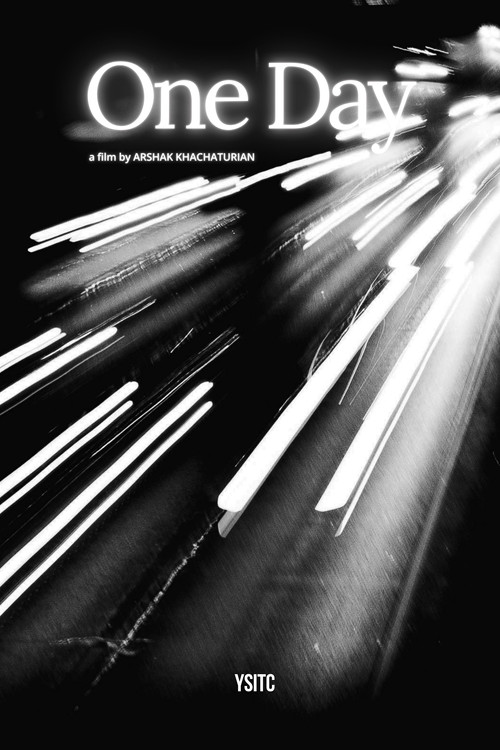
A single ordinary day in a big city. The heroine of the film is never fully revealed we see only her feet, her steps, the rhythm of her movement. Through this movement, we travel with her across the city, discovering fragments of her day. In the morning, she leaves her home and merges with the urban flow. She walks through the streets, passing dusty construction sites where the city’s constant transformation blends with everyday life. She goes to work, then stops at a small café, where the usual chaos continues. Traffic builds, people wait at bus stops, cars stand still, and the noise of construction fills the air. Within this environment, her steps move forward, becoming part of the city’s rhythm. By the end of the day, she meets her lover. Once again, we see only feet, small gestures, subtle movements. The film becomes a collage of urban moments a mixture of staged and documentary observation where the invisible presence of one woman connects the scattered pieces of the city’s life.
One Day

Echoes of Lamu tells the story of Alpha ODH, a painter from Nairobi, who travels to Ubunfiu Lamu art center to inspire local children through art. His goal is to help them “cut” through reality to imagine and build their own world through painting. Alpha becomes a guide and creative companion. While the children decorate symbolic Aknuloonk sculptures with local patterns and stories, Alpha paints his own AKNEYE sculpture, slowly shifting from urban imagery to the colorful spirit of Lamu. Scenes of the village, its people, and the children’s hopes reveal a place full of contrast daily life and dreams, city and island, past and future. Step by step, Alpha’s artwork becomes a mirror of the journey they’ve all shared.
Echoes of Lamu
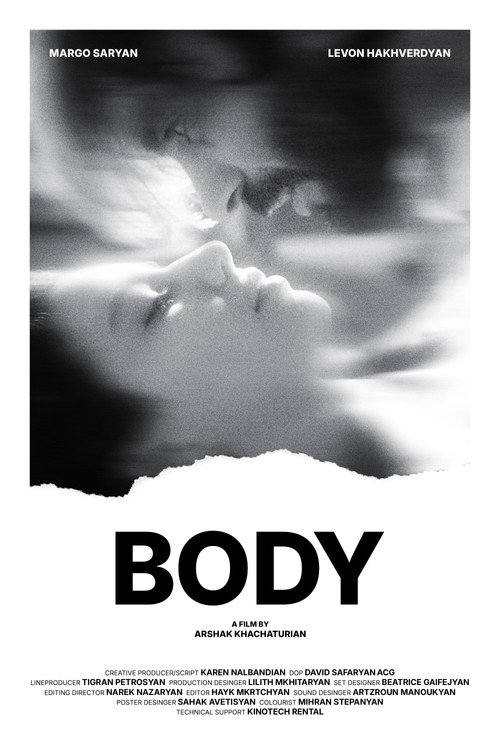
A young asexual woman attempts to reshape her body and her desires to conform to a man’s expectations. She enters a world where femininity is commodified and intimacy is measured through validation. Determined to “fix” herself, she forces a transformation that does not belong to her nature. But her body resists. As the distance between self and body grows, silence becomes confrontation. What begins as an act of change turns into an act of recognition and ultimately, liberation.
Body
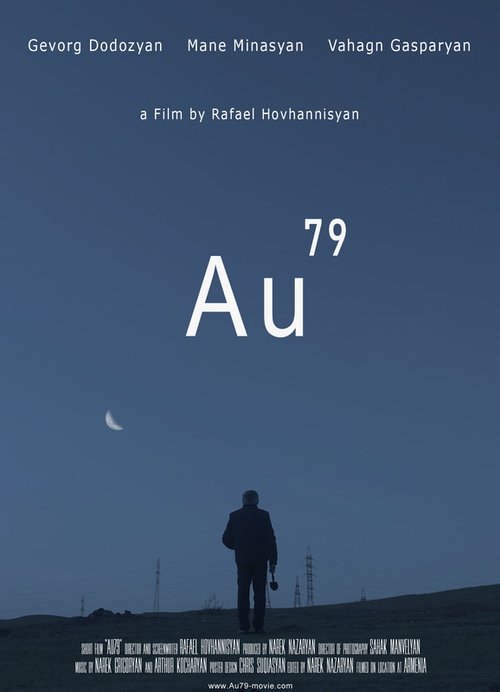
Valery, a retiree working as a night watchman in a newly built building, inherited gold from his grandfather. Valery has no idea that a horrible history in his family may likely repeat itself.
Au79
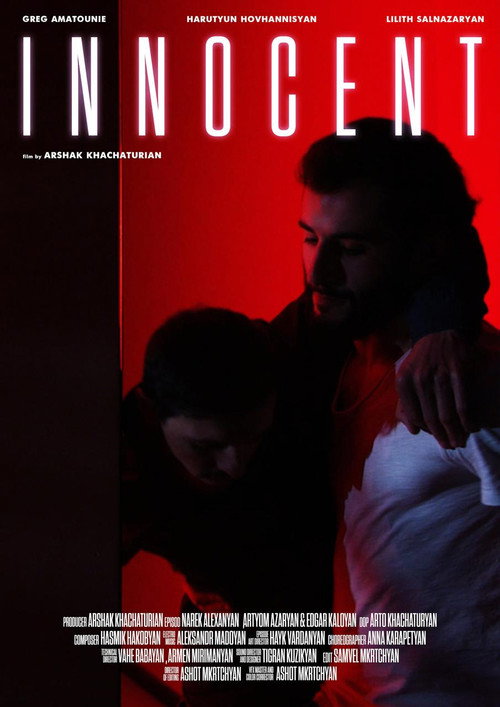
Robert, an aspiring actor, accidentally meets Alan, a French embassy worker. Obsessed with moving to France the land he believes will define his artistic future Robert has already been rejected seven times. Blaming others for his failures, he decides to manipulate the situation: with a friend’s help, he pretends to be gay to gain Alan’s trust and use him to get a visa. Though suspicious, Alan falls in love with Robert. Meanwhile, Robert joins dance classes for his act and meets Anna, with whom he genuinely falls in love. Caught in a web of lies, Robert juggles both relationships, gradually losing himself. Alan becomes the most emotionally hurt, as he is deeply deceived. In the end, Alan shows maturity and compassion he forgives Robert and lets him go. Anna, however, never learns the truth.