Directing
American Playhouse is an anthology television series periodically broadcast by Public Broadcasting Service in the United States.
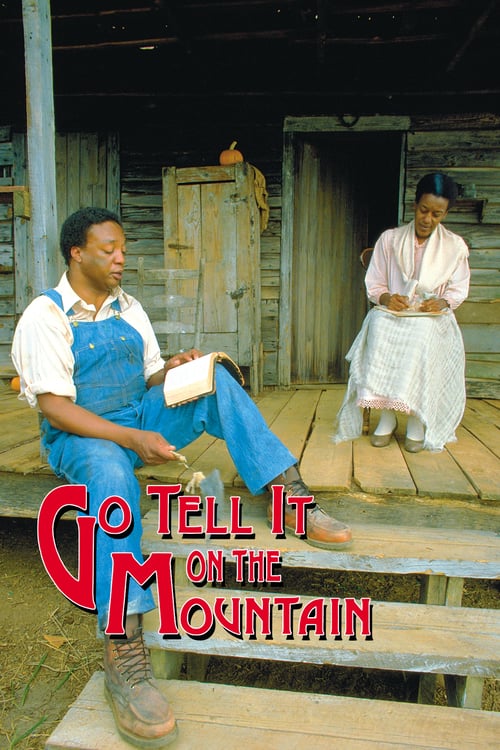
Over a single, pivotal Saturday in 1930s Harlem, 14-year-old John Grimes wrestles with his religious calling and his fraught relationship with his abusive, hypocritical stepfather, Gabriel. Extended flashbacks explore the oppressive Southern past and personal histories of John's mother, his aunt, and Gabriel, ultimately illuminating the generational trauma and complex family secrets that shape his life.
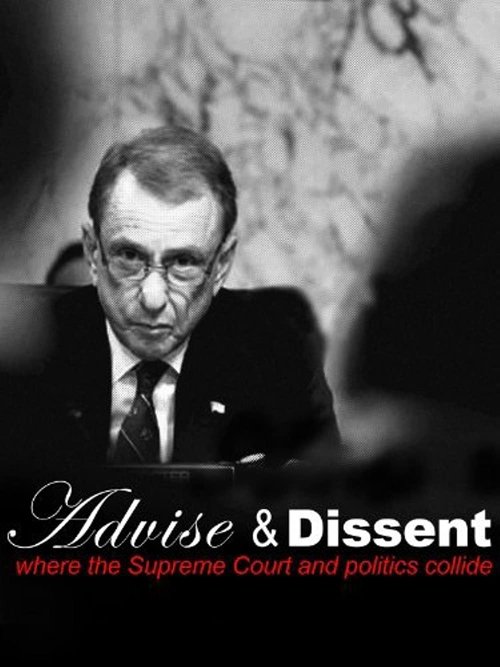
Behind the lines in the Supreme Court confirmation wars... where justice and politics collide.
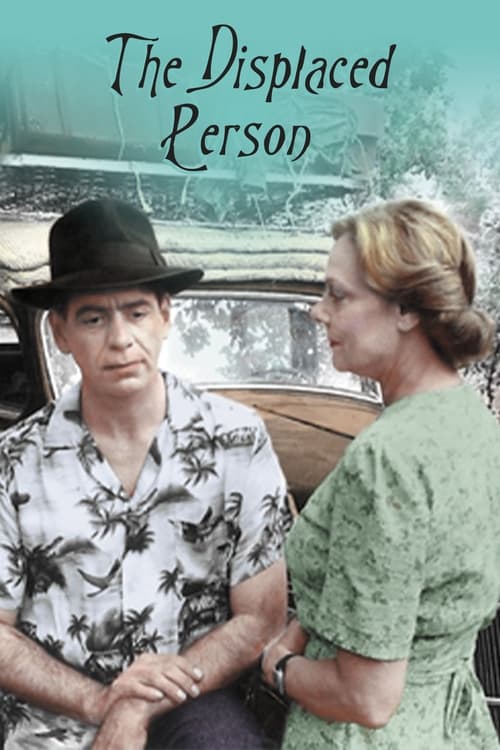
A conscientious but driven Polish refugee disrupts the hierarchy of power on a Georgia farm in the 1940s.
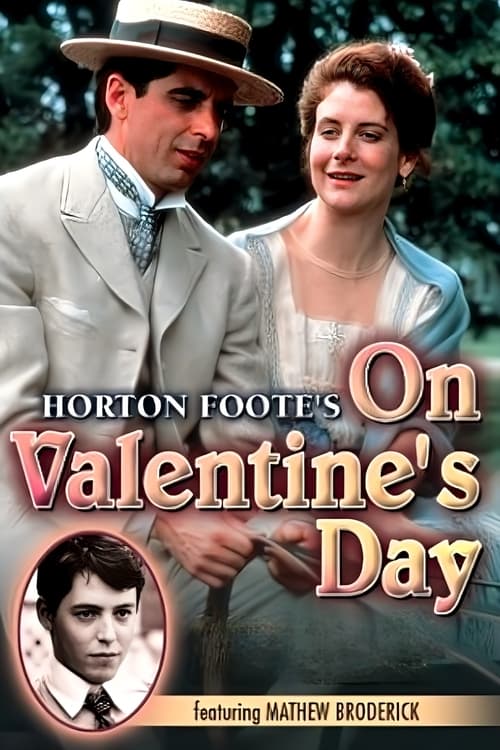
In 1917, Elizabeth defies her wealthy parents by running off and marrying Horace Robedaux, a young man of humble prospects. Her parents have not spoken to her since - even though the couple lives in a rooming house nearby, they are struggling financially, and she is pregnant.
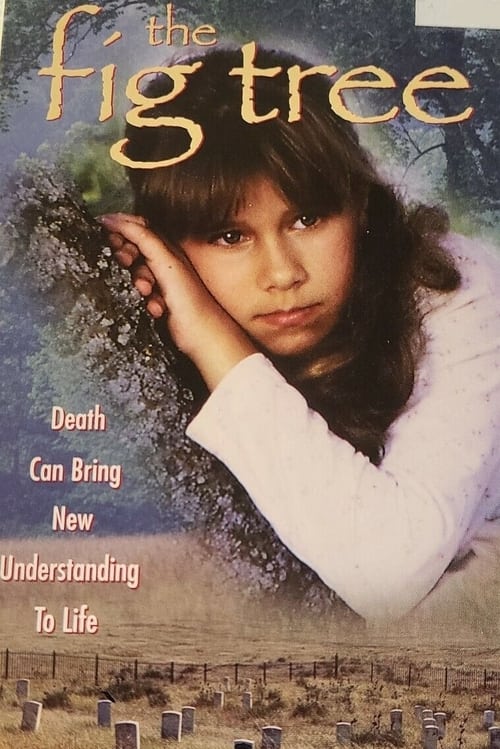
The plot centers around Miranda, a young girl who lost her mother at a very young age. She is troubled and withdrawn, pretend plays alone for hours and is obsessed with death. She creates elaborate little cemeteries using figs and sticks, burying dead insects or animals she comes across. Her family members relate stories and tales and slowly bring her out of her shell and help her cope better with life and death and all in between. A moving family piece that can help children deal with grief, life and death.
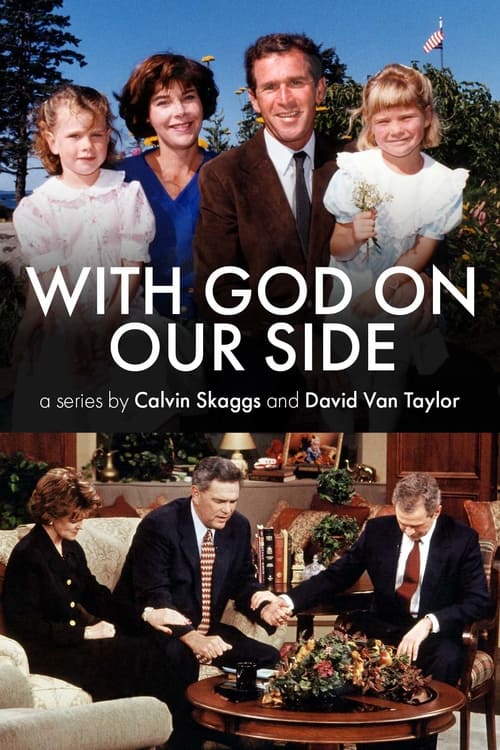
From the "Christian anti-Communism" of the '50s to the sophisticated politics of the Christian Coalition today, evangelical Christians have slowly but steadily re-shaped the context of mainstream American politics and culture. Using rare archival footage and candid interviews, "With God on Our Side: The Rise of the Religious Right in America" chronicles the conservative Christian political movement.
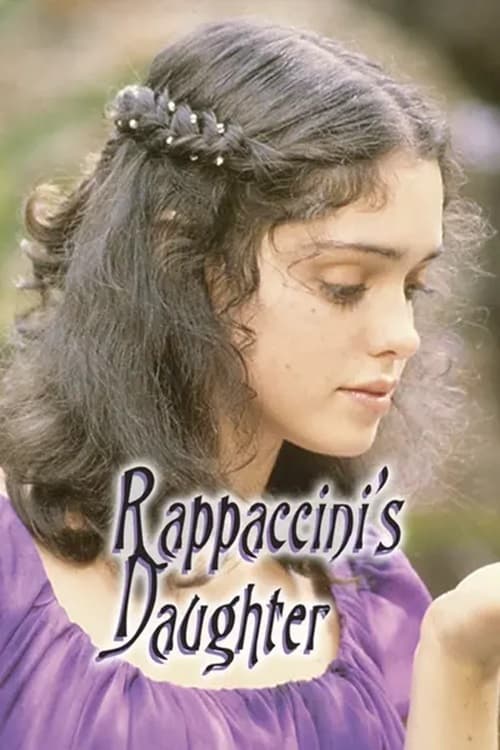
Set in 18th Century Italy, RAPPACCINI'S DAUGHTER is the tale of a young scholar named Giovanni (Kristoffer Tabori) who falls in love with a beautiful, yet forbidden, girl who tends her father's poison garden. However, the strange and unearthly beauty of Beatrice (Kathleen Beller) masks a terrifying curse which Giovanni must tragically discover. Her father, the mysterious Dr. Rappaccini, has made her the subject of a diabolical experiment. In Giovanni's attempt to free Beatrice from the control of her father and to escape the poisonous effect she begins to have on him, he unwittingly destroys her. From the short story of master American novelist Nathaniel Hawthorne, two quintessential Hawthorne themes are explored: the sins of interfering with another's soul and the futility of trying to tamper with nature.
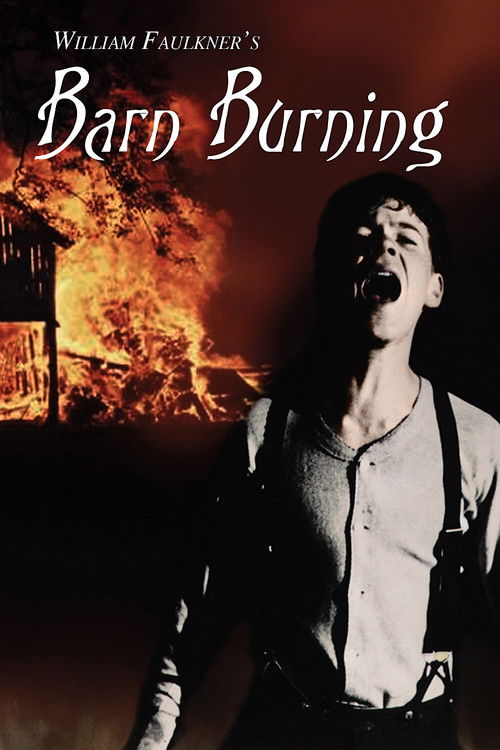
Ab Snopes (Tommy Lee Jones) is a Southern tenant farmer whose unrelenting and violent nature proves to be his undoing in William Faulkner's Barn Burning. Snopes sets his employer's barn on fire when he thinks he's been treated unfairly. His son, Sarty, is horrified. Snopes escapes justice for lack of proof, but he and his family are told to move on. No sooner do they move than Snopes is offended by his new rich employer. Torn between trying to win his father's acceptance and his aversion to what his father will do, Sarty must make a decision and act quickly. Adapted by Academy Award winning screenwriter Horton Foote, Faulkner's complex world of class divisions and hostile family relationships comes to life through a boy's attempt to liberate himself from hatred and poverty.
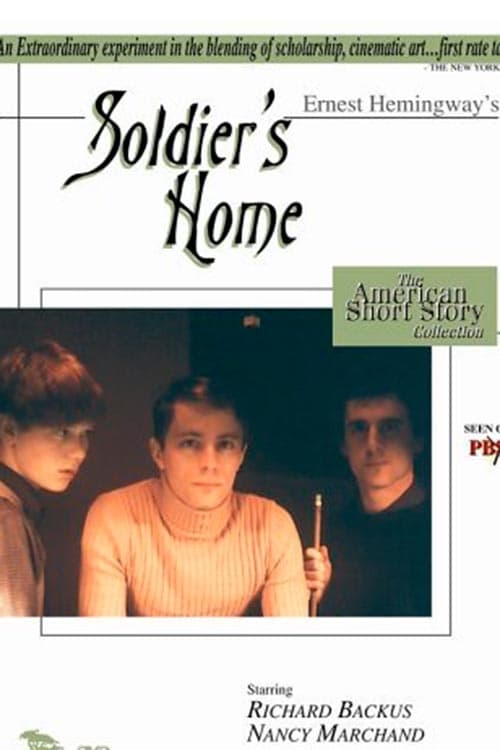
Harold Krebs went off to fight in World War I, "the war to end all wars." But when he comes home, Harold finds that he doesn't fit in any more. He needs peace and quiet to figure out what has happened to him and who he has become, but his mother pressures him to rejoin society.
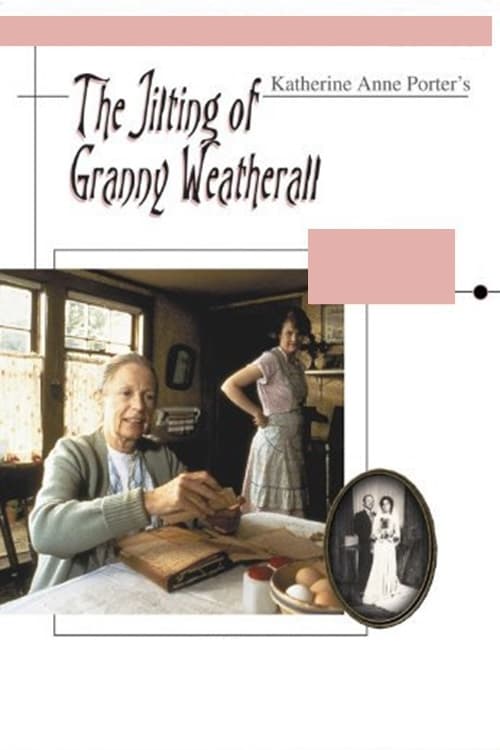
Granny Weatherall (Geraldine Fitzgerald) is a spunky old lady of eighty who bosses around her doctor and her children. She seems so strong and in control, and yet she has never had the upper hand in her destiny. One morning, a flood of long-forgotten memories bring her to the realization that of all her accomplishments, she cannot console herself for the shame-filled day she was left standing at the alter. Still, her indomitable will to live and act independently infuses the last day of her life. Adapted from the short story by acclaimed writer Katherine Anne Porter ("Ship of Fools"), The Jilting of Granny Weatherall reminds us of the plight of many women who wait for life to claim them, rather than seek life out for themselves.
A detailed history of documentary filmmaking in the US and the UK from 1929 to 1945. The first part, Working for Change, focuses on 1929-1941 and the social movements of the times, The Great Depression, The New Deal, and the awakening of the Leftwing in the UK. The second part, The Strategy of Truth, focuses on 1933-1946 and explores the role of film as propaganda during World War II, and the different forms it took in the US, the UK, and Germany.
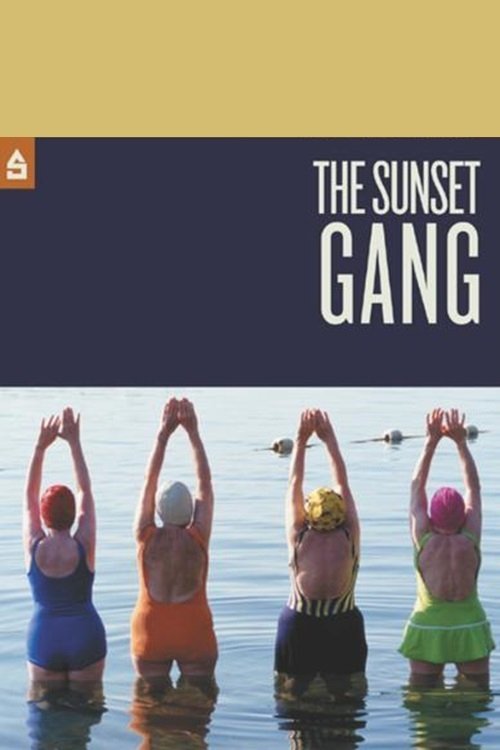
Three stories about the Jewish elderly in Florida: in "Yiddish," a man and a woman, both married to others, form a bond through their native language; in "The Detective," a married couple who have grown apart come together again as they pursue a thief in the neighborhood; and in "The Home," a woman struggles against her grown children, who want to place her in a nursing facility.
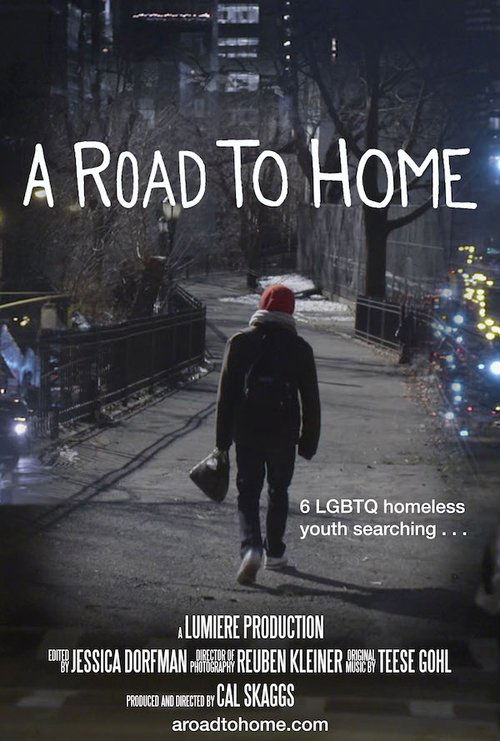
A Road to Home tracks the lives of six homeless LGBTQ young people over 18 months. Their lives typify the experience of the 500,000 homeless youth on American streets every night, 40% of them LGBTQ.
Bernice, a shy young woman, leaves her safe home to go visit her flapper cousin. When her cousin tries to teach Bernice how to be much more modern, Bernice gives her much more than she bargained for.
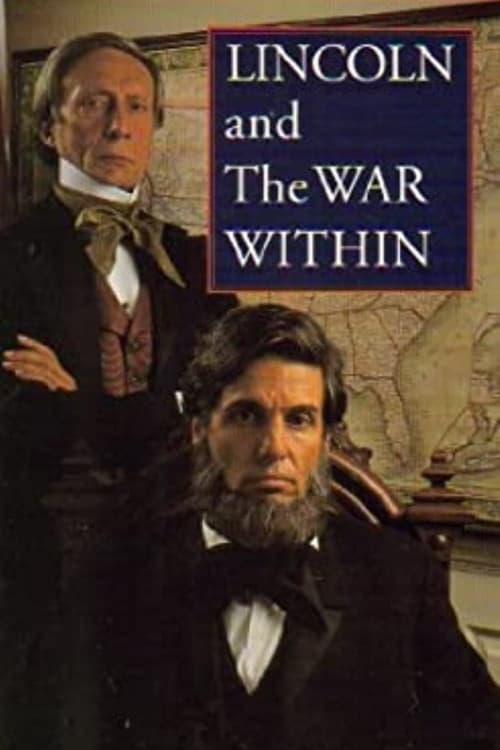
First few weeks of Lincoln's presidency where crucial for the direction the country would take. He had to bridge the gap between the victorious North and the jaded South and William H. Seward, his Secretary of State, played a crucial role.
With God on Our Side… is an excessive title about Christian church fundamentalism and how, like the Taliban, religious groups feel a God given right to institute a society of specific religious beliefs that not everyone shares.
If, as the saying goes, information is power, then journalists can be seen as watchdogs of our government leaders and custodians of the public good, providing truthful information to help citizens build or preserve democratic societies. DEMOCRACY ON DEADLINE is a comprehensive look at journalists worldwide, working in different media and various languages, as they attempt to speak truth to power.