FEEL IT.STREAM
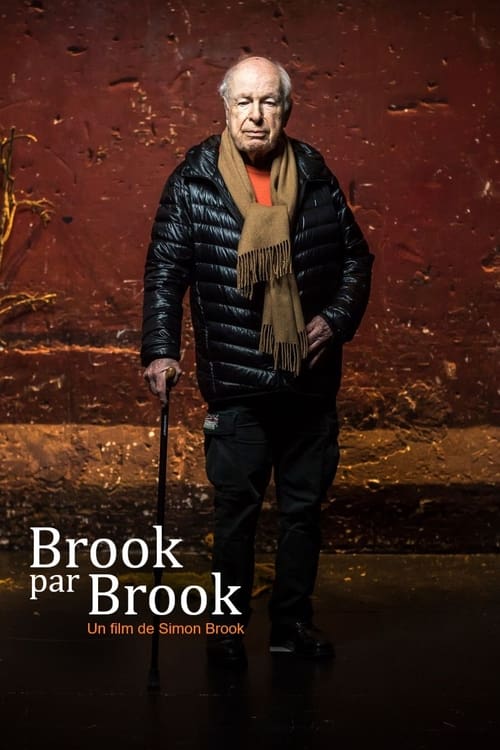
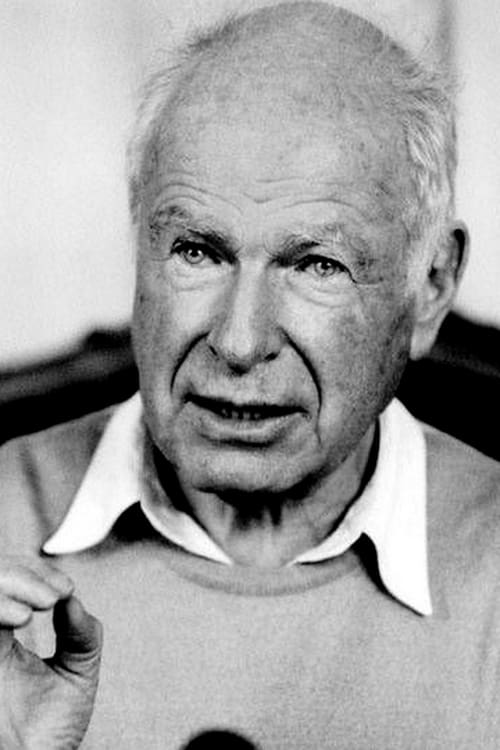
Peter Brook

Peter Brook

Directing

Biography

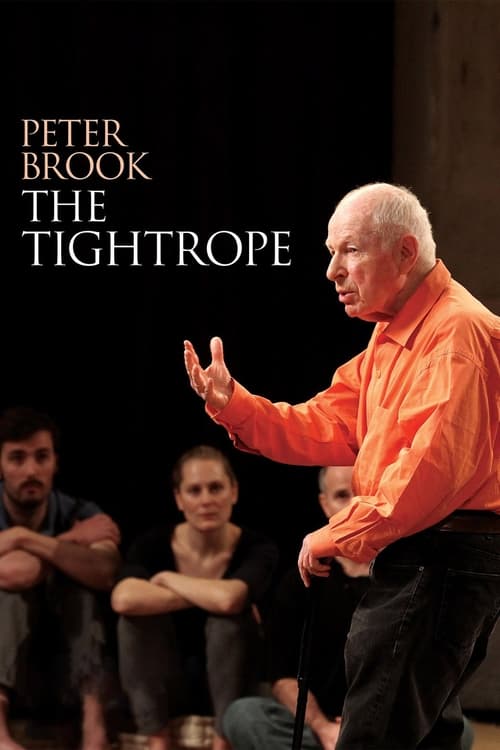
Peter Stephen Paul Brook CH CBE (March 21, 1925 – July 2, 2022) was an English theatre and film director. He worked first in England, from 1945 at the Birmingham Repertory Theatre, from 1947 at the Royal Opera House, and from 1962 for the Royal Shakespeare Company (RSC). With them, he directed the first English-language production in 1964 of Marat/Sade by Peter Weiss, which was transferred to Broadway in 1965 and won the Tony Award for Best Play, and Brook was named Best Director. He also directed films such as an iconic version of Lord of the Flies in 1963. He was based in France from the early 1970s, where he founded an international theatre company, playing in developing countries, in an approach of great simplicity. He was often referred to as "our greatest living theatre director". He won multiple Emmy Awards, a Laurence Olivier Award, the Japanese Praemium Imperiale, the Prix Italia and the Europe Theatre Prize. In 2021, he was awarded India's Padma Shri.
Known For

Spécial cinéma
9.5

Marcello Mastroianni, Isabelle Adjani, Alain Delon, Martin Scorsese, Woody Allen... the biggest stars in cinema were welcomed by Christian Defaye on his show Spécial cinéma. Between intimate confessions from actors and immersion in the world of the greatest filmmakers, Christian Defaye took viewers on a journey into the fascinating world of cinema for nearly thirty years.

Spécial cinéma

1974
Lord of the Flies
6.7

Following a plane crash a group of schoolboys find themselves on a deserted island. They appoint a leader and attempt to create an organized society for the sake of their survival. Democracy and order soon begin to crumble when a breakaway faction regresses to savagery with horrifying consequences.

Lord of the Flies

1963
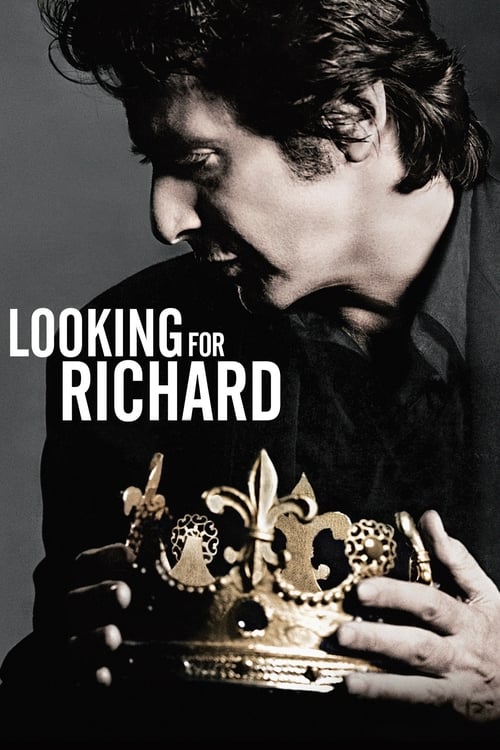
Looking for Richard
6.8

Al Pacino's deeply-felt rumination on Shakespeare's significance and relevance to the modern world through interviews and an in-depth analysis of "Richard III."

Looking for Richard

1996
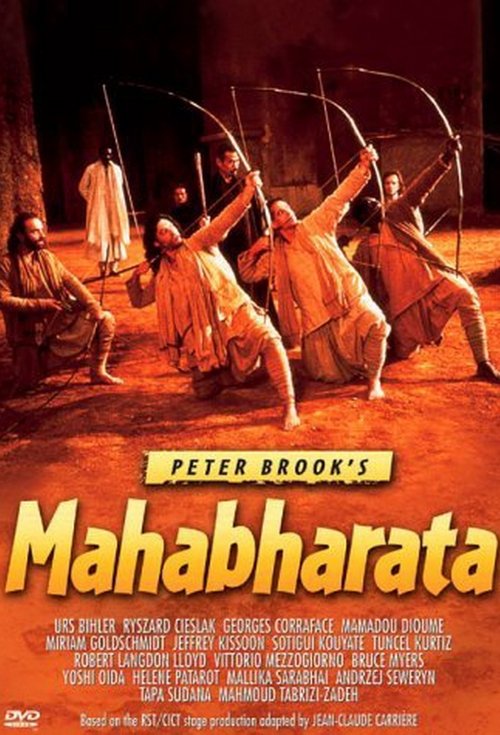
The Mahabharata
6.0

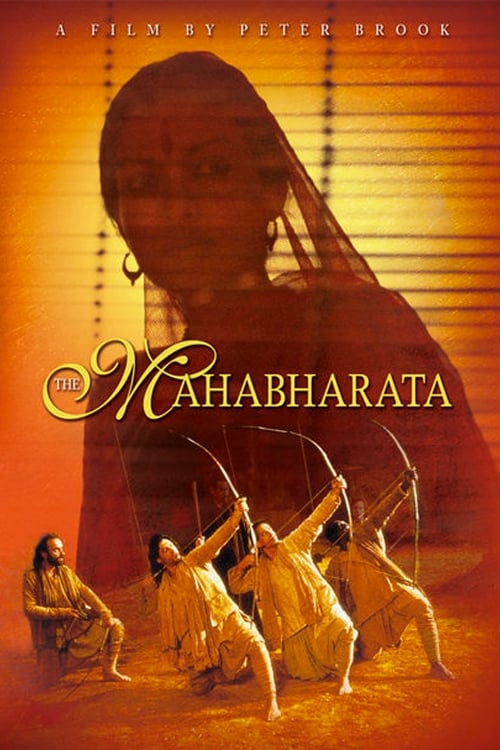
The Mahabharata is a 1989 film version of the Indian epic based on the history of India, Mahabharata directed by Peter Brook. Brook's original 1985 stage play was 9 hours long, and toured around the world for four years. In 1989, it was reduced to under 6 hours for television. Later it was also reduced to about 3 hours for theatrical and DVD release. The screenplay was the result of eight years' work by Peter Brook, Jean-Claude Carrière and Marie-Hélène Estienne. For the casting an international selection of actors was intentionally chosen, to show that the nature of the Indian epic is the story of all humanity.

The Mahabharata

1990
Swann in Love
5.6

In Belle Époque Paris, a 19th-century Parisian aristocrat falls in love with a lower-class prostitute who seduces him but never loves him.

Swann in Love

1984
Magician: The Astonishing Life and Work of Orson Welles
6.5

The extraordinary life of Orson Welles (1915-85), an enigma of Hollywood, an irreducible independent creator: a musical prodigy, an excellent painter, a master of theater and radio, a modern Shakespeare, a magician who was always searching for a new trick to surprise his audience, a romantic and legendary figure who lived only for cinema.

Magician: The Astonishing Life and Work of Orson Welles

2014
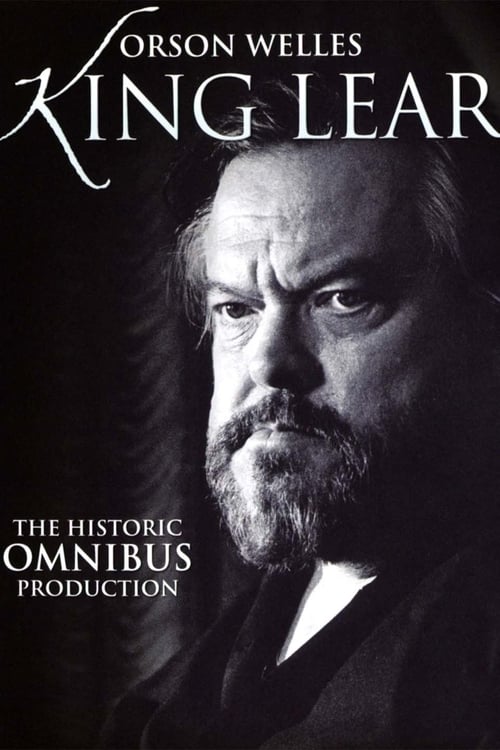
King Lear
6.5

King Lear is a proud man who solicits praise from his three daughters in return for inheritance of the kingdom. Daughters Goneril and Regan profess their affection vehemently. Cordelia, who does not respect the process her father has chosen, does not humor him. Lear's perceived rejection from Cordelia leads to her banishment, thus splitting the kingdom between the other two. This hasty decision becomes his fatal error.

King Lear

1970
Tell Me Lies
6.4

Adapted and directed by Peter Brook from the Royal Shakespeare Company’s ‘production-in-progress US’, this long-unseen agitprop drama-doc – shot in London in 1967 and released only briefly in the UK and New York at the height of the Vietnam War – remains both thought-provoking and disturbing. A theatrical and cinematic social comment on US intervention in Vietnam, Brook’s film also reveals a 1960s London where art, theatre and political protest actively collude and where a young Glenda Jackson and RSC icons such as Peggy Ashcroft and Paul Scofield feature prominently on the front line. Multi-layered scenarios staged by Brook combine with newsreel footage, demonstrations, satirical songs and skits to illustrate the intensity of anti-war opinion within London’s artistic and intellectual community.

Tell Me Lies

1968
Red, White, and Zero
5.0

Composed of three shorts – Ride of the Valkyrie, The White Bus, and Red and Blue – from three of Britain’s most-celebrated directors - Lindsay Anderson, Peter Brook, and Tony Richardson. Comic legend Zero Mostel stars as an opera singer (in full costume) navigating the London transport network as he attempts to reach Covent Garden in 'Ride of the Valkyrie'. Scripted by Shelagh Delaney, 'The White Bus' blends realism, drama, and poetry as a despondent young woman travels home to the North of England. And Vanessa Redgrave stars in Tony Richardson’s romantic reverie and musical featurette 'Red and Blue'. Produced in 1967, but ultimately shelved.

Red, White, and Zero

1968
The Roof
6.3

A brief comedy about a visit from a legendary theatre maker and his legion of fans.

The Roof

2016
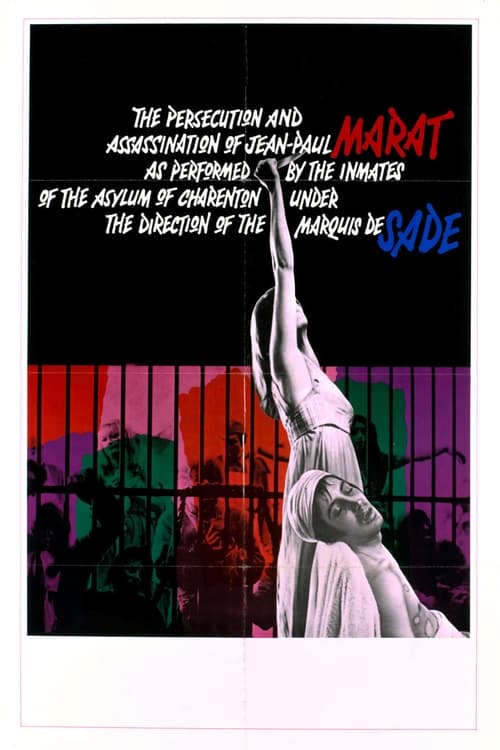
The Persecution and Assassination of Jean-Paul Marat as Performed by the Inmates of the Asylum of Charenton Under the Direction of the Marquis de Sade
6.1

In Charenton Asylum, the Marquis de Sade directs a play about Jean Paul Marat's death, using the patients as actors. Based on 'The Persecution and Assassination of Jean-Paul Marat as Performed by the Inmates of the Asylum of Charenton Under the Direction of the Marquis de Sade', a 1963 play by Peter Weiss.

The Persecution and Assassination of Jean-Paul Marat as Performed by the Inmates of the Asylum of Charenton Under the Direction of the Marquis de Sade

1967
The Mahabharata
7.1

One of the great masterpieces of world literature comes to vivid life in an elaborate production from acclaimed theater and film innovator Peter Brook. This collection of ancient Sanskrit stories (composed into the longest book ever written) comprises a series of enlightened fables at the heart of countless beliefs, legends, and teachings; indeed, its very title means "the great story of mankind." Brook and writer Jean-Claude Carriere worked for eight years to develop this epic concerning two sides of a royal family, the Pandavas and the Kauravas, whose struggle leads to a fascinating voyage of emotions, passion and vision of glory. Briefly, the Mahabharata is a tale of two rival sets of brothers, cousins to eachother, each born into royalty and with divinely guided paths in life. The result, however, is a great war, death, destruction - a vast epic.

The Mahabharata

1990
Seven Days… Seven Nights
6.2

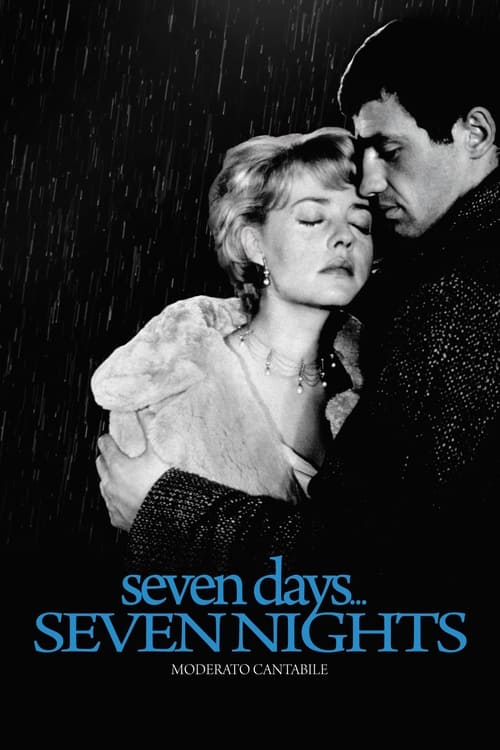
Anne Desbarèdes is a young woman who is married to a wealthy businessman and lives a monotonous existence in the small commune town of Blaye. After indirectly witnessing a murder in a café, she returns to the scene of the crime the next day and meets Chauvin, who informs her in more detail about the events that took place. Mentally unbalanced, Anne begins to believe that Chauvin intends to kill her.

Seven Days… Seven Nights

1960
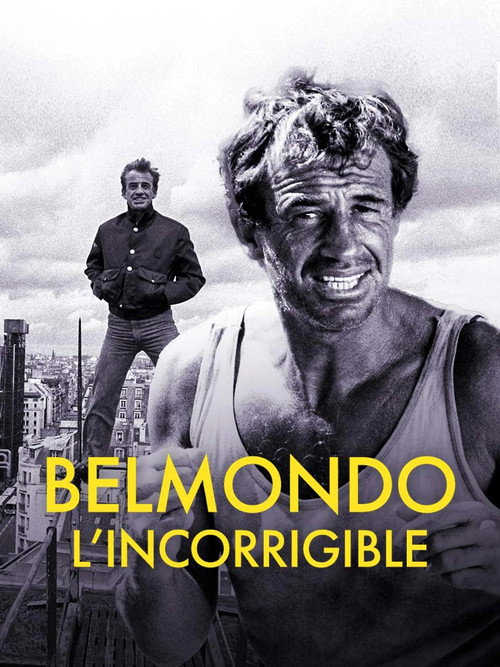
Belmondo: The Incorrigible
8.2

Charismatic and resourceful, seducer and daredevil, Jean-Paul Belmondo has always played his roles as he lived, at a thousand miles an hour. He had only one passion: to entertain the public with his smile, his naturalness, his energy, his stunts. But contrary to appearances, his destiny was full of pitfalls. This film lifts the veil on a founding childhood that allowed him to overcome many obstacles throughout his life thanks to the tutelary figures of his father and mother. Told from the inside with the help of his autobiography, interviews and unpublished archives, this epic story traces the career of this turbulent young actor who launched the New Wave in Breathless before becoming the popular Bebel, an indestructible and provocative vigilante. From film to film, this documentary paints an intimate portrait of a man who built himself up to reach the top: his triumphs but also his trials, his doubts, his secrets, his angers, his clowning, his disappointments or his personal dramas.

Belmondo: The Incorrigible

2022
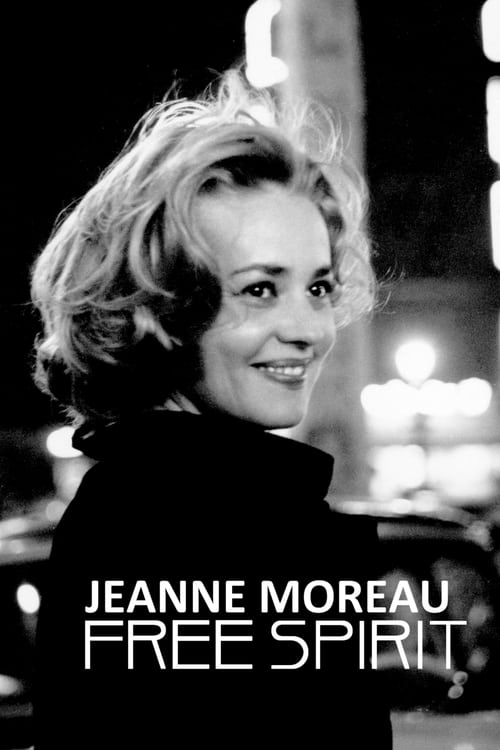
Jeanne Moreau: Free Spirit
7.0

An account of the life of actress Jeanne Moreau (1928-2017), a true icon of the New Wave and one of the most idolized French movie stars.

Jeanne Moreau: Free Spirit

2018
Meetings with Remarkable Men
6.7

The story of G.I. Gurdjieff an Asian mystic who after a lifetimes study developed a form of meditation incorporating modern dance.

Meetings with Remarkable Men

1979
BAM150
N/A

A captivating history of the nation's oldest performing arts center - which largely mirrors the evolution of experimental and progressive performing arts in 20th century America - BAM150 chronicles the vibrant past, present and future of the Brooklyn Academy of Music. Through footage of recent performances, intimate interviews, and an astonishing treasure trove of 150 years' worth of archival materials, BAM150 is a testament to the power and stamina of the institution that established Brooklyn as a cultural mecca-serving as a home to such greats as Enrico Caruso, Sarah Bernhardt, Edwin Booth, Merce Cunningham, Robert Wilson, Mark Morris, Laurie Anderson, and Pina Bausch.

BAM150

2012
King Lear
8.0

In this abridged television production, Lear vows revenge against his conniving daughters after they try to take swift control of his power.

King Lear

1953
The Benefit of the Doubt
6.5

A documentary following US, Peter Brook's experimental play about the moral issues surrounding the Vietnam War, Benefit of the Doubt is the only known film record of the Royal Shakespeare Company production. It was filmed by Peter Whitehead concurrently with his Tonite Let's All Make Love in London (1967), on the surface a very different film, yet both share a central concern with the war, protest and Britain's political and cultural relationship with America.

The Benefit of the Doubt

1967
Ride of the Valkyrie
6.3

An opera singer, dressed in full costume and dress, must navigate through the busy city streets to get to the theater in time for his performance. Filmed for the shelved portmanteau film 'Red, White and Zero' in 1967.

Ride of the Valkyrie

1977