Acting
Programme maker Frans Bromet visits eight public libraries with camera and microphone and speaks to visitors, staff, and volunteers. The idea that libraries are boring institutions where you only go to borrow books and CDs turns out to be completely outdated. Everyone is welcome in the library, it is a pleasant place to spend time, and not unimportantly: the library is the only public place that is accessible for free all day long. From the homeless person to the millionaire and from the student to the pensioner: the library is a place where the whole of the Netherlands comes together.
Frans Bromet follows Anna-Titia (42). She has rheumatism, arthritis and a hereditary condition that makes her tired quickly and walk poorly.
Currently, purchasing cannabis is done through 'the back door'. What is sold legally is purchased illegally. The end of 2019 marked the start of a four-year experiment in which cannabis grown under state supervision is legally traded. This should lead to less crime and better quality weed with fewer harmful substances. After a strict selection procedure, ten growers are selected who can supply this government weed. Bromet follows seasoned grower John - who wanted to run his nursery as legally and transparently as possible, but still lost everything after a lawsuit - and the businessmen of plan C who want to grow cannabis for the first time. Bromet also interviews coffee shop owners, politicians involved and both supporters and opponents. A follow-up documentary was made in 2024.
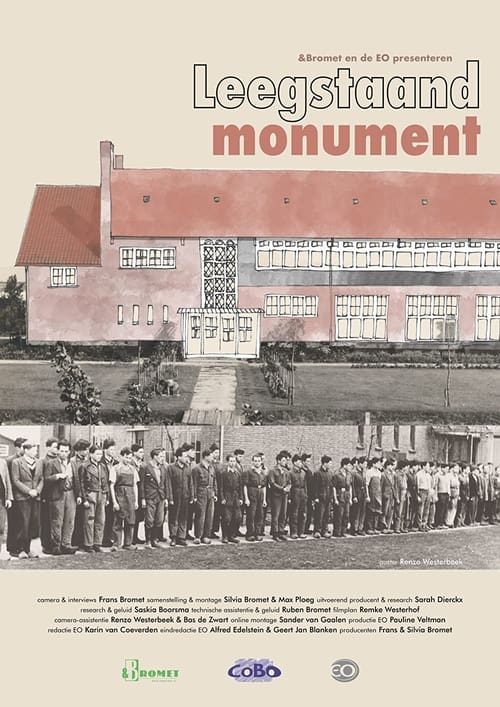
Documentary about the monument Joods Werkdorp.
The young, entrepreneurial brothers Edial and Floris Dekker dream of owning their own internet company and leave for Berlin after their studies to make their dream a reality. 'Startup city' Berlin is a gathering place for ambitious young people and a breeding ground for countless internet startup companies. The brothers launch the website Gidsy, where organizers of small-scale local activities can connect with potential participants. Whether you want a tour of Amsterdam's Red Light District, to search for oysters in the Oosterschelde, or do life drawing in Berlin, you will find it on Gidsy. Edial and Floris soon manage to interest a few investors, including the famous actor Ashton Kutcher, to invest $1.2 million in their fledgling company.
The first cigarette. It begins so innocently, recklessly, and carefree. Like puppy love whose consequences you cannot yet foresee. For budding love grows into an addiction with all the consequences that entails, which unfortunately often also heralds the beginning of the end. Burning Desire is a kaleidoscopic and intimate narrative in which smokers speak about their great love, the cigarette. And what smoking brought them, but above all, what it has taken away. They are living on borrowed time. The love has proven irreversible.
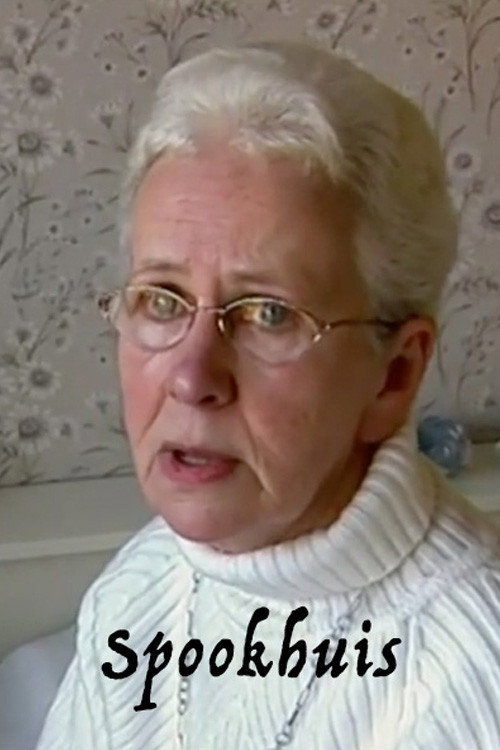
Lidy sees terrifying apparitions in her cottage. She hears strange noises in the attic and sees chains moving. She has also already been dragged down the attic stairs by someone. Frans Bromet and energy house cleanser Lise come to her aid.
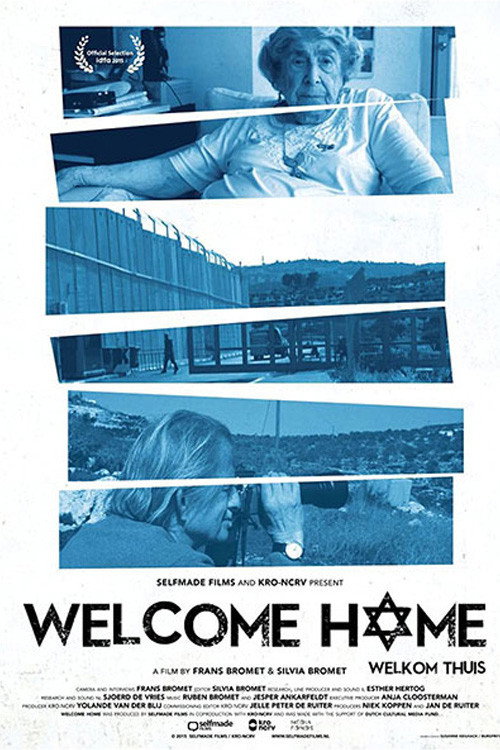
Frans Bromet delves into a mysterious feud that has divided his family for decades. Its origins lie in a conflict that arose on the Jewish side of the family after the Second World War.
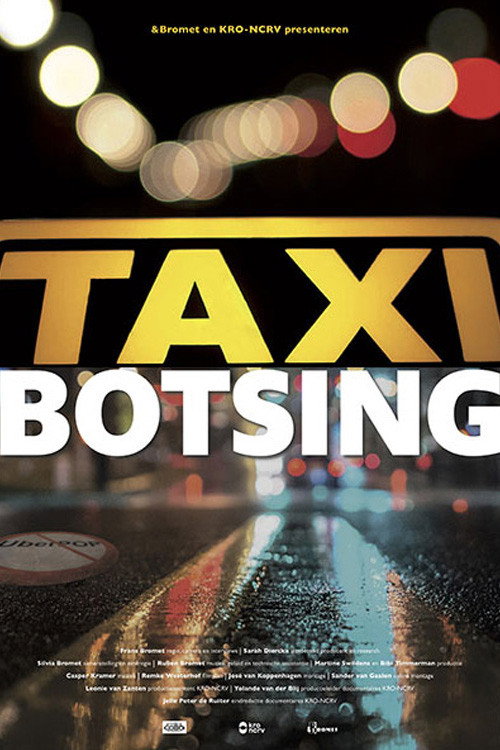
The arrival of the taxi app Uber is causing anger among existing taxi drivers. If the police do not intervene, they take matters into their own hands. In Taxibotsing, Frans Bromet follows the battle waged by the established taxi world against Uber, a small online program that aims to eventually dominate the Dutch transport market. The battle is being fought on various levels. While the courts must determine whether the UberPop service is illegal (because drivers lack a license or do not pay taxes), the newcomer is an unpleasant reality for established taxi drivers. Livelihood theft, as well as resentment over colleagues going to work for the despised enemy, is turning the atmosphere on the streets grim.
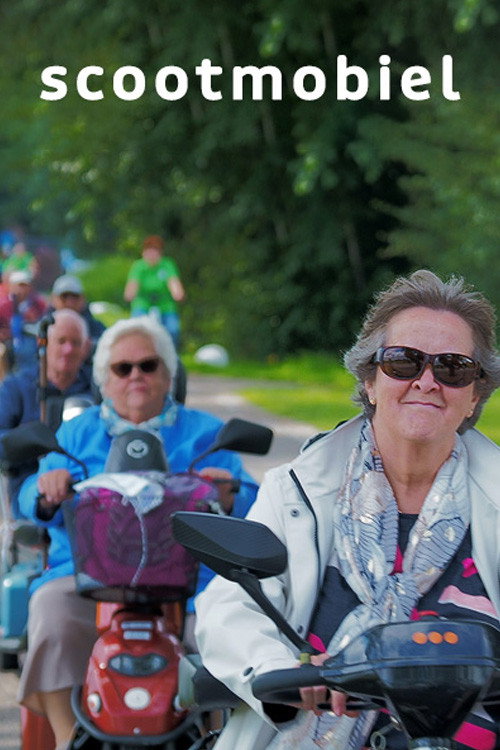
Frans Bromet follows scoot drivers of different ages about their lives. He talks to them about what has changed since they got a mobility scooter, about how their living space has increased, about the limitations of the vehicle and about what is and is no longer possible in private.
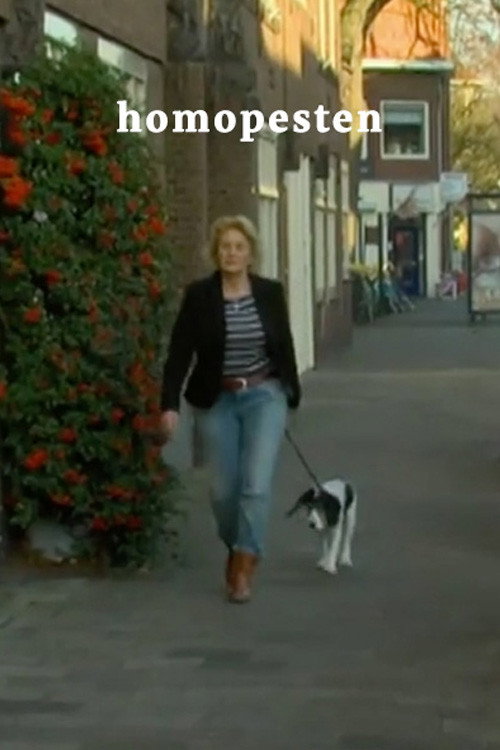
In 'Homopesten', Frans Bromet paints a shocking picture of homophobia in the Netherlands. Helen is a lesbian and is bullied by her neighbors. They urinate in her garden, vandalize the walls, and throw feces at the windows.
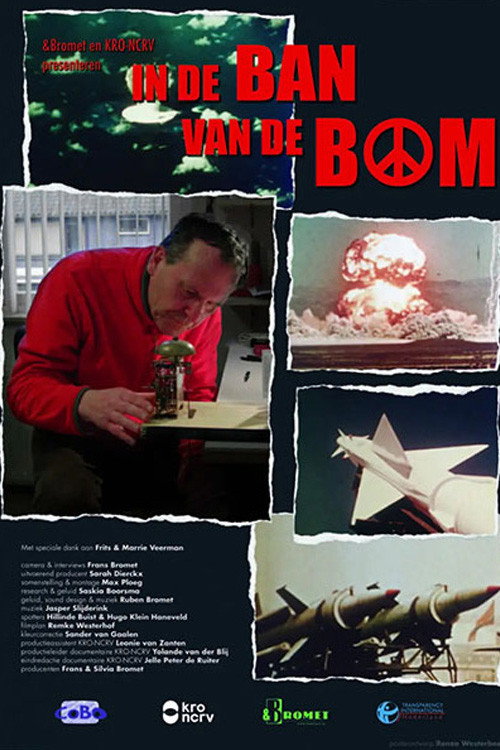
Documentary about whistleblower Frits Veerman, who in the 1970s exposed the nuclear espionage at Urenco in which his Pakistani colleague Abdul Khan smuggled nuclear data out of the country. He was fired and fought for 40 years for rehabilitation. Frans Bromet examines the moral compass of the headstrong whistleblower in the politically shadowy and high-profile espionage scandal. Bromet wants to understand what underlies years of backroom politics, an intelligence agency that refuses to grant access to the file, and international interests that apparently prevail over the protection of an observant citizen by his government. The fact that the Dutch State takes no responsibility in this matter weighs heavily, literally and figuratively, on Veerman. The threat of a nuclear bomb remains real. Will a potential rehabilitation offer the satisfaction he has been waiting for forty years?
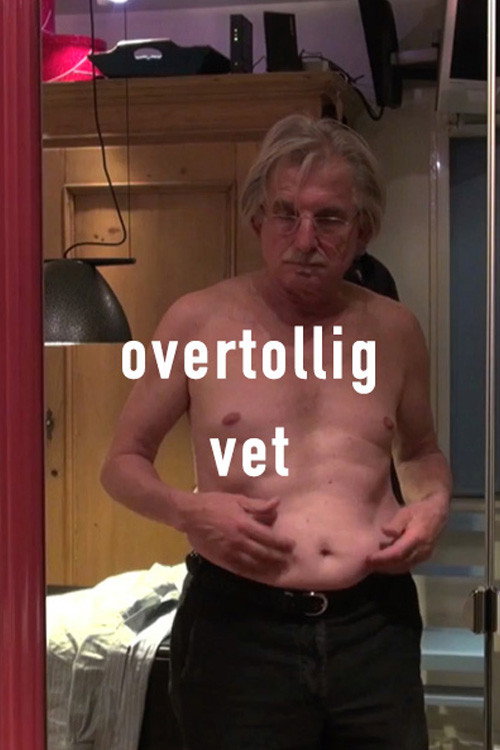
Frans Bromet, like 3.5 million Dutch people, is trying to lose excess weight. On his daughter's advice, he visits a gym in Purmerend. There he meets the likeable but tough fitness instructor Daniëlle de Boer, who is eager to help him. She tackles her clients in a militant manner. Bromet has his doubts.
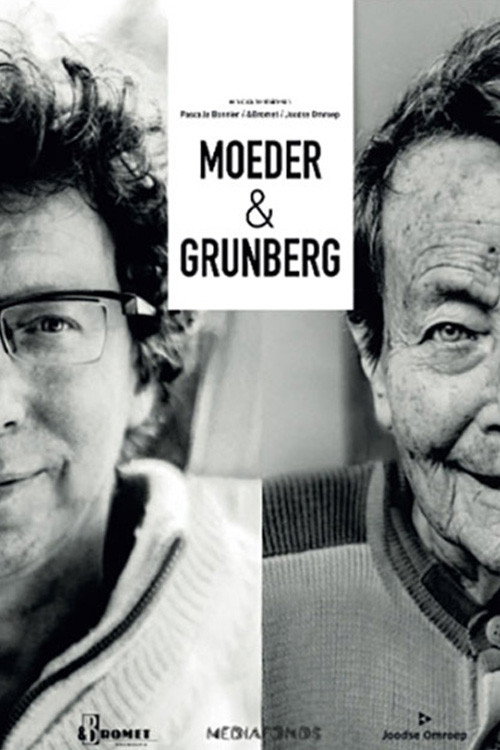
Arnon Grunberg leaves his parental home in Amsterdam South when he is eighteen. He wants to become an actor and escape his childhood nest, his dominant mother, and his taciturn father. By now, he is 44 and returns to his parents. Arnon Grunberg leaves New York for the Netherlands to write a book about his mother, Hannelore Klein. During conversations about the war years, the tension between mother and son becomes palpable, as does the unconditional love they feel for each other. The conversations are interspersed with intimate scenes, revealing the world the writer has always carefully shielded from his public life.
Frans Bromet seeks out representatives of various right-wing movements, opinion leaders, and parties. He wants to know what their vision of the future Netherlands looks like. What do they stand for, rather than what are they against?
Documentary series by Frans Bromet about the relationship between man and his best friend: the dog.
Mortgage advisor Remco Trommel has found the Holy Grail: if you give terminally ill patients an advance on their life insurance, which is only paid out after their death, clients can realize their dream before they die.
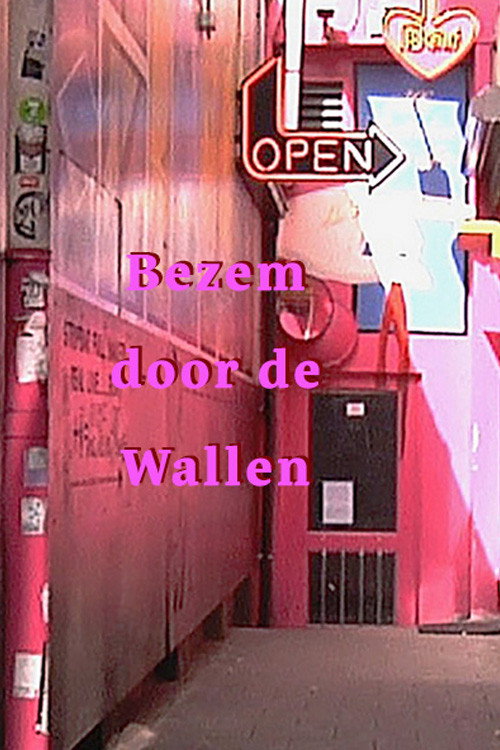
De Bezem door de Wallen is a triptych about the municipality's approach to tackling crime and decay in Amsterdam's Red Light District. The plan is to close a large number of prostitution windows and coffeeshops in the city center via Project 1012 and to consolidate the remaining ones. In the words of the municipality, these sectors are criminogenic, or susceptible to crime. Documentary filmmaker Frans Bromet follows window operators, prostitutes, and owners of coffeeshops, gambling halls, and sex theaters.
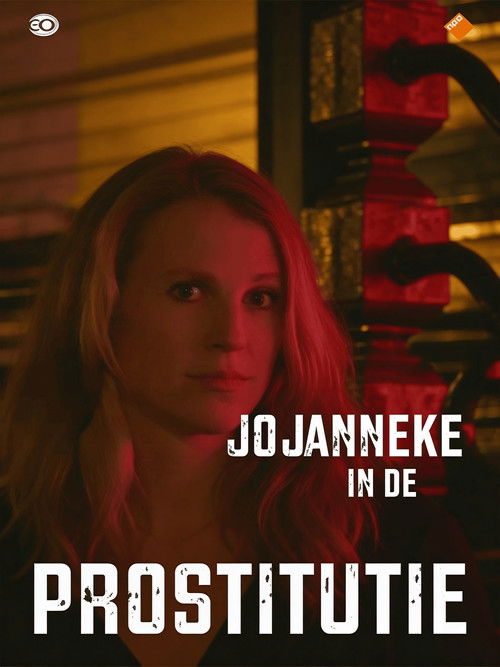
Jojanneke in the prostitution was an investigative journalism program broadcast by the EO on NPO 3. In this program, presenter Jojanneke van den Berge examines the workings of Dutch prostitution and the world of human trafficking. To do so, Van den Berge visits sex clubs, brothels, and hotels, and interviews prostitutes, 'loverboys', sex traffickers, and other individuals involved in the sex industry.
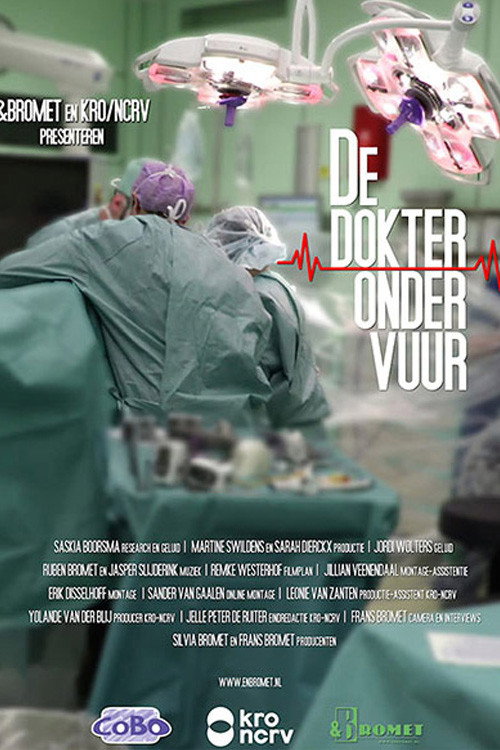
Making mistakes is human. But when doctors make mistakes, it often has far-reaching consequences. Frans Bromet speaks with doctors who have made serious medical errors. Talking about mistakes is by no means a matter of course within the medical profession. The trust that the patient places in the doctor proves to be a great asset. Betraying that trust is a devastating experience for the medical professionals. Yet they are willing to speak openly ‘because otherwise you deny the patient and their family the opportunity to understand, to process what has happened.’ But above all, because you can only learn from mistakes by making them open for discussion. Only then can hospitals actually take measures or implement improvements.