FEEL IT.STREAM
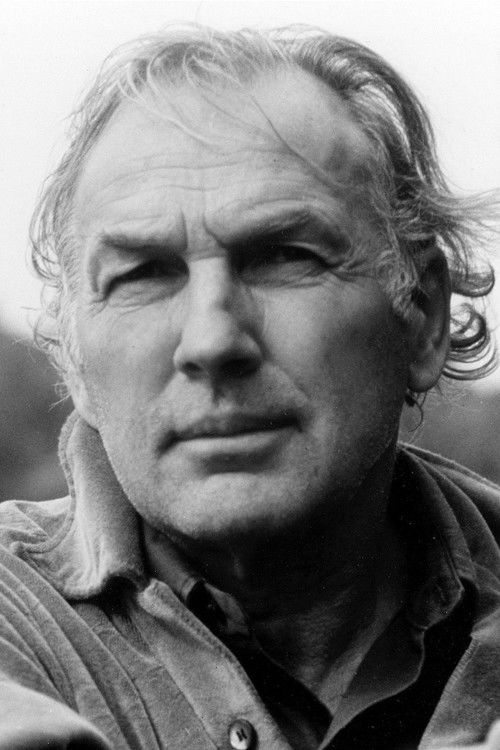
Pierre Perrault

Pierre Perrault

Directing

Biography

Pierre Perrault OQ (29 June 1927 – 23 June 1999) was a Canadian documentary film director with the National Film Board of Canada. Over his 40-year career, he directed 32 films and was one of Canada's most important filmmakers, although he was largely unknown outside of Québec.
Known For

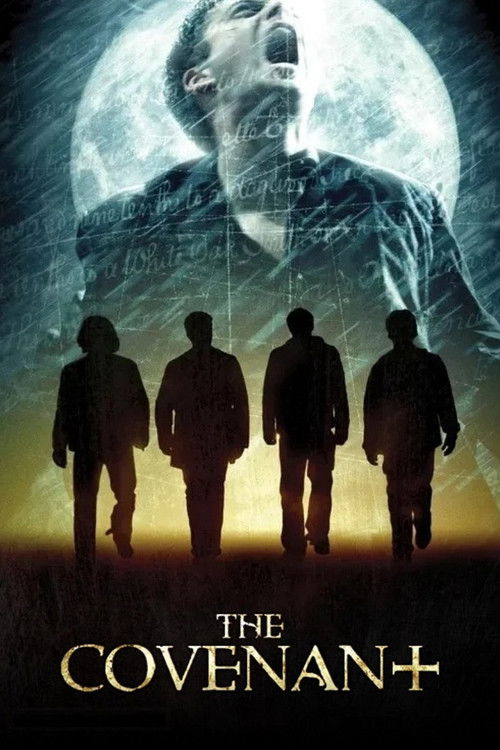
The Covenant
5.6

Four young men who belong to a supernatural legacy are forced to battle a fifth power long thought to have died out. Another great force they must contend with is the jealousy and suspicion that threatens to tear them apart.

The Covenant

2006
The Kiss
5.8

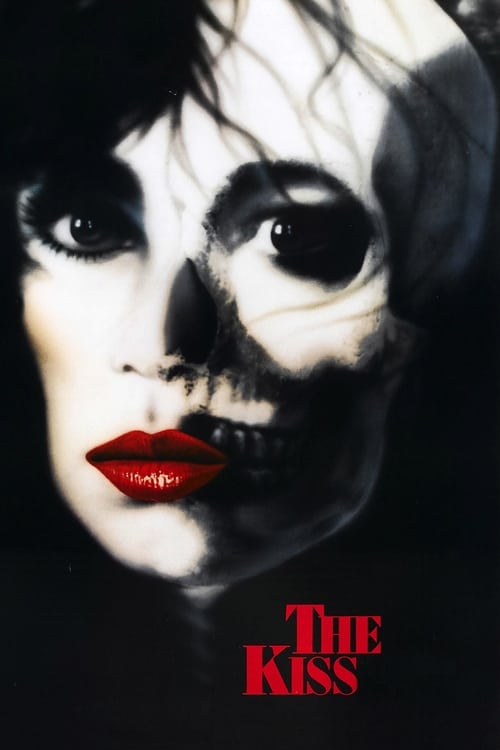
After the death of her mother, a teenage girl is faced with bizarre supernatural occurrences when her mother's estranged sister arrives and begins to infiltrate her and her father's lives.

The Kiss

1988
State Park
4.1

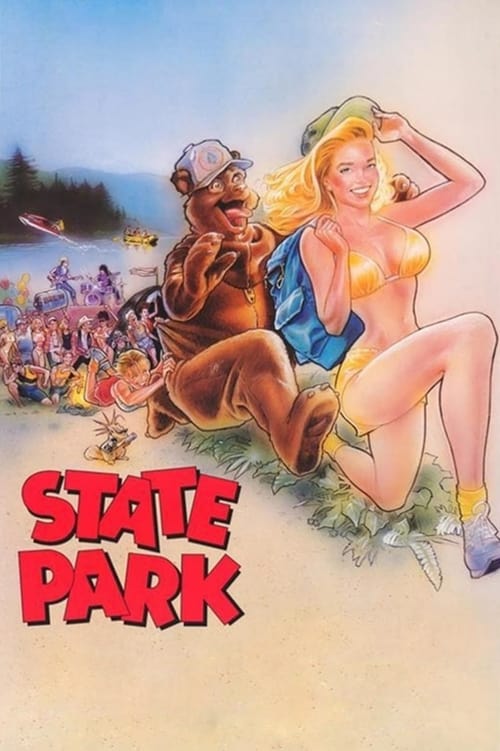
A business man plans to dump toxic waste on a state park, but it doesn't go according to plan.

State Park

1988
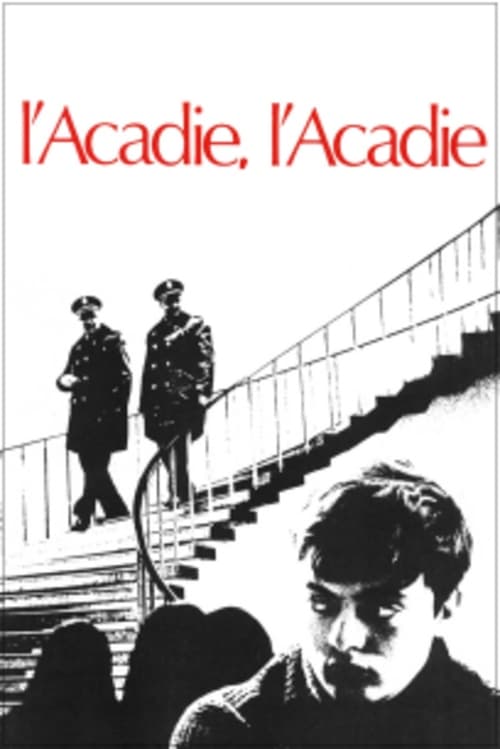
Acadia Acadia?!?
7.3

In the late 1960s, with the triumph of bilingualism and biculturalism, New Brunswick's Université de Moncton became the setting for the awakening of Acadian nationalism after centuries of defeatism and resignation. Although 40% of the province's population spoke French, they had been unable to make their voices heard. The movement started with students-sit-ins, demonstrations against Parliament, run-ins with the police - and soon spread to a majority of Acadians. The film captures the behind-the-scenes action and the students' determination to bring about change. An invaluable document of the rebirth of a people.

Acadia Acadia?!?

1971
No image
N/A

In 1958-1959, Pierre Perrault, who was in his infancy as a filmmaker, co-directed with René Bonnière, a series of films on the people of the river, their trades, their traditions and their lifestyles. Discover the complete series of thirteen episodes that was broadcast on Radio-Canada television in 1960.

Au Pays De Neufve France

1960
The Times That Are
6.5

Four years after Pour la suite du monde (1963), director Pierre Perrault asks Alexis Tremblay if he'll agree to travel with his wife Marie to the country of their ancestors, France. In a montage parallel, we follow them in France and listen to them talking to their friends about it.

The Times That Are

1967
Un pays sans bon sens!
7.6

Structured as a cinematic essay, "Un pays sans bon sens!" explores the emotional and political foundations of belonging to a nation. Moving between Quebec, France, and Western Canada, Pierre Perrault interrogates questions of cultural maturity, autonomy, and territory at a moment when French Canadians were reexamining their collective identity.

Un pays sans bon sens!

1970
Attiuk
9.0

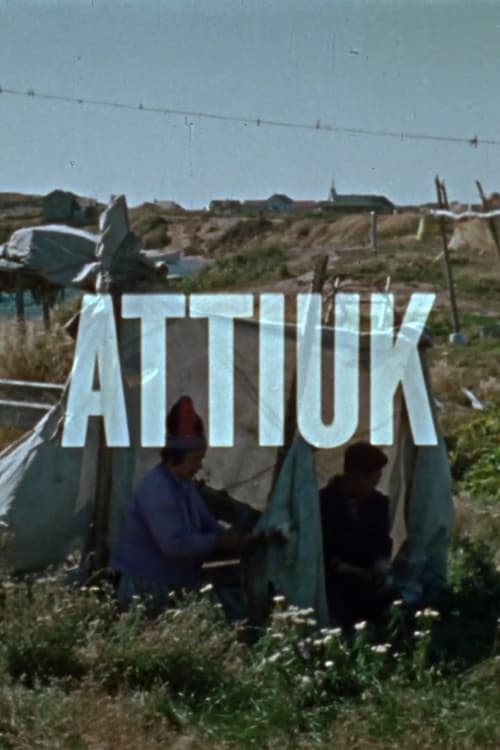
The people of Unamenshipu (La Romaine), an Innu community in the Côte-Nord region of Quebec, are seen but not heard in this richly detailed documentary about the rituals surrounding an Innu caribou hunt. Released in 1960, it’s one of 13 titles in Au Pays de Neufve-France, a series of poetic documentary shorts about life along the St. Lawrence River. Off-camera narration, written by Pierre Perrault, frames the Innu participants through an ethnographic lens. Co-directed by René Bonnière and Perrault, a founding figure of Quebec’s direct cinema movement.

Attiuk

1963
The River Schooners
6.8

The people of Ile-aux-Coudres talk of their fading tradition of constructing boats to ride the seas.

The River Schooners

1968
Of Whales, the Moon, and Men
7.5

At the instigation of the filmmakers, the young men of the Ile-aux-Coudres in the middle of the St-Lawrence River try as a memorial to their ancestors to revive the fishing of the belugas interrupted in 1924.

Of Whales, the Moon, and Men

1963
The Land of Jacques Cartier
7.0

Did Cartier dream of making a country from this land of a million birds? In his records of his exploration he certainly marvelled at seeing the great auks that have since disappeared from Isle aux Ouaiseaulx, the razor-bills and gannets that are gone from Blanc-Sablon, and the kittiwakes from Anticosti, all the winged creatures of all the islands which he described as being "as full of birds as a meadow is of grass". And that's not even counting the countless snow geese.

The Land of Jacques Cartier

1963
Beluga Days
8.0

From the lower St. Lawrence, a picture of whale hunting that looks more like a round-up, with a corral, whale-boys and all. In 1534, when he stopped at the island he named l'Île-aux-Coudres, Jacques Cartier saw how the Indians captured the little white beluga whales by setting a fence of saplings into off-shore mud. In the film, the islanders show that the old method still works, thanks to the trusting 'sea-pigs,' the same old tide, and a little magic.

Beluga Days

1968
No image
N/A

Man's need to create beauty, to interpret the world around him in image and color, has found expression in many forms, from the days of primitive culture to the present. This film surveys the work of Canadian craftsmen in many fields, showing how the changing Canadian scene has been their constant inspiration and how business enterprise today is increasingly using the skills of the artisan to enhance the decor of building interiors.

Craftsmen of Canada

1957
No image
8.0

A virtual prisoner of the winter snows that block its roads, the village of St.Hilarion, to justify its name, revels in the joys of the jig and the "turlutte", the lilting songs that tell the humorous tale, ever new and yet essentially always the same, about the sorry fate of the one who gives into temptation.

Soirée at St. Hilarion

1960
No image
8.0

Shows Tête-à-la-Baleine, Québec, a village with a double life--one on the North Shore mainland during winter months, the other on mossy islands of the Gulf to which the entire population moves for summer fishing.

Whalehead

1963
No image
10.0

In a valley on the North Shore of the St. Lawrence, the seasons unfold with their chores and pleasures: children gathering roses for honey, an old uncle's wine, pressing apple cider, three brothers shelling broads beans, their flails beating time, grandmother's spinning wheel, the old stone mill, the rushing rivulets of spring, a silvery catch of capelin washed up on shore by the May Moon.

Turlutte

1960
No image
N/A

Life in a north-shore village where everybody's name is Robertson and where everyone hunts for seal. In December the seals come in great herds from Greenland, and for two weeks in this peaceful village it's all hands to the lines.

Winter Sealing at La Tabatière

1963
Icewarrior
7.0

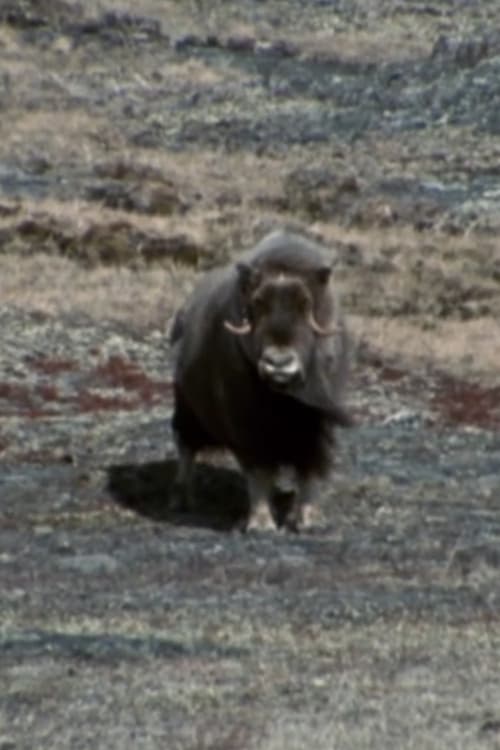
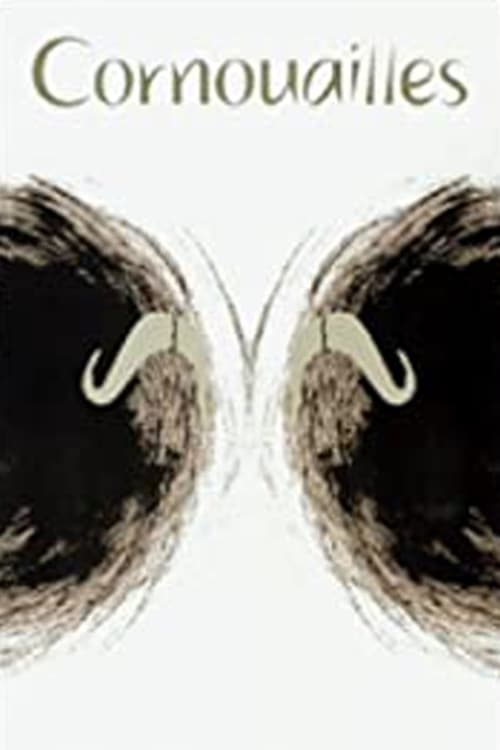
Not far from the North Pole on Ellesmere Island, for one hundred and twenty days, a watchful camera stalks a beast of fleece and hoof, the ancient musk-ox, in anticipation of the great bull's duel for dominance. By the light of late summer, in the hush of expectation of mating behaviour, battle is joined between the furry combatants.

Icewarrior

1994
C'était un Québécois en Bretagne, Madame!
7.5

Feature-length documentary on Hauris Lalancette, a Quebecer from Abitibi, who travels and draws surprising parallels between two corners of the country that are considered destitute and left behind. It is also about the search for ancestors and the nostalgia for old jobs that were better, both on the human level and on the technical level.

C'était un Québécois en Bretagne, Madame!

1977
No image
10.0

This early work from Pierre Perrault, made in collaboration with René Bonnière, chronicles summer activities in the Innu communities of Unamenshipu (La Romaine) and Pakuashipi. Shot by noted cinematographer Michel Thomas-d’Hoste, it documents the construction of a traditional canoe, fishing along the Coucouchou River, a procession marking the Christian feast of the Assumption, and the departure of children for residential schools—an event presented here in an uncritical light. Perrault’s narration, delivered by an anonymous male voice, underscores the film’s outsider gaze on its Indigenous subjects. The film is from Au Pays de Neufve-France (1960), a series produced by Crawley Films, an important early Canadian producer of documentary films.

Ka Ke Ki Ku

1960