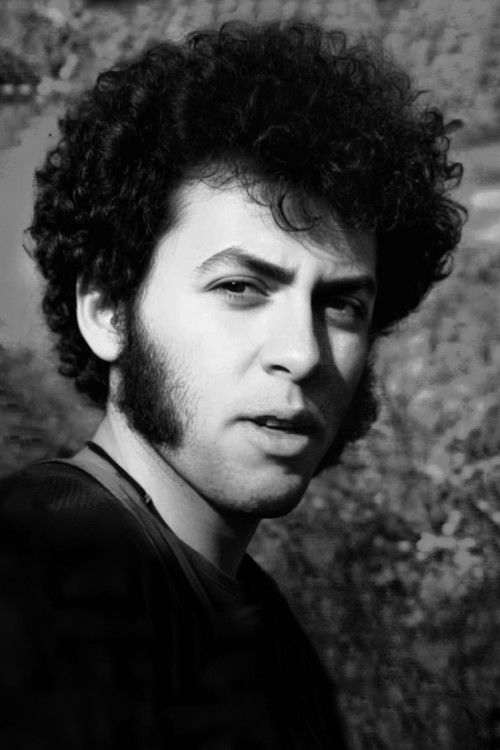
Roberto Bonelli
Acting
Biography
Roberto Bonelli, the iconic Italian climber born on April 17, 1954, in Cuneo, made his mark on climbing history in the 1970s by breaking with the traditions of classic mountaineering. From his early days in the 1970s, he associated with the young talents who embodied the "Nuovo Mattino" (New Mattino), pushing the boundaries of difficulty in free climbing alongside figures like Andrea Gobetti, Massimo Demichela, Danilo Galante, and Gabriele Beuchod, although he distinguished himself through his own dissenting views. Considered one of the most representative Italian climbers of that decade, he excelled on audacious crack routes such as "Niente più coccole per Bonellino" in Valle dell’Orco, the Fessura Kosterlitz, and the Via del Risveglio in Catteissard, often soloing or free climbing extreme routes, with an iconoclastic and provocative style that shocked the conservative mountaineering community. After a meteoric and adrenaline-fueled career, Bonelli took a long break from climbing in the 1980s, coinciding with the rise of sport climbing and bolted routes, of which he was the absolute antithesis. His former climbing partners, such as Giulio Beuchod and Oliaro, describe him as extremely cautious, almost obsessive in his placement of quickdraws and rope maintenance, while also highlighting his penchant for adventures in Africa, such as the Hoggar Mountains in Algeria and Cameroon. Cultured and the quintessential anti-star, he avoided interviews and detested the distortions of his past, as seen in the film "Cannabis Rock," preferring a fierce discretion until his last and rare interview in 2012 with Andrea Giorda for UP Climbing magazine. On September 10, 2016, at the age of 62, Roberto Bonelli died after falling from the Plateau de la Draye in the Ailefroide Valley, in the Écrins massif, France.
Known For
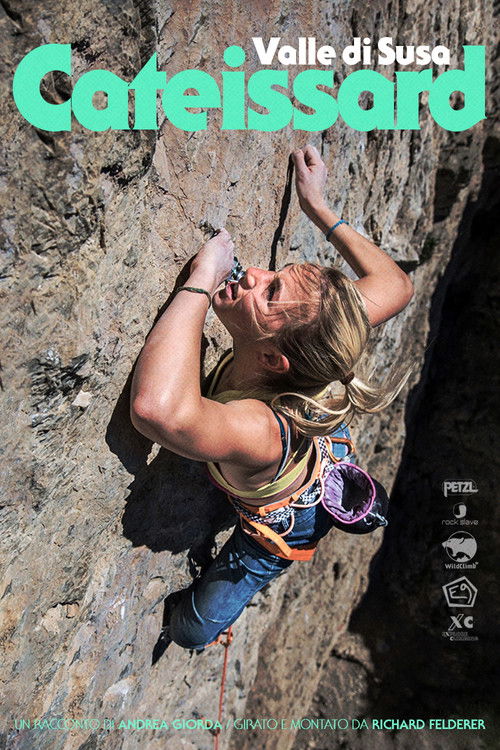
A 2016 film about the Cateissard, a mountain overlooking the Val di Susa near Turin, a laboratory of innovation and evolution in Italian climbing. From the Risveglio route opened by Grassi, Bonelli and Galante in 1974, in the heart of Nuovo Mattino, to Patrick Berhault's visit in 1980 and his legendary climbing demonstration on the Nani Verdi route, to the rediscovery of these rocks by Andrea Giorda who, with Marco Croce, Fabrizio Pennicino, Aldo Tirabeni and Claudio Battezzati, Marco Bernardi, Federica Mingolla, Carlo Giuliberti and others, opened 116 new single-pitch routes, graded from IV to 8b. The success of these climbing sites is undeniable; the cliffs of Profondo Rosso, Falchi Penne and Croci, Neverending Wall, Cateissoft, Sky Wall and Cateisstrong, opened by Giuliberti and Lotito, attract dozens of climbers, even from elsewhere.
Cateissard
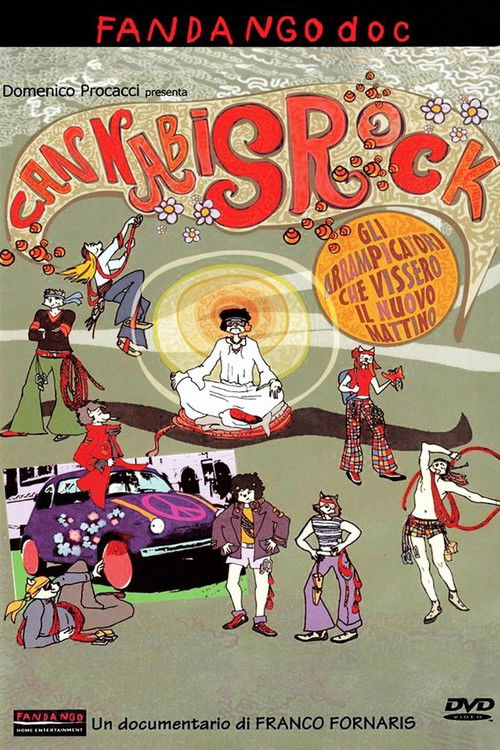
The documentary recounts the brief yet intense "beat" epic of a group of young climbers who, from 1973 to 1975, brought the restless and creative climate of '68 to the rocks and revolutionized the traditionalism of the Piedmontese and Italian mountaineering world. It's an initiatory journey for a tribe of young rebels who, inspired by the theories of Gian Piero Motti, experienced their mountaineering season as an inner torment, some discovering yoga and some marijuana, some rapt with ecstasy and others with rage. A season lived to the sound of Bob Dylan and Popol Vuh, with a profound recklessness towards life. The climbs became true explorations charged with symbolic and visionary meaning, along routes baptized with evocative names: Cannabis, Fessura della Disperazione, Strapiombi delle Visioni, Diedro Sanchez.