FEEL IT.STREAM
Abdelhamid Habati

Abdelhamid Habati

Acting

Biography

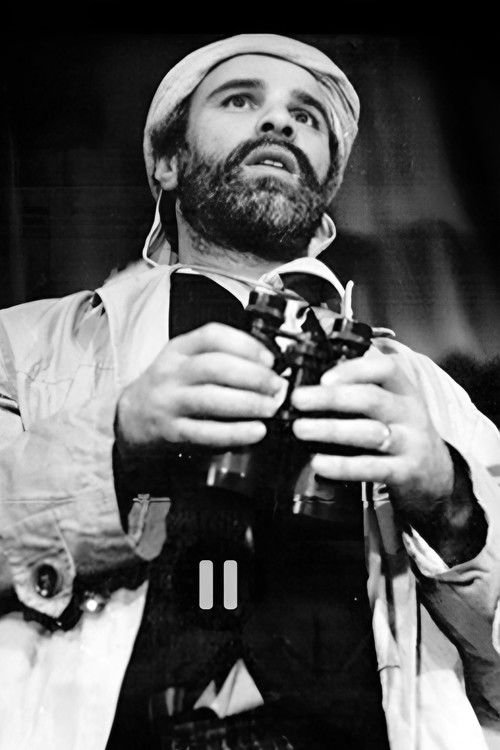
Abdelhamid Habati (Arabic: عبد الحميد حباتي), born June 3, 1945, in Constantine, is an Algerian actor. His artistic career began in Constantine, his hometown, in the early 1960s with the "Al Hilal" association. He later co-founded the "Al Bahalil" group with two other playwrights, Bashir Bin Mohammed and Rashid Zaghimi. During this period, he produced plays including "Youth's Error" and "Marriage is Forbidden." After that, he joined the National Institute of Dramatic Arts at the Kifan Tower in Algeria, graduating in 1964 in the second cohort of his class. He then joined the Algerian National Theatre as a professional actor, performing in several plays, including "Sultan Al Hayer" and "What Is Not Good But Just" (1965). Habati later returned to Constantine and, along with some of his cultural figures, helped establish several cultural spaces, such as the Regional Cultural Center and the Regional Center for Cultural Work. During this period, he presented works such as "Life and Youth," "The School for Liars," "The Black Day," and "Spark in the Palace." In the early 1970s, with the opening of four air theatres, including the Constantine theatre as part of the decentralisation decision in 1972, Habati joined the Constantine regional theatre, where he participated in a number of works as a director, actor and writer; Among them are: "That Answers This" (1972), "Who Dies, What Passes" (1977), "The Law and the People" (1978), "The People of Houma" (1980), "No Case Lasting" (1983), "Diwan Lajb" (1996), "Mr. Minister" (1997), and "The Buggy" (2003). Beyond his stage work, Abdelhamid Habati has appeared in several notable films, including: "Mr. Faber's Mill" by Ahmed Rashdi (1986), "Patrol Towards the East" by Amar Alaskari (1971), "Spatial" by Mohamed Hazoorly (1976), and "The Canadian" by Amar Bahloul (2008). Abdelhamid Habati passed away at the age of 74 on May 6, 2020, after a career during which he was awarded the title of dean of theater and cinema in Algeria.
Known For

Chronicle of the Years of Fire
6.7

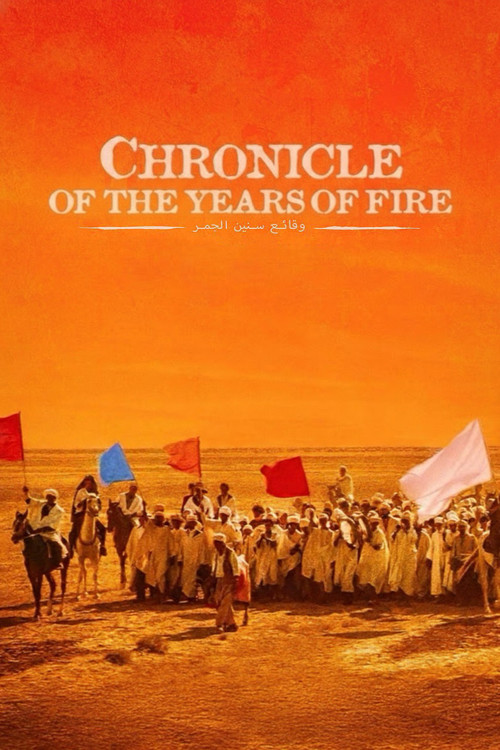
A meticulous chronicle of the evolution of the Algerian national movement from 1939 until the outbreak of the revolution on November 1, 1954, the film unequivocally demonstrates that the "Algerian War" is not an accident of history, but a slow process of suffering and warlike revolts, uninterrupted, from the start of colonization in 1830, until this "Red All Saints' Day" of November 1, 1954. At its center, Ahmed gradually awakens to political awareness against colonization, under the gaze of his son, a symbol of the new Algeria, and that of Miloud, half-mad haranguer, half-prophet, incarnation of Popular memory of the revolt, the liberation of Algeria and its people.

Chronicle of the Years of Fire

1975
Patrol in the East
8.0

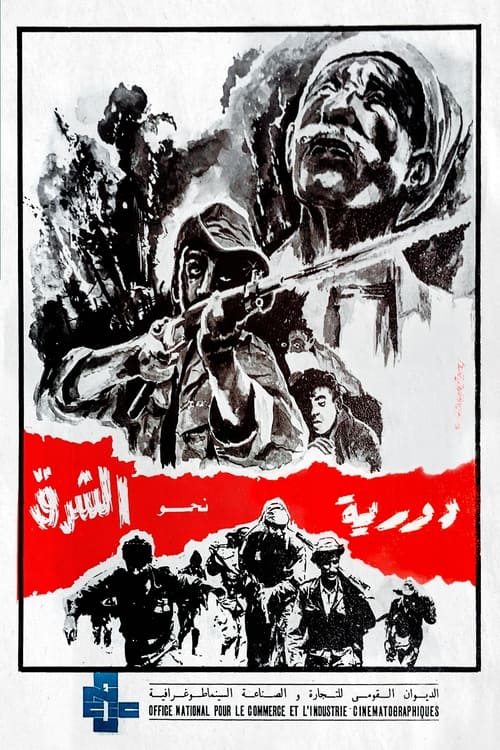
The film traces the story of a patrol of the Algerian National Liberation Army (ALN), whose mission is to transport a prisoner French soldier to the Tunisian border. Through the march of this group of guerrillas we witness the spirit of sacrifice and combativeness of these men from the people. The patrol will be decimated, but a young peasant will take over and complete the mission.

Patrol in the East

1971
The Mill of M. Fabre
10.0

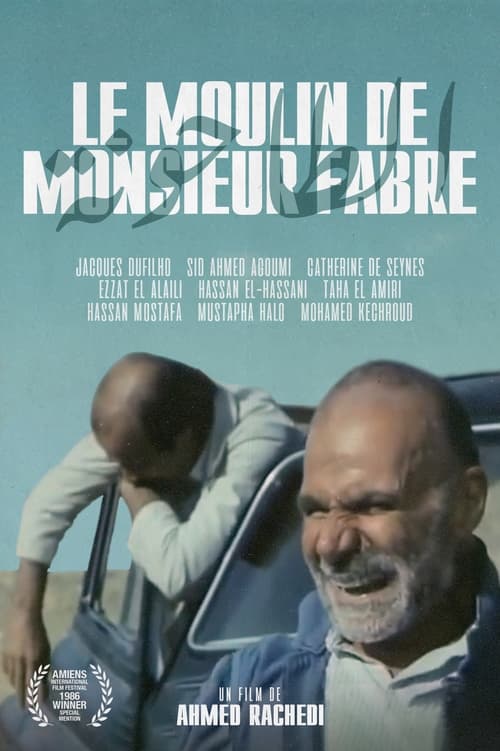
The story of the post-independence nationalization of the mill of Monsieur Fabre, an old man attached to the land of Algeria where he was born. In this small town in eastern Algeria, there was nothing else to nationalize and they were actively preparing for the arrival of high dignitaries who would elevate the mill to the rank of an industrial flour mill even though it was threatened with ruin. The comedy gets worse when the football player from the local team withdraws for love, the officials' visit is canceled and Mr. Fabre returns.

The Mill of M. Fabre

1983
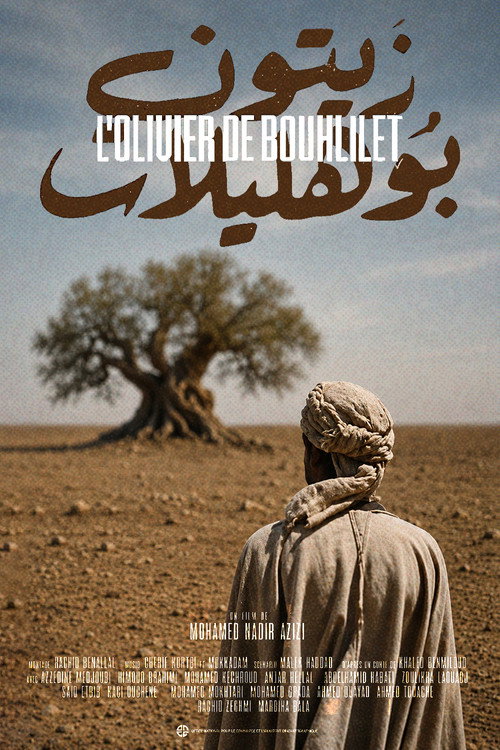
The Olive Tree of Boul'hivet
10.0

Belkacem, a young unemployed man living in the Saharan village of Boulhilet, is entrusted by Bouacha, an old dervish who came from nowhere, with the secret of the olive tree, the only lush tree and true mystery in this stone desert. After water supply works, modern life bursts into the village. Belkacem, ill-prepared for this situation, confuses dream and reality. Believing he has killed his rival who loves his beloved, he flees the village after donning the clothes of the dervish, whose gait he now imitates.

The Olive Tree of Boul'hivet

1978
The Citadel
4.9

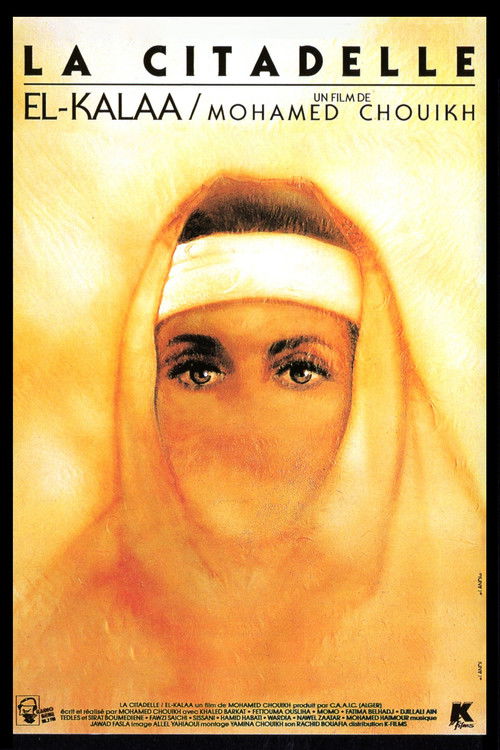
El Kalaa, a village in southern Oran. Although already married, old Sidi planned to marry another. He sets his sights on the beautiful Aïssa, with whom Kaddour, his adopted son, is in love. The old man decides to play a trick on Kaddour to teach him never to covet a woman that an elder wants to marry...

The Citadel

1988
Hiziya
10.0

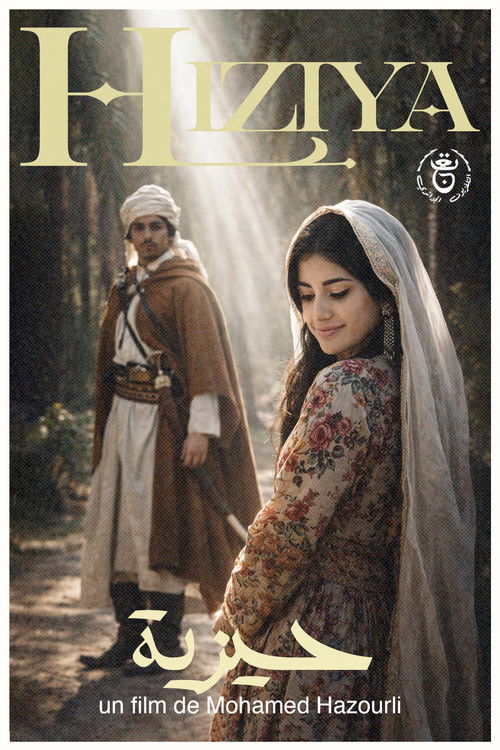
It was from the popular song-poem by Mohamed Ben Guittoun that director Mohamed Hazourli (of the Constantine regional station of RTA) wrote the screenplay. Hiziya Bent Ahmeb Bey, 23 years old, lived in southeastern Algeria, in a village called Sidi Khaled. The daughter of a powerful notable of the Dhouaouda tribe, who regularly migrated through the desert, Hiziya was exceptionally beautiful, to the point that other girls were jealous and envious of her, and men succumbed to her charm. But the young woman's heart belonged to Saïd, an orphan taken in as a child by his uncle. They met in secret and married despite family hostility. A month after their wedding, Hiziya died during the transhumance in the desert. The death of his beloved plunged Saïd into deep grief, to the point that he abandoned his possessions and family to wander the desert.

Hiziya

1977
Huria
8.0

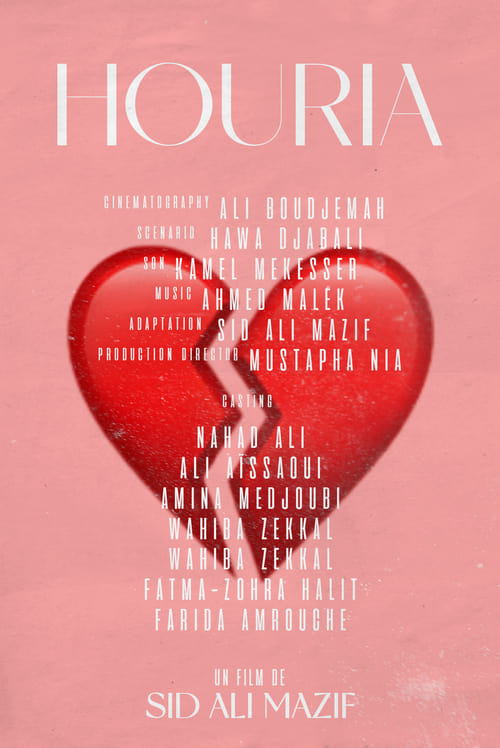
In the city of Constantine, the thwarted love affair of two students: Houria, fatherless, from a poor and traditional background, and Noureddine, son of a wealthy family influenced by Western lifestyle. Houria's brothers keep a close eye on her and want to marry her off to a first cousin. The young woman runs away and, when she returns home, Noureddine courageously asks her to marry him. But while Houria's family agrees, this time it is the girl who refuses...

Huria

1986