Leila Pahlavi
Acting
Biography
Her Imperial Highness Princess Leila Pahlavi was born in Tehran on March 27, 1970. She passed away in London, England on June 10, 2001, and is laid to rest at the Passy cemetery (Cimetiere de Passy) in Paris. Vivacious and outgoing, Princess Leila was close to her family, and a popular figure with her friends. She pursued interests in art, Iranian history, and contemporary events. Princess Leila attended primary school in Tehran at Niavaran Special School (1974-78) and at Marymount School in New York City (1979-80). Middle school was at the Cairo American College in Cairo, Egypt, and later at Pine Cobble School in Williamstown, Massachusetts. Princess Leila completed her high school education at Rye Country Day School in Rye, New York (1983-87), and attended Brown University in Providence, Rhode Island, as an undergraduate (1988-90). Princess Leila passed away in London on June 10, 2001.[Farahpahlavi.org]
Known For
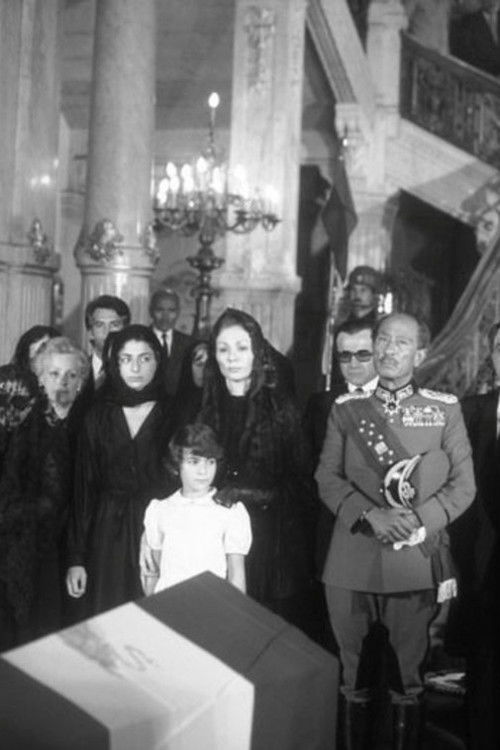
The documentary "Guest in Cairo," (The Shah's funeral ceremony) part of Manoto’s documentary series, delves into the final days of Mohammad Reza Pahlavi in Cairo, Egypt, using never-before-seen footage. A king who, after being exiled from his country, was abandoned by almost all his friends and allies. Among them, Anwar Sadat, the President of Egypt, was the only one who refused to sacrifice his friendship with the Shah for political gains and deals. While no one else was willing to accept the ailing Shah, Sadat offered refuge to him and his family and appointed Egypt’s most skilled doctors to care for him. After the Shah’s death, Anwar Sadat held an official and grand funeral, showcasing his unwavering loyalty and friendship with the fallen monarch
The Shah's Funeral Ceremony
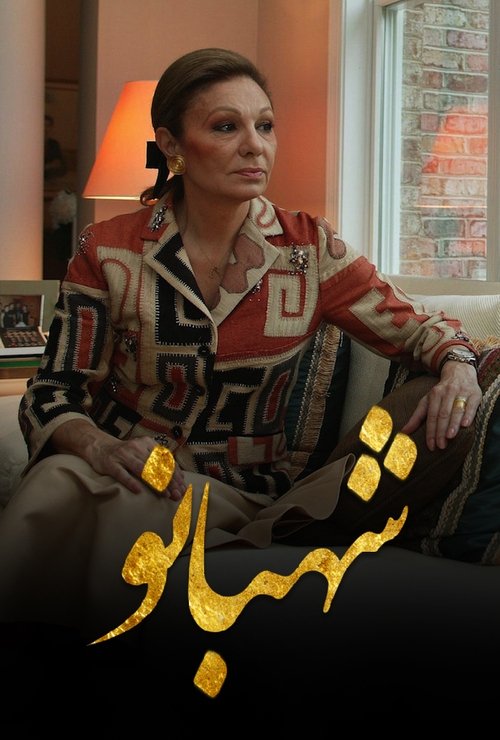
A distinctive documentary that takes a look at the life of Shahbanoo Farah Pahlavi from childhood to the present day. Produced using dozens of rare and lesser-seen films and photographs and narrated by the Empress herself—it not only introduces viewers to her personality, traits, and life memories, but also offers a view of the social, cultural, and political transformations of contemporary Iranian history over more than the past 70 years.