FEEL IT.STREAM
Óscar Arnulfo Romero

Óscar Arnulfo Romero

Acting

Biography

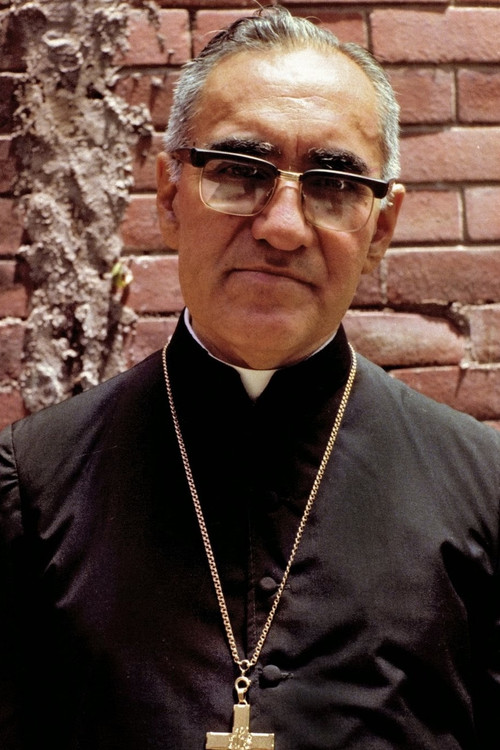
Óscar Arnulfo Romero y Galdámez (15 August 1917 – 24 March 1980) was a prelate of the Catholic Church in El Salvador. He served as Auxiliary Bishop of the Archdiocese of San Salvador, the Titular Bishop of Tambeae, as Bishop of Santiago de María, and finally as the fourth Archbishop of San Salvador. As archbishop, Romero spoke out against social injustice and violence amid the escalating conflict between the military government and left-wing insurgents that led to the Salvadoran Civil War. In 1980, Romero was fatally shot by an assassin while celebrating Mass. Though no one was ever convicted for the crime, investigations by the UN-created Truth Commission for El Salvador concluded that Major Roberto D'Aubuisson, a death squad leader and later founder of the right-wing Nationalist Republican Alliance (ARENA) political party, had ordered the killing. In 1997, Pope John Paul II bestowed upon Romero the title of Servant of God, and a cause for his beatification was opened by the church. The cause stalled but was reopened by Pope Benedict XVI in 2012. Romero was declared a martyr by Pope Francis on 3 February 2015, paving the way for his beatification on 23 May 2015. During Romero's beatification, Pope Francis declared that his "ministry was distinguished by his particular attention to the most poor and marginalized." Pope Francis canonized Romero on 14 October 2018.
Known For

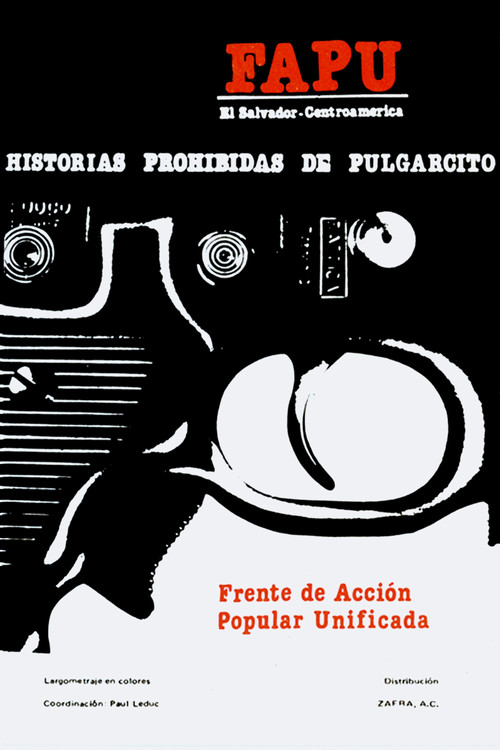
Historias prohibidas de Pulgarcito
7.0

Forbidden Stories of Pulgarcito is a film produced in 1980 by the FAPU, a mass organization of the National Resistance, one of the five organizations of the Farabundo Martí National Liberation Front, FMLN. The film was filmed in El Salvador in late 1979 and early 1980 and is a testimony of the daily struggle of the people against the military regime. The team of filmmakers coordinated by Paul Leduc collects the testimonies of the main actors in the conflict that led to a civil war that lasted 12 years, causing 75,000 dead and a million displaced, in a country of 5 million inhabitants. During those years, the United States sent a million dollars a day in aid to the Salvadoran army.

Historias prohibidas de Pulgarcito

1980
La luz que te decía
N/A

Filmed during the Salvadoran civil war, La luz que te decía documents the struggles of the country’s labor and trade union movement amid escalating political violence. Through strike footage, congress meetings, marches, and first-person testimonies, the film portrays a society marked by state repression, workers’ mobilization, and efforts to build national and international solidarity. The documentary pays particular attention to the strike of the National Water Authority workers (ANDA), featuring members of the SETA union who describe the causes of the protest, the repression they faced, and the survival strategies adopted during the conflict. Testimonies from other unions, grassroots organizations, and international labor groups broaden the film’s perspective beyond a single labor dispute.

La luz que te decía

1986
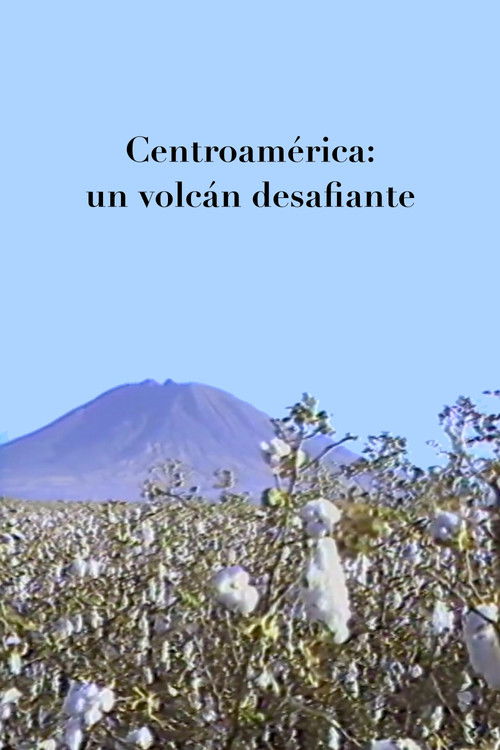
Centroamerica: un volcán desafiante
N/A

This documentary narrates the causes and revolutionary process in Central America, primarily in Nicaragua and El Salvador. Produced in 1985, it comes from the Radio Venceremos communication system, the media outlet of the Salvadoran insurgency during the civil war (1980-1992).

Centroamerica: un volcán desafiante

1989
Sembrando la esperanza
N/A

The title refers to the legacy of Archbishop Oscar Romero who was assassinated in his cathedral in March 1980.

Sembrando la esperanza

1983