Art
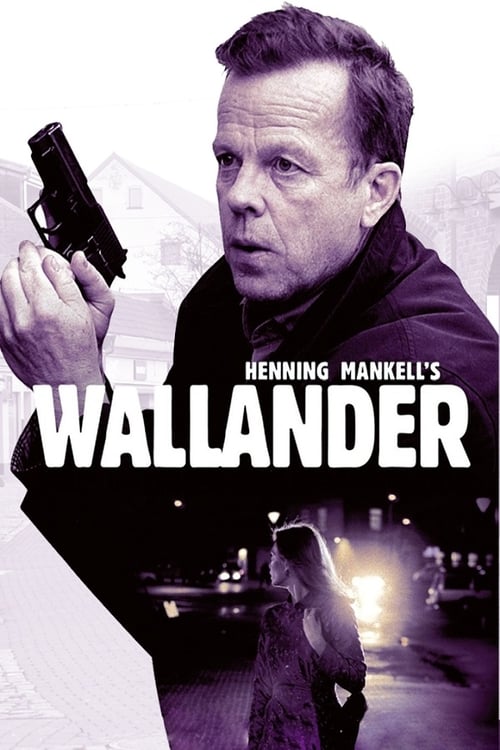
Wallander is a Swedish television series adapted from Henning Mankell's Kurt Wallander novels and starring Krister Henriksson in the title role. The 1st series of 13 films was produced in 2005 and 2006, with one taken directly from a novel and the remainder with new storylines suggested by Mankell. The 2nd series of 13 films was shown between 2009 and 2010. The stories are set in Ystad near the southern tip of Sweden. The three films Before the Frost, Mastermind, and The Secret were premiered in cinemas, with the rest first released as direct-to-DVD movies. The first episode of the second series, Hämnden, was released in Swedish cinemas in January 2009; the rest of the series was made for television. The BBC aired all 26 episodes of the Swedish television versions on BBC Four. A third and final season, containing six 90 minute episodes, will air in 2013 with Charlotta Jonsson as Linda Wallander. The first episode, adapted from the novel The Troubled Man, was released in cinemas in January 2013.
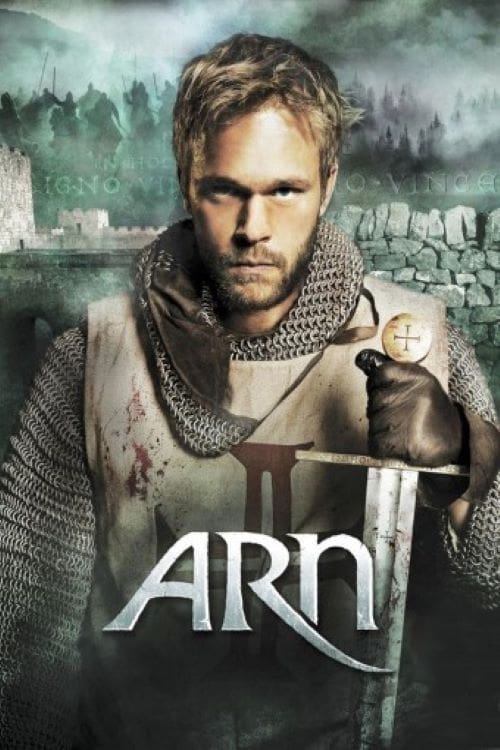
Arn has to endure so much before he can get the love of his life Cecilie, who has been put away in a monastery.
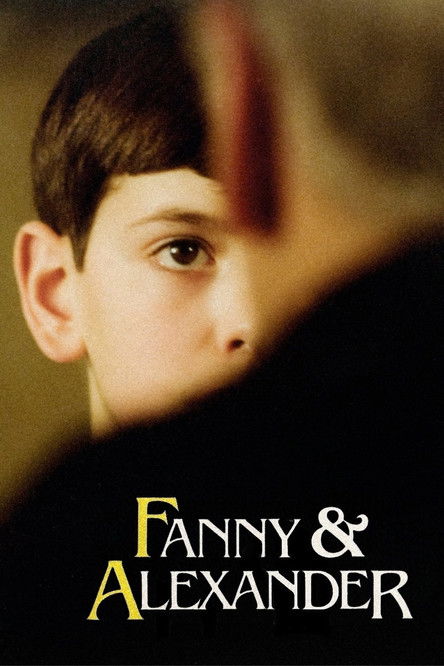
Through the eyes of ten-year-old Alexander, we witness the delights and conflicts of the Ekdahl family, a sprawling bourgeois clan in turn-of-the-twentieth-century Sweden.
As children in the loving Ekdahl family, Fanny and Alexander enjoy a happy life with their parents, who run a theater company. After their father dies unexpectedly, however, the siblings end up in a joyless home when their mother, Emilie, marries a stern bishop. The bleak situation gradually grows worse as the bishop becomes more controlling, but dedicated relatives make a valiant attempt to aid Emilie, Fanny and Alexander.
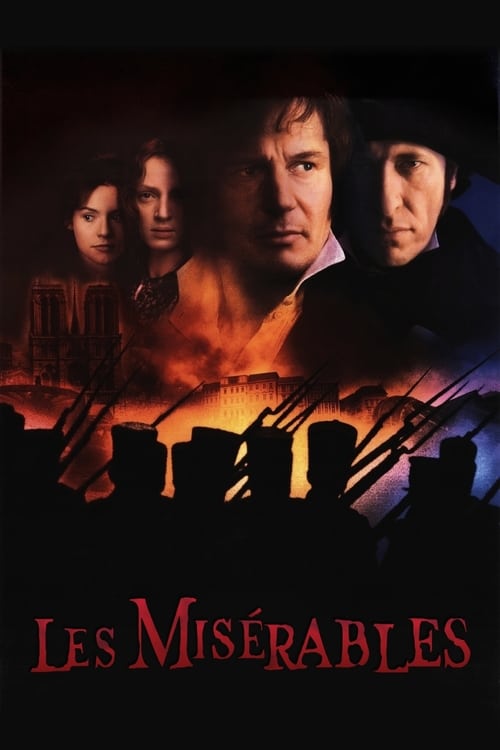
In 19th century France, Jean Valjean, a man imprisoned for stealing bread, must flee a relentless policeman named Javert. The pursuit consumes both men's lives, and soon Valjean finds himself in the midst of the student revolutions in France.
The Guldbagge Awards is an official and annual Swedish film awards ceremony honoring achievements in the Swedish film industry. Winners are awarded a statuette depicting a rose chafer, better known by the name Guldbaggen. The awards, first presented in 1964 at the Grand Hôtel in Stockholm, are overseen by the Swedish Film Institute. It is described as the Swedish equivalent of the Academy Awards. The awards ceremony was first televised in 1981.
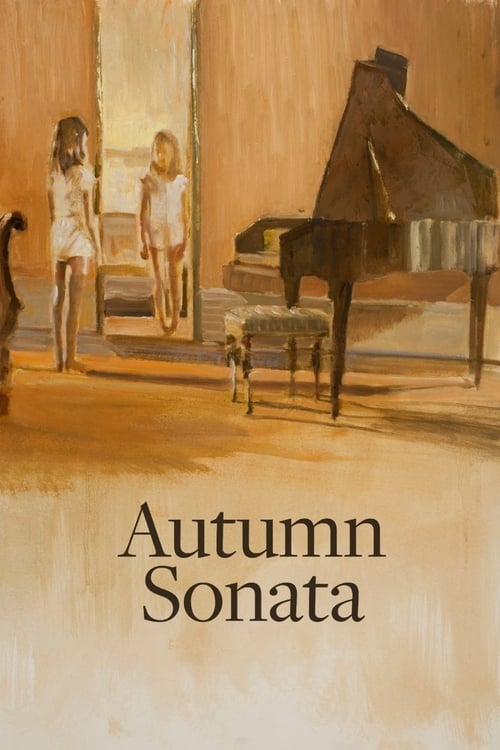
After a seven-year absence, Charlotte Andergast travels to Sweden to reunite with her daughter Eva. The pair have a troubled relationship: Charlotte sacrificed the responsibilities of motherhood for a career as a classical pianist. Over an emotional night, the pair reopen the wounds of the past. Charlotte gets another shock when she finds out that her mentally impaired daughter, Helena, is out of the asylum and living with Eva.
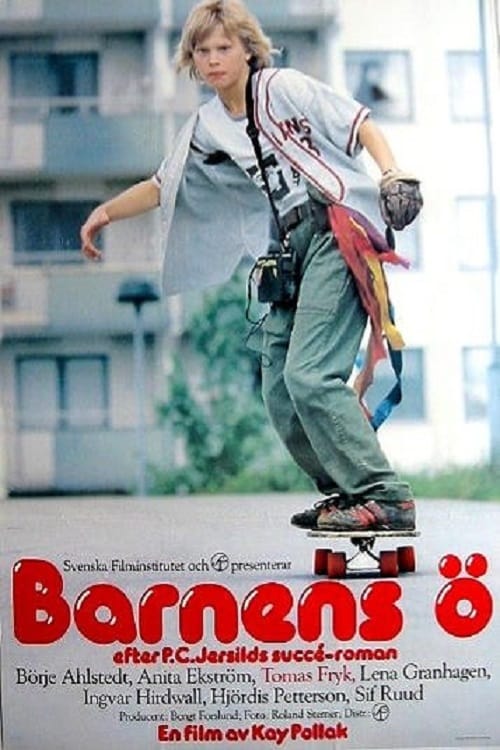
Reine is supposed to go to a summer camp called Children's Island but decides to remain in Stockholm over the summer while his mother is working at a hospital. She thinks he is at the camp, and he tells her he is. We then follow him around Stockholm that summer and see what he encounters on the path of life.
A rancher, his clairvoyant wife and their family face turbulent years in South America.
A young woman struggles to defend her Sámi heritage in a world where xenophobia is on the rise, climate change is threatening reindeer herding, and young people choose suicide in the face of collective desperation.
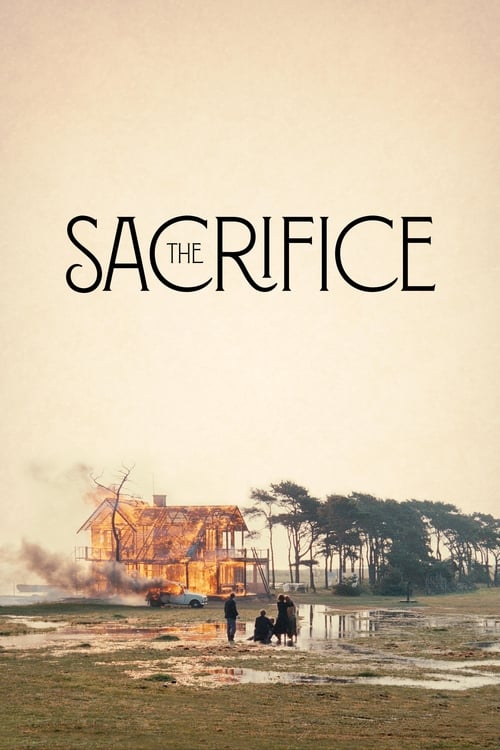
Alexander, a journalist, philosopher and retired actor, celebrates a birthday with friends and family when it is announced that nuclear war has begun.
Arn, the son of a high-ranking Swedish nobleman is educated in a monastery and sent to the Holy Land as a knight templar to do penance for a forbidden love.
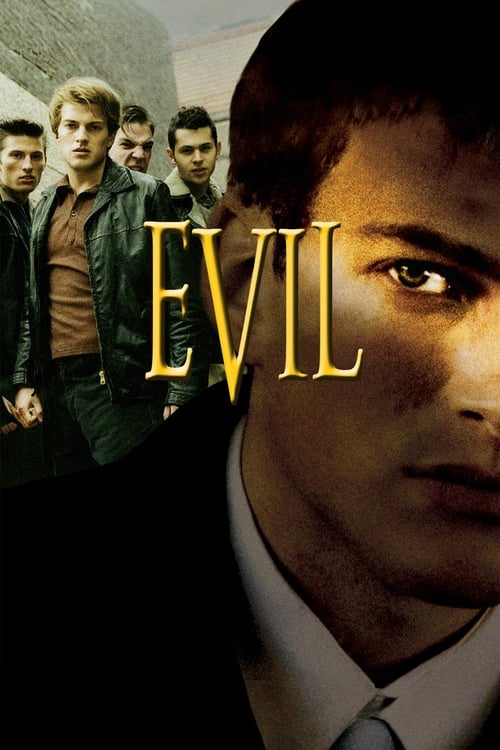
Stockholm, in the 1950s. Erik is expelled from the local school for getting into one brawl too many. To protect Erik from his violent stepfather’s reaction to his expulsion, Erik's mother arranges for Erik to spend a year at Stjärnsberg Boarding School, the only school willing to accept him. This is Erik's last chance to graduate to Upper School and he promises his mother, for his and her sake, to do all he can to stay out of trouble.
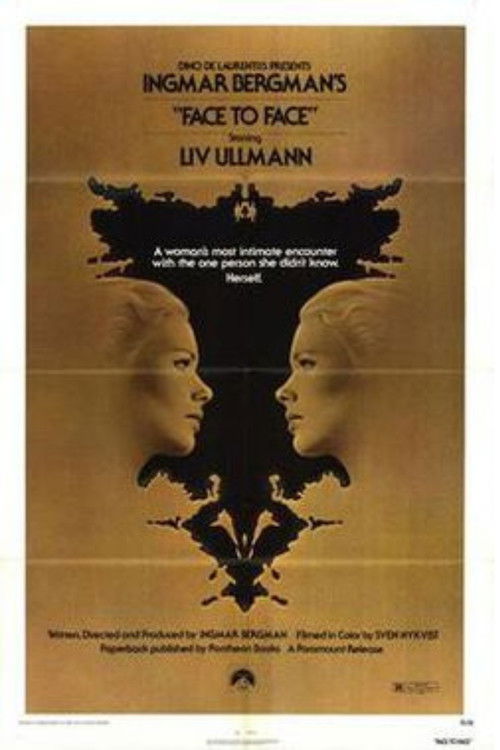
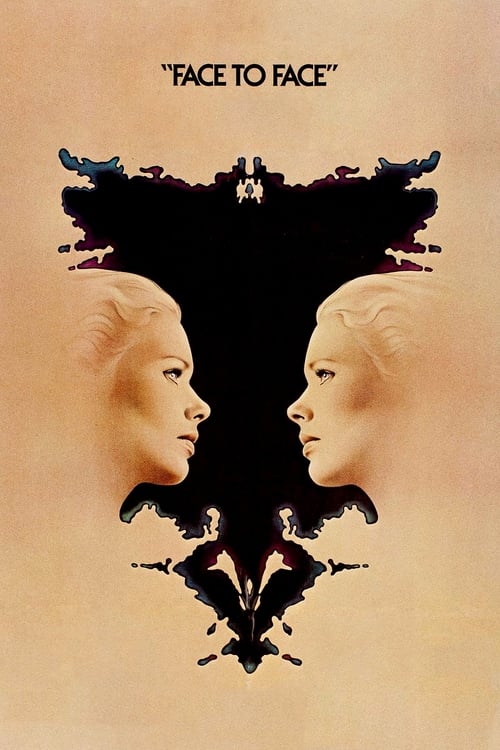
A psychiatrist temporarily separated from her family begins to experience severe psychological distress while working at a mental hospital and returning to her childhood home. As her professional responsibilities and personal relationships intersect, she undergoes a breakdown that forces her to confront long-suppressed memories and fears. (Note: This entry refers to the 1976 four-part Swedish television miniseries. A condensed theatrical feature edited from the same material was released separately in 1976.)
Rational, exacting, and self-controlled theater director, Henrik Vogler, often stays after rehearsal to think and plan. On this day, Anna comes back, ostensibly looking for a bracelet. She is the lead in his new production of Strindberg's A Dream Play. She talks of her hatred for her mother, now dead, an alcoholic actress, who was Vogler's star and lover.
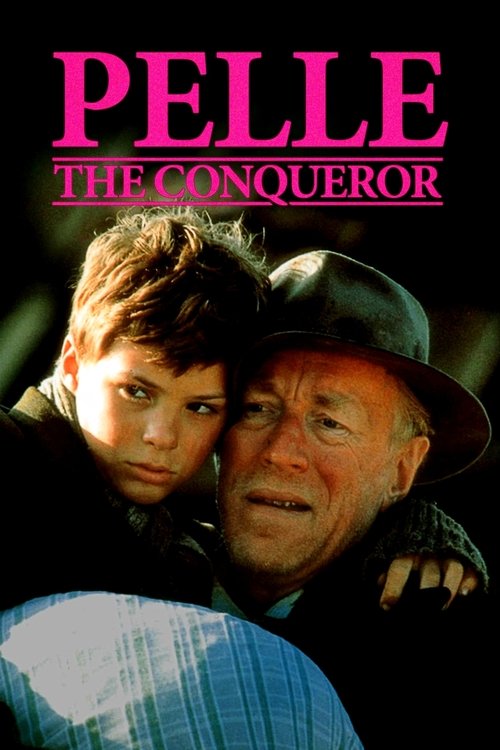
In the late 19th century, two Swedish emigrants, Lasse Karlsson and his son Pelle, arrive on the Danish island of Bornholm hoping to find work on a farm and save enough money to travel to the United States of America.
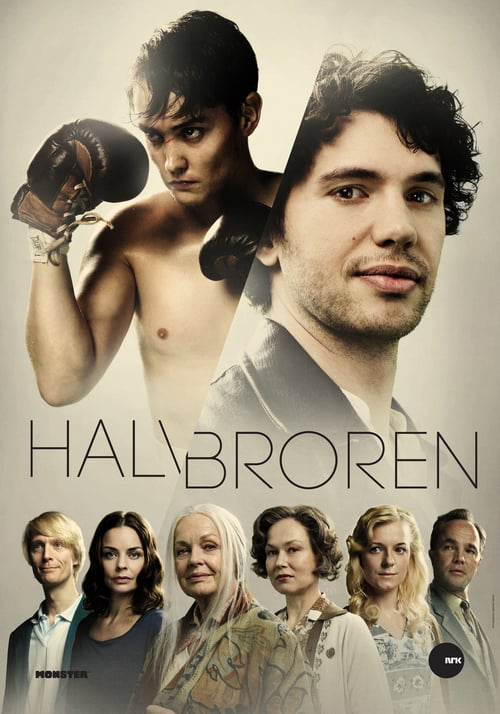
Revolving around the life of un-produced screenwriter Barnum Nilsen, The Half Brother is a dramatic family saga that offers an historical parable of 20th century Europe. On V Day, May 1945, as a continent emerges from war, Barnum’s mother Vera is raped in her attic in Oslo by an unknown man, leading to the birth of Barnum’s half brother, Fred. When Barnum is born five years later, to the man that Vera has since met and married, the Nilsen family, like Europe, is already splitting in two. Growing up together during the Cold War – Barnum with his father, Fred searching for his – the half brothers become estranged and Fred eventually disappears. At the film festival in Berlin in 1990, as the Wall is still coming down, Barnum learns that Fred has returned. Finally, as the true identity of Fred’s father comes to light, the two half brothers may once again be reunited.
A psychiatrist temporarily separated from her family begins to experience severe psychological distress while working at a mental hospital and returning to her childhood home. As her professional responsibilities and personal relationships intersect, she undergoes a breakdown that forces her to confront long-suppressed memories and fears. (Note: This entry refers to the 1976 theatrical feature film (approximately 135 minutes), created by condensing and re-editing the four-part Swedish television miniseries originally produced the same year.)
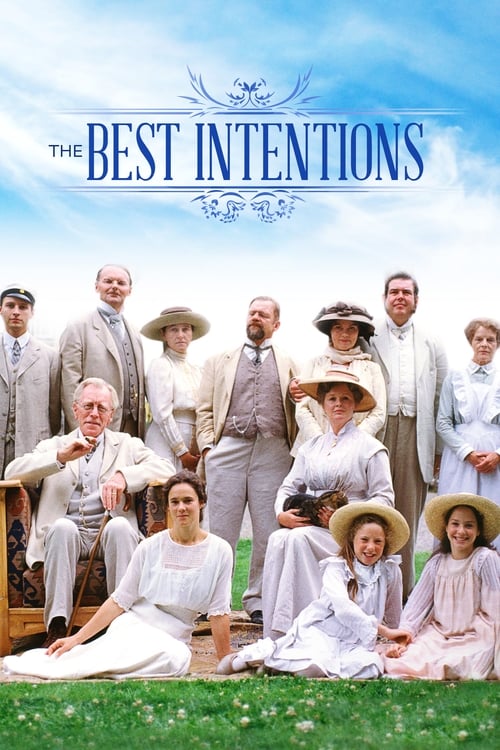
In this film about Ingmar Bergman's parents, Henrik Bergman is studying for the priesthood and trying to make ends meet when he encounters the lovely, affluent Anna. Despite their social differences, Henrik and Anna fall in love, wed and move to the country. They lead a quiet life as Henrik works as a priest, but it isn't long before the simple people and plain surroundings make Anna long for a more lavish lifestyle, which causes marital stress.
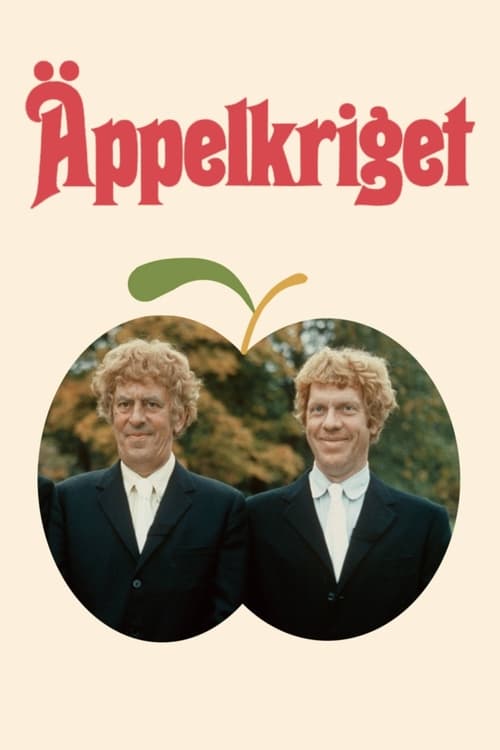
A German businessman wants to buy land in southern Sweden for a gigantic amusement park, his new project called "Deutschneyland" (a wordplay of Deutschland and Disneyland). Some of the locals dislike the idea, including the magically talented Lindberg family, and work to frustrate the development plans.